
Tag: Astrophysics
-
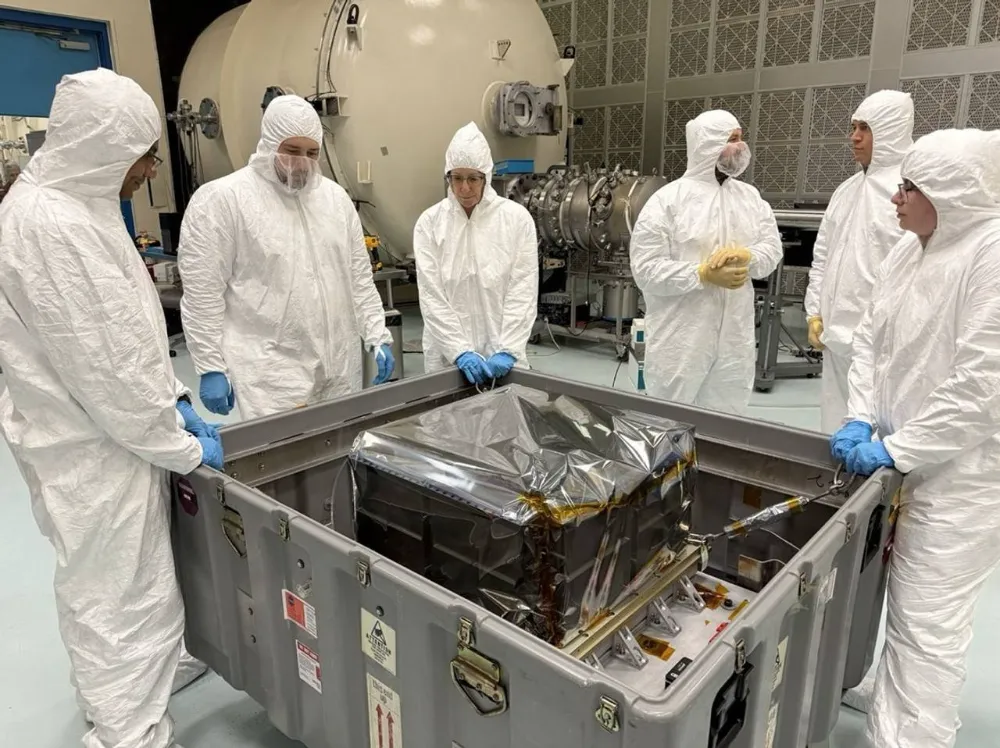
NASA Selects SpaceX Falcon 9 Rideshare to Launch StarBurst Gamma-Ray Mission in 2028
NASA selected SpaceX on September 18 to launch StarBurst, a small astrophysics satellite designed to detect short gamma-ray bursts associated with neutron star mergers. The spacecraft will fly no earlier than 2028 as a rideshare payload on a Falcon 9 Bandwagon mission from Space Launch Complex 40 at Cape Canaveral Space Force Station in Florida.…
-
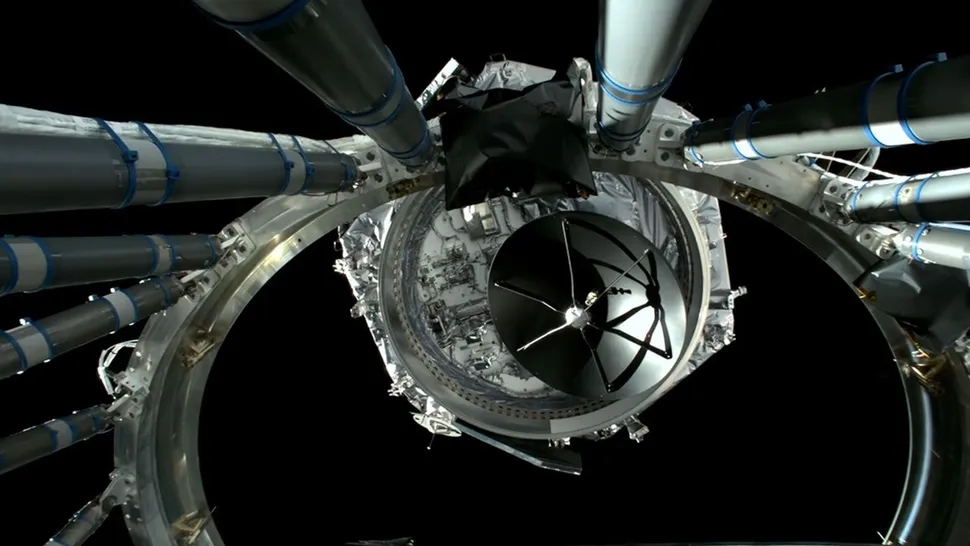
NASA Powers On Roman Space Telescope Instruments During Journey to L2
Roman is still traveling to its destination in space, with NASA gradually powering on and checking its instruments along the way. NASA has activated the Nancy Grace Roman Space Telescope’s 300-megapixel Wide Field Instrument and completed initial checks of its Coronagraph Instrument, the agency said Sept. 15. The observatory, launched Aug. 30 on a SpaceX…
-
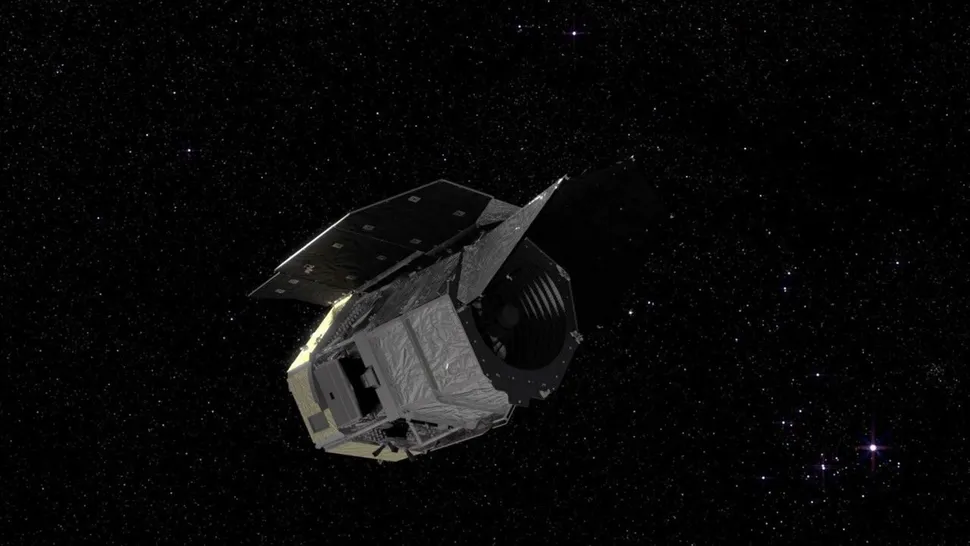
NASA’s Roman Space Telescope Fuel Savings Extend Potential Mission Life to 22 Years
NASA’s Nancy Grace Roman Space Telescope could support at least 22 years of science operations—more than double its original 10-year fuel budget—after a highly accurate trajectory-correction burn used less than one-tenth of the propellant allocated for the maneuver, the agency announced September 14. Roman launched at 7:26 a.m. EDT on August 30 aboard a SpaceX…
-

LINK Spacecraft Approaches Within 15 Kilometers of Swift but Cannot Complete Orbital Rescue
Katalyst Space’s LINK servicing spacecraft approached within 12 to 15 kilometers of NASA’s Neil Gehrels Swift Observatory after aligning its orbit with the aging telescope, but an attitude-control problem prevented the vehicle from attempting the capture and orbital boost originally planned to extend Swift’s mission. NASA said on September 4 that LINK would make no…
-
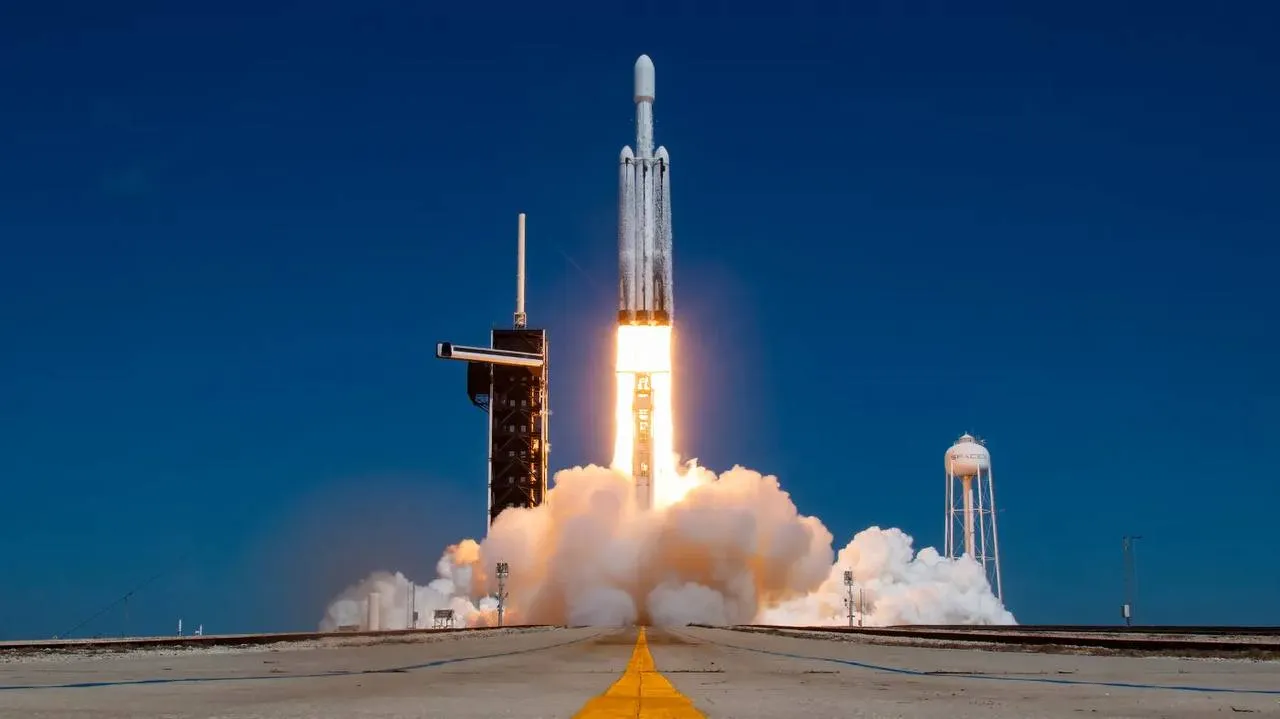
NASA’s Roman Space Telescope Launches on Falcon Heavy to Map Two Billion Galaxies
NASA’s Nancy Grace Roman Space Telescope launched aboard a SpaceX Falcon Heavy on August 30, beginning a three-month journey to a gravitationally stable observing location nearly one million miles from Earth. The rocket lifted off at 7:26 a.m. EDT from Launch Complex 39A at NASA’s Kennedy Space Center in Florida. Roman separated from Falcon Heavy’s…
-
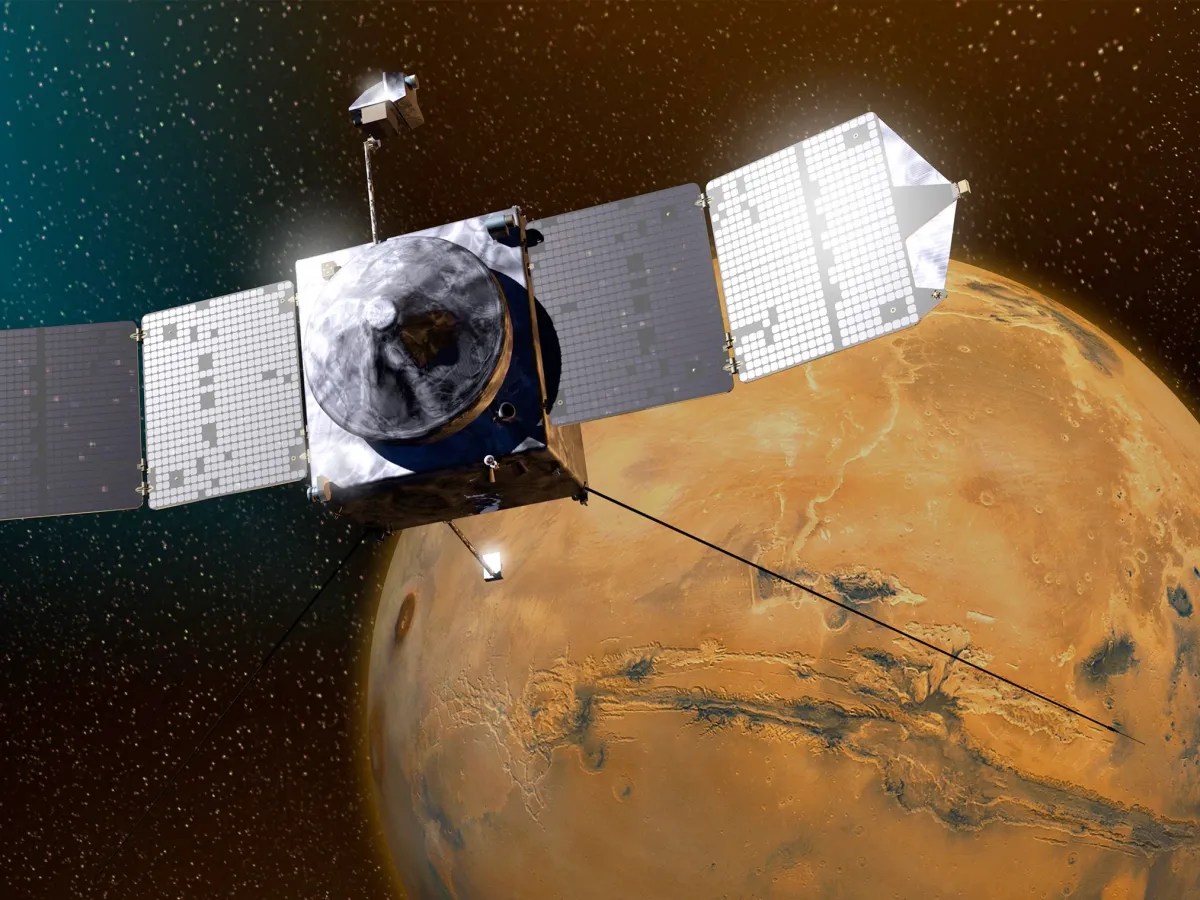
NASA Declares MAVEN Mars Mission Ended After Spacecraft Falls Silent
NASA has officially declared the end of its MAVEN mission after the spacecraft orbiting Mars became unresponsive and could not be recovered following a communications loss that began in December. The agency confirmed the mission’s conclusion on Wednesday, bringing to a close more than a decade of scientific observations of the Red Planet. Contact Lost…
-
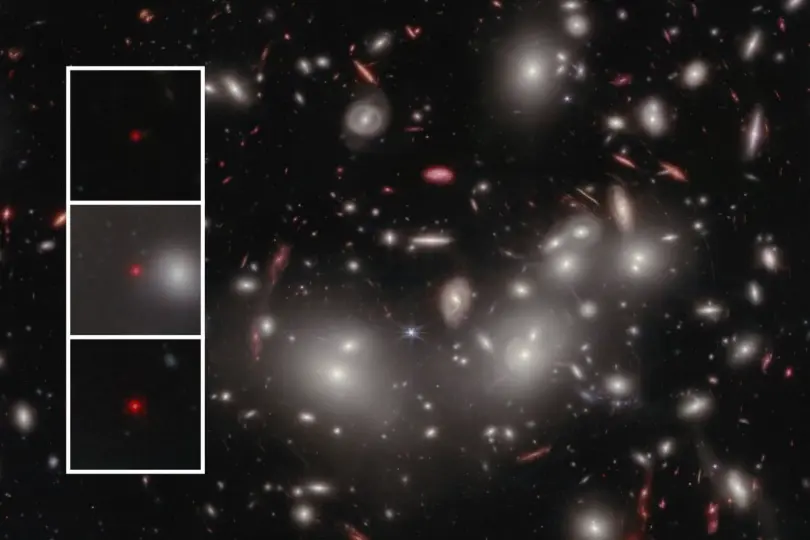
Ancient black hole sheds new light on Webb’s Little Red Dots
Using the joint NASA/European Space Agency/Canadian Space Agency James Webb Space Telescope, an international team of astronomers has performed the first direct measurement of a supermassive black hole in the early universe. A pair of recently published studies investigating this black hole provide new insight into the nature of the elusive little red dots (LRD),…
-
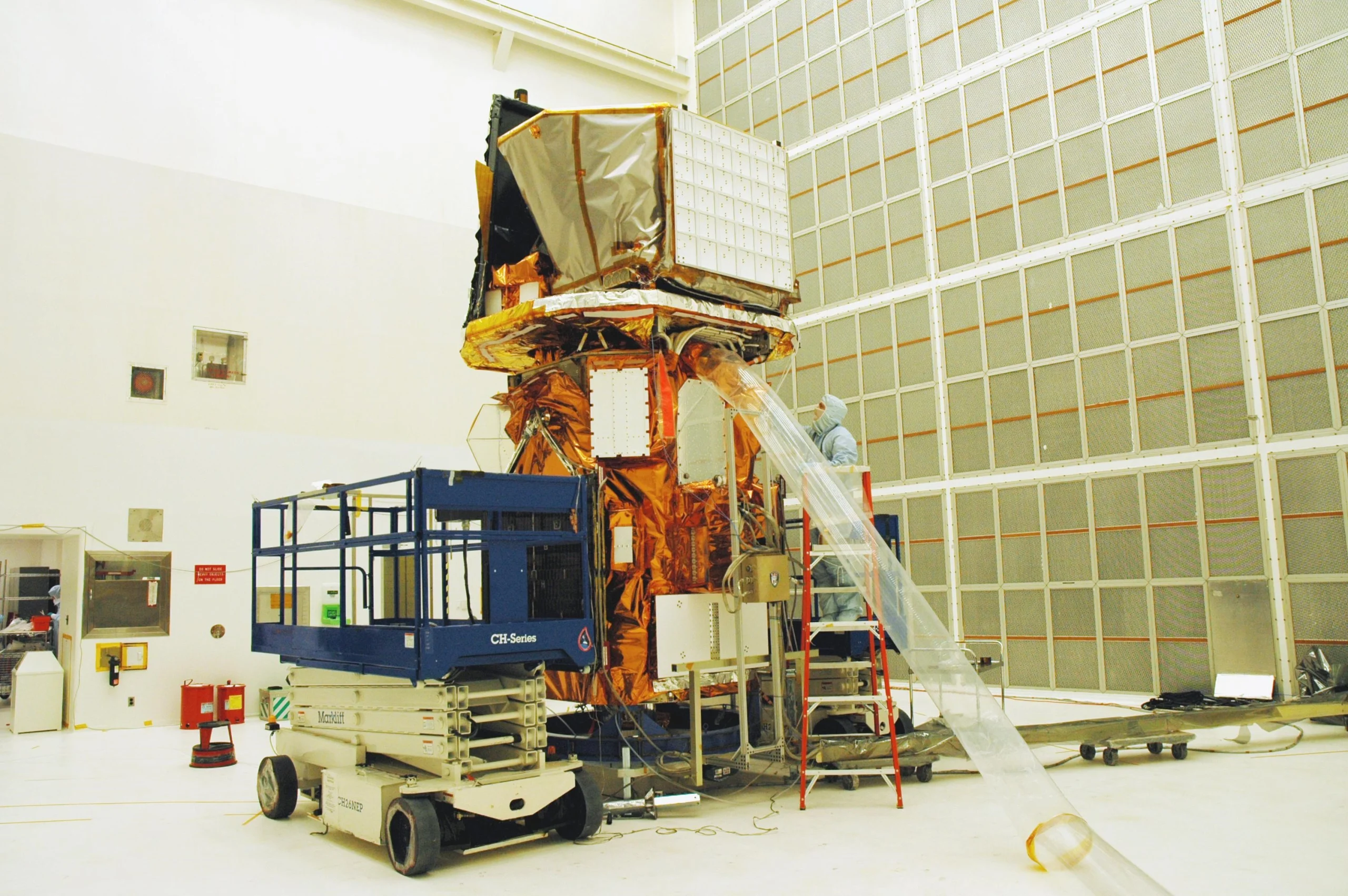
A unique NASA satellite is falling out of orbit—this team is trying to rescue it
BROOMFIELD, Colorado—One of NASA’s oldest astronomy missions, the Neil Gehrels Swift Observatory, has been out of action for more than a month as scientists await the arrival of a pioneering robotic rescue mission. The 21-year-old spacecraft is falling out of orbit, and NASA officials believe it’s worth saving—for the right price. Swift is not a…
-

Space Science in 2026: New lunar explorers, Mars missions, and space telescopes
With many missions on the manifest, the new year promises to be packed with space science. Two interplanetary spacecraft will arrive at their destinations as another Mars window opens in late 2026. Meanwhile, multiple space telescopes have their launch dates set for this year, and the schedule promises an increased cadence for lunar missions. The…
-
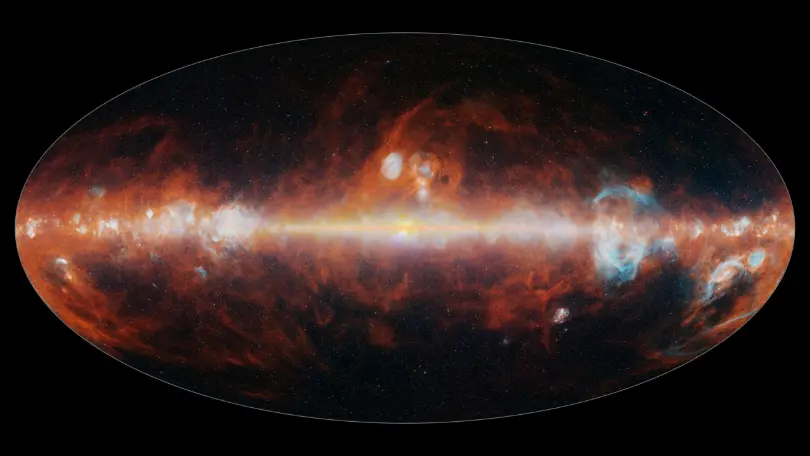
SPHEREx produces first all-sky map, highlights entire universe in infrared light
After launching in March and collecting near-infrared data throughout 2025, NASA’s SPHEREx observatory has completed its first map of the universe. The map, which is comprised of 102 infrared wavelengths, will allow SPHEREx’s team and astrophysicists to research the source of the early universe’s inflation and the distribution of organic molecules throughout the universe. “It’s…