
Tag: Heliophysics
-
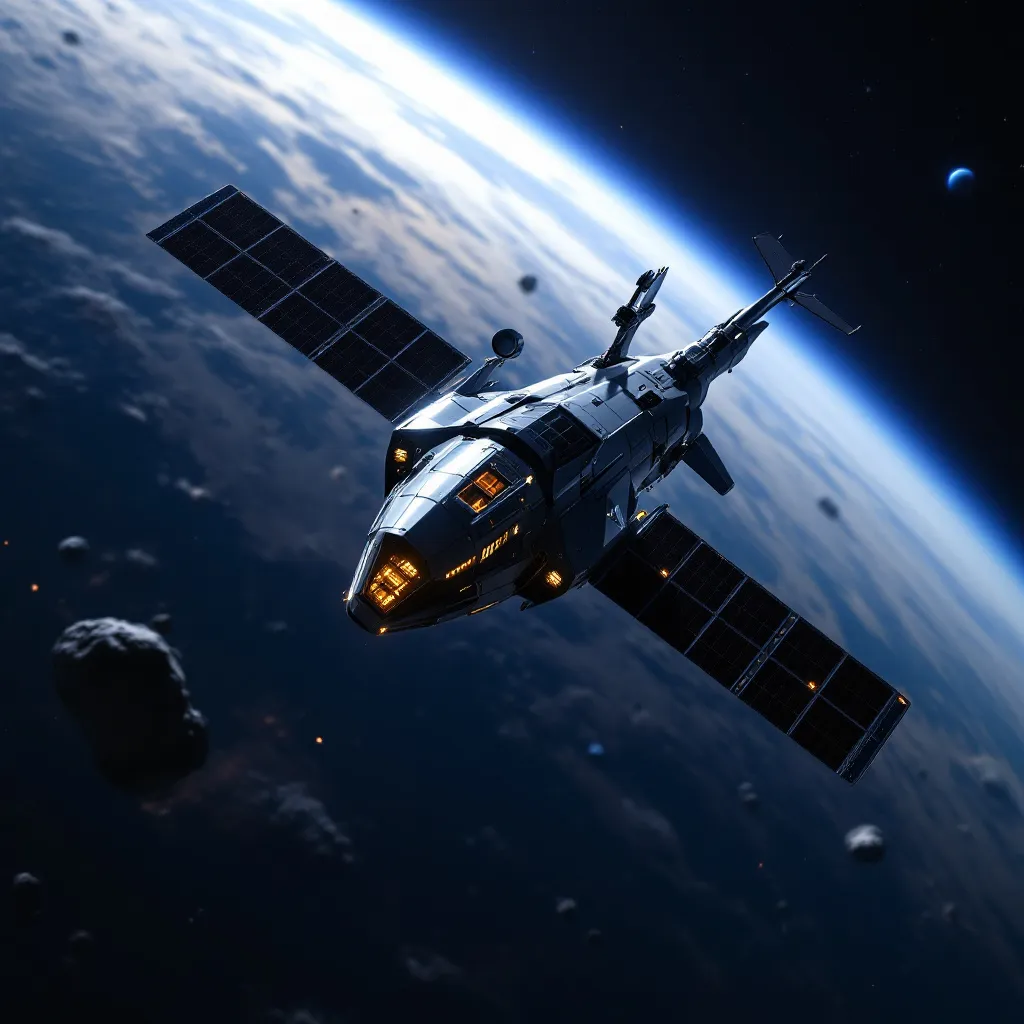
AstroForge Plans 2027 Flight With AI in Control of Spacecraft
AstroForge plans to give its Solo artificial intelligence system control of a spacecraft on its Autonomy-1 mission in early 2027. The asteroid mining company said the vehicle will operate without commands from Earth after launch on the first flight of Stoke Space’s Nova Pathfinder rocket. Before then, AstroForge intends to fly Solo in a monitoring…
-

How space weather events impact launches, orbiting spacecraft, and our future in space
When Blue Origin scrubbed the launch of its NG-2 mission on its New Glenn rocket on Nov. 12, the culprit wasn’t Florida’s notoriously unpredictable thunderstorms or high winds — it was space weather. NASA’s ESCAPADE mission, the primary payload on NG-2, was eventually launched on Nov. 13 and is designed to study how solar storms…
-

NASA, SpaceX launch IMAP and rideshare payloads to study space weather at L1
NASA and SpaceX successfully launched the agency’s Interstellar Mapping and Acceleration Probe (IMAP) from Florida on Wednesday morning. Joining IMAP on its way to Lagrange Point 1 are two additional rideshare payloads: NOAA’s Space Weather Follow On-Lagrange 1 (SWFO-L1) and the joint NASA/University of Illinois Carruthers Geocorona Observatory. Liftoff took place on Wednesday, Sept. 24,…
-
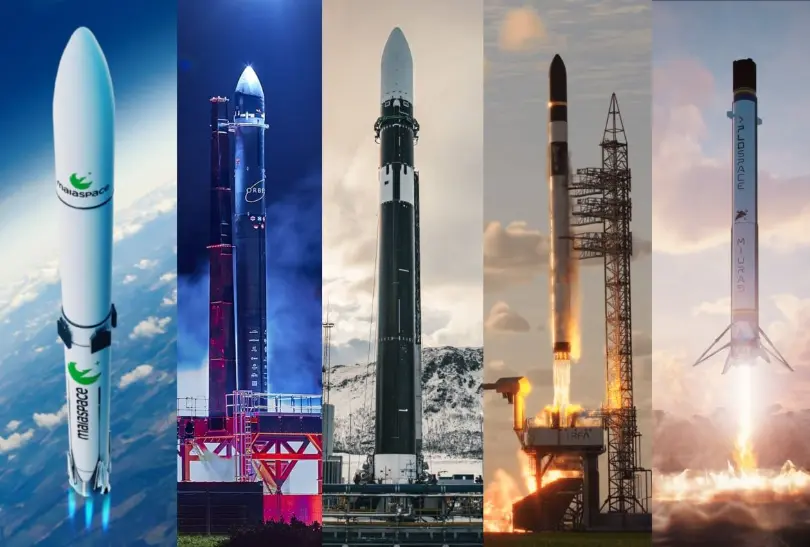
SpaceX, NASA launch TRACERS to study Earth’s magnetic field
SpaceX’s Falcon 9 rocket lifted off from Vandenberg Space Force Base (VSFB) in California, carrying a series of investigative missions and technology demonstrators designed to enable new capabilities and reduce time to launch, with several of them fielded under various NASA programs. NASA’s TRACERS mission and other payloads launched from Space Launch Complex 4 East…
-

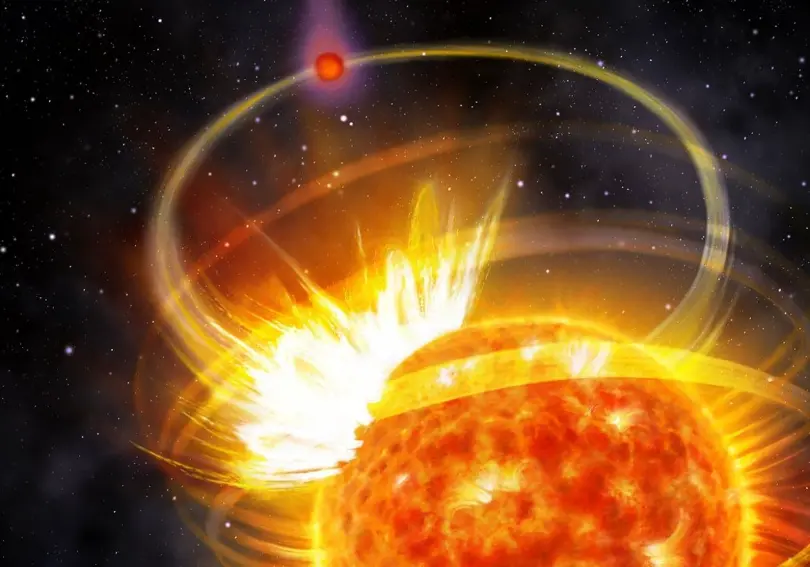
CHEOPS discovers exoplanet triggering explosive flares on host star
Using the European Space Agency’s Characterizing Exoplanets Satellite (CHEOPS) telescope, a team of astronomers has discovered an exoplanet that may be triggering its host star to release massive flares of radiation. These flares are similar to the coronal mass ejection our Sun produces, and the harsh radiation emitted from the flares is slowly blowing away…
-
Parker Solar Probe takes images close to the Sun as primary mission winds down
On Dec. 24, 2024, NASA’s Parker Solar Probe traveled closer to the Sun than any spacecraft had before. During this close approach, or perihelion, the spacecraft’s four instruments observed the Sun’s atmosphere from inside. This week, NASA released images collected by the spacecraft’s Wide-Field Imager for Solar Probe (WISPR) instrument. Since the close approach in…
-
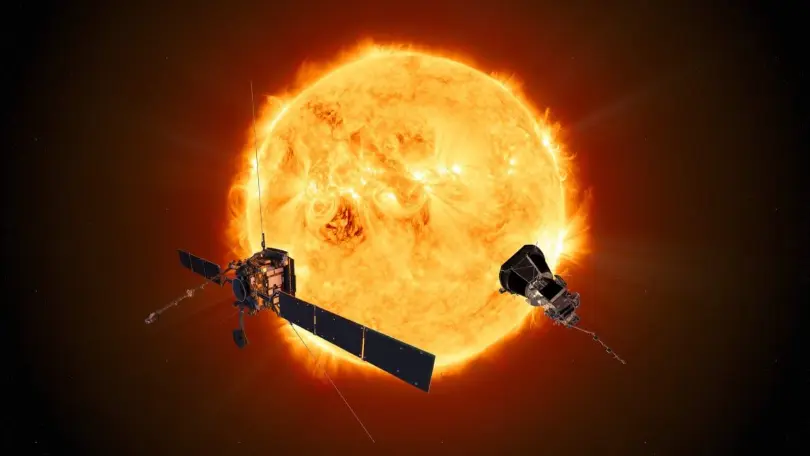
NASA and ESA missions unexpectedly collaborate to reveal what accelerates solar winds
As the solar wind moves away from the Sun, it cools slower than expected and accelerates. Where the energy that powers this phenomenon comes from has long been unknown. NASA’s Parker Solar Probe and the European Space Agency’s (ESA) Solar Orbiter, when they coincidentally lined up to observe the same solar wind stream, provided scientists…
-
Rocket Lab entered “hero mode” to finish Mars probes—now it’s up to Blue Origin
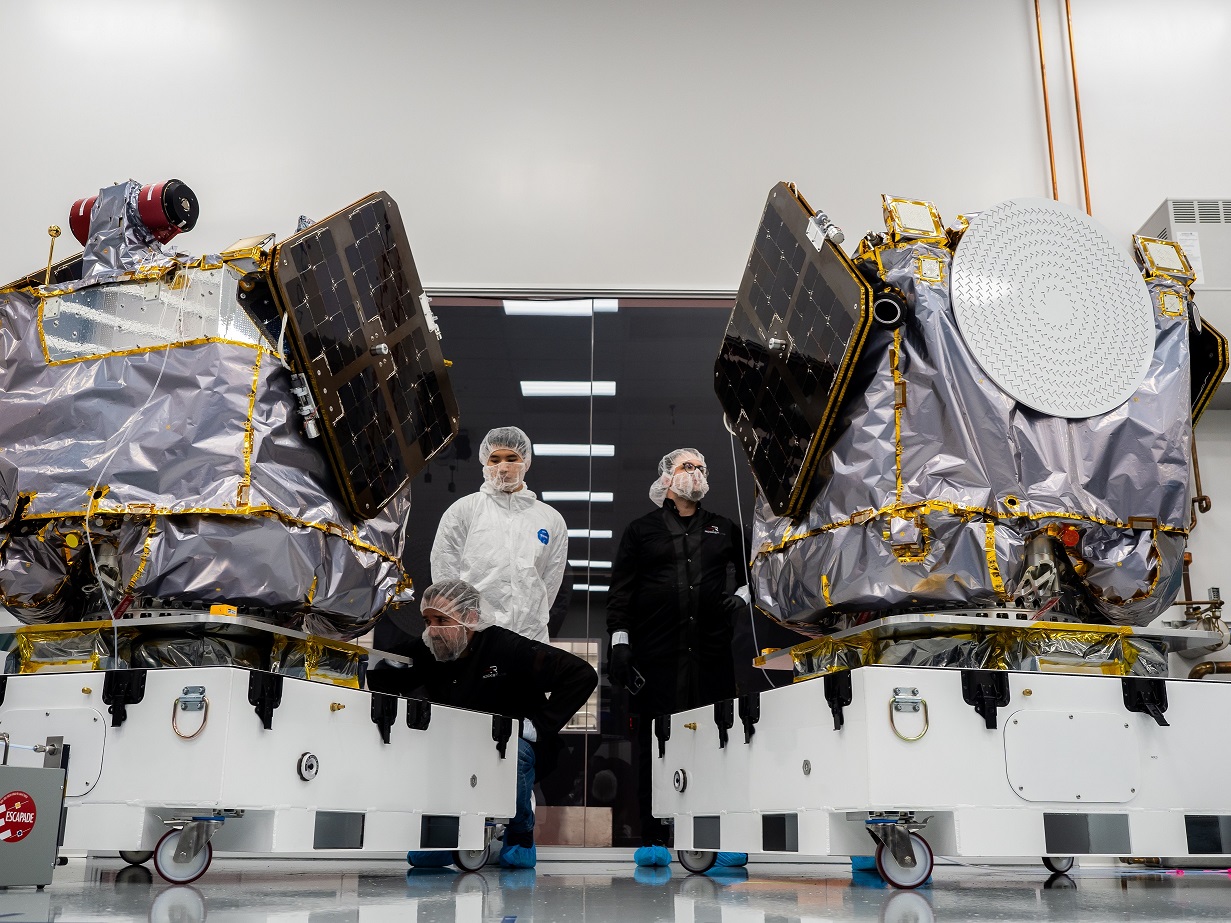
Two NASA spacecraft built by Rocket Lab are on the road from California to Florida this weekend to begin preparations for launch on Blue Origin’s first New Glenn rocket. These two science probes must launch between late September and mid-October to take advantage of a planetary alignment between Earth and Mars that only happens once…
-
Ahead of total solar eclipse, scientists use spacecraft data to predict the Sun’s corona
On April 8, a total solar eclipse will sweep across the continental United States — the first since 2017 and the last until Aug. 12, 2045. During totality, or the moment at which the Moon is completely covering the Sun, the Sun’s outer atmosphere, called the corona, and other prominences become visible to the naked…
-
Scientists discover first long-lasting radio bursts above sunspots
A team of NASA-funded scientists recently discovered long-lasting radio signals above sunspots — regions of the Sun’s surface where the magnetic field is so strong that surface temperatures are reduced and surrounding atmospheric pressure decreases, creating dark spots on the solar surface. The team’s results show the radio signals are emanating from the sunspots in…