
Tag: JAXA
-

Launch Roundup: SpaceX, Rocket Lab, and Firefly set to launch amid busy launch manifest
This week, a busy launch manifest saw SpaceX launch the Crew-10 and two Starlink missions from Florida and the delayed SPHEREx/PUNCH and Transporter 13 missions from California. Outside of the United States, Rocket Lab flew an Electron from New Zealand. A Chang Zhang 8 rocket launched from a new commercial pad in China which also…
-
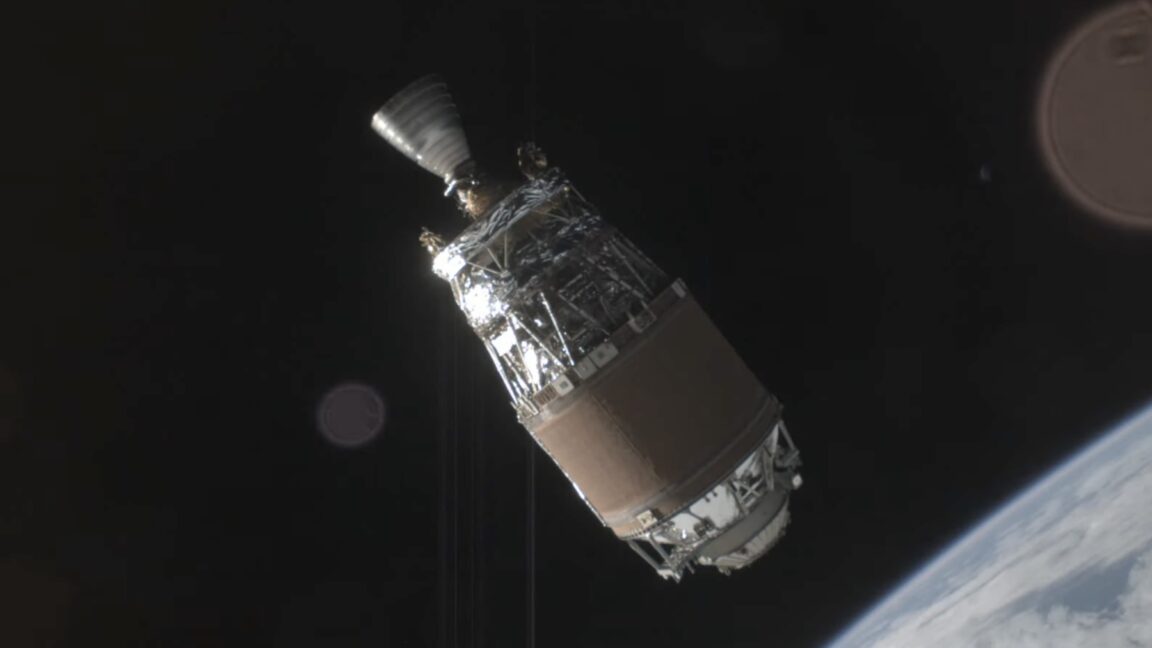
Astroscale aced the world’s first rendezvous with a piece of space junk
There’s a scene in the film Interstellar where Matthew McConaughey’s character flies his spaceplane up to meet a mothership spinning out of control. The protagonist rises to the challenge with a polished piece of piloting and successfully links up with his objective. Real life, of course, isn’t quite this dramatic. Slow down that spin to a…
-

Launch Roundup: New Shepard to simulate lunar gravity, India and Japan launch navigation satellites
This week’s schedule has a mix of orbital and suborbital missions launching from seven different sites around the globe. In addition to launches from the Florida space coast, India and Japan have both launched navigation satellites. Rocket Lab is launching another batch of satellites for its French customer, Kinéis, while SpaceX has launched a next-generation replacement…
-

NASA’s CLPS program accelerates as two landers head for the Moon
As NASA focuses on returning humans to the Moon with Artemis, commercial providers are gearing up to deliver cargo to the lunar surface for NASA and other customers. Over a dozen uncrewed lunar missions are scheduled to be launched in the coming years, and more concepts are being developed globally. Two commercial lunar landers are…
-
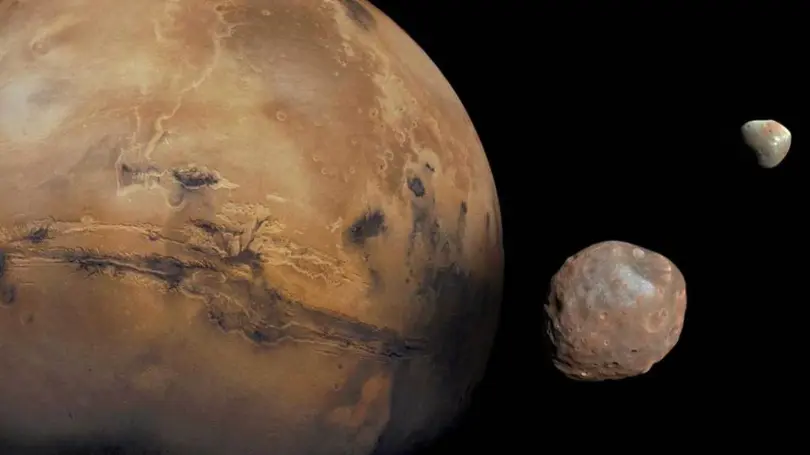
New study provides explanation behind origins of Martian moons Phobos and Deimos
Using supercomputer simulations, a team of NASA scientists recently modeled the destruction of an asteroid around Mars to investigate the possible origins of Mars’ two, mysterious moons — Phobos and Deimos. Since their discovery in 1877 and subsequent investigations by telescopes and Martian spacecraft, scientists have pondered how the two moons came to be, and…
-
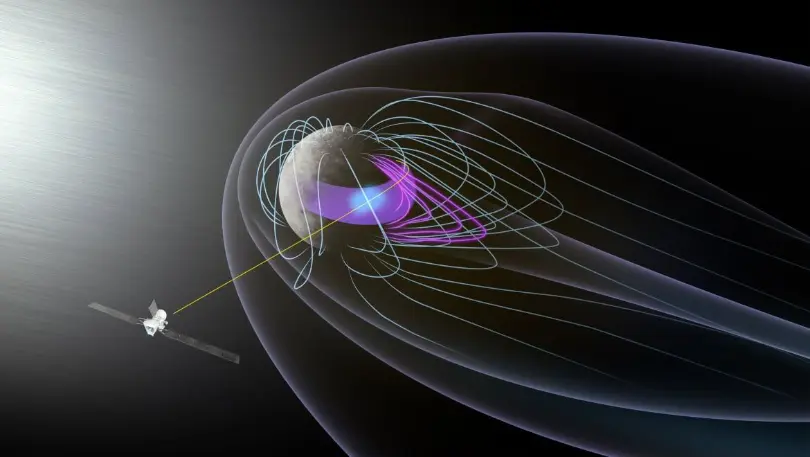
Scientists use data from BepiColombo flyby to discover features within Mercury’s magnetosphere
In June 2023, the joint European Space Agency (ESA) and Japanese Aerospace Exploration Agency (JAXA) BepiColombo mission performed a flyby of its target planet — Mercury. During the flyby, the spacecraft experienced a variety of phenomena mainly caused by the planet’s magnetic field. BepiColombo measured these phenomena, providing scientists with a preview of Mercury’s magnetic…
-
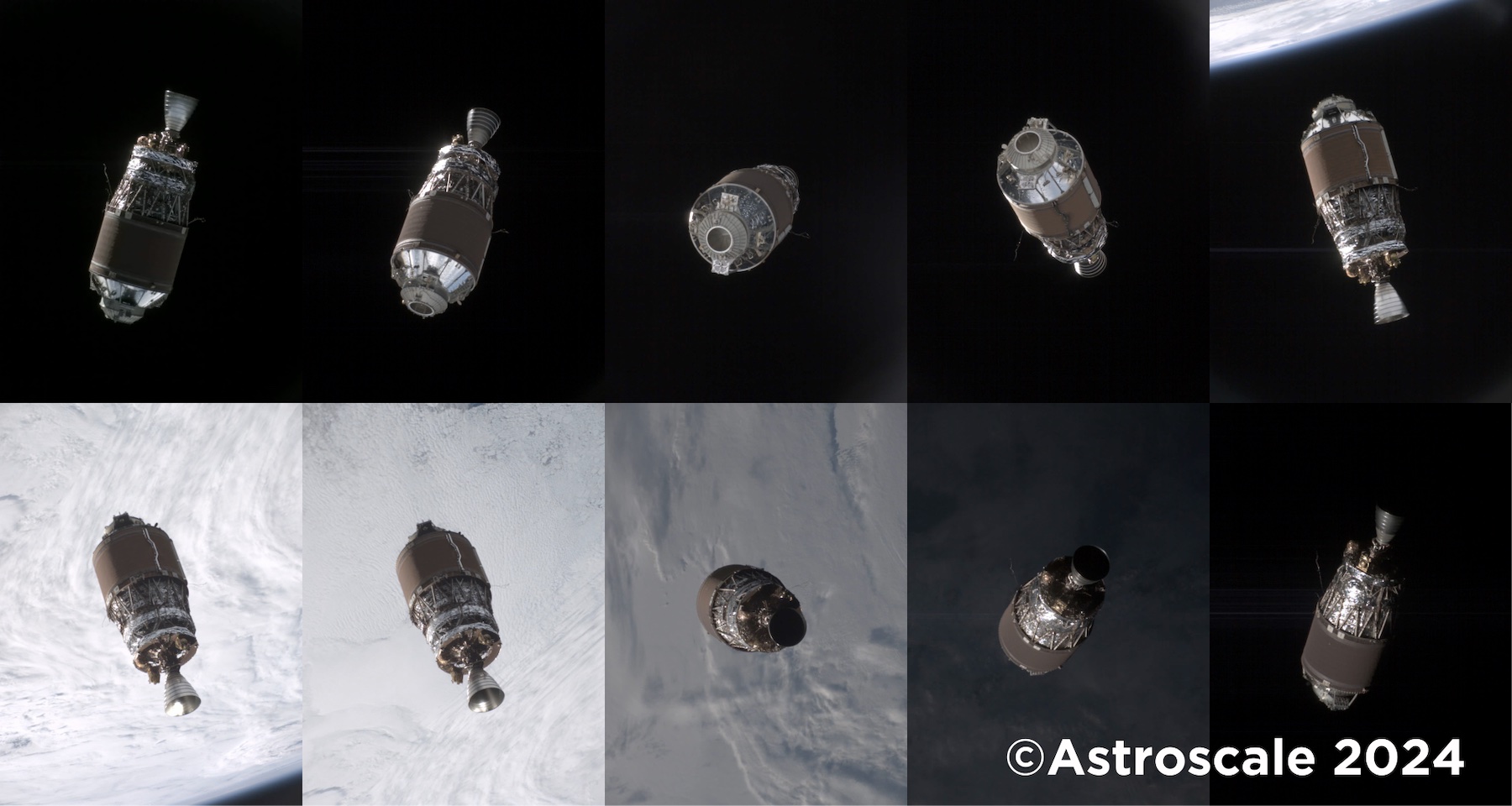
There are 2,000-plus dead rockets in orbit—here’s a rare view of one
There are more than 2,000 mostly intact dead rockets circling the Earth, but until this year, no one ever launched a satellite to go see what one looked like after many years of tumbling around the planet. In February, a Japanese company named Astroscale sent a small satellite into low-Earth orbit on top of a…
-
There are 2,000-plus dead rockets in orbit—here’s a rare view of one
There are more than 2,000 mostly intact dead rockets circling the Earth, but until this year, no one ever launched a satellite to go see what one looked like after many years of tumbling around the planet. In February, a Japanese company named Astroscale sent a small satellite into low-Earth orbit on top of a…
-
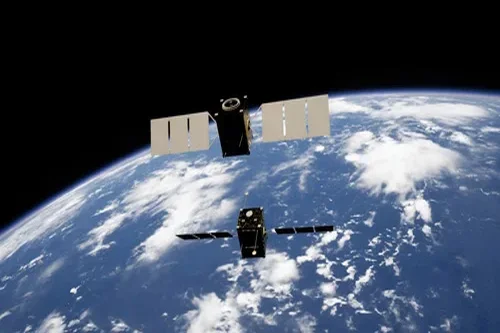
Falcon 9’s return to flight reminds spaceflight industry of past anomalies
Nearly every rocket that has flown has had an anomaly. With thousands of components that all need to work in perfect harmony to have a successful mission, there is likely to be one component that is unable to perform every once in a while. While witnessing an anomaly in spaceflight is not as improbable as…
-
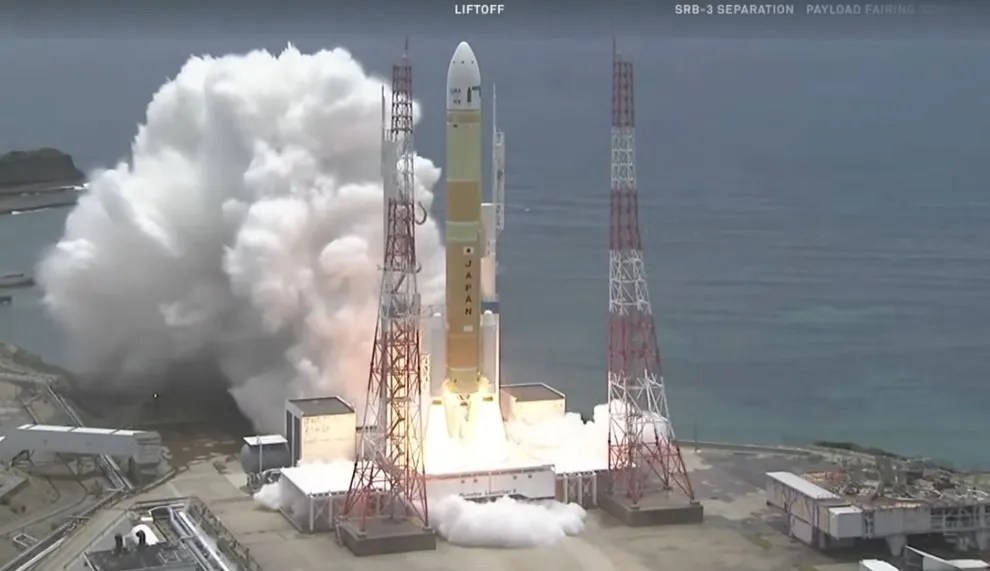
Japan’s H3 Rocket Successfully Launches Earth Observation Satellite, ALOS-4
Japan’s H3 rocket achieved a milestone on Sunday with the successful launch of the Advanced Land Observing Satellite-4 (ALOS-4), marking its third flight from the Tanegashima Space Center. The H3 rocket, launched at 0306 UTC on July 1, carried the ALOS-4, also known as DAICHI-4, which separated approximately 16 minutes and 34 seconds after liftoff,…