
Tag: JAXA
-
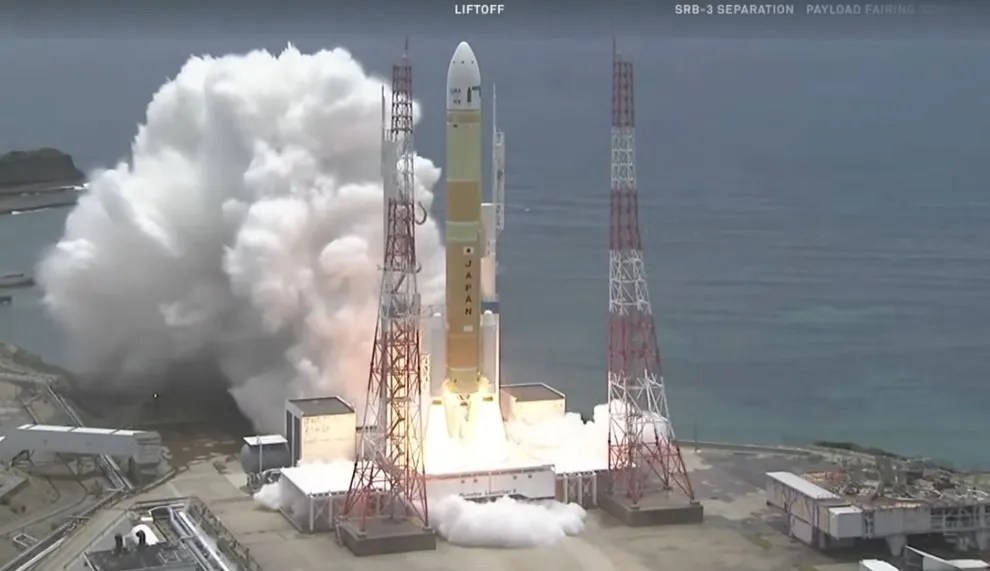
Japan’s H3 Rocket Successfully Launches Earth Observation Satellite, ALOS-4
Japan’s H3 rocket achieved a milestone on Sunday with the successful launch of the Advanced Land Observing Satellite-4 (ALOS-4), marking its third flight from the Tanegashima Space Center. The H3 rocket, launched at 0306 UTC on July 1, carried the ALOS-4, also known as DAICHI-4, which separated approximately 16 minutes and 34 seconds after liftoff,…
-
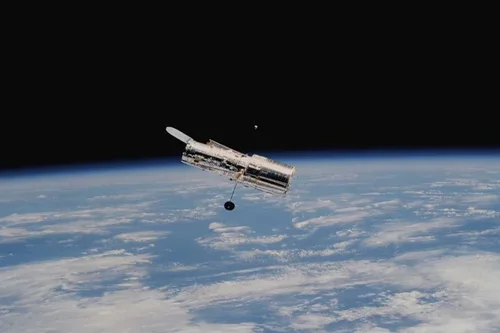
Launch Roundup: Falcon Heavy returns with GOES-U, Firefly Alpha launch attempt
Following a week in which Tropical Storm Alberto brought high seas, wind, and rain-related delays to the launch schedule in Florida, SpaceX managed to get back on track this week with launches from all three of the active Falcon launch pads, including a Falcon Heavy. Toward the end of the week, the Japanese Aerospace and…
-

SpaceX has launched the EarthCARE climate research satellite for ESA and JAXA
The joint European-Japanese EarthCARE satellite has begun its mission to improve our understanding of Earth’s climate Tuesday, with a launch atop a SpaceX Falcon 9 rocket. Liftoff from Space Launch Complex 4E (SLC-4E) at Vandenberg Space Force Base in California happened at 3:20 PM Pacific Time (22:20 UTC). The Earth Cloud, Aerosol and Radiation Explorer…
-

SpaceX launches ESA’s EarthCARE on a Falcon 9 launch from Vandenberg Space Force Base
The European Space Agency’s EarthCARE satellites is deployed from a SpaceX Falcon 9 rocket following its launch from Vandenberg Space Force Base on May 28, 2024. Image: SpaceX The European Space Agency launched its latest Earth observing satellite, designed to better understand the climate. The Earth Cloud Aerosol and Radiation Explorer (EarthCARE) has four instruments…
-

Hayabusa2 samples reveal the effects of space weathering on asteroid Ryugu
Using samples collected by Japan Aerospace Exploration Agency’s (JAXA) asteroid explorer Hayabusa2, scientists have found the effects of micrometeoroid bombardments on asteroid 162173 Ryugu. The team used a technique called electron holography to study the sample’s magnetic properties, to learn about the magnetic field in the early solar system, and how space weathering affected the…
-

Crew-7 returns home following six-month stay at the International Space Station
A view of the Crew Dragon Endurance as it prepared to undock from the International Space Station following 197 days at the orbiting outpost. Image: NASA Update: Dragon Endurance returned to Earth Tuesday, splashing down off the coast of Florida near Pensacola at 5:47 a.m. EDT (0947 UTC). A journey of more than half a…
-

ADRAS-J mission takes methodical first steps toward the commercial removal of space debris
The recent increase in launches to meet growing demands for communications and observation satellites is adding more and more spacecraft to orbit every year. This is especially true in the more congested low-Earth orbit (LEO). With a sharp focus on making space safe and sustainable for the current as well as future generations, organizations such…
-
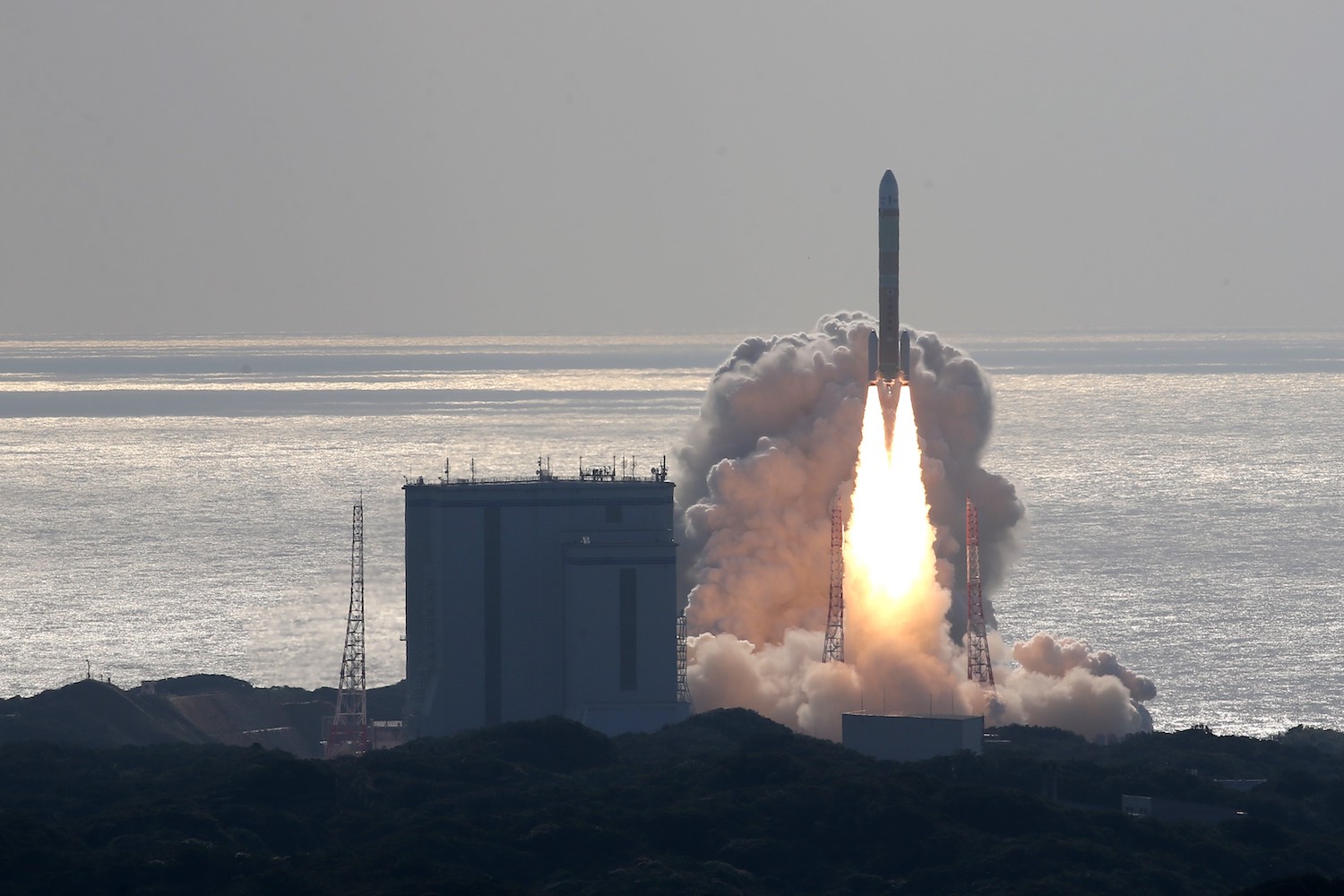
Japan’s new H3 rocket proved it works, but will it catch on anywhere else?
Japan’s new H3 rocket took off Friday on its second test flight; its success is an important milestone for the launch vehicle poised to power nearly all of the Japanese space program’s missions into orbit over the next decade. The 187-foot-tall (57-meter) H3 rocket lifted off from the Tanegashima Space Center in southwestern Japan at…
-

JAXA reaches orbit on the second launch of H3
Japan’s H3 rocket made a second attempt to reach orbit on Saturday, 11 months after it failed during its maiden flight. The rocket successfully sent a mass simulator and two small satellites to the same 669-kilometer Sun-synchronous orbit it targeted on the previous mission. Liftoff commenced at 00:22 UTC (9:22 AM local time) from Launch…
-

IDEFIX Phobos rover sent to Japan ahead of mission to Mars
The Martian Moons eXploration (MMX) mission is JAXA’s lead mission that plans to survey and explore Mars’ two moons, Phobos and Deimos. While the Japanese agency will build the main payload, the German Space Agency (DLR) and the National Centre for Space Studies (CNES) will contribute to the mission. “IDEFIX,” a small secondary payload, will…