
Tag: Low Earth Orbit
-
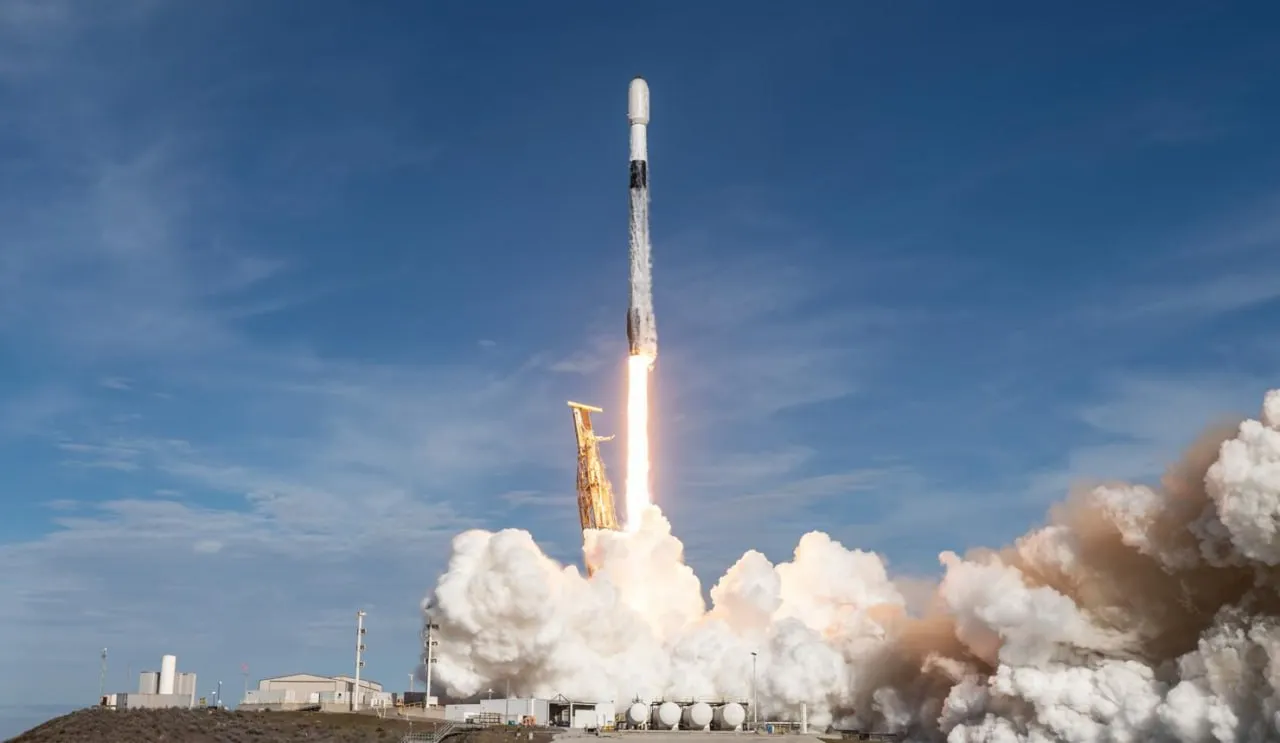
SpaceX Clears Florida Launch Capacity for Starship by Moving Falcon 9 Starlink Missions West
SpaceX has consolidated its remaining Falcon 9 Starlink launches at Vandenberg Space Force Base in California, ending the constellation’s Falcon 9 campaign from Florida as it prepares the Space Coast for Starship-Super Heavy operations. The operational shift removes a large volume of routine Starlink missions from SpaceX’s Florida schedule, freeing launch infrastructure, personnel and range…
-
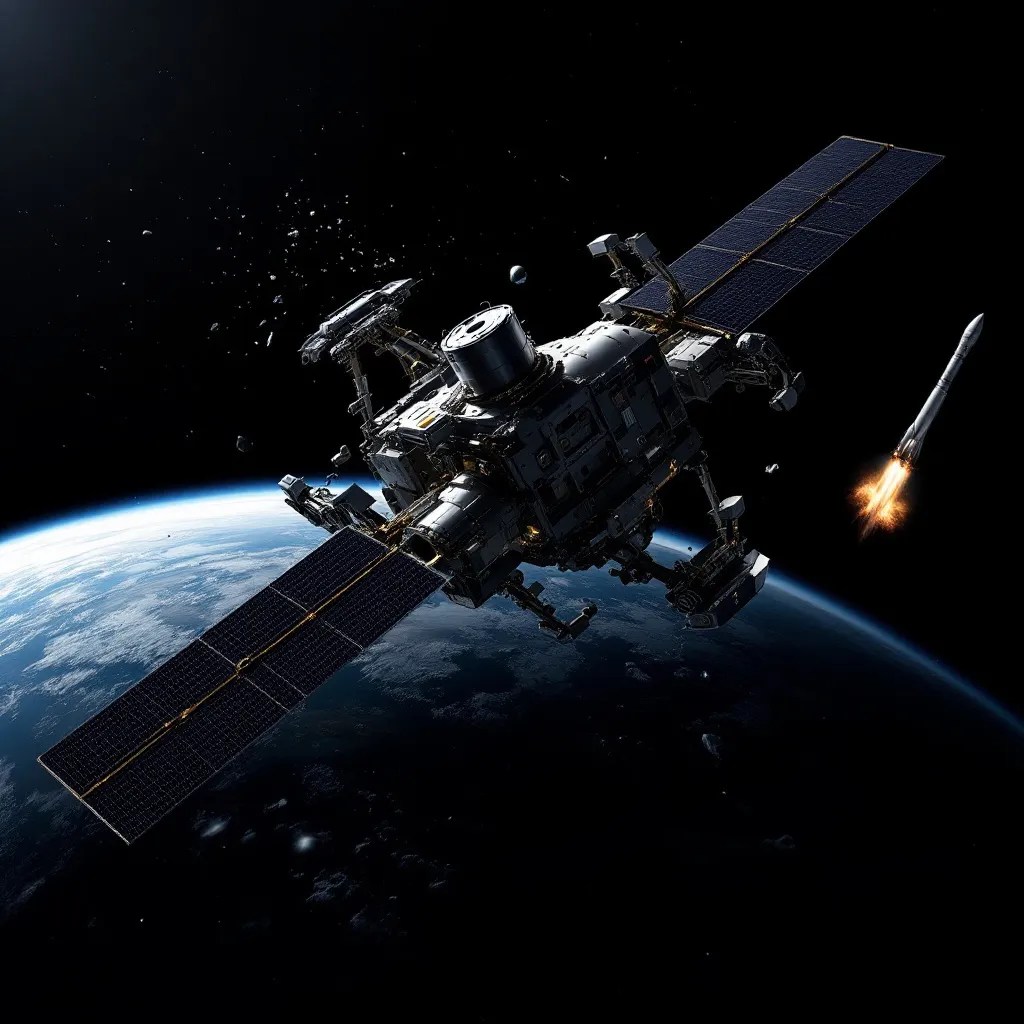
Isar Aerospace to Launch Astroscale’s ADRAS-J2 Mission to Capture and Remove Three-Ton Space Debris
Astroscale Japan has selected Isar Aerospace to launch ADRAS-J2, a robotic spacecraft designed to capture and deorbit a three-ton abandoned rocket stage. The mission is intended to become the first to remove an existing large piece of orbital debris that was not designed for servicing or retrieval. The companies announced the launch agreement on September…
-
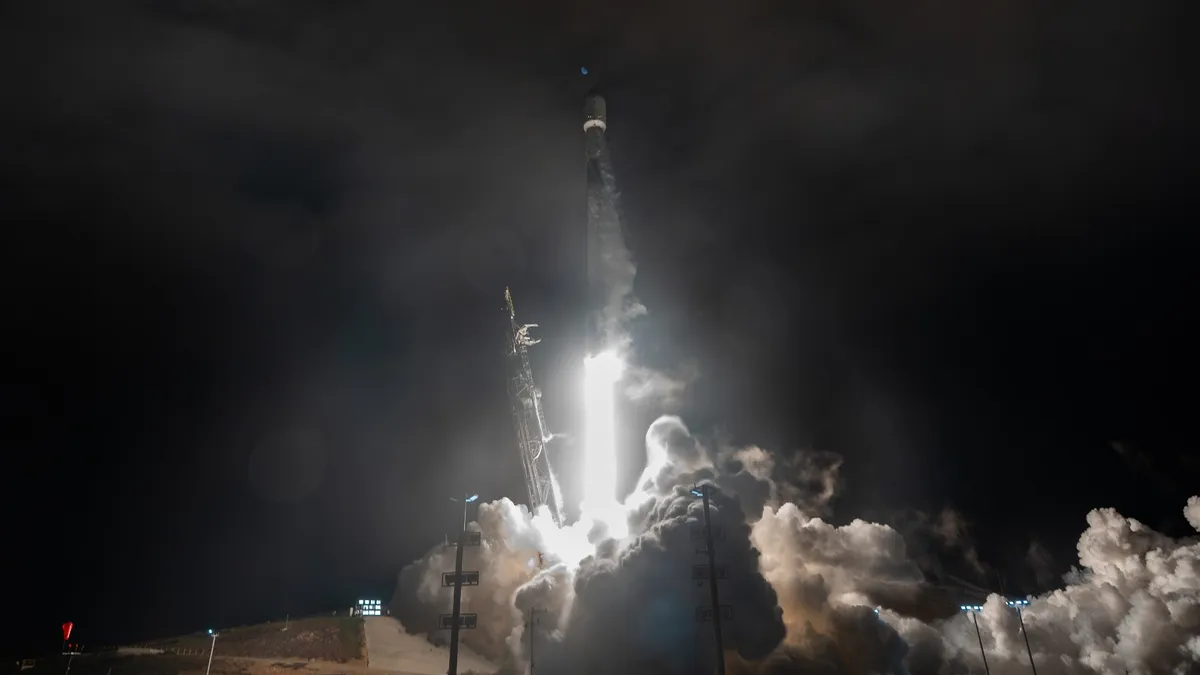
SpaceX Launches 27 Starlink Satellites as Falcon 9 Booster Completes 35th Flight (Video)
A SpaceX Falcon 9 launched 27 Starlink satellites from Space Launch Complex 4 East (SLC-4E) at Vandenberg Space Force Base in California on Sept. 2, 2026 at 1:42 a.m. PT (4:42 a.m. ET). Credit: SpaceX SpaceX launched 27 Starlink broadband satellites from California on September 2, extending the company’s low Earth orbit communications network while…
-
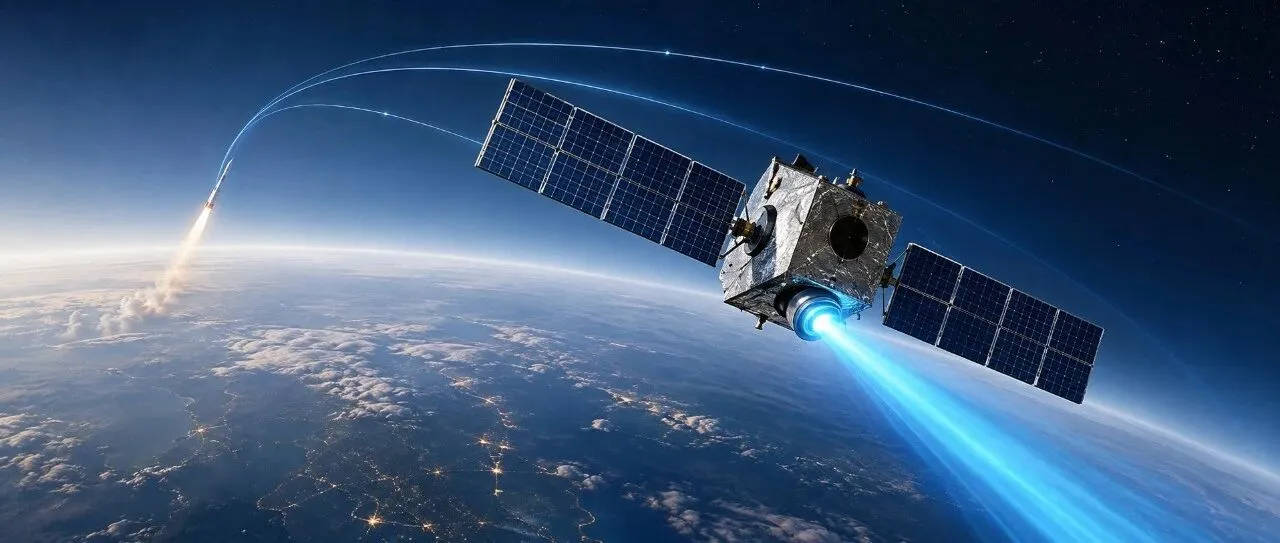
After the Rocket: How Electric Propulsion Moves Satellites
A successful rocket launch is followed by satellite separation. At this point, many people assume the mission is essentially complete: the rocket has delivered the satellite into space, and the satellite only needs to power on and begin operations. However, for many low Earth orbit (LEO) constellation missions, the orbit delivered by the rocket is…
-

Why Are Satellites “Oxidized” in Near Vacuum? How Aggressive Is Atomic Oxygen and How Can It Be Prevented?
A satellite entering low Earth orbit (LEO) may lead people to assume that there is almost no atmosphere outside, so how could oxygen still exist? However, for spacecraft operating in LEO, oxygen is not only present but can become one of the most challenging environmental factors for materials. It can gradually thin polyimide films, create…
-
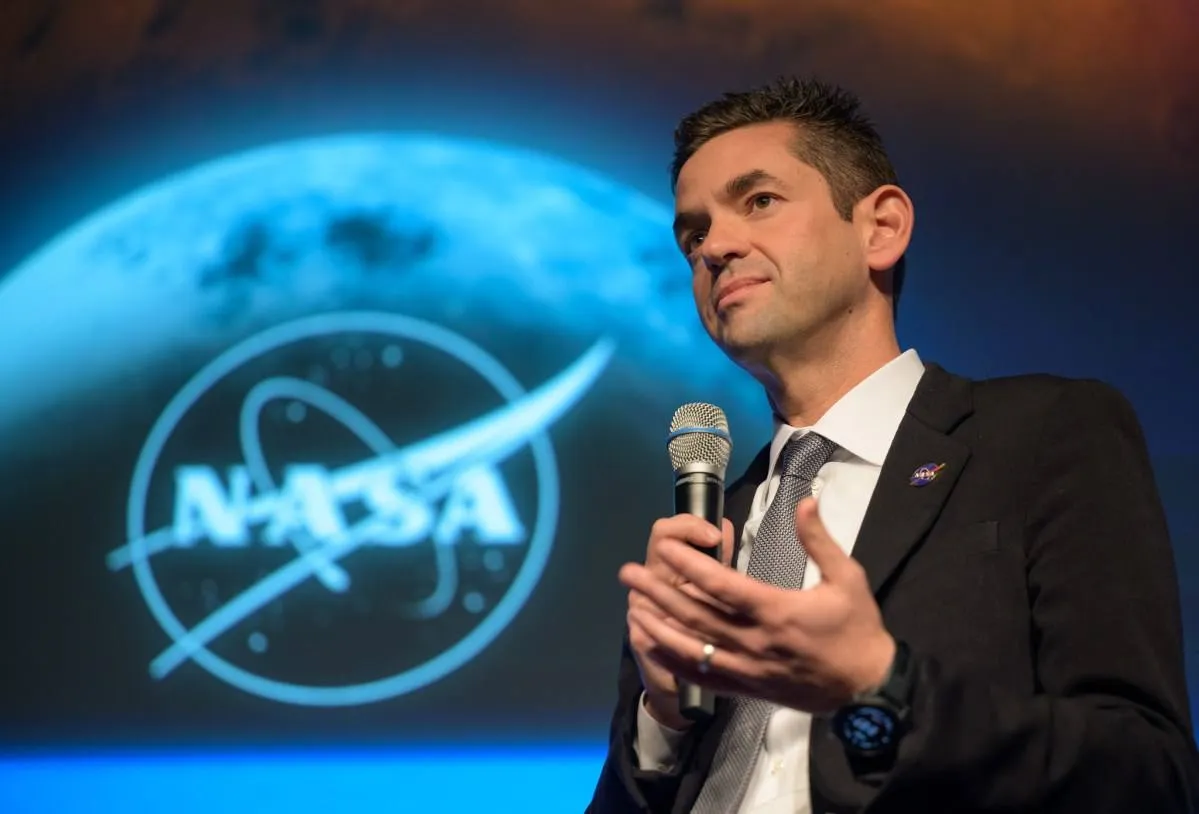
NASA Chief Floats Orbital Data Centers as AI Infrastructure Push Extends Into Space
NASA Administrator Jared Isaacman has publicly endorsed the idea of placing data centers in orbit, arguing that space-based computing infrastructure could eventually address growing concerns over the energy consumption, land use, and local opposition associated with terrestrial AI facilities. Speaking on a recent podcast appearance, Isaacman suggested that future data centers could take advantage of…
-
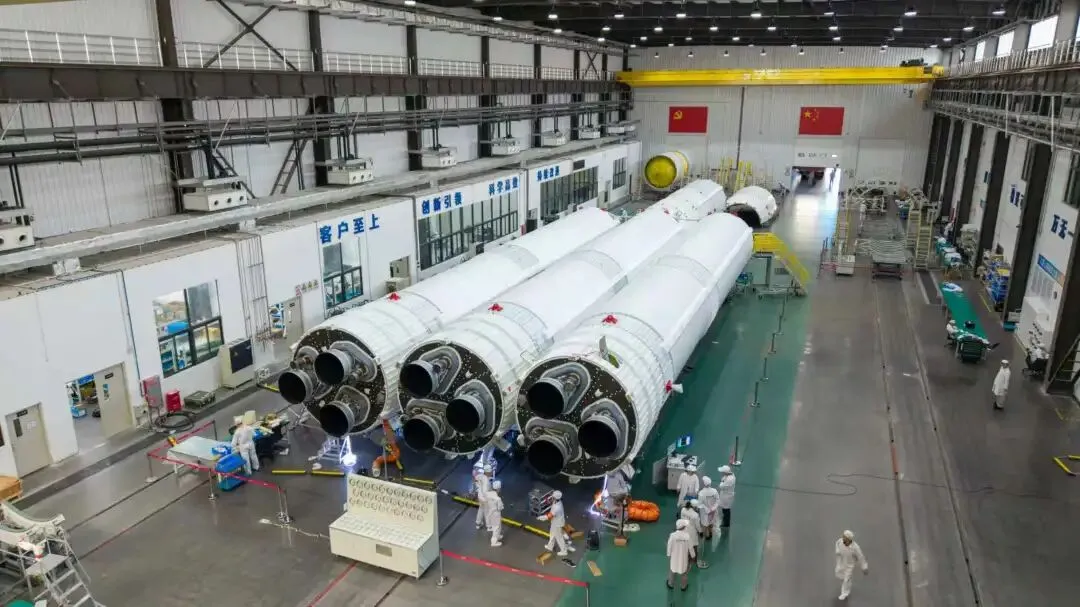
Kinetica-2 Y2 Completes Factory Acceptance for 18-Satellite Mission Supporting China’s LEO Constellation Buildout
China’s commercial launch provider CAS Space has completed factory acceptance activities for the second Kinetica-2 rocket, clearing the vehicle for shipment to the launch site ahead of a planned October launch. The company said Aug. 25 that Kinetica-2 Y2 had completed all pre-delivery work, with its functional and performance indicators meeting the requirements of the…
-

Starlink Ephemeris Data Enable First Real-World Tomographic Map of Thermospheric Density
Researchers at Kyoto University have demonstrated a new way to observe Earth’s upper atmosphere by transforming publicly available Starlink orbital data into the first tomographic map of thermospheric density derived from real satellite measurements rather than simulations. The study, published in *Earth, Planets and Space*, used orbital ephemeris data from approximately 1,200 Starlink satellites operating…
-

China’s Race for Orbit and Spectrum: Hainan’s New Factory Targets 1,000 Satellites a Year
The successful recovery of Zhuque-3 was celebrated across China. From state-owned aerospace organizations to private companies, China’s commercial space sector has achieved a historic breakthrough in rocket recovery technology. Yet while everyone was looking up at the sky, another, less visible part of China’s space strategy was quietly taking shape. June 2026, Wenchang, Hainan Province.…
-
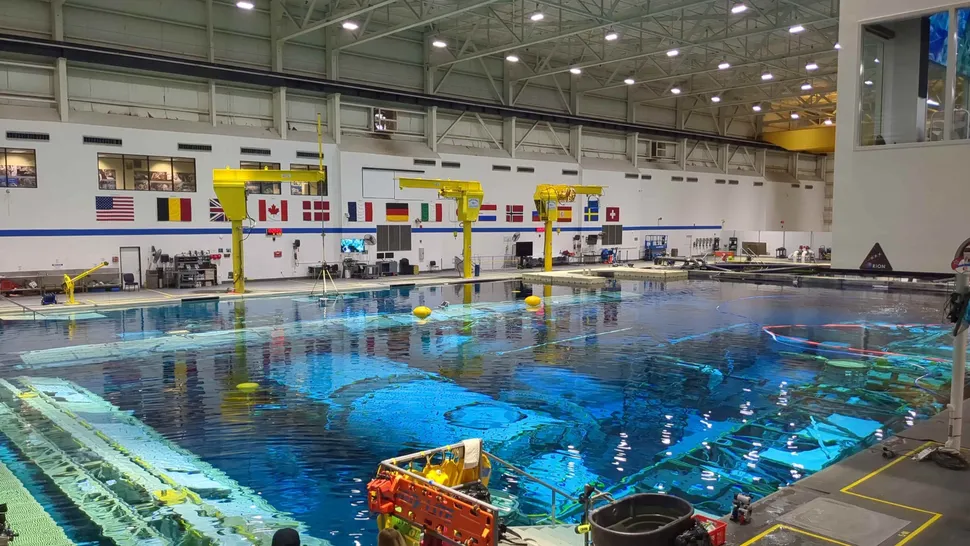
NASA’s Astronaut Training Hub Prepares for the Post-ISS Era as Commercial Space Stations Near Reality
NASA’s Johnson Space Center (JSC) in Houston has long served as the nerve center of American human spaceflight, training astronauts for programs ranging from Gemini and Apollo to the Space Shuttle and the International Space Station (ISS). Now, as NASA and its industry partners prepare for the eventual retirement of the ISS around 2030, the…