Amazon has asked U.S. regulators for more time to deploy its low Earth orbit broadband satellite constellation, saying it has been harder than expected to secure sufficient launch capacity despite multibillion-dollar investments.
In a filing submitted on Monday, Amazon requested that the Federal Communications Commission extend the deadline to deploy half of its planned 3,232 satellites to July 30, 2028, from the current deadline of July 30, 2026. The FCC originally approved the project—then known as Project Kuiper—in 2020.
Amazon said it has invested more than $10 billion in what it now refers to as its Amazon LEO constellation and has reserved more than 100 launches to place the satellites into orbit. However, the company acknowledged it will miss the original halfway deployment milestone.
“Despite a historic reserve of launch capacity and deep investments in launch infrastructure, Amazon LEO has faced a shortage in the near-term availability of launches,” the company said in the filing. It cited manufacturing disruptions, the failure and grounding of new launch vehicles, and spaceport capacity constraints.
As a result of the launch bottleneck, Amazon said it has slowed production at its satellite manufacturing facility in Kirkland, Washington. The company said the facility is capable of producing about 30 satellites per week but that production has been adjusted to align with delayed launch schedules.
Amazon also pointed to technical setbacks. A prototype satellite mission launched in 2023 validated the system’s overall design but led to “unexpected re-engineering” to improve performance and reliability, delaying full-scale manufacturing by about nine months, according to the filing.
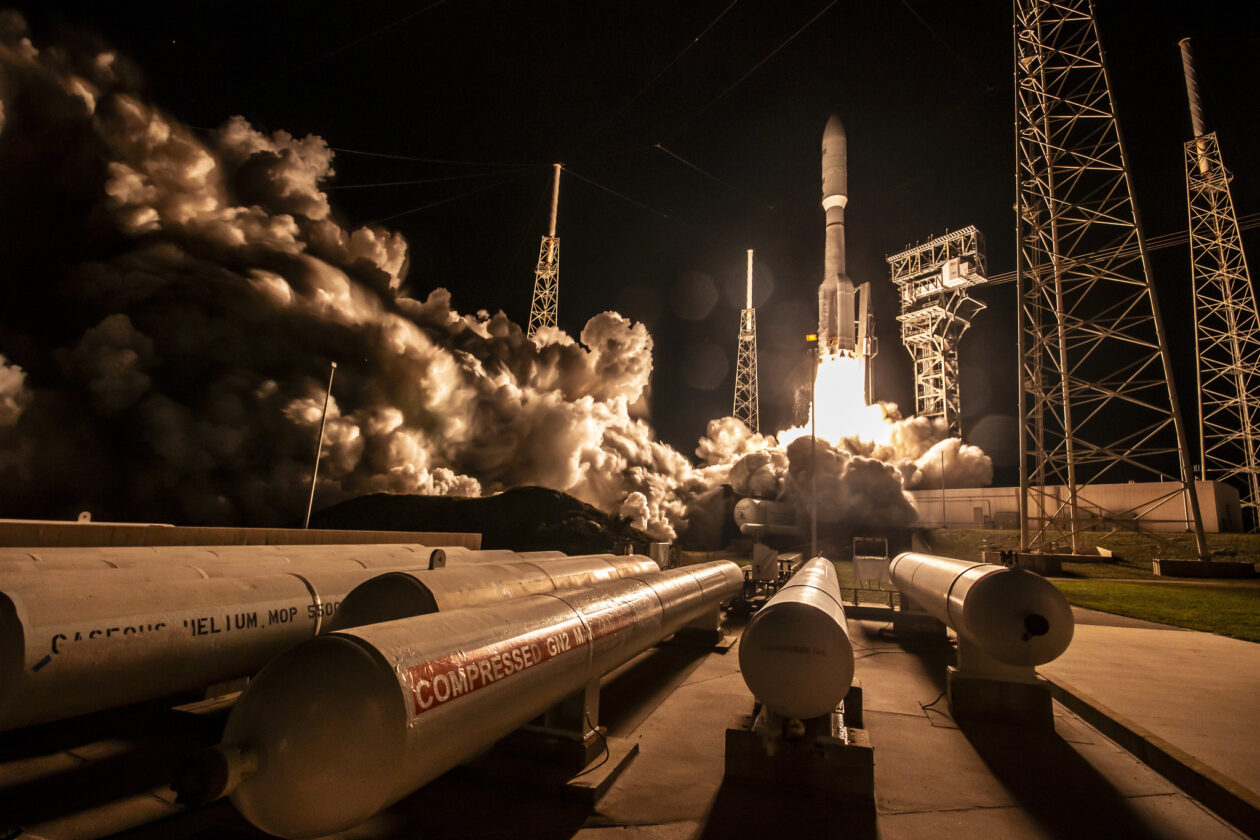
To date, Amazon has launched 180 production-grade satellites, using four United Launch Alliance Atlas V rockets and three SpaceX Falcon 9 missions. The company said initial heavy-lift launches on ULA’s Vulcan rocket and Europe’s Ariane 6 are expected in the coming months. Amazon has also booked more than two dozen launches on Blue Origin’s New Glenn rocket and confirmed it has reserved an additional 10 Falcon 9 launches.
By the end of July this year, Amazon expects to have about 700 satellites in orbit. The company said it also anticipates broader availability of customer terminals for enterprise and government users, positioning it to expand service in the United States and internationally.
Amazon said it remains confident it can meet the FCC’s final deadline to deploy all 3,232 satellites by mid-2029. As an alternative, the company suggested the regulator could waive the interim halfway-point requirement.
The request comes as competition in satellite broadband intensifies. SpaceX’s Starlink currently dominates the market, with more than 9,000 satellites in orbit and over 9 million subscribers. Last week, Blue Origin said it was developing a high-speed satellite data network called TeraWave.