
Tag: United States
-

From Sending Data to Delivering Answers: How AI Lets Satellites Process Observations in Orbit
A wildfire breaks out, and a satellite hundreds of kilometers above Earth captures a clear view of the blaze. Under the conventional workflow, the imagery must wait for a ground-station contact window, be downloaded and processed at a data center, and finally reach the incident commander. That process can take days. By then, the fire…
-

Two Paths to Reliable Space Computing
One approach relies on BAE Systems’ RAD750 family: expensive radiation-hardened processors with a long record of service on deep-space missions. The other uses commercial processors backed by redundant computers and fault-tolerant software, as demonstrated by SpaceX. The question is not simply which technology is more advanced. These approaches reflect two different ways of paying for…
-

What Unusual Ideas Have Engineers Proposed to Recover Rockets?
Engineers have long wanted to make space launches less expensive. Half a century ago, however, cost was rarely the first priority of a major space program. Completing the mission mattered more. Recovering and reusing rockets is now a key way to reduce launch costs, but engineers were considering the idea even before the Apollo program.…
-
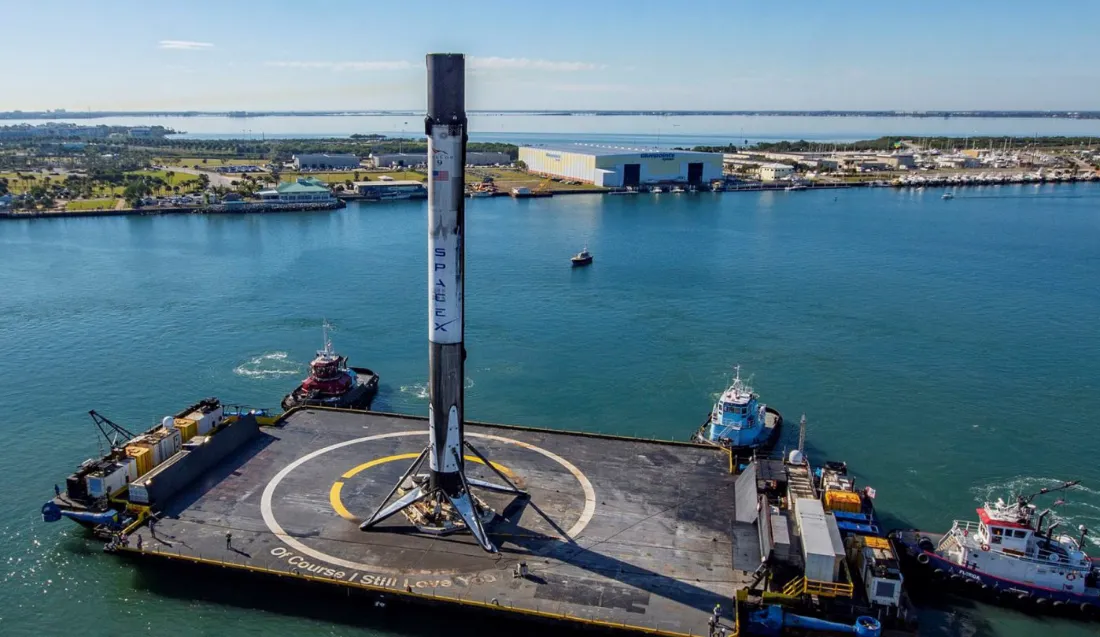
From Recovery Milestones to Routine Reuse: What Falcon 9 Can Teach China’s Reusable Rocket Industry
As the launch industry demands lower costs, higher flight rates and greater scale, reusability is making rockets function more like transportation systems. SpaceX’s Falcon 9 was the first reusable orbital rocket to enter commercial service. Its combination of relatively low costs, frequent launches, large scale and strong reliability has made it a mainstay of the…
-

Elon Musk Says Starlink Could Carry Most Global Internet Traffic Within a Decade
SpaceX Chief Executive Elon Musk said on September 23, 2026, that Starlink could carry the majority of global internet traffic within ten years, an ambitious forecast tied to the deployment of higher-capacity Starlink V3 satellites and proposed Starmind spacecraft combining broadband connectivity with orbital computing. The projection would represent a fundamental change in internet infrastructure.…
-
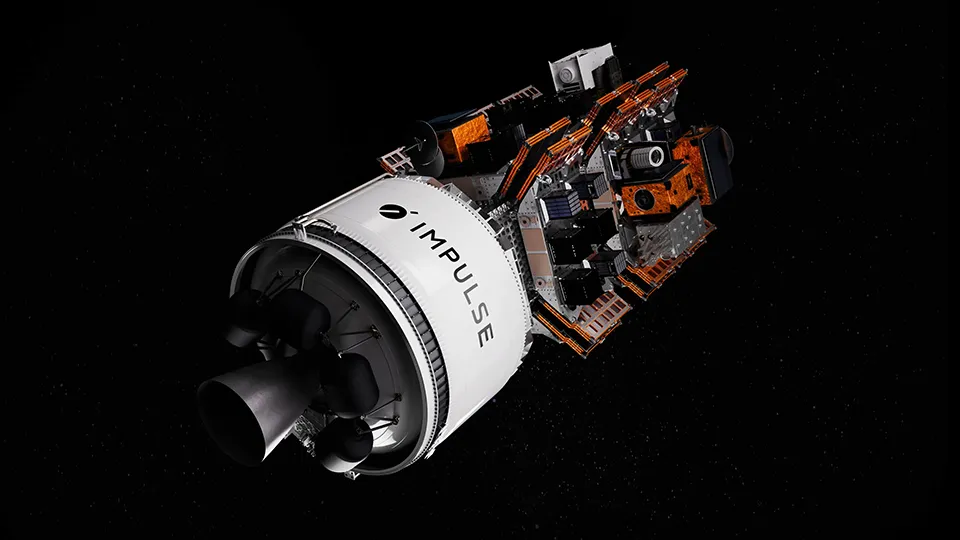
Impulse Space Wins $28 Million Space Force Contract for LEO-Based GEO Surveillance Mission
Impulse Space has received a $28 million U.S. Space Force contract to provide a maneuverable Mira spacecraft for a space domain awareness mission scheduled to launch no earlier than 2029. The spacecraft will operate in low Earth orbit while carrying an optical sensor designed to track and characterize objects in geostationary orbit. A government-provided launch…
-
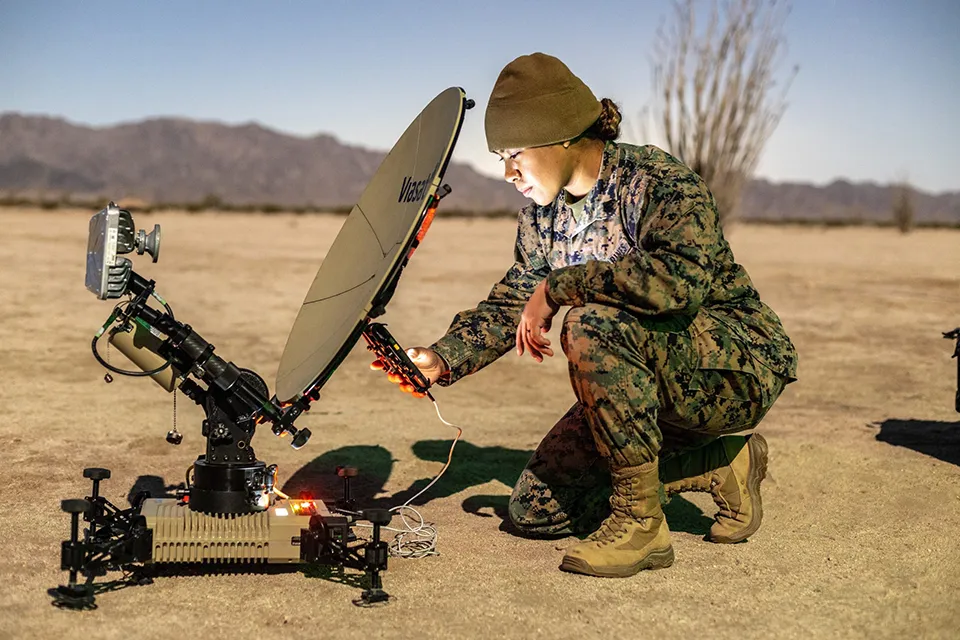
Viasat Wins First $42 Million Order Under $307 Million Marine Corps SATCOM Contract
Viasat has received an initial $42 million task order to provide fully managed global satellite communications to the U.S. Marine Corps under a seven-year contract with a ceiling of $307 million. The U.S. Space Force Commercial Satellite Communications Office awarded the Marine Enterprise Commercial Satcom Satellite Services contract, known as MECS2, through Viasat subsidiary Inmarsat…
-

Beyond Reach Labs Opens Brooklyn Facility to Scale Flarewing Solar Arrays
Beyond Reach Labs is opening a 16,000-square-foot manufacturing and testing facility at Brooklyn’s Industry City complex in New York on September 24, establishing dedicated production capacity for its Flarewing deployable solar array. The system is designed to provide high-density electrical power for commercial space stations, orbital computing platforms and direct-to-device satellite networks. Founded by former…
-
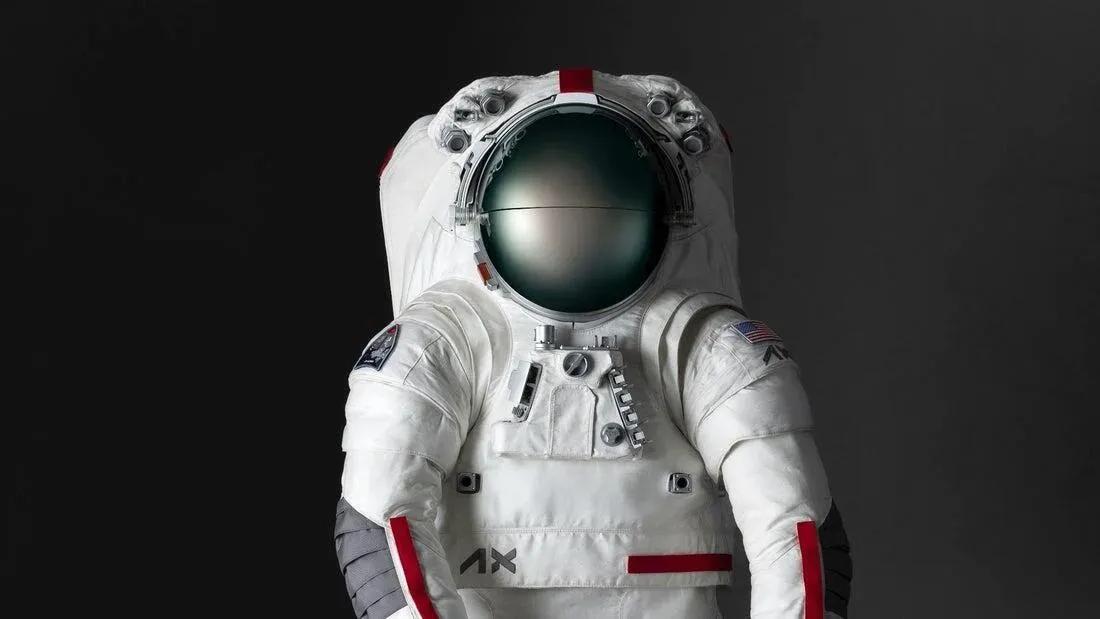
NASA Simplifies Axiom Lunar Suit to Keep 2028 Artemis Landing on Schedule
NASA is developing a simplified version of Axiom Space’s lunar spacesuit to reduce schedule risk ahead of the first Artemis crewed landing, now planned for early 2028. Reportedly known internally as the “sortie suit,” the configuration would remove or defer some of the mass, complexity and long-duration capabilities included in the original Axiom Extravehicular Mobility…
-
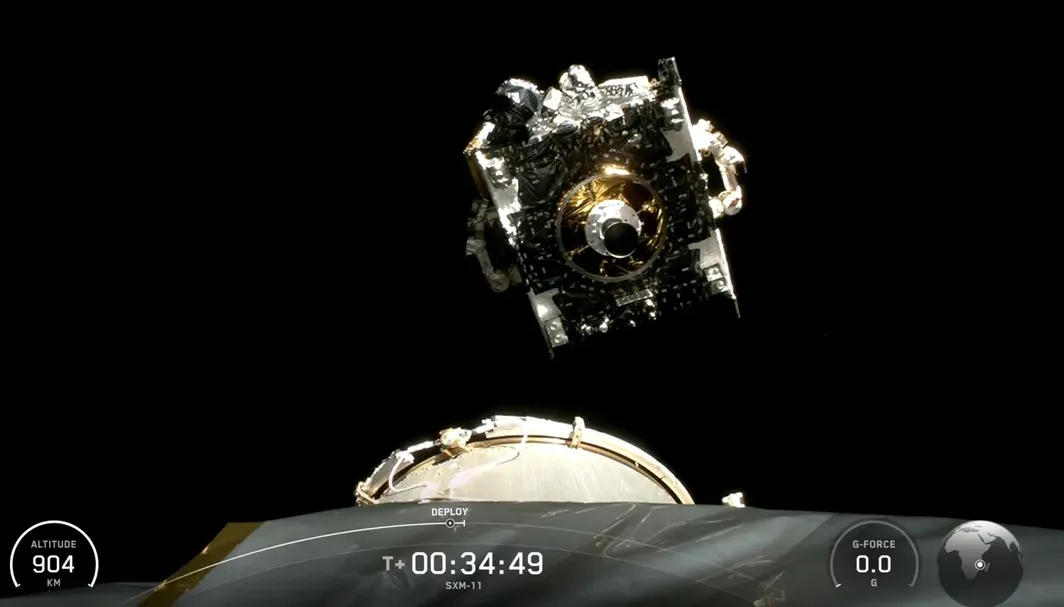
SiriusXM Puts SXM-11, Its Most Powerful Broadcast Satellite, Into Commercial Service
SiriusXM confirmed on September 15 that its SXM-11 geostationary communications satellite has completed in-orbit testing and entered full commercial service. The spacecraft, described by the company as the most powerful broadcast satellite in its fleet, is designed to improve signal reception, expand coverage in Alaska and strengthen the delivery of satellite audio and information services…