
Tag: NASA
-
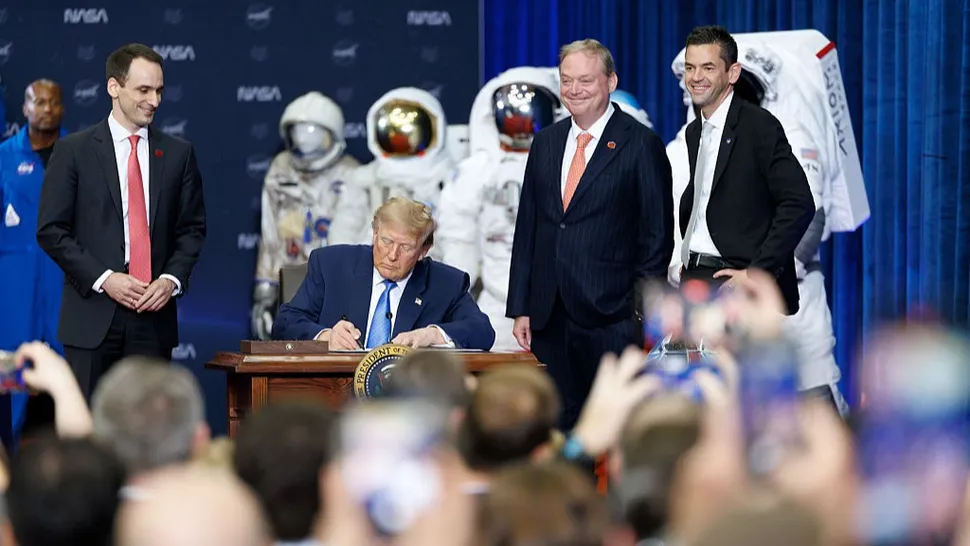
Trump Orders Study of NASA-Led U.S. Space Academy as Civilian-Military Questions Emerge
President Donald Trump signed an executive order at NASA’s Johnson Space Center in Houston on August 28, 2026, directing a federal commission to assess the feasibility of creating a United States Space Academy. The proposed NASA-led institution would train engineers, scientists, spacecraft operators and other professionals for civilian, commercial and national-security space activities, but its…
-
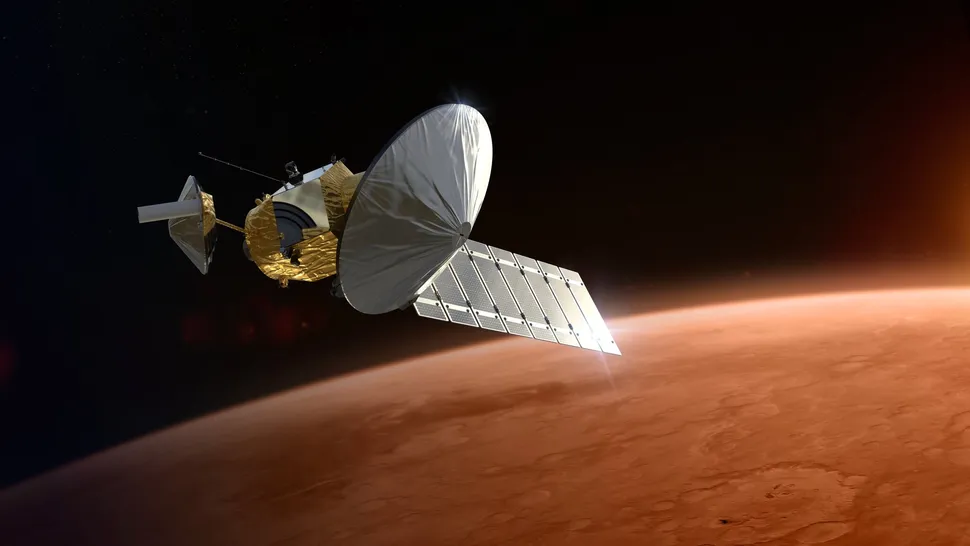
Rocket Lab Challenges NASA’s $700 Million Mars Orbiter Award to Blue Origin
Rocket Lab filed a formal protest with the U.S. Government Accountability Office on September 11, challenging NASA’s decision to award Blue Origin a $700 million contract to develop, launch and operate the Mars Telecommunications Network. NASA selected Blue Origin on September 1 for the communications orbiter, which must be delivered by December 31, 2028 and…
-

Both Bound for the Moon: Why Are NASA’s SLS and SpaceX’s Starship So Different?
On one side is the orange-and-white SLS. On the other is Starship, resembling a stainless-steel tower. Both are part of the United States’ architecture for returning humans to the Moon, yet they have almost nothing in common—from their appearance and engines to how they are intended to operate. Their respective roles: SLS Block 1 and…
-

NASA and IBM Open-Source Lunar Foundation AI Model to Accelerate Moon Science
NASA and IBM have released the NASA-IBM Lunar Foundation Model, one of the first publicly available foundation models developed specifically for scientific exploration of the Moon. Trained on a large, multi-instrument lunar dataset assembled by researchers from both organizations, the model is designed to extract new insights from decades of observations and support scientific and…
-
NASA Opens State Competition for U.S. Space Academy as Congressional Questions Loom
NASA has invited U.S. governors to compete to host and sponsor the proposed United States Space Academy, issuing a Request for Information on September 10 that seeks details on potential locations, infrastructure and supporting aerospace ecosystems. States may submit one response each by 6 p.m. EDT on October 26, even as the institution’s legal authority,…
-

LINK Spacecraft Approaches Within 15 Kilometers of Swift but Cannot Complete Orbital Rescue
Katalyst Space’s LINK servicing spacecraft approached within 12 to 15 kilometers of NASA’s Neil Gehrels Swift Observatory after aligning its orbit with the aging telescope, but an attitude-control problem prevented the vehicle from attempting the capture and orbital boost originally planned to extend Swift’s mission. NASA said on September 4 that LINK would make no…
-
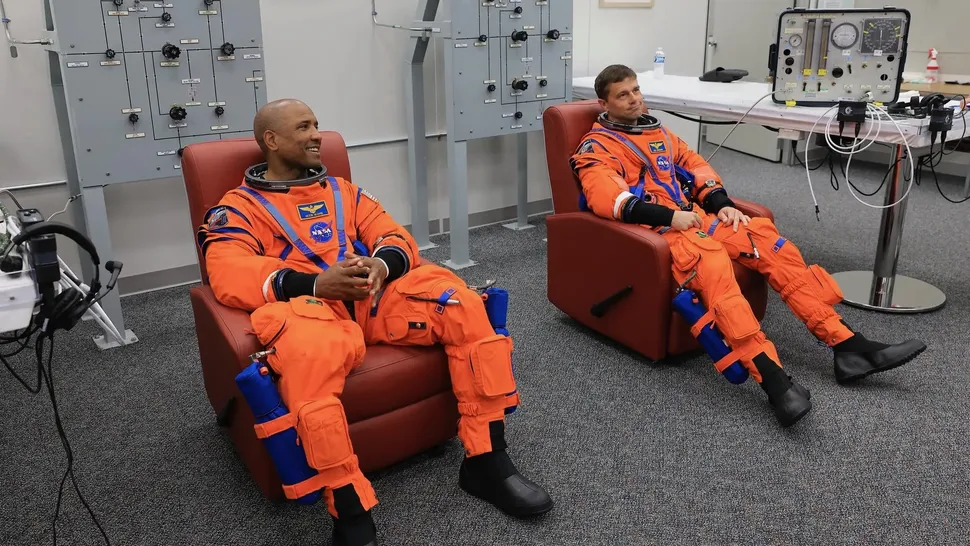
NASA Moves Artemis II Commander and Pilot to Emeritus Status
NASA will transition Artemis II commander Reid Wiseman and pilot Victor Glover to emeritus status at Johnson Space Center in September, retaining their technical and operational experience as the agency prepares for Artemis III in 2027 and its planned return to the lunar surface with Artemis IV in 2028. The change follows the astronauts’ 10-day…
-
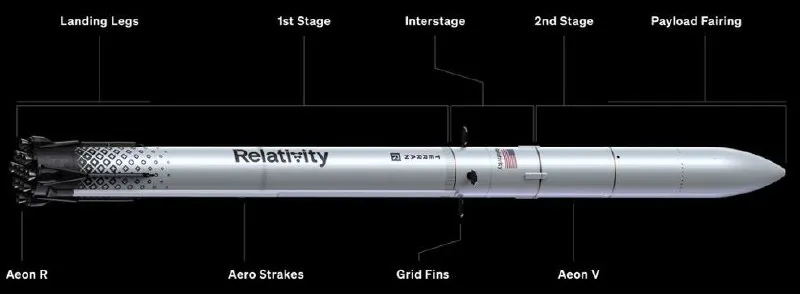
NASA Adds Relativity Space’s Terran R to Launch Services Roster
NASA added Relativity Space’s Terran R rocket to its NASA Launch Services II contract on September 9, making the still-unflown vehicle eligible to compete for future agency launch orders. The award expands NASA’s pool of launch providers as Relativity prepares Terran R for its first flight from Cape Canaveral Space Force Station in late 2026.…
-
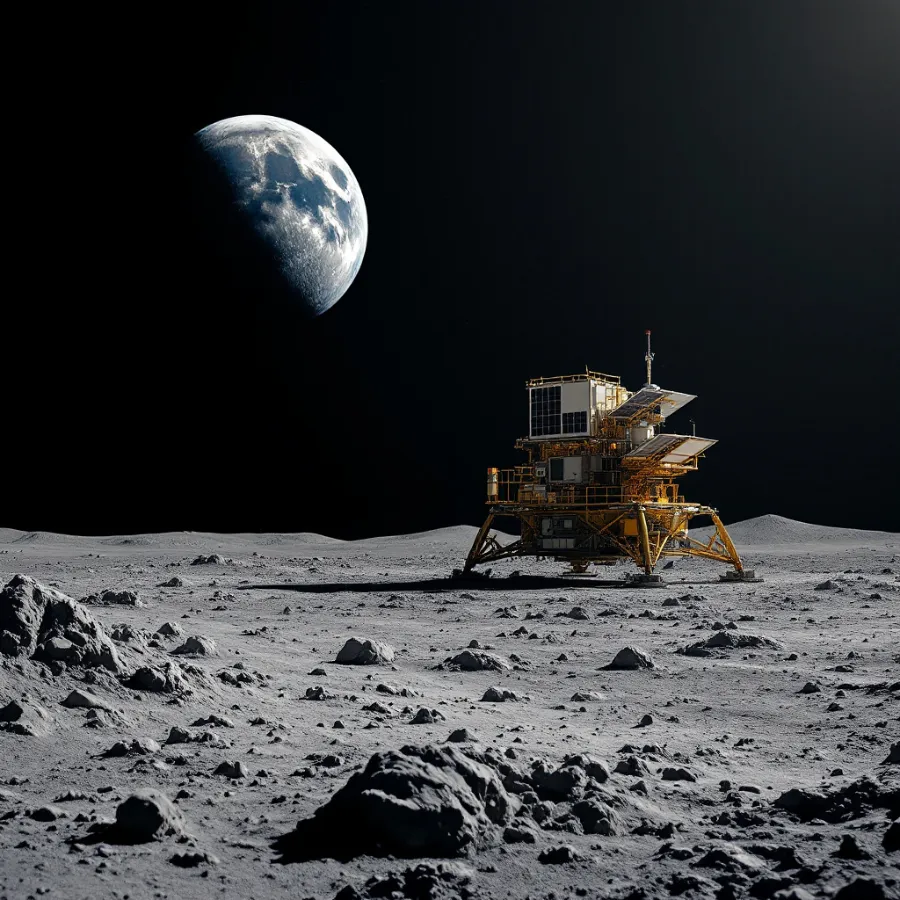
NASA Seeks Industry Proposals for Lunar Power, Oxygen and Manufacturing Systems
NASA issued a solicitation on September 8 seeking industry-led proposals to mature five technologies needed for sustained operations at the lunar South Pole, including vertical solar arrays, oxygen production from regolith, radioisotope power, in-space manufacturing and advanced nanomaterials. The initiative is intended to close infrastructure gaps that would otherwise limit the duration and independence of…
-
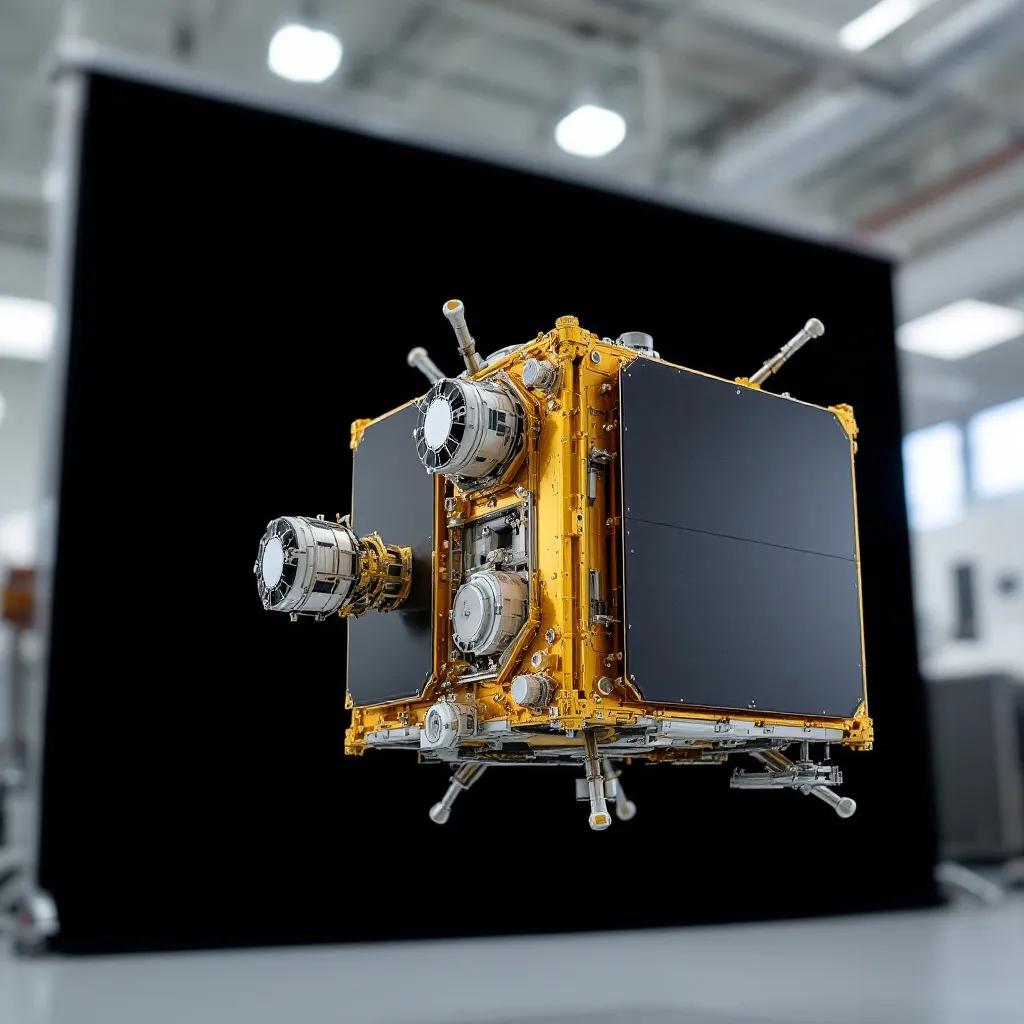
NASA Books SpaceX Rideshare Launch for Green Dual-Mode Propulsion Satellite
NASA has manifested its shoebox-sized Green Propulsion Dual Mode satellite, known as GPDM, for an upcoming SpaceX rideshare launch. The spacecraft will conduct a nine-month orbital demonstration of a low-toxicity, dual-mode propulsion system that could provide small satellites with a safer alternative to conventional hydrazine-based propulsion. The mission will move technology studied at NASA’s Marshall…