
Tag: NASA
-
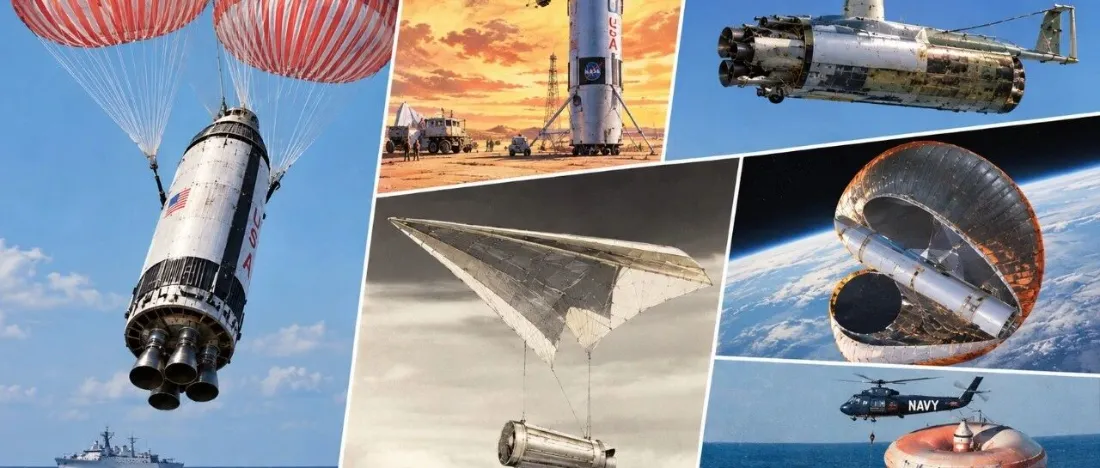
What Unusual Ideas Have Engineers Proposed to Recover Rockets?
Engineers have long wanted to make space launches less expensive. Half a century ago, however, cost was rarely the first priority of a major space program. Completing the mission mattered more. Recovering and reusing rockets is now a key way to reduce launch costs, but engineers were considering the idea even before the Apollo program.…
-
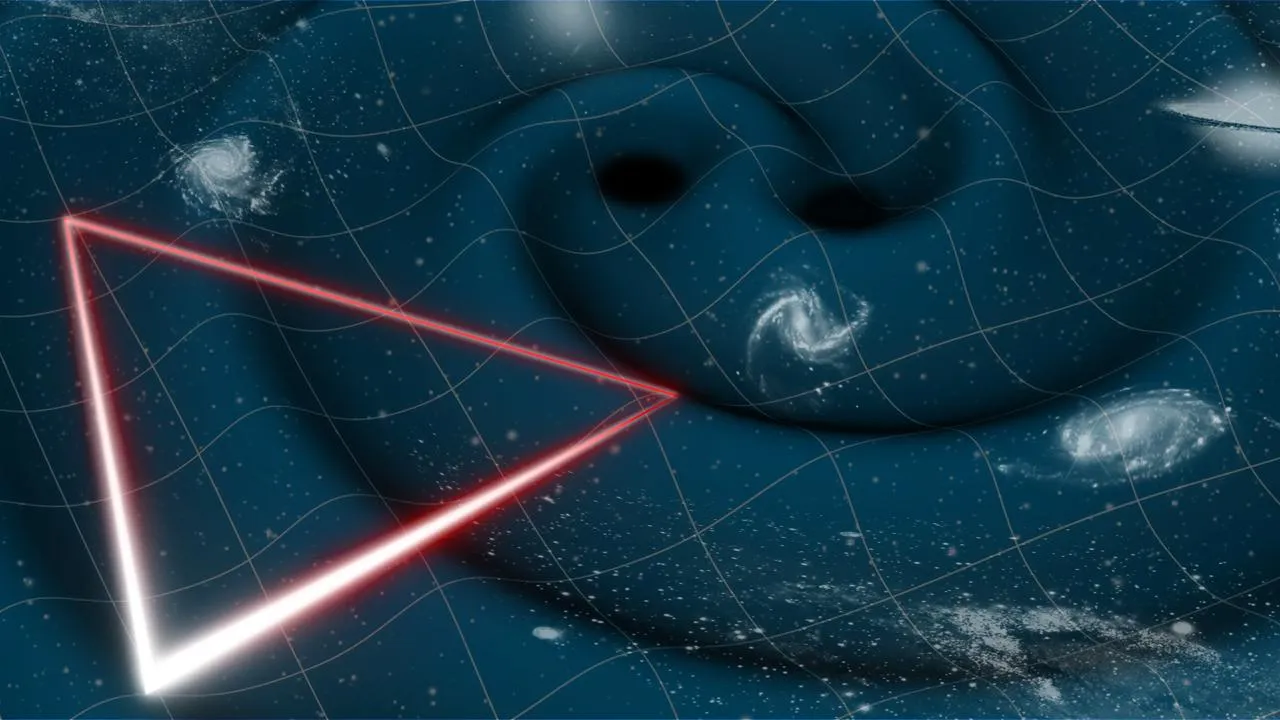
NASA Frames European-Led Gravitational Wave Mission as a Model “Good Deal”
The emphasis comes as NASA reshapes its approach to foreign partnerships, requiring collaborators to make meaningful contributions that US agencies or companies aren’t already pursuing, delivered when NASA needs them. The agency has canceled the Lunar Gateway and the Mars Sample Return mission, the latter after its budget exceeded $10 billion, as the administration directs…
-
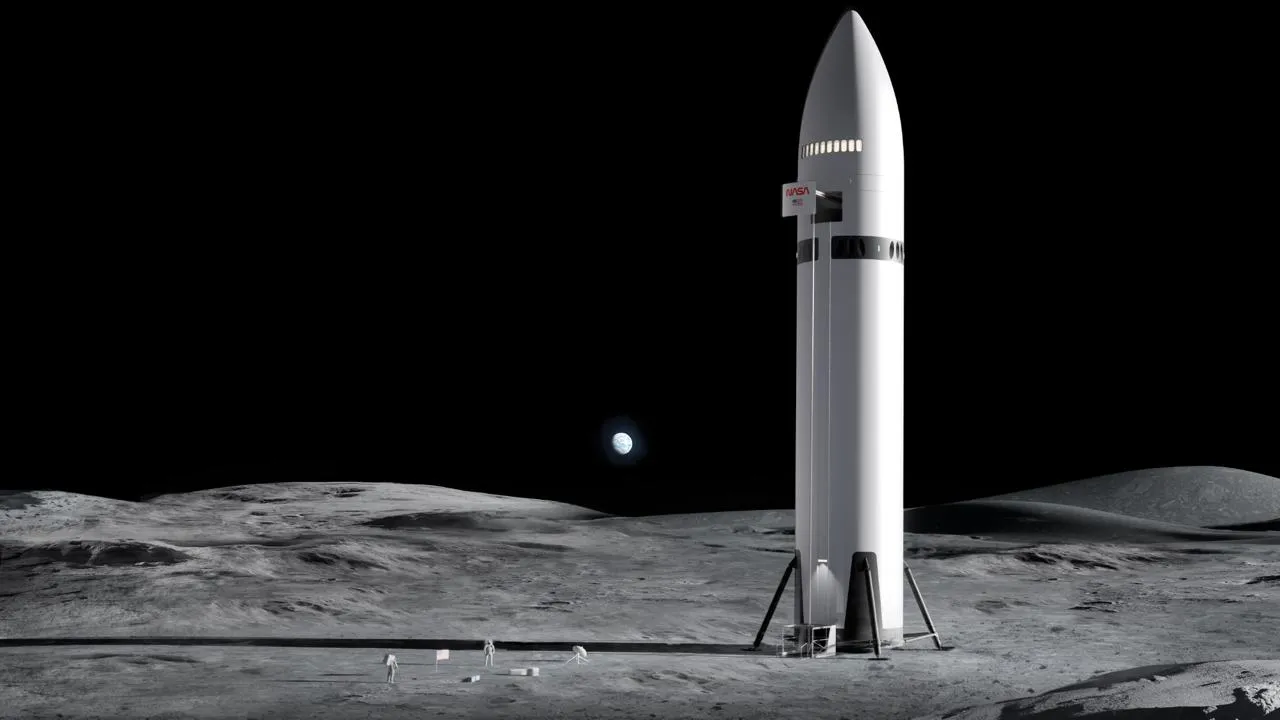
Starship Engine Failure Raises Schedule Risk for NASA’s 2028 Moon Landing
Starship is one of two vehicles competing to become the first craft NASA uses to land humans on the Moon, an objective the agency has targeted for as early as 2028. Blue Origin is developing the competing lander. The engine failure was tied to a Starship test campaign, and it reads directly through to the…
-
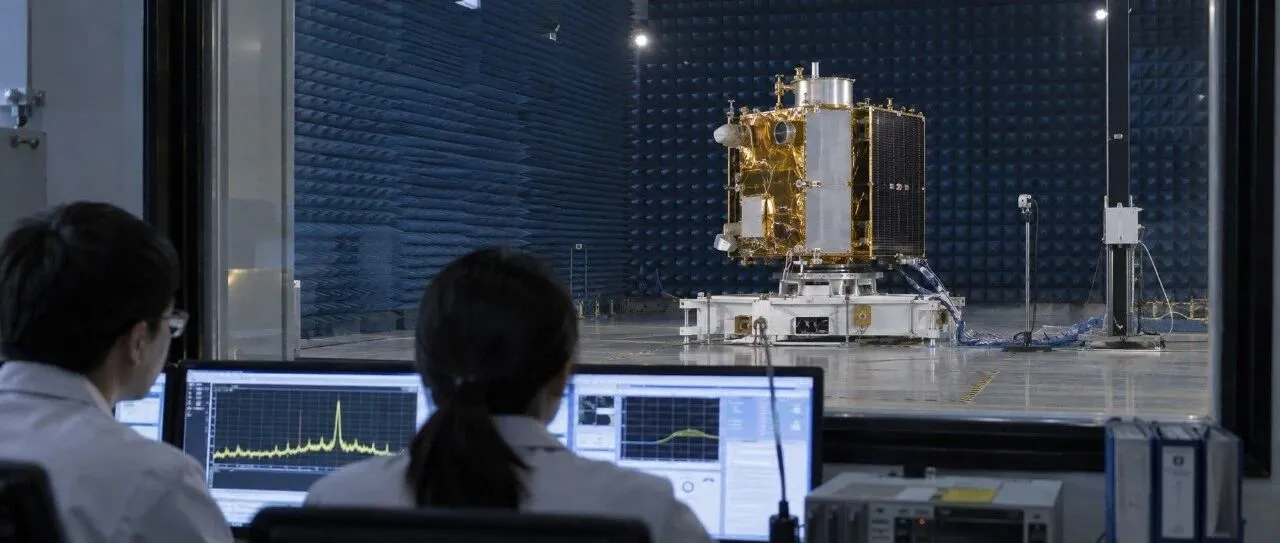
Every Unit Passed EMC Testing. Why Test the Whole Satellite?
The onboard computer runs normally on its own. The receiver passes its sensitivity test. The power controller, reaction wheel driver and transmitter each have a test report. Then engineers install them in the same satellite, and the results change: the receiver’s noise floor rises when the computer is heavily loaded; a sensor begins producing erratic…
-
Hubble and Webb Team Up to Probe Solar System’s Faintest Icy Relics
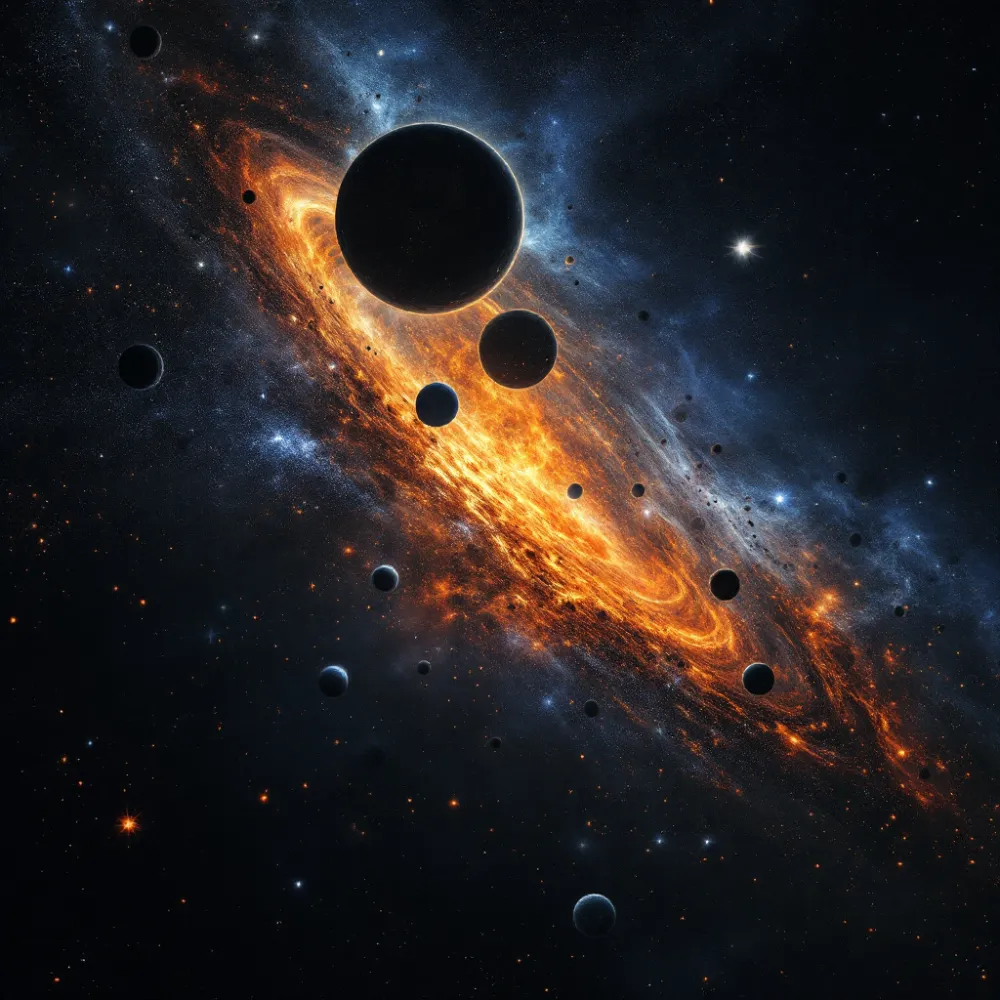
Trans-Neptunian Objects are small, faint, icy bodies orbiting the Sun beyond Neptune, most of them more than 100 million times dimmer than objects visible to the unaided eye. These objects offer the best view into an early stage of planet-building, when a disk of dust and pebbles around the Sun coalesced into city-sized planetesimals but…
-
AstroForge Plans 2027 Flight With AI in Control of Spacecraft
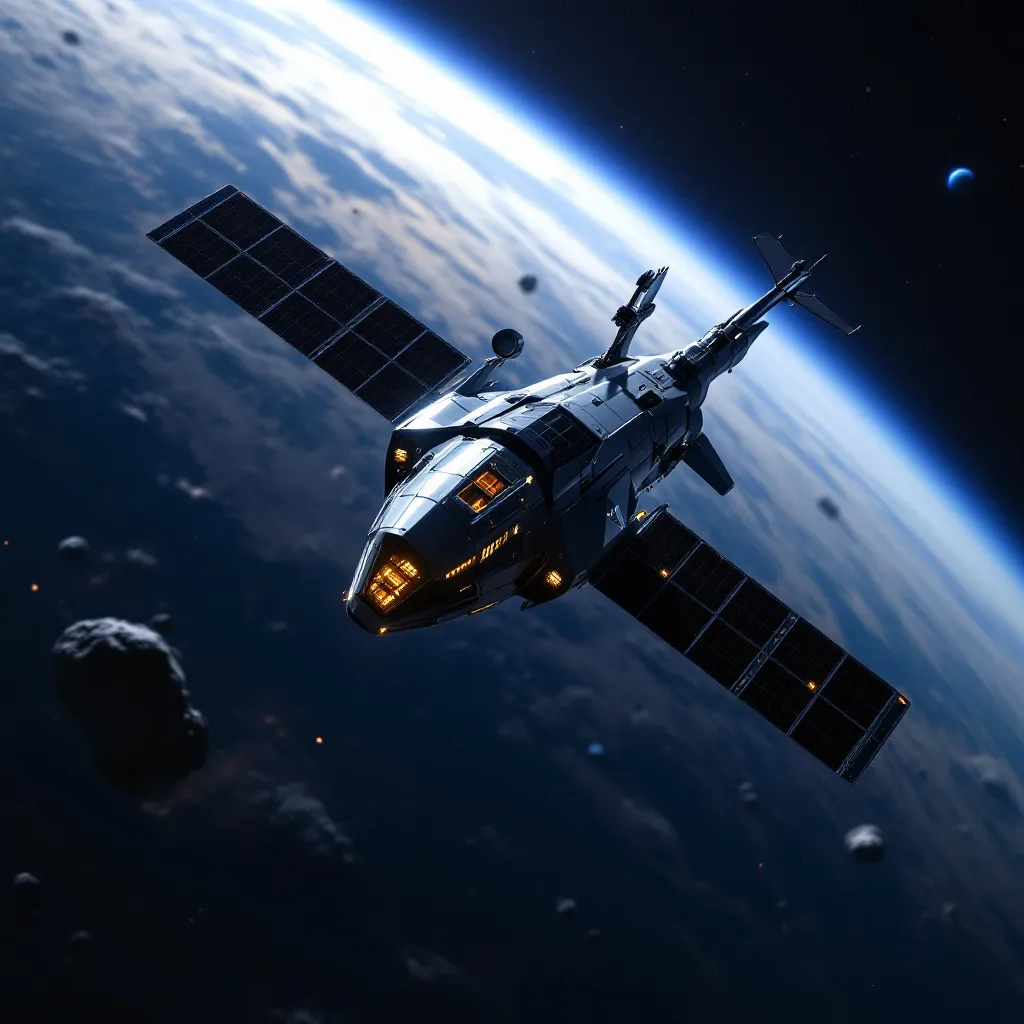
AstroForge plans to give its Solo artificial intelligence system control of a spacecraft on its Autonomy-1 mission in early 2027. The asteroid mining company said the vehicle will operate without commands from Earth after launch on the first flight of Stoke Space’s Nova Pathfinder rocket. Before then, AstroForge intends to fly Solo in a monitoring…
-
NASA Simplifies Axiom Lunar Suit to Keep 2028 Artemis Landing on Schedule
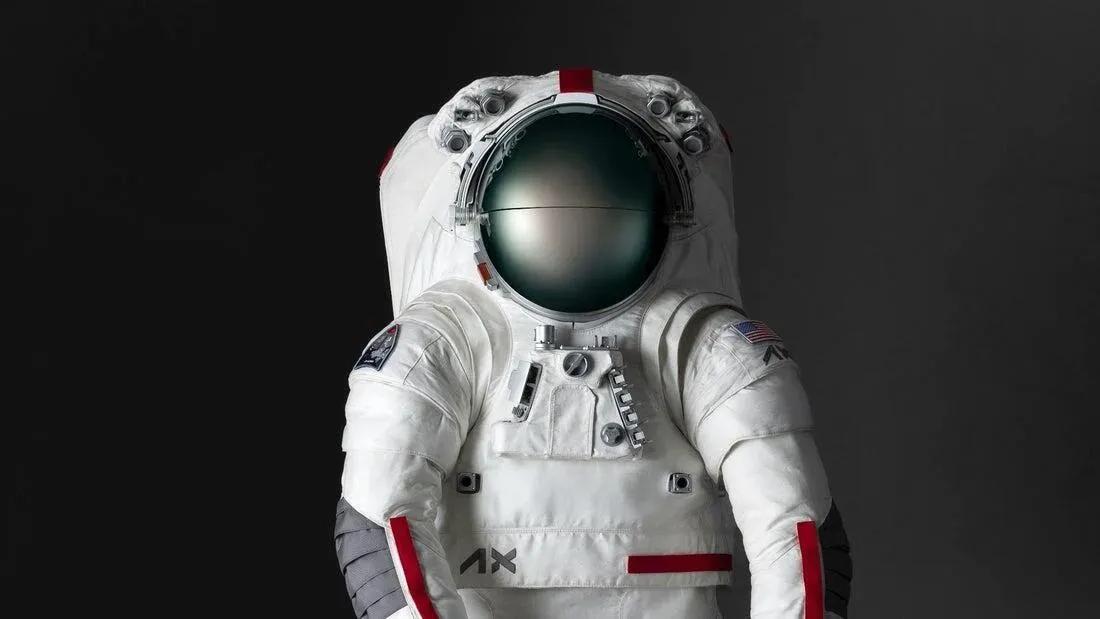
NASA is developing a simplified version of Axiom Space’s lunar spacesuit to reduce schedule risk ahead of the first Artemis crewed landing, now planned for early 2028. Reportedly known internally as the “sortie suit,” the configuration would remove or defer some of the mass, complexity and long-duration capabilities included in the original Axiom Extravehicular Mobility…
-
Space-Based Optical Communications Move From Flight Demonstrations to Operational Networks
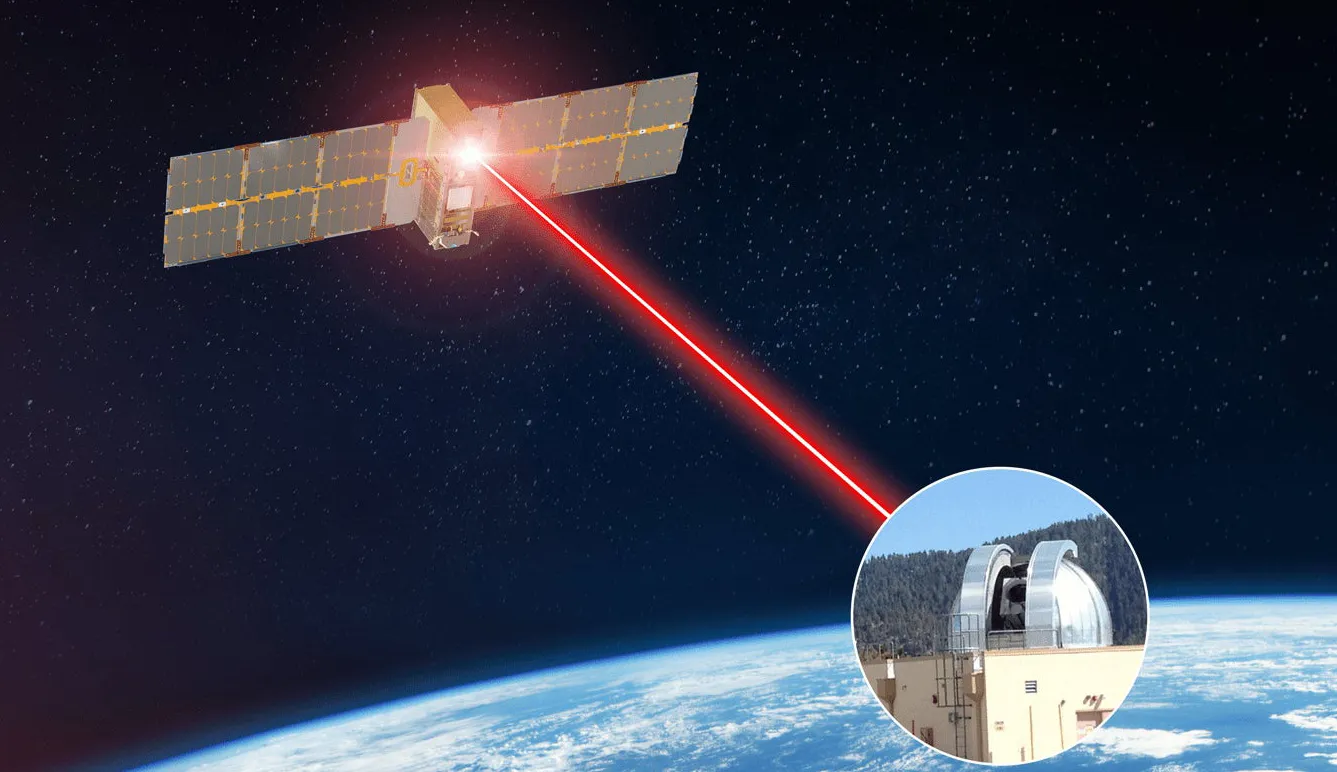
Space-based optical communications are moving from experimental missions toward operational deployment as satellite operators seek higher-capacity alternatives to congested radio-frequency links. An industry assessment published September 20 said space-qualified laser terminals are now supporting data rates of up to 10 gigabits per second in orbital applications, while standardized optical inter-satellite links are becoming part of…
-
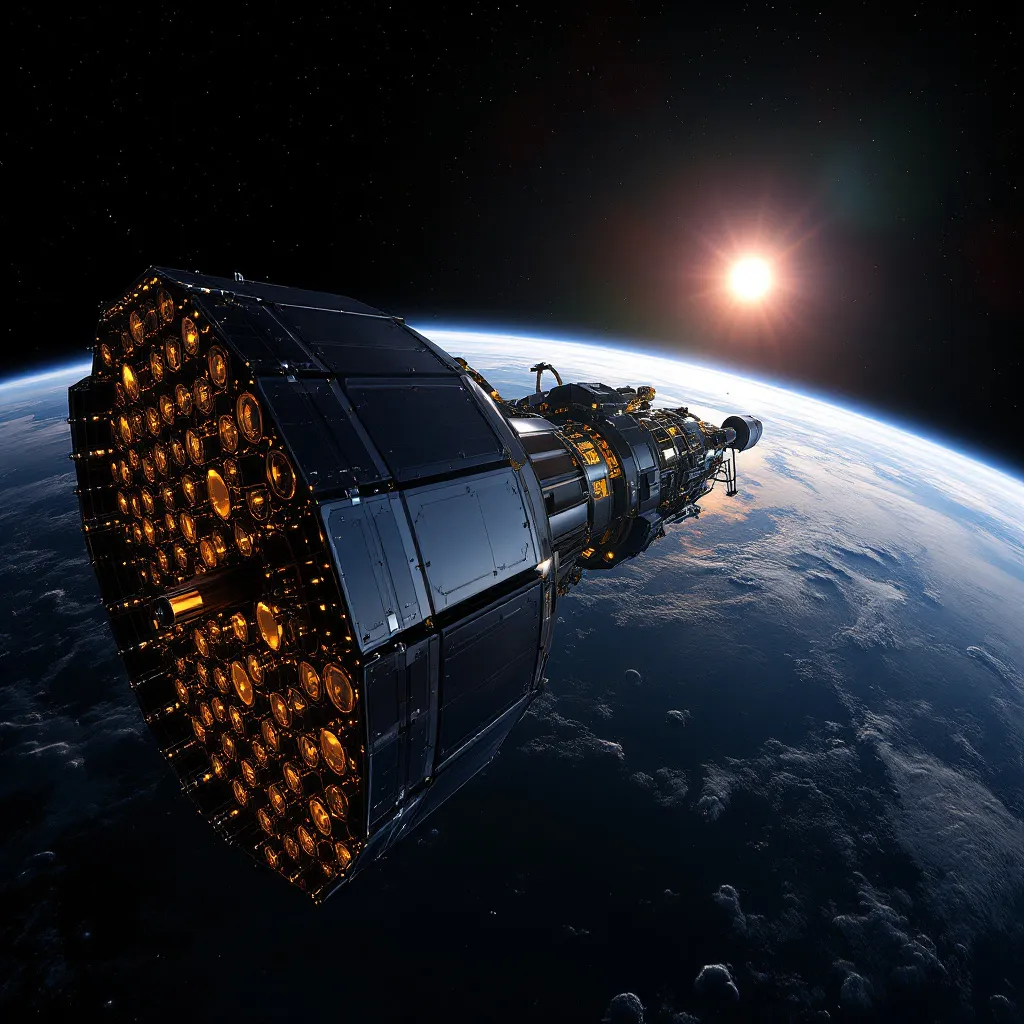
NASA Powers Up Roman’s 300-Megapixel Camera, Checks Coronagraph Systems
NASA has activated the 300-megapixel Wide Field Instrument aboard the Nancy Grace Roman Space Telescope and completed initial checks of its Coronagraph Instrument, confirming that both payloads survived launch and are operating in space. The commissioning milestones, including activation of Roman’s 18 infrared detectors on September 11, keep the observatory on schedule to release its…
-
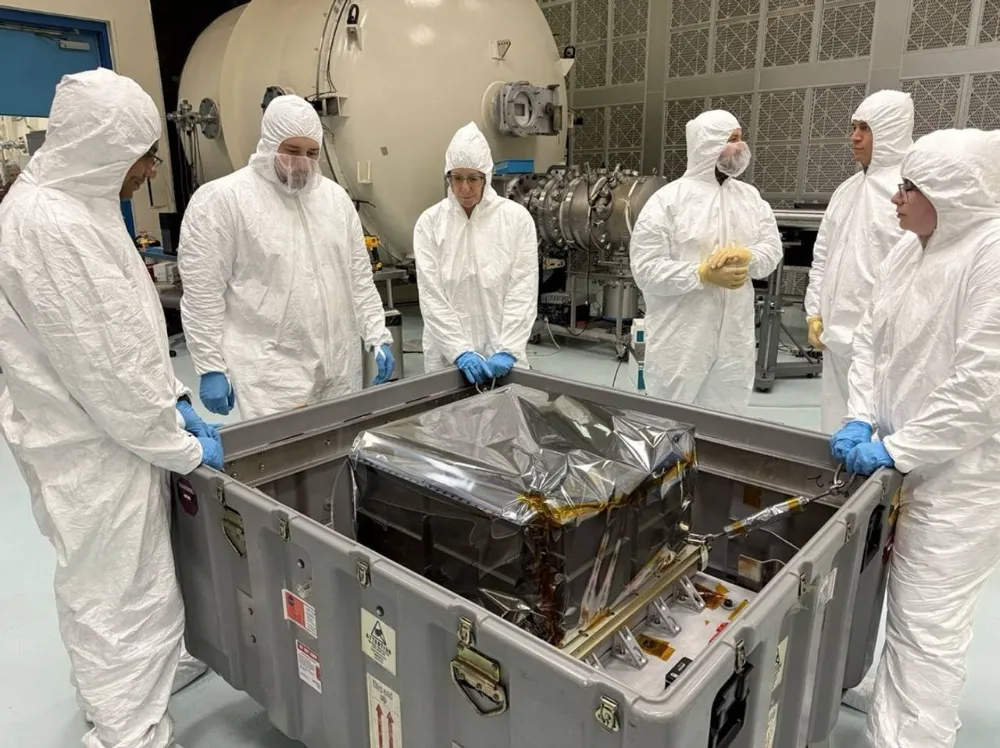
NASA Selects SpaceX Falcon 9 Rideshare to Launch StarBurst Gamma-Ray Mission in 2028
NASA selected SpaceX on September 18 to launch StarBurst, a small astrophysics satellite designed to detect short gamma-ray bursts associated with neutron star mergers. The spacecraft will fly no earlier than 2028 as a rideshare payload on a Falcon 9 Bandwagon mission from Space Launch Complex 40 at Cape Canaveral Space Force Station in Florida.…