
Tag: NASA
-
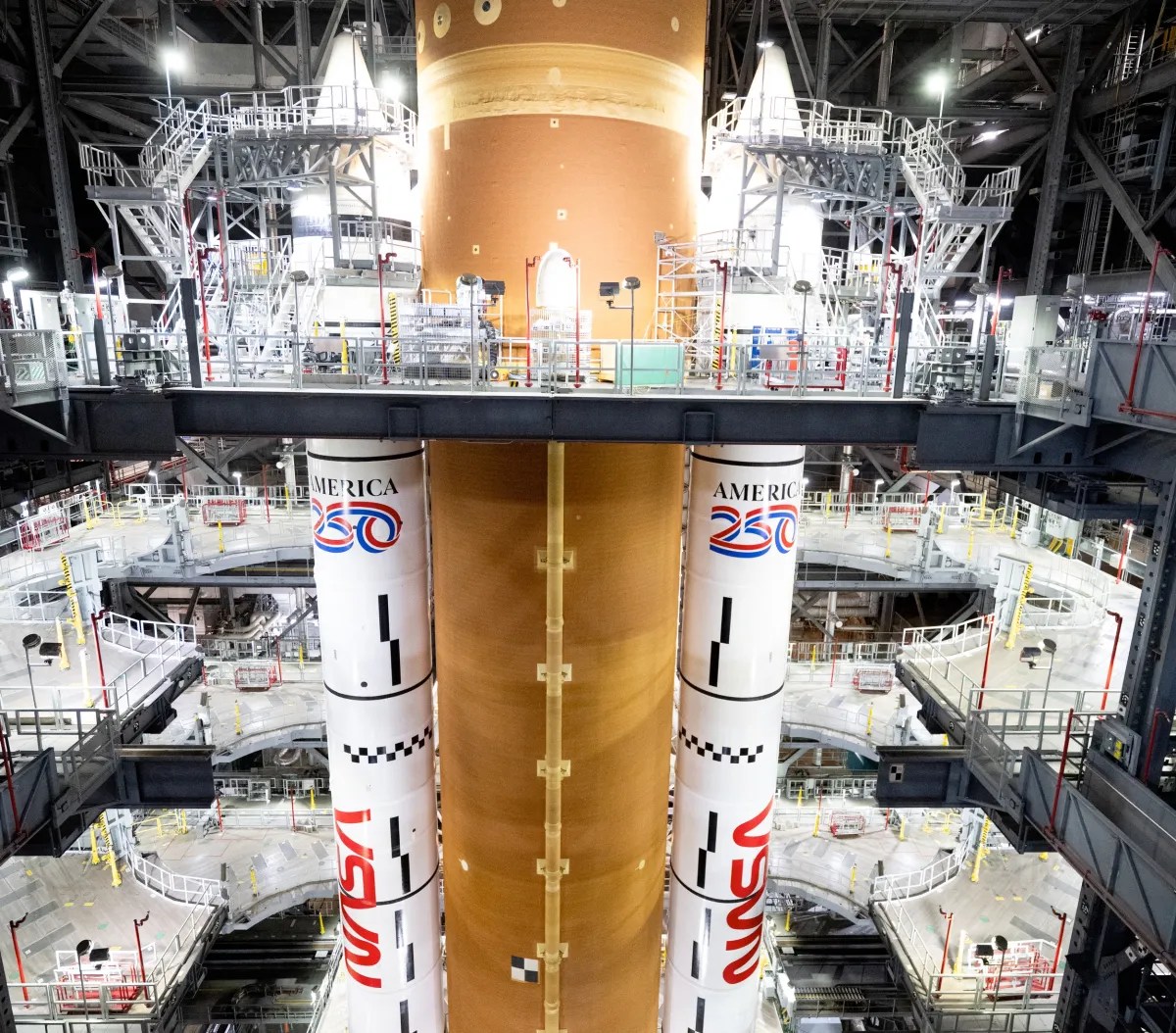
NASA Prepares Artemis 2 for February Lunar Mission After Schedule Acceleration
NASA is entering the final phase of preparations for its Artemis 2 mission, the first crewed flight toward the Moon in more than 50 years, as the agency moves up its launch timeline to February 2026. The U.S. space agency had previously targeted April 2026 for the mission, which will send four astronauts on a…
-
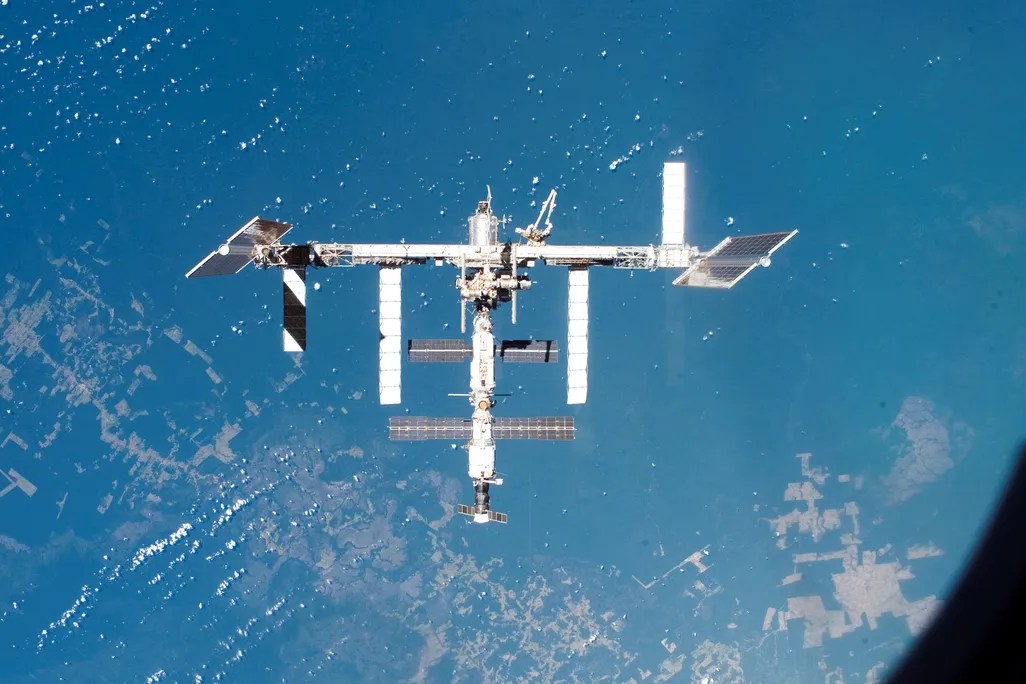
NASA to Bring SpaceX Crew-11 Home Early After Medical Issue on ISS
NASA said it will bring SpaceX’s Crew-11 mission back to Earth about a month earlier than planned after a medical situation involving one of the four astronauts aboard the International Space Station (ISS), marking the first medical evacuation from the orbiting laboratory since it began operations. The U.S. space agency said it would not identify…
-
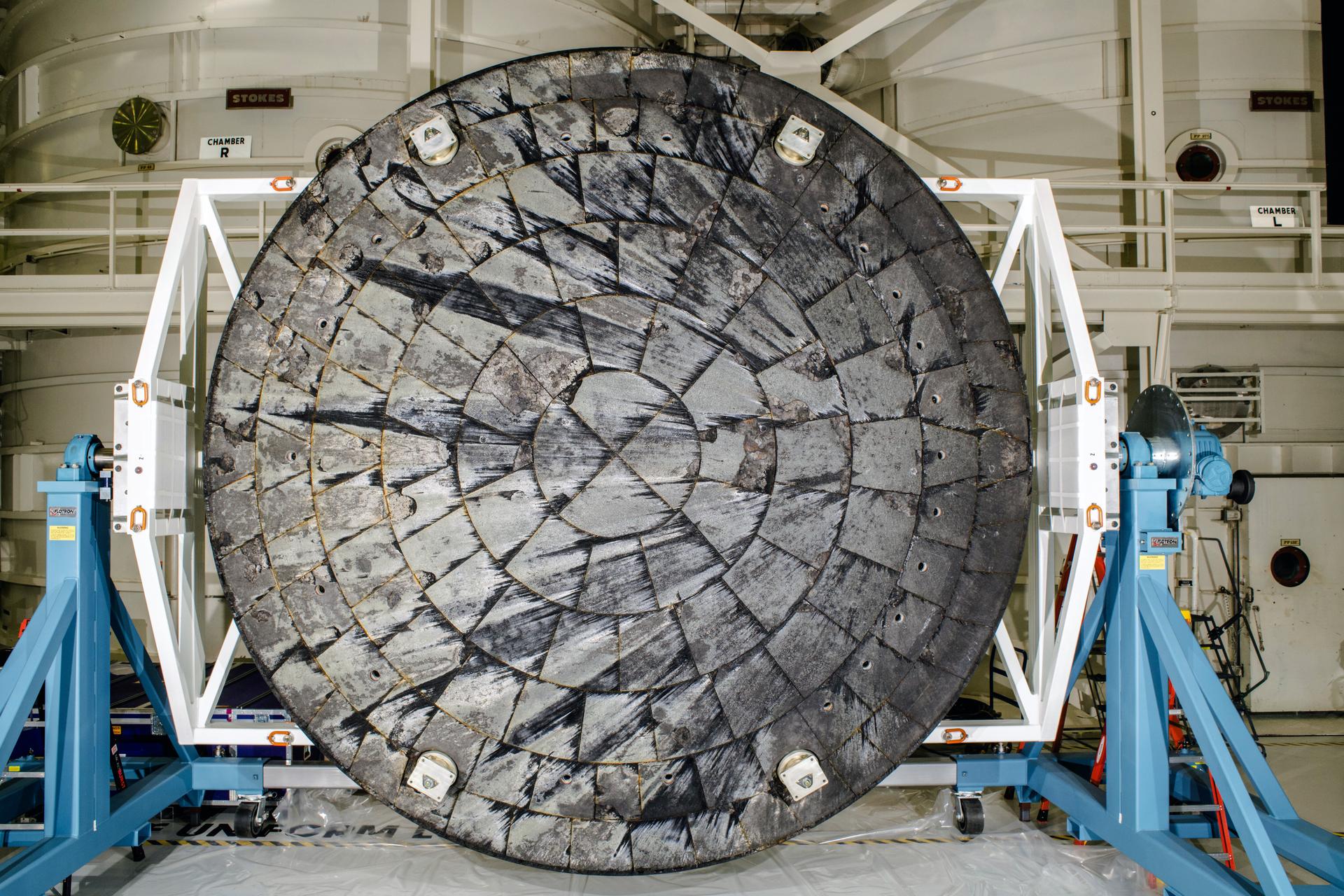
Is Orion’s heat shield really safe? New NASA chief conducts final review on eve of flight.
WASHINGTON, DC—This week, NASA’s new administrator, Jared Isaacman, said he has “full confidence” in the space agency’s plans to use the existing heat shield to protect the Orion spacecraft during its upcoming lunar mission. Isaacman made the determination after briefings with senior leaders at the agency and a half-day review of NASA’s findings with outside…
-
Crew-11 to cut mission short and return to Earth due to medical issue
Crew 11 during training before launch last August (left to right): Cosmonaut Oleg Platonov, NASA astronaut Mike Fincke, Crew 11 commander Zena Cardman and Japanese astronaut Kimiya Yui. Image: NASA Four space station fliers have been told to cut their mission short and return to Earth ahead of schedule because of an apparently serious medical…
-

NASA weighs an earlier end to the Crew-11 mission after a ‘medical situation’ with an ISS crew member postpones first spacewalk of 2026
At center, JAXA (Japan Aerospace Exploration Agency) astronaut and Expedition 74 Flight Engineer Kimiya Yui assists NASA astronauts Zena Cardman (left) and Mike Fincke (right), the station’s flight engineer and commander respectively, during spacesuit checks inside the International Space Station’s Quest airlock. Image: NASA Update Jan. 8, 12:30 a.m. EST (0530 UTC): Adding new statement…
-
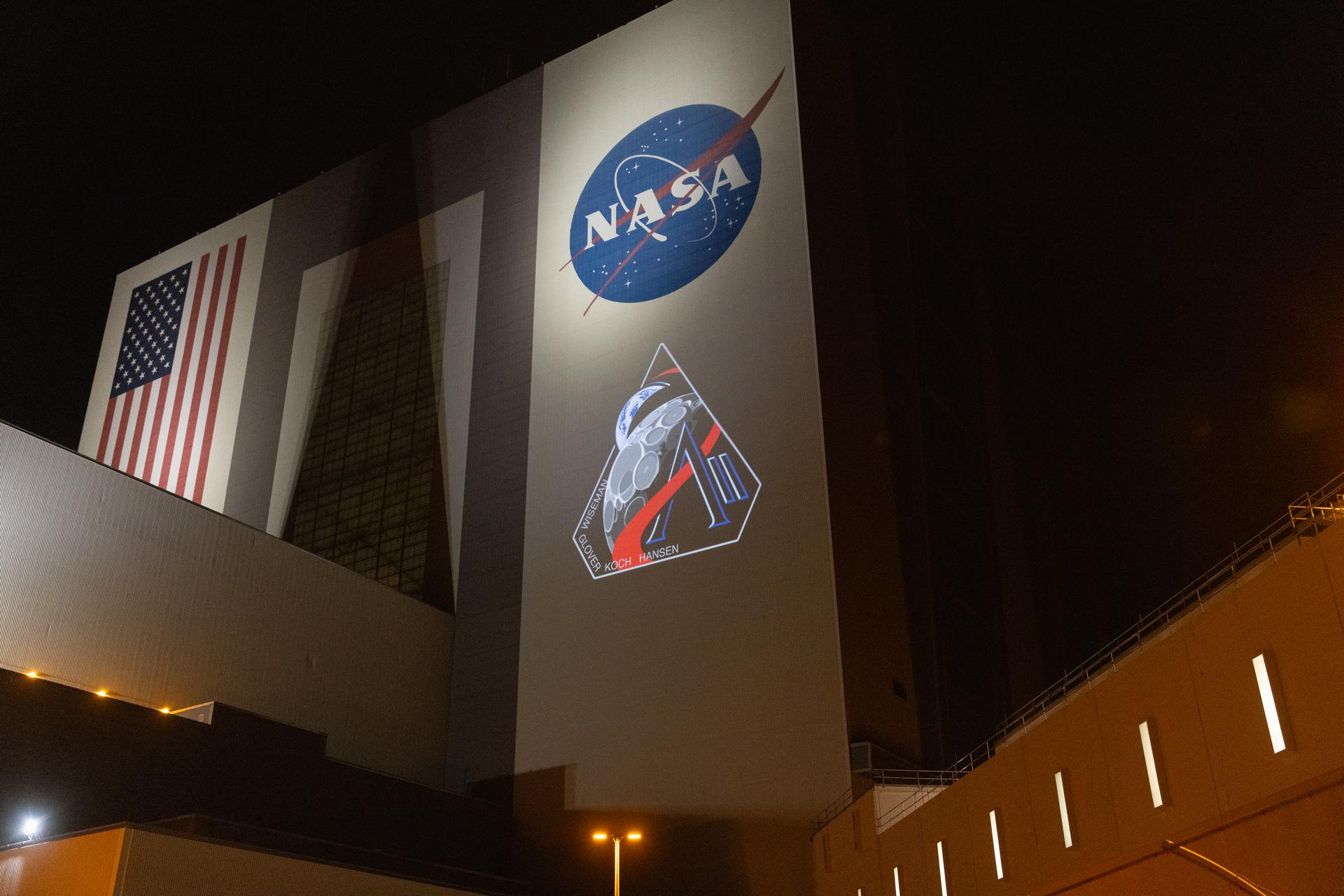
Here are the launches and landings we’re most excited about in 2026
Last year delivered doses of drama and excitement in the space business, with a record number of launches, breathtaking vistas of other worlds, and a multitude of breakthroughs and setbacks. 2026 is shaping up to be another thrilling year in the cosmos. For the first time in more than 54 years, astronauts are training to…
-

Year in Space: Get ready for moon missions to take center stage in 2026
An artist’s conception shows the Orion spacecraft’s main engine firing during a lunar flyby, surrounded by eight auxiliary engines built by L3Harris’ Aerojet Redmond facility. (NASA Illustration) Lunar missions once felt like the domain of history books rather than current events, but an upcoming trip around the moon is poised to generate headlines at a…
-

SPHEREx produces first all-sky map, highlights entire universe in infrared light
After launching in March and collecting near-infrared data throughout 2025, NASA’s SPHEREx observatory has completed its first map of the universe. The map, which is comprised of 102 infrared wavelengths, will allow SPHEREx’s team and astrophysicists to research the source of the early universe’s inflation and the distribution of organic molecules throughout the universe. “It’s…
-
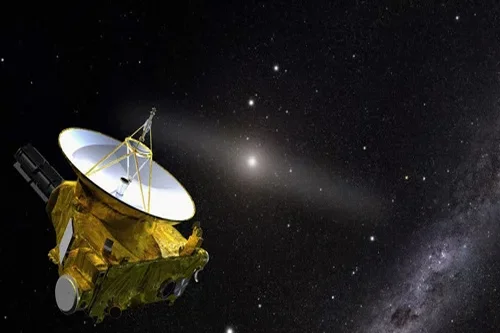
NASA loses contact with MAVEN, Perseverance continues roving around Jezero
In early December, NASA lost contact with its MAVEN spacecraft, which has been orbiting Mars since 2014. MAVEN was supposed to reestablish communications with NASA’s Deep Space Network on Dec. 6 after emerging from behind Mars during a routine blackout period when the spacecraft’s orbit takes it behind the red planet, blocking all communications to…
-

Astronauts, launch teams practice Artemis 2 countdown
The four crew members of the Artemis 2 mission exit the Neil Armstrong Operations and Checkout Building during the Countdown Demonstration Test, a launch day rehearsal for the Artemis 2 mission. Image: Michael Cain/Spaceflight Now In a prelude to the real deal, the four astronauts of the Artemis 2 mission boarded their Orion spacecraft inside…