NASA is entering the final phase of preparations for its Artemis 2 mission, the first crewed flight toward the Moon in more than 50 years, as the agency moves up its launch timeline to February 2026.
The U.S. space agency had previously targeted April 2026 for the mission, which will send four astronauts on a lunar flyby to test systems critical for future Moon landings. NASA now plans to launch the mission earlier, subject to final technical and weather-related clearances.
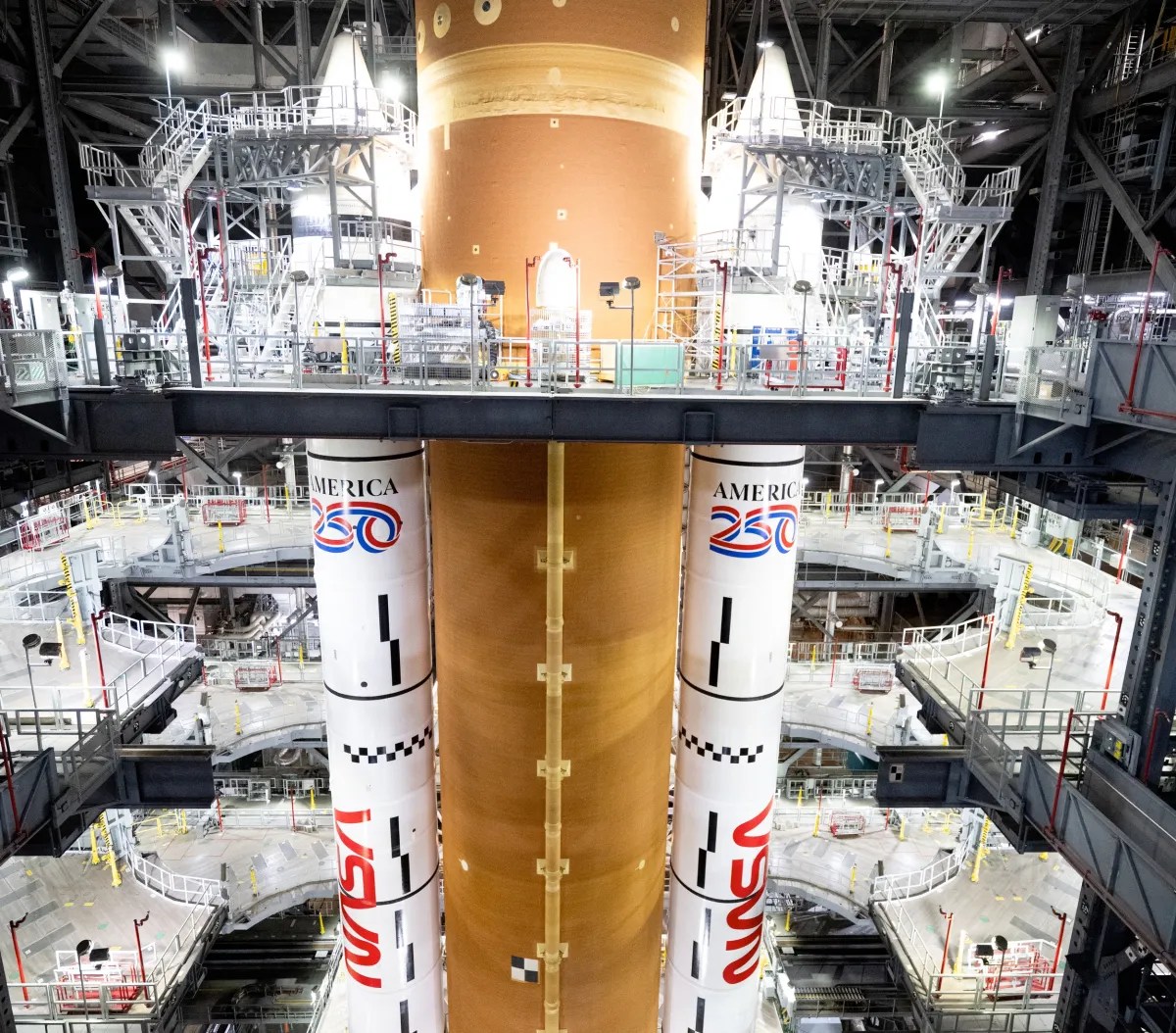
As part of the closing stages of preparation, NASA plans to transport the Orion spacecraft and its Space Launch System (SLS) rocket from the Vehicle Assembly Building to the launch pad at the Kennedy Space Center in Florida. The rollout is expected to take up to 12 hours and is currently scheduled for Jan. 17, 2026, although the timing could change due to weather or technical considerations.
Artemis 2 will carry four astronauts on a roughly 10-day mission designed to validate Orion’s life-support, propulsion and navigation systems. The spacecraft will orbit Earth twice before traveling about 4,700 miles beyond the far side of the Moon and returning home.
The mission is a key precursor to Artemis 3, which is planned to return astronauts to the lunar surface later this decade.
If preparations remain on track, NASA plans to conduct a full launch rehearsal in late January. The test will involve loading cryogenic propellants into the SLS rocket and running through countdown procedures to verify fueling, ground systems and launch operations ahead of liftoff.