
Tag: Planetary Science
-
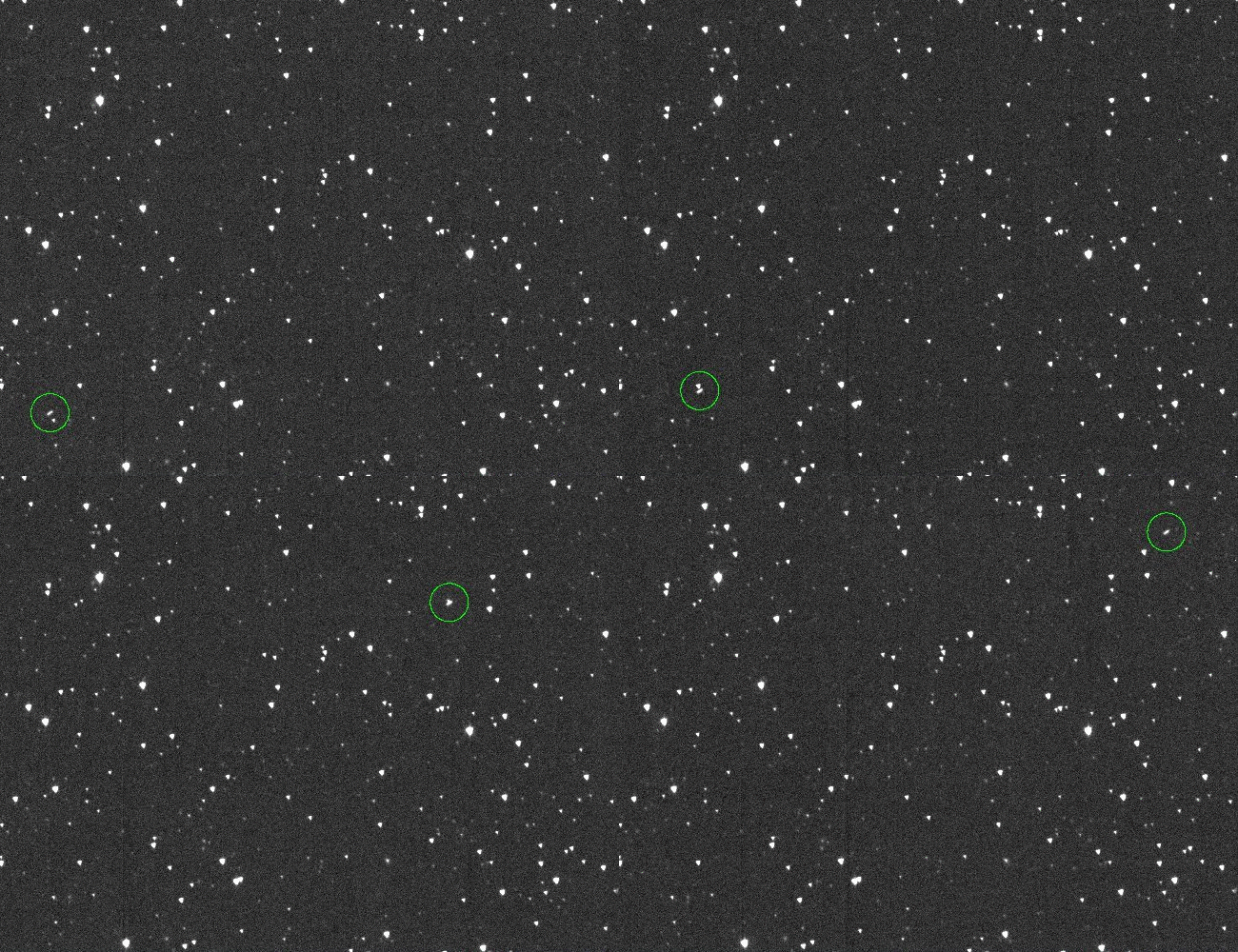
Don’t panic, but an asteroid has a 1.9% chance of hitting Earth in 2032
Something in the sky captured the attention of astronomers in the final days of 2024. A telescope in Chile scanning the night sky detected a faint point of light, and it didn’t correspond to any of the thousands of known stars, comets, and asteroids in astronomers’ all-sky catalog. The detection on December 27 came from…
-

Scientists find building blocks of life in OSIRIS-REx samples, discover potentially dangerous asteroid
Scientists from NASA’s OSIRIS-REx asteroid sample return mission recently delivered remarkable findings about asteroid 101955 Bennu after the mission returned its samples to Earth in 2023. While scientists revealed the OSIRIS-REx findings this week, a newly discovered asteroid reached level three on the 10-point Torino space impactor hazard scale, the second highest rating given to…
-
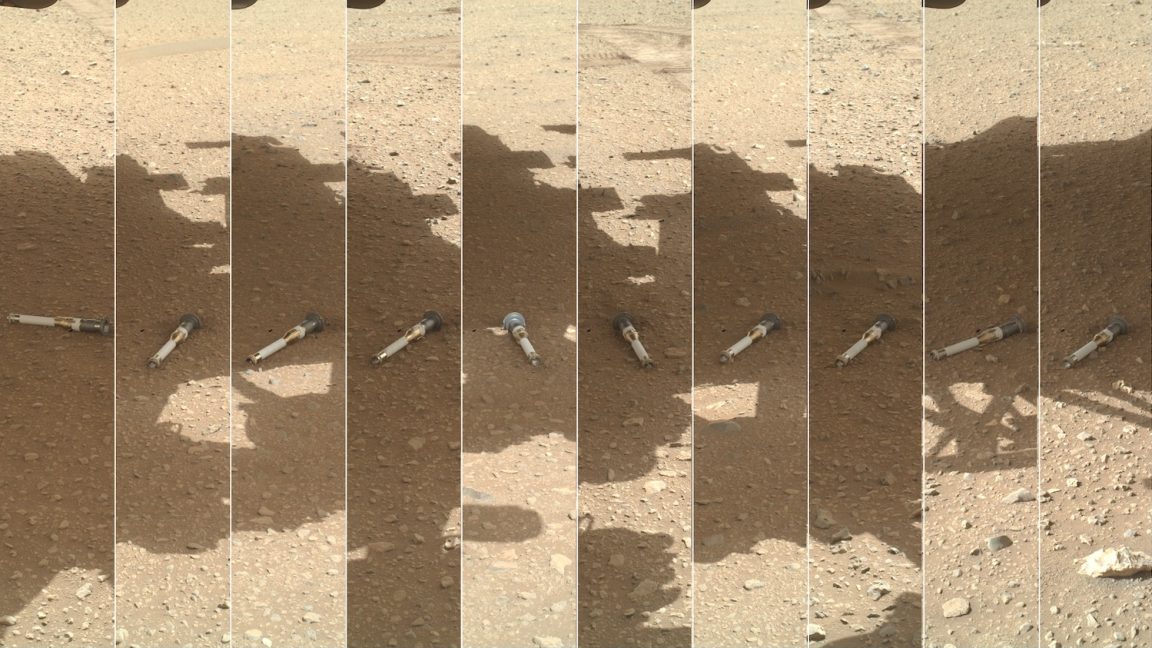
NASA defers decision on Mars Sample Return to the Trump administration
For nearly four years, NASA’s Perseverance rover has journeyed across an unexplored patch of land on Mars—once home to an ancient river delta—and collected a slew of rock samples sealed inside cigar-sized titanium tubes. These tubes might contain tantalizing clues about past life on Mars, but NASA’s ever-changing plans to bring them back to Earth…
-

Space science in 2024: Moon missions, Martian milestones, astrophysics discoveries, and more
2024 was another busy year for space science, with many new missions, successes, and discoveries across the solar system and beyond. Three new missions were launched to the Moon, while one mission was canceled, and Curiosity and Perseverance continued to explore and make discoveries in their respective regions on Mars. Beyond the Earth-Moon system and…
-
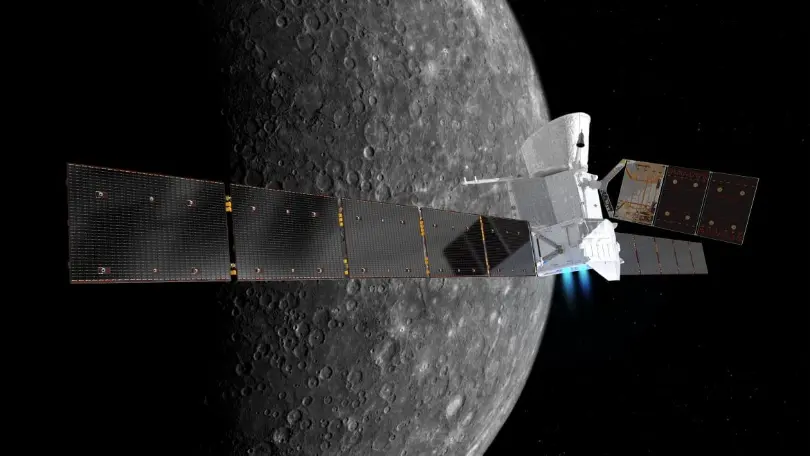
BepiColombo’s fifth flyby of Mercury reveals planet’s surface in mid-infrared light
The European Space Agency’s BepiColombo spacecraft recently performed its fifth flyby of Mercury on Dec. 1, becoming the first spacecraft ever to observe the planet in mid-infrared light. BepiColombo’s observations from the flyby have revealed interesting new details on the Mercury’s surface, including temperature and composition variations. BepiColombo is only the third mission to visit…
-
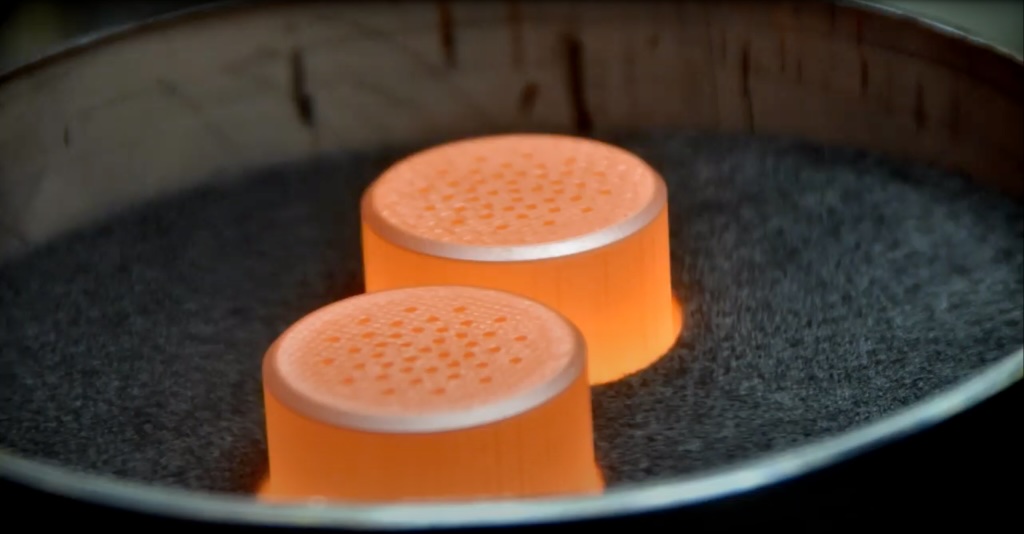
NASA awards SpaceX a contract for one of the few things it hasn’t done yet
When you compare SpaceX to the world’s other space enterprises, it’s probably easier to list the things SpaceX hasn’t done instead of reciting all of the company’s achievements. One of these is the launch of nuclear materials. SpaceX has launched a handful of planetary science missions for NASA, but these spacecraft have all used solar…
-
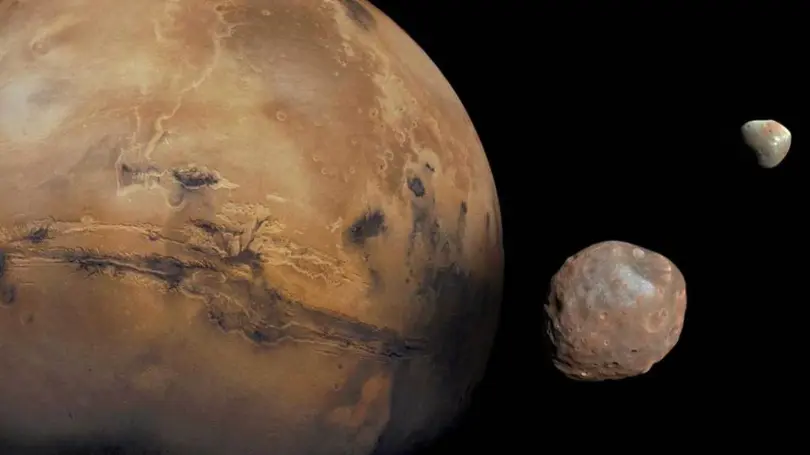
New study provides explanation behind origins of Martian moons Phobos and Deimos
Using supercomputer simulations, a team of NASA scientists recently modeled the destruction of an asteroid around Mars to investigate the possible origins of Mars’ two, mysterious moons — Phobos and Deimos. Since their discovery in 1877 and subsequent investigations by telescopes and Martian spacecraft, scientists have pondered how the two moons came to be, and…
-
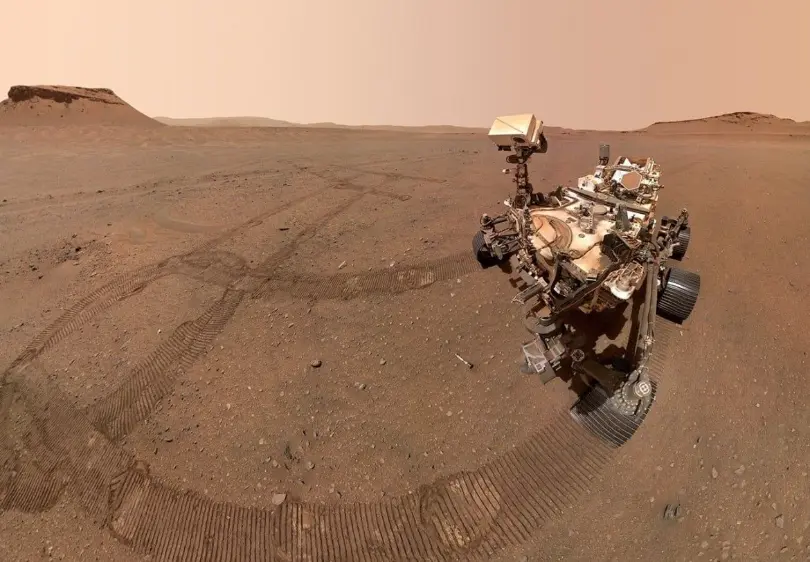
Perseverance faces challenges climbing to crater rim as sample tube supply dwindles
In August, NASA’s Perseverance Mars rover began its fifth science campaign — the rover’s most ambitious yet. The campaign has seen Perseverance climb the western rim of Jezero Crater and face its steepest and most challenging terrain yet, all the while continuing to take surface samples and look for signs of ancient microbial life. Currently, Perseverance…
-
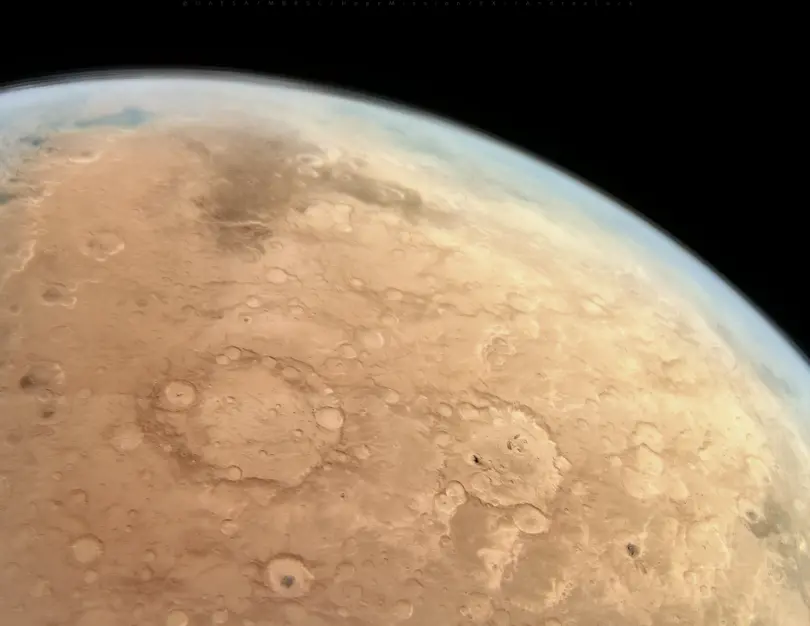
New study reveals potential existence of life in subsurface water pools on Mars
Mars has long been theorized to be a place where ancient microbial life once existed, and NASA and other agencies have sent countless missions to the planet in hopes of uncovering the mystery that is life on Mars. While evidence for this microbial life is yet to have been found, a new NASA study from…
-
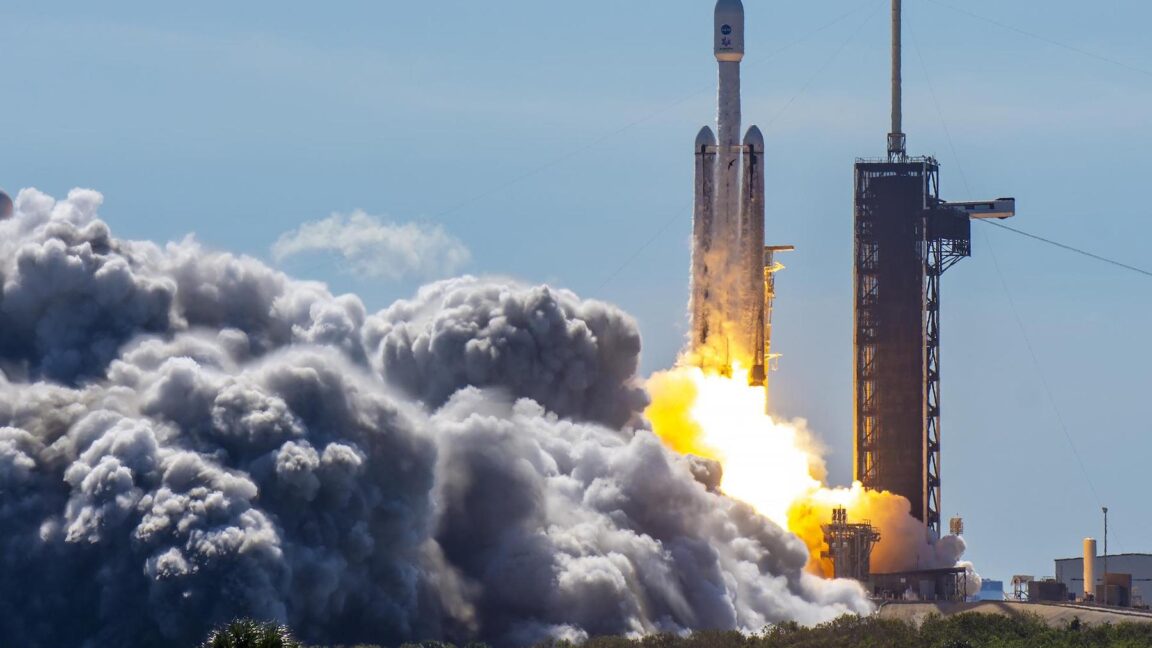
NASA launches mission to explore the frozen frontier of Jupiter’s moon Europa
NASA’s Europa Clipper spacecraft lifted off Monday from Kennedy Space Center in Florida aboard a SpaceX Falcon Heavy rocket, kicking off a $5.2 billion robotic mission to explore one of the most promising locations in the Solar System for finding extraterrestrial life. The Falcon Heavy rocket fired its 27 kerosene-fueled engines and vaulted away from…