
Tag: Planetary Science
-

Space Science in 2026: New lunar explorers, Mars missions, and space telescopes
With many missions on the manifest, the new year promises to be packed with space science. Two interplanetary spacecraft will arrive at their destinations as another Mars window opens in late 2026. Meanwhile, multiple space telescopes have their launch dates set for this year, and the schedule promises an increased cadence for lunar missions. The…
-
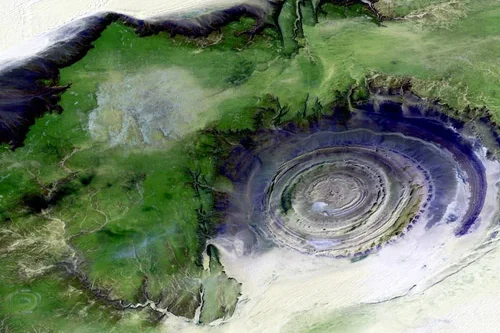
How Dragonfly will support the search for life on an uninhabitable world
In July 2028, NASA’s next New Frontiers program mission, Dragonfly, will launch to Saturn atop a SpaceX Falcon Heavy. Six years later, it will descend through the thick clouds and atmospheric layers of Saturn’s largest moon, Titan — finding a world that is both similar to and different from Earth. While on Titan, Dragonfly will…
-
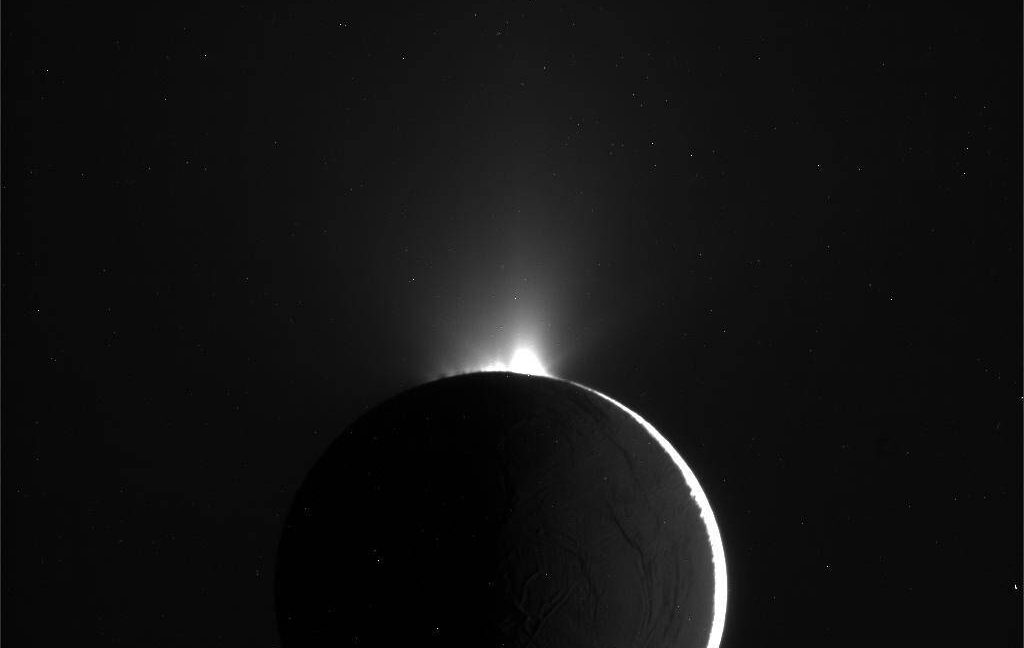
Testing a robot that could drill into Europa and Enceladus
Europa and Enceladus are two ocean moons that scientists have concluded have liquid water oceans underneath their outer icy shells. The Europa Clipper mission should reach Europa around April of 2030. If it collects data hinting at the moon’s potential habitability, robotic lander missions could be the only way to confirm if there’s really life…
-
Webb, Keck observe Titan; find clouds and carbon molecule in northern hemisphere
By combining data from the Keck II telescope and the joint NASA/European Space Agency/Canadian Space Agency James Webb Space Telescope, a group of scientists observed cloud convection in the northern hemisphere of Saturn’s moon Titan — the first time such atmospheric activity has been observed in the region. A majority of Titan’s methane lakes and…
-
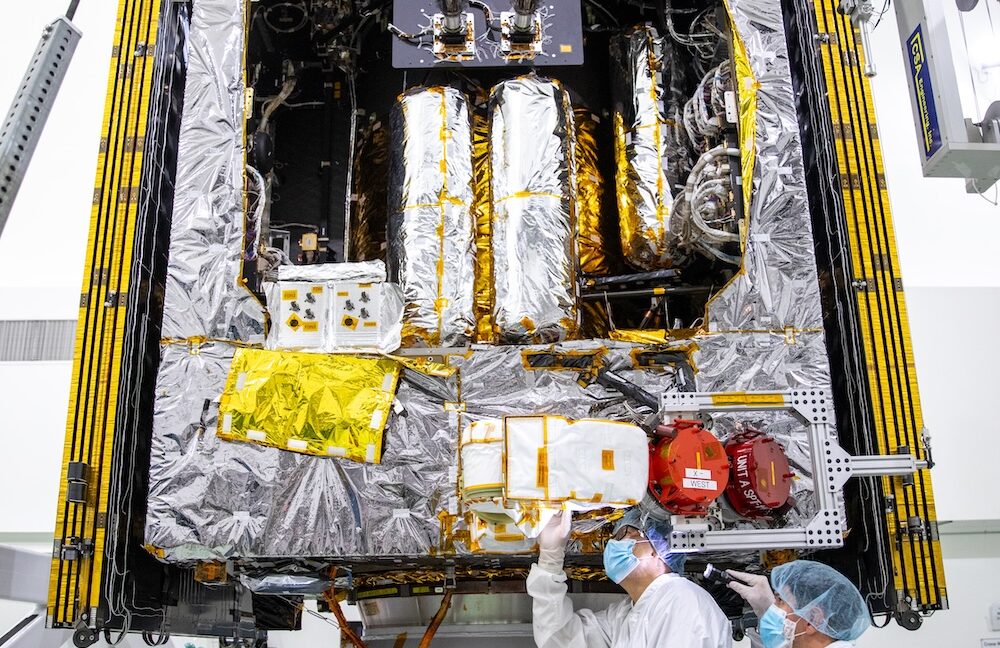
NASA’s Psyche spacecraft hits a speed bump on the way to a metal asteroid
NASA’s Psyche spacecraft, located nearly 150 million miles from Earth on the way to an unexplored metal asteroid, has stopped firing its engines after detecting a problem in its propulsion system. NASA published an update Tuesday revealing that the robotic spacecraft shut off its plasma thrusters earlier this month. The news wasn’t widely shared until…
-

Juno reveals Io’s inner structure and volcanic activity; investigates north pole cyclones
New data from NASA’s Juno mission, which has been orbiting Jupiter since 2016, has provided scientists with insight into the extreme winds and cyclones present within the gas giant’s atmosphere. The data allowed scientists to develop a model that better represents the fast jet stream circling Jupiter’s north pole, which is cluttered with many cyclones.…
-
Curiosity discovers carbonate mineral, provides insight into disappearance of ancient atmosphere
NASA’s Curiosity rover, which has been driving around the surface of Mars for over 12 years, recently discovered a mineral called siderite on the slopes of Mount Sharp in Gale Crater. Interestingly, siderite might be the mineral that helps planetary scientists finally solve the mystery of where Mars’ carbon dioxide-rich atmosphere went. Solving such a…
-

ESO’s VLT reveals inner wind layers of distant exoplanet
Using data from the four telescopic units of the European Southern Observatory’s (ESO) Very Large Telescope (VLT), a team of scientists has successfully peered into the atmosphere of an exoplanet for the first time. Moreover, the data allowed the team to create a three-dimensional map of the atmosphere. The results showed powerful winds within the…
-

Webb investigates protoplanetary disk in extreme detail, observes glowing interstellar material
The joint NASA, European Space Agency (ESA), and Canadian Space Agency (CSA) James Webb Space Telescope, located at the Sun-Earth Lagrange Point 2, recently utilized its extraordinary suite of infrared instruments to investigate and image a protoplanetary disk around a newborn star. Webb’s observations provided scientists with unprecedented views of the disk, material jets, and…
-
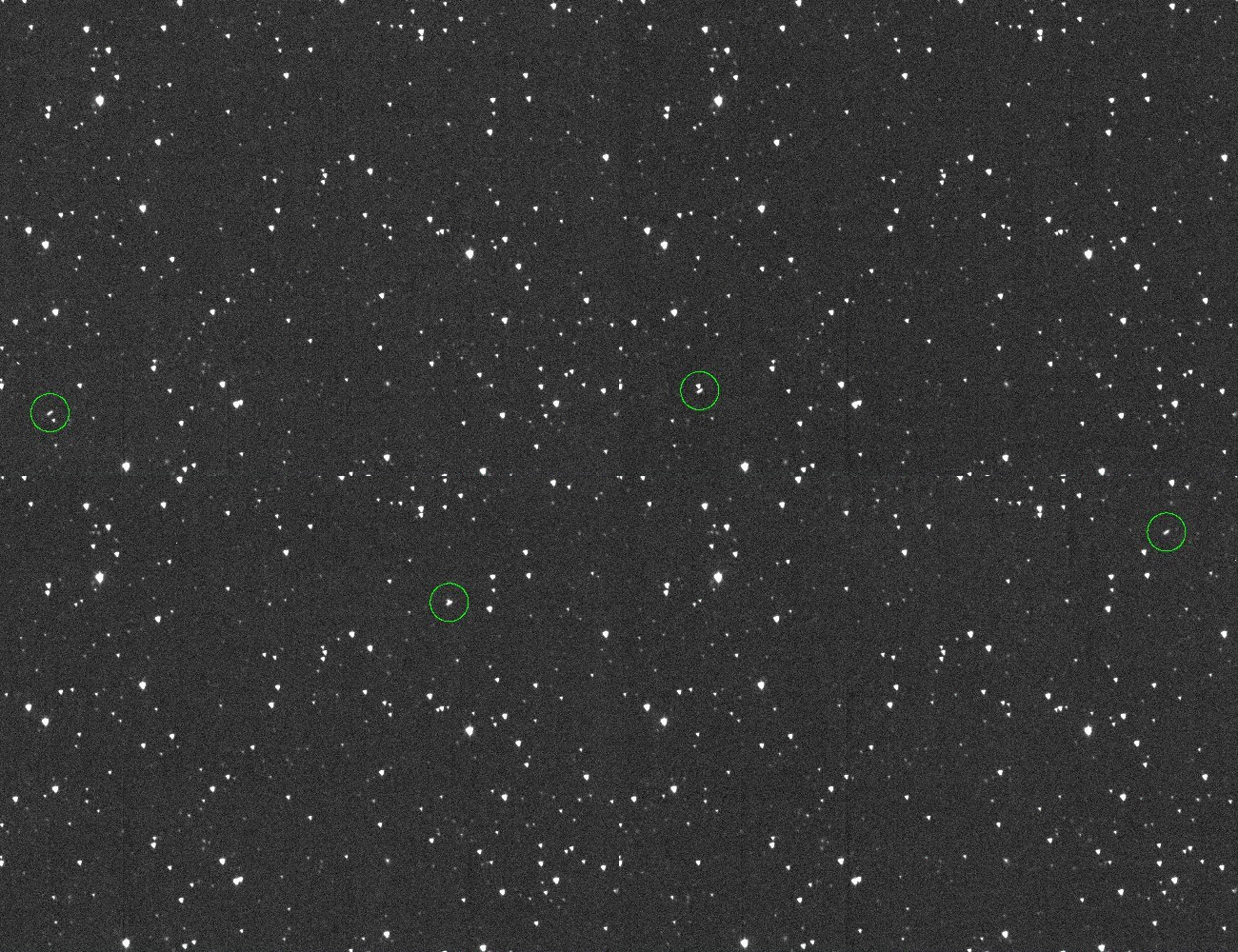
Don’t panic, but an asteroid has a 1.9% chance of hitting Earth in 2032
Something in the sky captured the attention of astronomers in the final days of 2024. A telescope in Chile scanning the night sky detected a faint point of light, and it didn’t correspond to any of the thousands of known stars, comets, and asteroids in astronomers’ all-sky catalog. The detection on December 27 came from…