
Tag: Planetary Science
-
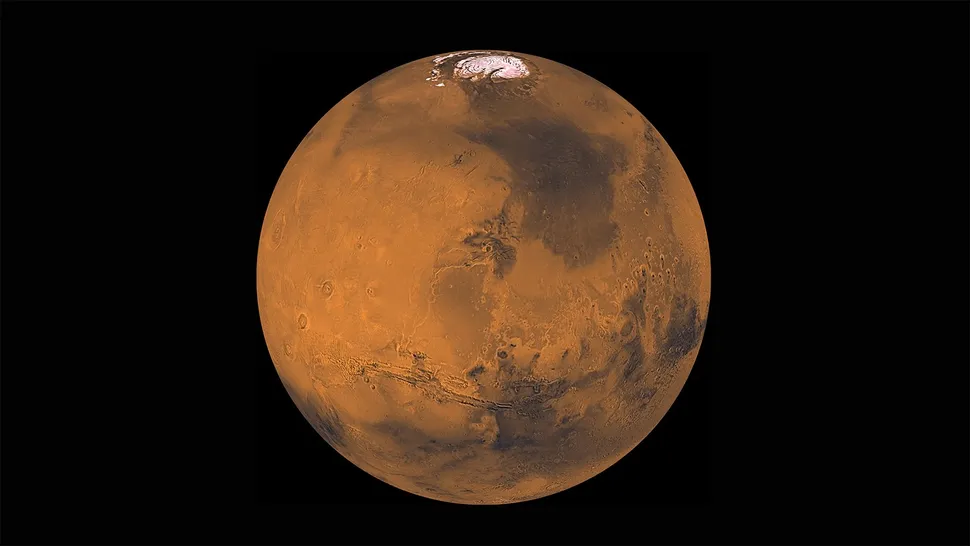
China Advances Tianwen-3 Mars Sample-Return Mission Toward 2028 Launch
China has moved hardware for its Tianwen-3 Mars sample-return mission into prototype development, maintaining plans for two Long March 5 launches in late 2028 and the return of approximately 500 grams of Martian material to Earth around 2031. If successful, the mission would complete the first direct return of samples from Mars and could give…
-
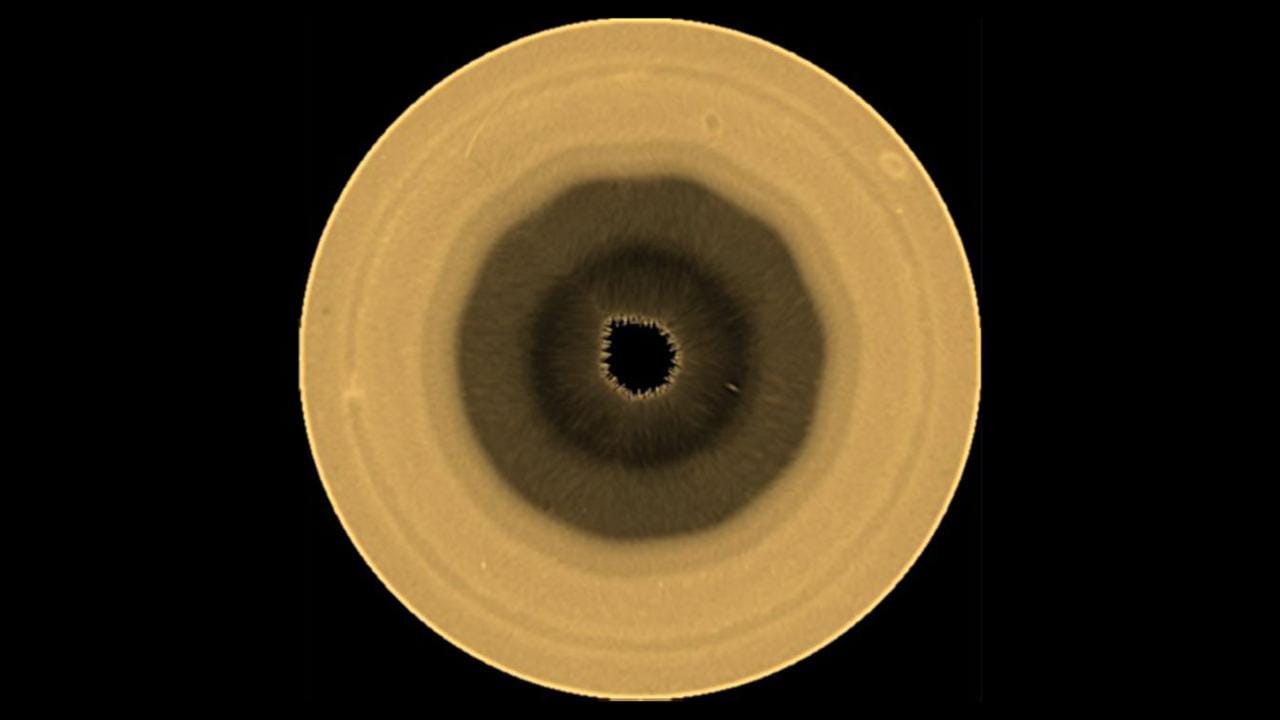
Saturn’s South Polar Decagon: What Could Have Created Hubble’s Newly Identified Atmospheric Wave?
NASA’s Hubble Space Telescope has revealed a giant, evolving ten-sided atmospheric wave around Saturn’s south pole—the first large, regular-sided jet pattern observed in the planet’s southern hemisphere. Known as a decagon, the feature appears in observations dating back to 2023 and has become increasingly distinct, offering scientists a rare opportunity to track the development of…
-
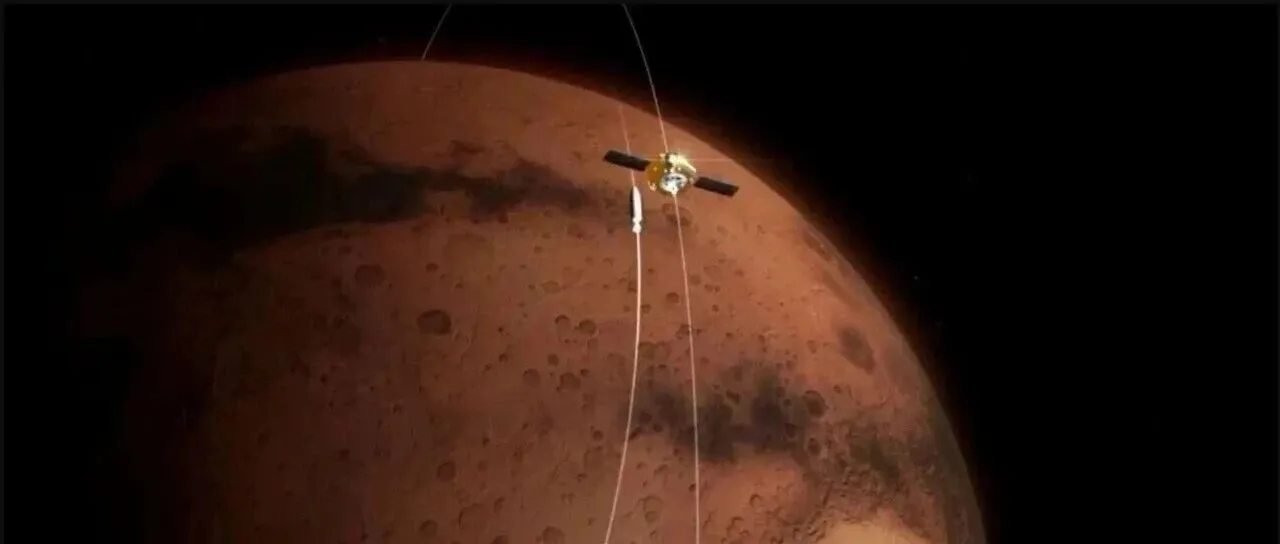
Tianwen-3 to Dig Up Martian Soil and Bring It Back to Earth, a First for Humanity
As a key step in China’s planetary exploration program, the Tianwen-3 Mars sample return mission is expected to become the first successful Mars sample return mission in human history. At the 2026 Deep Space Exploration (Tiandu) International Conference held on September 3, Academician Hou Zengqian of the Chinese Academy of Sciences, the chief scientist of…
-
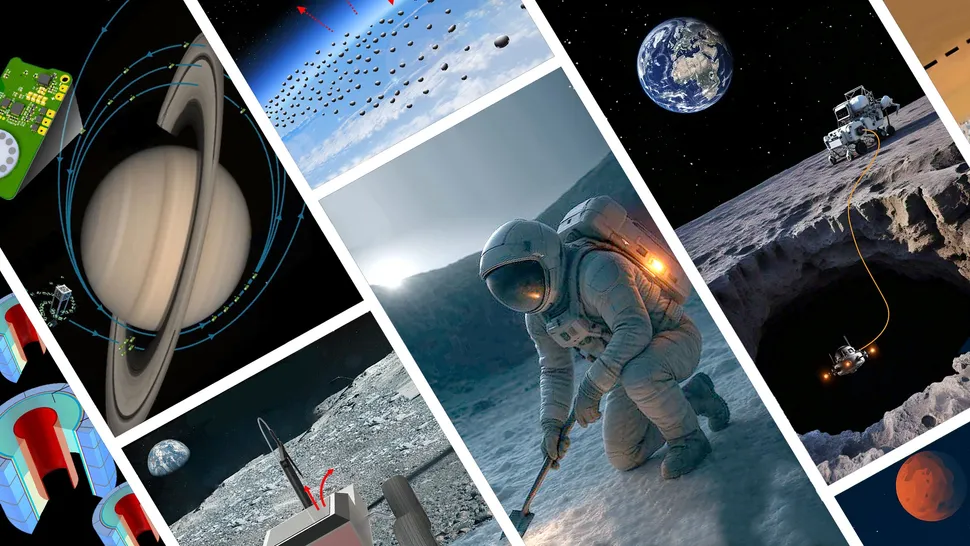
NASA Backs 18 Visionary Space Concepts, Including a Swarm of 10,000 Femtosatellites for Saturn Exploration
NASA has selected 18 early-stage technology concepts for funding under its 2026 NASA Innovative Advanced Concepts (NIAC) program, supporting a diverse portfolio of futuristic ideas ranging from lunar cave exploration and Venus-hardened spacecraft to a proposed fleet of 10,000 miniature satellites designed to probe Saturn’s rings. The agency announced on July 29 that the 18…
-
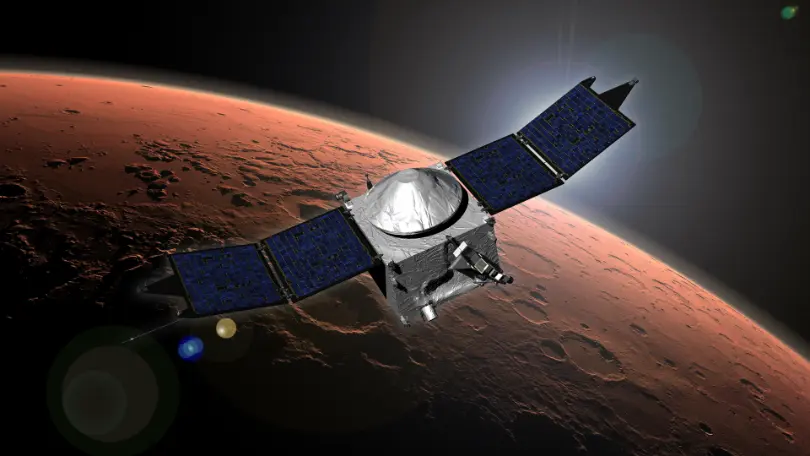
NASA concludes MAVEN mission at Mars, uses data to discover new atmospheric phenomenon
Following a six-month battle to regain communication with its Mars Atmosphere and Volatile Evolution (MAVEN) spacecraft around Mars, NASA announced the conclusion of the MAVEN mission on June 3rd. The mission, which launched to the red planet in 2013, studied the Martian atmosphere and its evolution for 11 years — over a decade longer than…
-
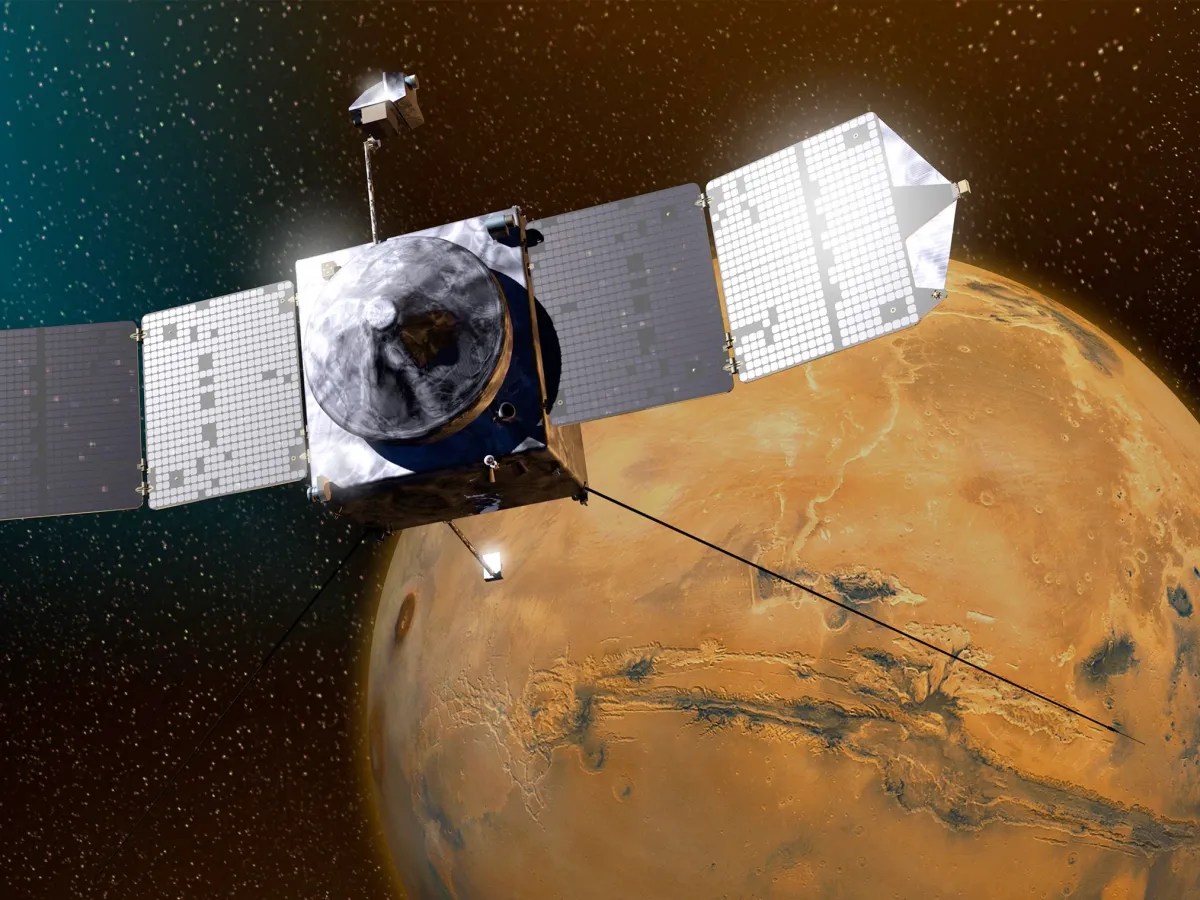
NASA Declares MAVEN Mars Mission Ended After Spacecraft Falls Silent
NASA has officially declared the end of its MAVEN mission after the spacecraft orbiting Mars became unresponsive and could not be recovered following a communications loss that began in December. The agency confirmed the mission’s conclusion on Wednesday, bringing to a close more than a decade of scientific observations of the Red Planet. Contact Lost…
-
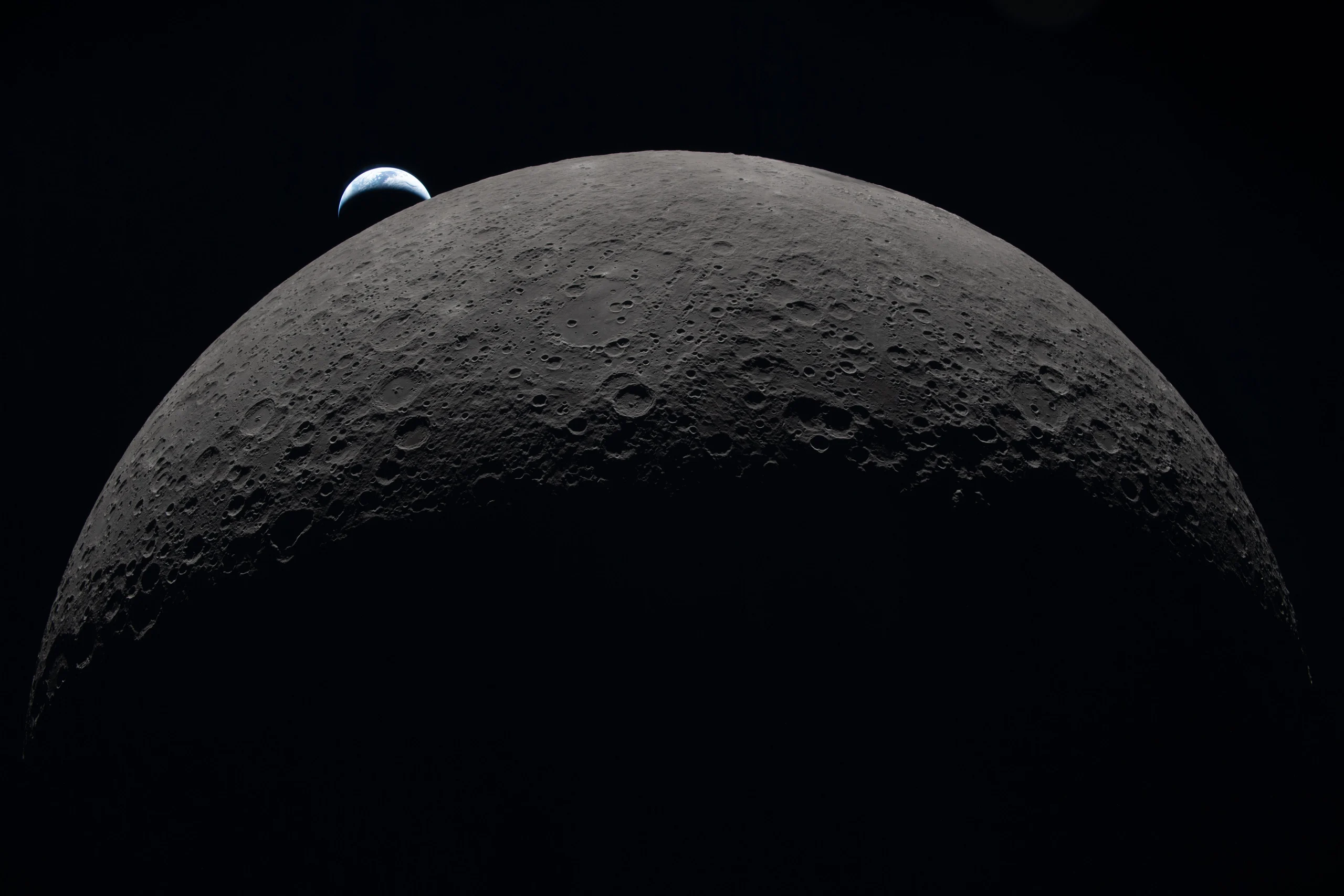
The Moon is already on Google Maps—did Artemis II really tell us anything new?
The data pipeline from NASA’s Artemis II mission opened to full blast a few hours after looping behind the far side of the Moon on Monday night, when the Orion spacecraft established a laser communications link with a receiving station back on Earth. A cache of high-resolution images began streaming down through this connection. NASA…
-
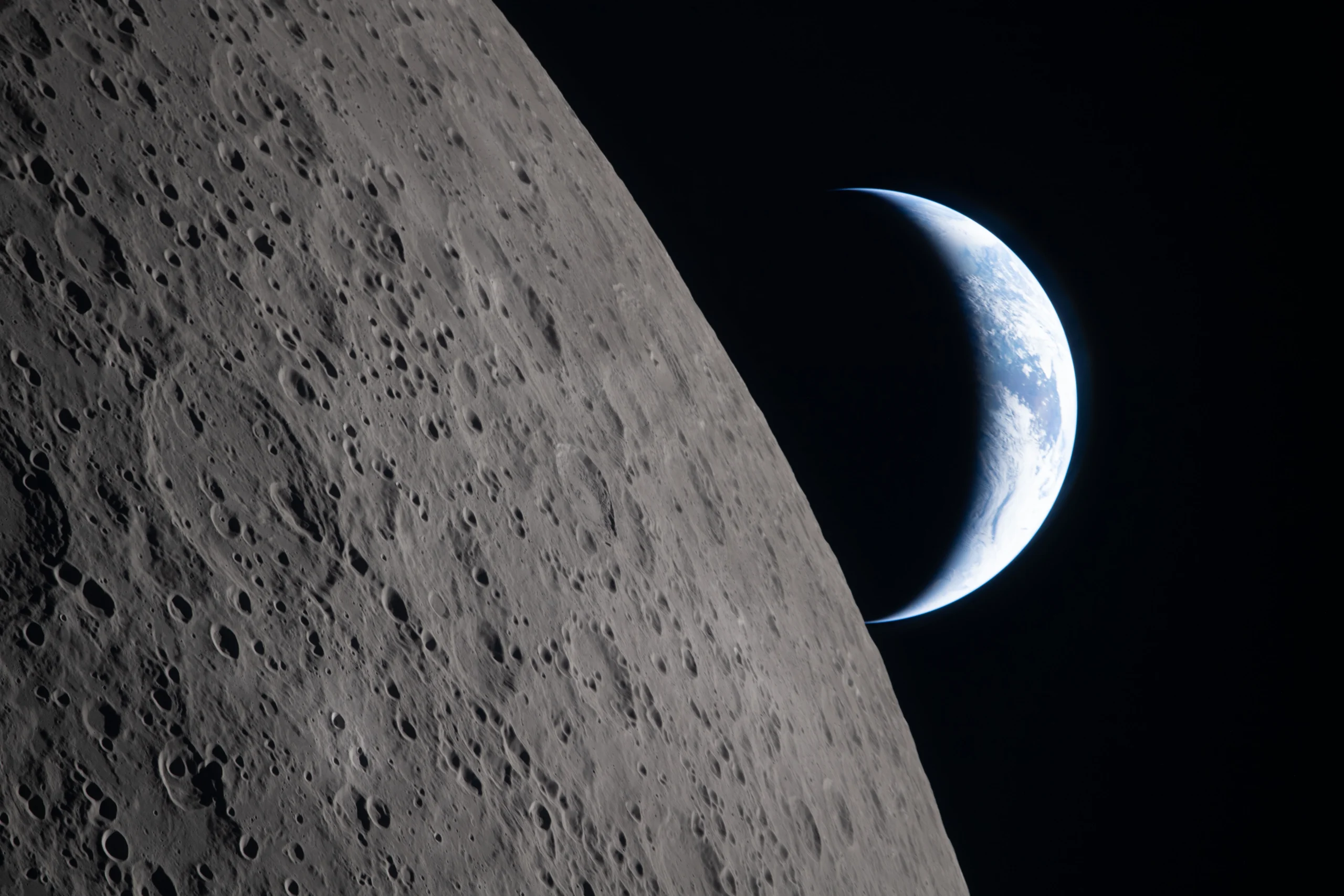
Astronauts set distance record, revealing the Moon as a place to be explored
After staring at the Moon for almost eight hours Monday, the commander of NASA’s Artemis II mission finally ran out of ways to describe what he was seeing. “No matter how long we look at this, our brains are not processing this image in front of us. It is absolutely spectacular, surreal,” said Reid Wiseman,…
-

Juno data provides insight into thickness of Europa’s surface ice sheet
Using recent data from NASA’s Juno orbiter, scientists have uncovered new details on the thickness and structure of Europa’s surface ice shell, which encases the Jovian moon’s subsurface ocean. For planetary scientists and astrobiologists, Europa’s ocean makes the moon one of the most likely places for life to exist outside of Earth. Since entering orbit…
-
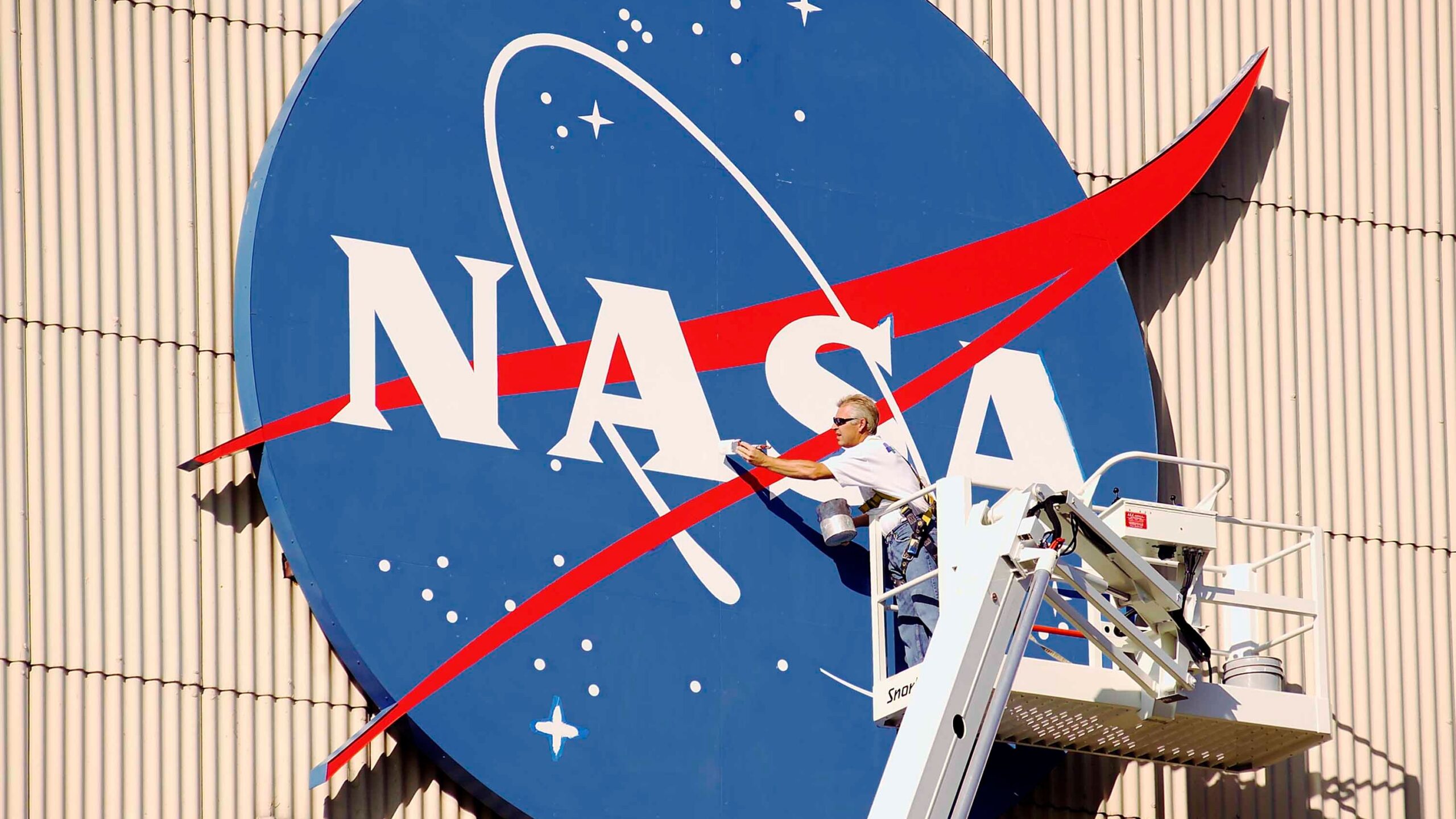
NASA to End Funding for Independent Planetary Science Advisory Groups
NASA said it will end financial support for a network of independent advisory groups that for decades have helped guide the agency’s planetary science research, a move that limits formal channels for outside scientific input and reduces public visibility into agency operations. The decision was communicated late Friday in a letter from Louise Prockter, director…