
Tag: Planetary Science
-

Juno observes lava lake on Io, provides insight into Jupiter’s water abundance
In December 2023 and February 2024, NASA’s Juno spacecraft, currently in orbit around and investigating Jupiter and the Jovian system, made several close flybys of the innermost of the Galilean moons, Io. During the flybys, Juno came as close as 1,500 kilometers from the surface of Io, during which extensive data and imagery of the…
-
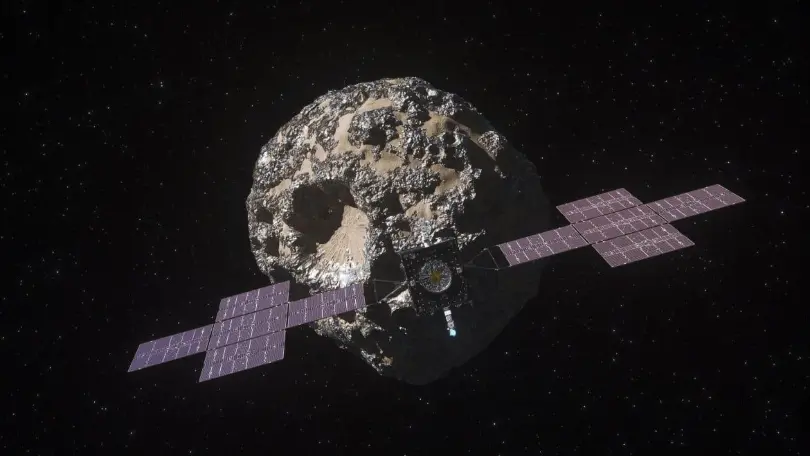
NASA’s Psyche captures its “first light,” continues testing other instruments
On Dec. 4, the cameras of NASA’s Psyche spacecraft took their first images 26 million kilometers away from Earth. This milestone, called “first light,” was one of many the agency needed to complete on its way to its destination, a metallic asteroid called 16 Psyche. The spacecraft is set to reach this asteroid in the…
-

Data from Kepler reveals reason behind shrinking exoplanets
Located throughout the universe, there are billions — possibly even trillions — of exoplanets orbiting around stars of varying shapes, sizes, colors, and more. Like the stars they orbit, exoplanets also come in many different shapes, sizes, and colors, with scientists classifying exoplanets into one of four groups: gas giants, super-Earths, sub-Neptunes, and terrestrial. Interestingly,…
-
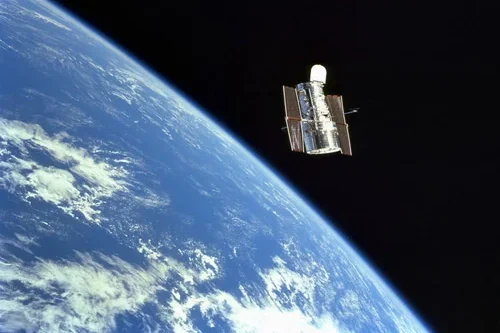
NASA, SpaceX launch Psyche mission to metallic asteroid
NASA and SpaceX teams launched the agency’s Psyche mission to metallic asteroid 16 Psyche from Florida on Friday, Oct. 13. Psyche launched atop a SpaceX Falcon Heavy rocket from Launch Complex 39A (LC-39A) at the Kennedy Space Center in Cape Canaveral, Florida. Launch occurred at 10:19 AM EDT (14:19 UTC). Psyche is the first mission…
-
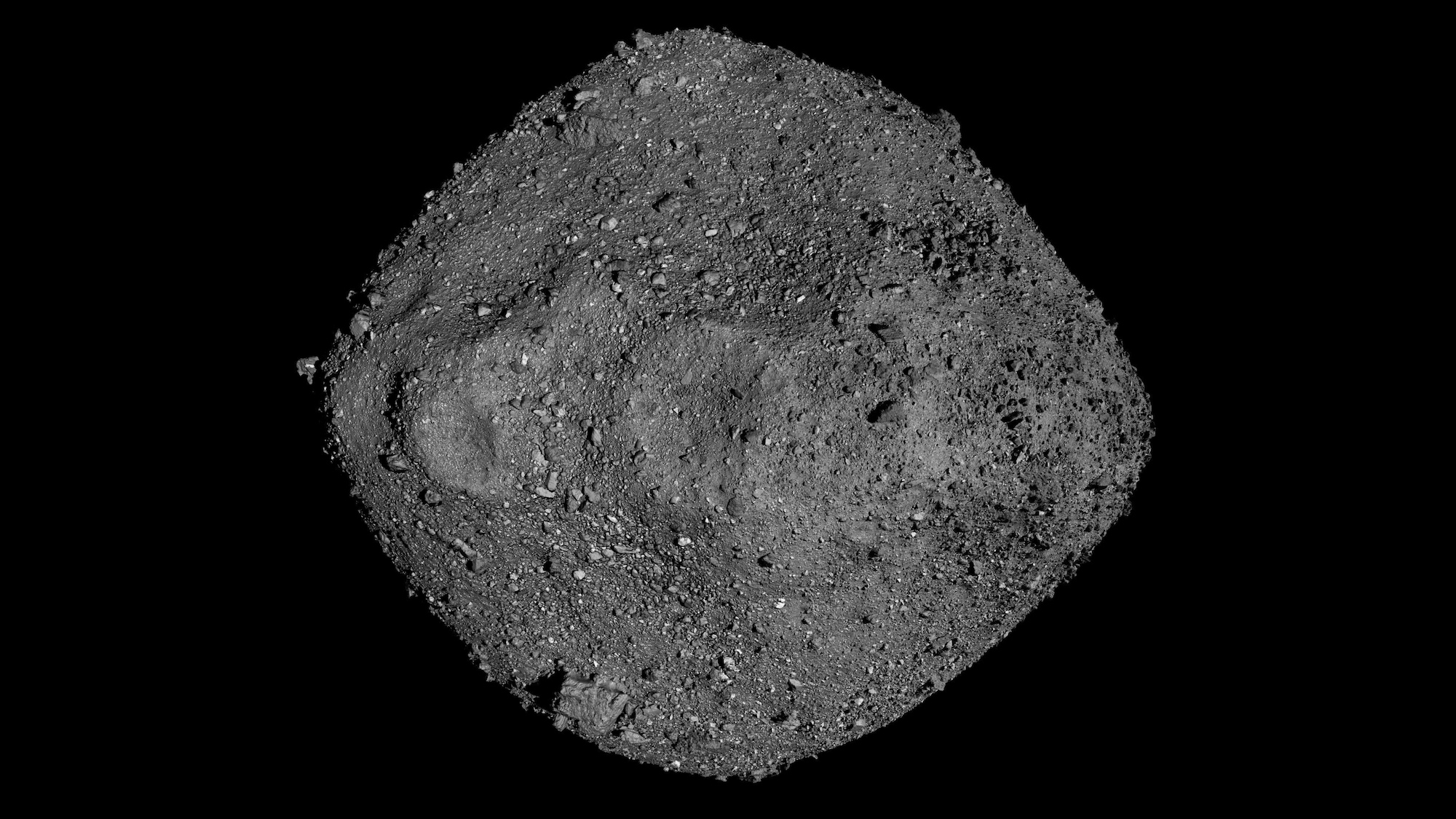
NASA’s asteroid sampling mission is on course for landing this weekend
A NASA spacecraft will complete a round-trip journey to an asteroid this weekend, returning to Earth after a seven-year voyage to bring back unspoiled rock specimens from an alien world that could yield insights into the formation of life. The landing Sunday at 8:55 am local time in Utah (10:55 am EDT or 14:55 UTC)…
-
OSIRIS-REx teams conduct final rehearsals before sample capsule return in September
The OSIRIS-REx spacecraft, launched in September 2016, is now less than a month away from bringing back samples from asteroid Bennu. NASA conducted a press conference on Aug. 30 to preview the Sept. 24 landing at the Dugway Proving Ground in Utah. To prepare for the landing, NASA conducted an end-to-end capsule retrieval exercise on…
-
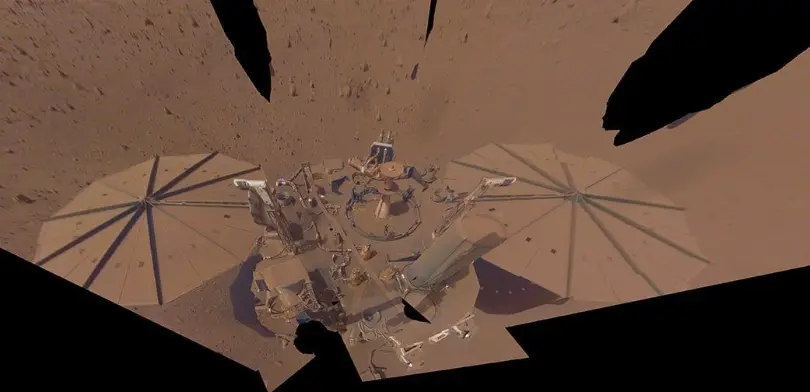
Using data from InSight, scientists discover that Mars is rotating faster
In December 2022, NASA lost contact with its Interior Exploration using Seismic Investigations, Geodesy and Heat Transport (InSight) Mars lander, which had been operating on the Martian surface for just over four years. In the time since InSight’s mission was declared over, scientists have continued to analyze the incredible data the lander collected and have…
-
Scientists, using Webb, discover water vapor within a planet-forming disk
Using the joint NASA/European Space Agency/Canadian Space Agency James Webb Space Telescope, a team of scientists has discovered, for the first time, water vapor within a planet-forming disk. The water vapor, which was found within the inner disk of two circumstellar disks around star PDS 70, is allowing scientists to research the ways by which…
-

New legged robots designed to explore planets as a team
While rovers have made incredible discoveries, their wheels can hold them back, and erratic terrain can mean damage. There is no replacing something like Perseverance, but sometimes rovers could use a leg up, and they could get that from a small swarm of four-legged robots. They look like giant metal insects, but the trio of…
-
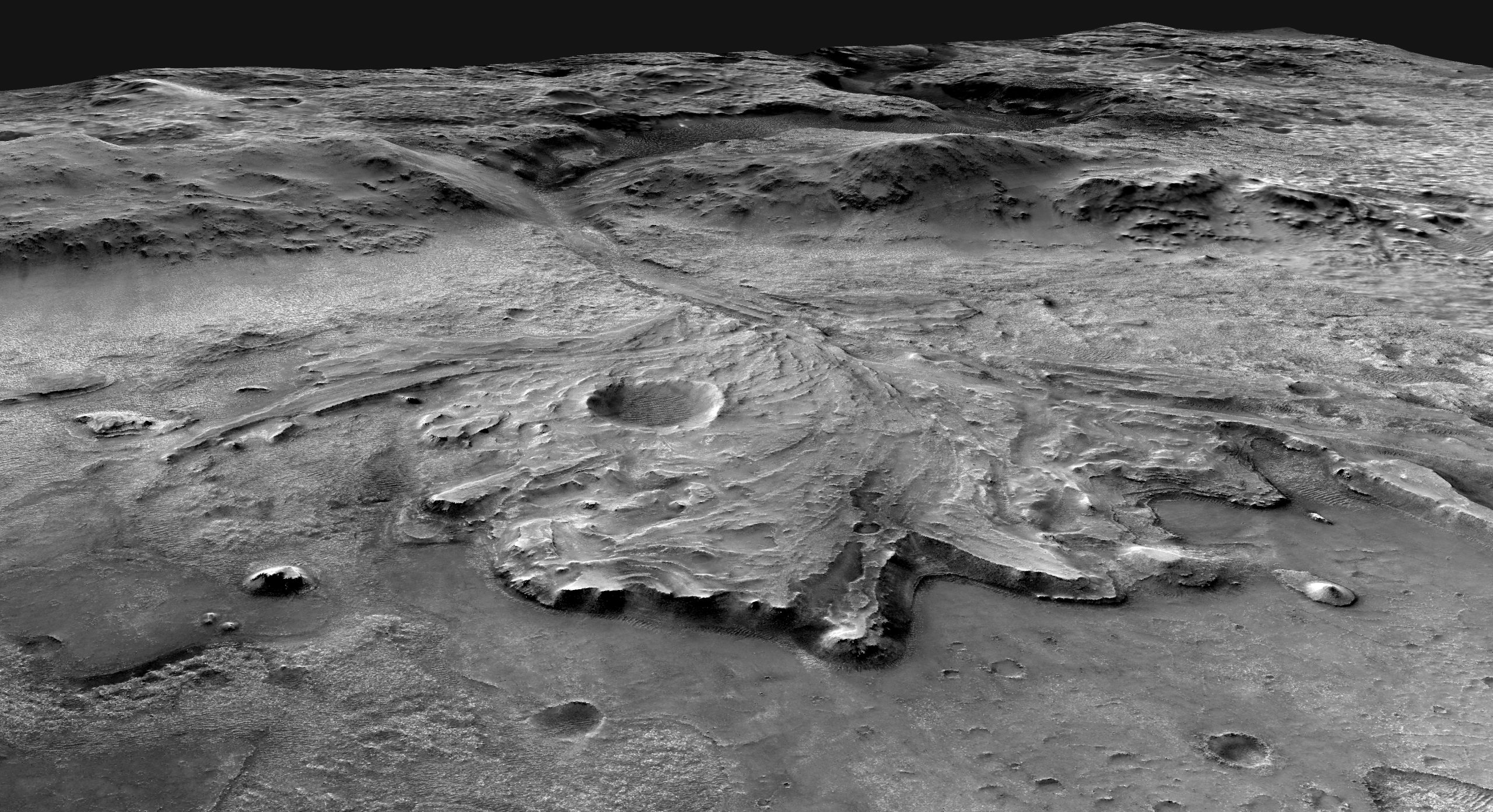
Rover sampling finds organic molecules in water-altered rocks on Mars
Organic chemicals, primarily composed of carbon and hydrogen, underly all of life. They’re also widespread in the Universe, so they can’t be taken as a clear signature of the presence of life. That creates an annoying situation regarding the search for evidence of life on Mars, which clearly has some organic chemicals despite the harsh…