
Tag: satellite data
-
5 Ways to Use Satellite Data For Health
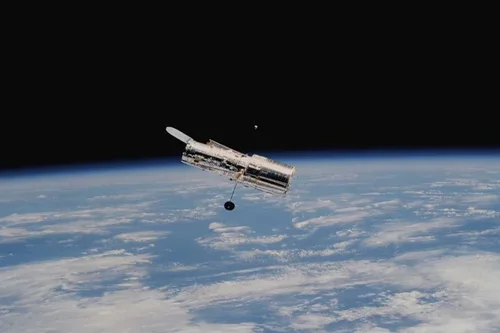
Conversations about satellite data are usually geared around a few narrow industries. However, there is much more that can be done with this technology regarding healthcare. For instance, earth-observation imagery can provide insight and information about the wellness of populations on a larger scale. Healthcare entities can benefit from this knowledge and employ proactive strategies…
-
Mapping racial diversity with satellite data
Tomasz Stepinski describes himself as a “physicist, astrophysicist, planetary scientist and mathematician.” Having spent numerous years in Houston making computer models to map out craters and valleys on Mars for NASA, he accepted the distinguished post of Chair of Space Exploration at the University of Cincinnati’s Geography department. Unfortunately, he did not find many admirers…
-
Free Sources of Satellite Data
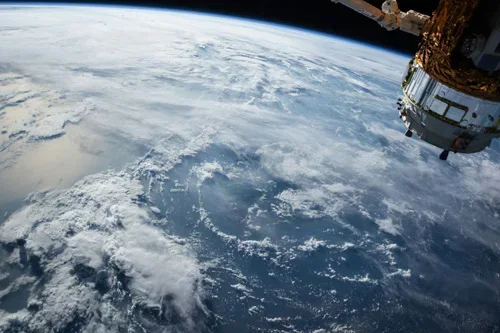
There are many sources of satellite data you can use depending on your needs. Some platforms will let you view the data in your browser, some offer download options so you can process it and extract meaningful insights. Some focus on open (free) satellite imagery, some focus on the highest resolution satellite imagery available for…
-
What does real-time satellite data really look like?
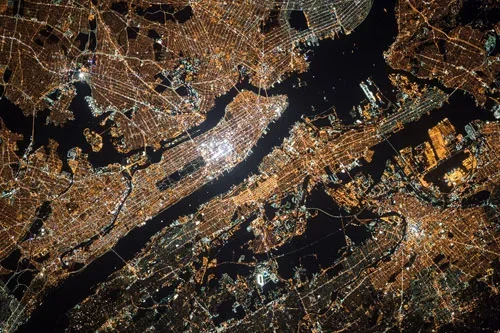
Real-time satellite data is a trendy concept and a question that our customers sometimes ask. But real-time satellite data is not what you think it is. As with most high-quality feeds, limitations on data refresh come from transfer speeds and processing speeds. In best-case scenarios, it could take only a few minutes between data capture…
-
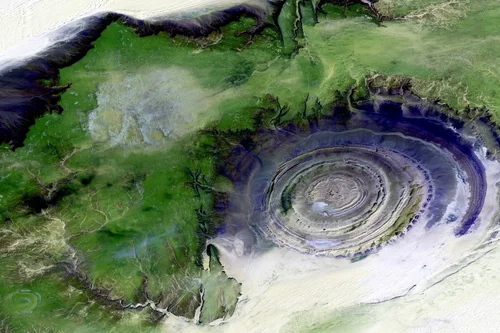
Locating uranium deposits with satellite data
Current methods for locating new sources of uranium are often time-consuming and costly, requiring governments and mining companies to fly aircrafts over large swaths of land in remote areas. But with Earth observation data being more accessible and computers’ improved processing power, utilizing satellites to detect features in faraway places has become a much more…