
Tag: satellite remote sensing
-

Water Security Enters the Energy Resilience Agenda: How Can Remote Sensing Support Water Monitoring Around Industrial Sites?
Taking place in Abu Dhabi from November 2 to 5, ADIPEC 2026 brings water security into discussions on energy investment and industrial cooperation. Dr Abdulla Humaid Al Jarwan, Chairman of the Abu Dhabi Department of Energy, identified water security, renewable energy and computing capacity as proposed areas of collaboration between Abu Dhabi and the Canadian…
-

AI Expansion Drives Electricity Demand: How Can Transmission Corridor Monitoring Keep Pace?
Taking place in Abu Dhabi from November 2 to 5, ADIPEC 2026 brings energy demand and infrastructure investment into the same conversation. During a panel on energy security and system resilience, bp CEO Meg O’Neill, RWE CEO Markus Krebber, and Oxy President and CEO Richard Jackson discussed how AI is reshaping both. As data centre…
-

ADIPEC 2026 Highlights Maritime Awareness: Monitoring Risks Around Offshore Energy Infrastructure
Taking place in Abu Dhabi from November 2 to 5, ADIPEC 2026 brings attention to the reliable operation of offshore platforms, subsea pipelines and export terminals. In its exhibition feature, Fugro extends the monitoring focus beyond infrastructure itself to the surrounding waters, where vessel activity, positioning reliability and changes in marine conditions can all influence…
-

China Establishes Unified Standards for GNSS Radio Occultation
China has approved four recommended national standards covering the full technical chain of GNSS radio occultation, from spaceborne sensing payloads to data processing and exchange, the State Administration for Market Regulation and the Standardization Administration of China said Sept. 11. The standards were developed under the coordination of the China Meteorological Administration and are intended…
-
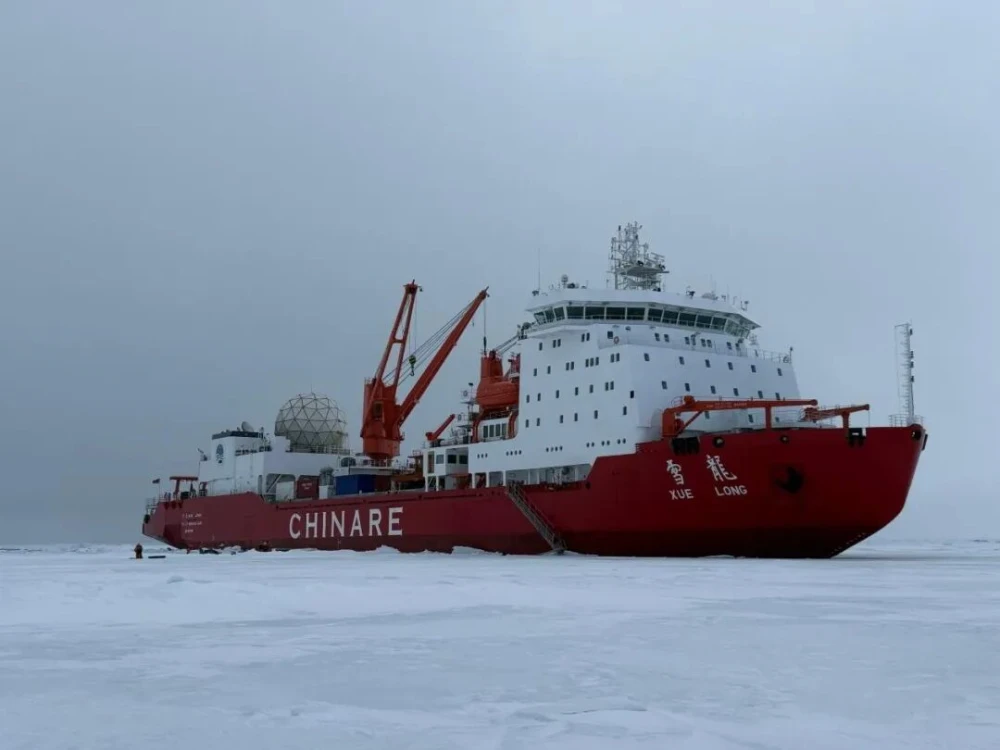
‘Xuelong’ Receives and Processes HY-1E Data in Arctic, Expanding Real-Time Satellite Support for Polar Navigation
China’s icebreaker Xuelong successfully received and processed data from the HY-1E ocean-color satellite while sailing at high speed in the Arctic on Aug. 27, marking the first time the vessel’s shipborne satellite remote sensing system has acquired and processed data from the new-generation satellite in the region. The system maintained stable tracking of the HY-1E…
-
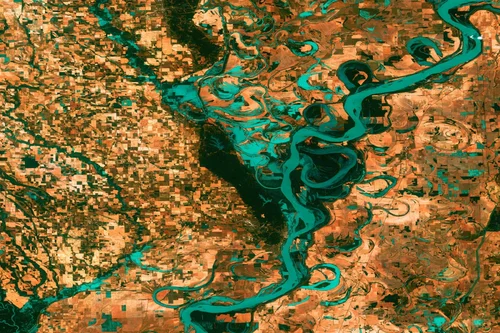
China’s Butuo County Deploys Satellite Remote Sensing and Low-Altitude Drones for Agriculture and Governance
Across China, satellite remote sensing and low-altitude drones are increasingly being deployed in rural agriculture. From monitoring crop growth and identifying pests and diseases to conducting precision spraying and assessing natural-disaster risks, the integration of space-based and aerial technologies is helping improve agricultural productivity, reduce labor costs and modernize rural governance. Butuo County in Sichuan…
-
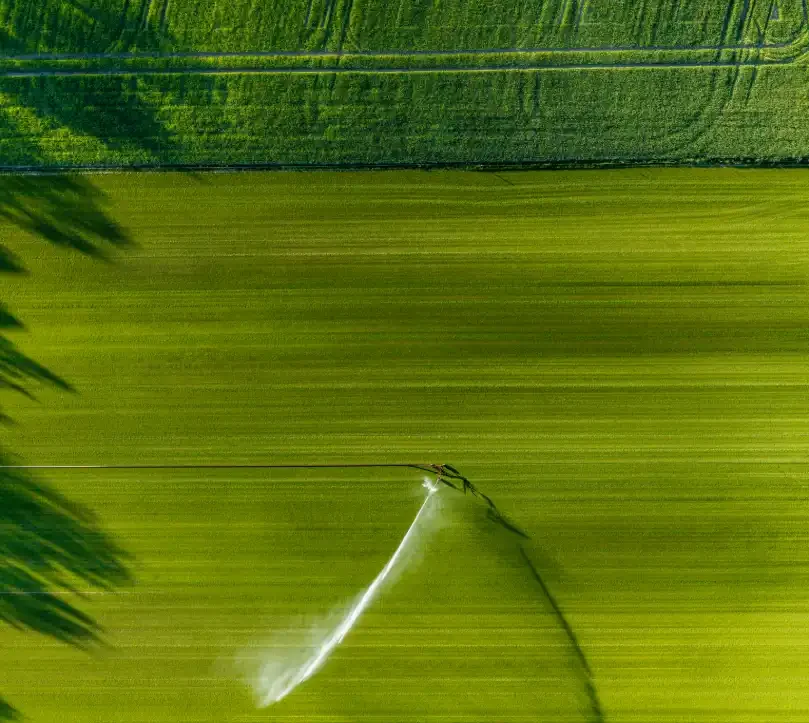
From Crop Health to Irrigation Management: How Satellite Remote Sensing Can Help Agriculture Respond to Growing Water Pressure
In the summer of 2026, drought across Europe and the developing El Niño once again drew attention to risks affecting agricultural production and food security. On August 13, the Associated Press reported that persistent heat and drought were affecting agricultural production across Europe, putting crops ranging from potatoes in the Netherlands and maize in Bosnia…
-
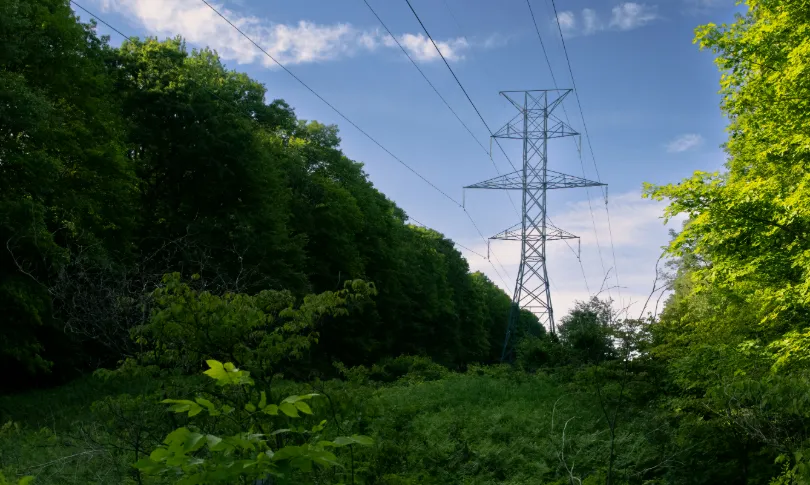
From Post-Disaster Repairs to Early Warning: How to Identify High-Risk Power Line Corridors for Vegetation Management
In early August 2026, the Bradley Creek wildfire spread rapidly amid strong winds in British Columbia’s Okanagan region, causing severe damage to local infrastructure, widespread power outages, and emergency evacuations. In an August 3 incident update, local utility BC Hydro reported extensive damage to its electrical system. Approximately 150 distribution poles had been identified for…
-
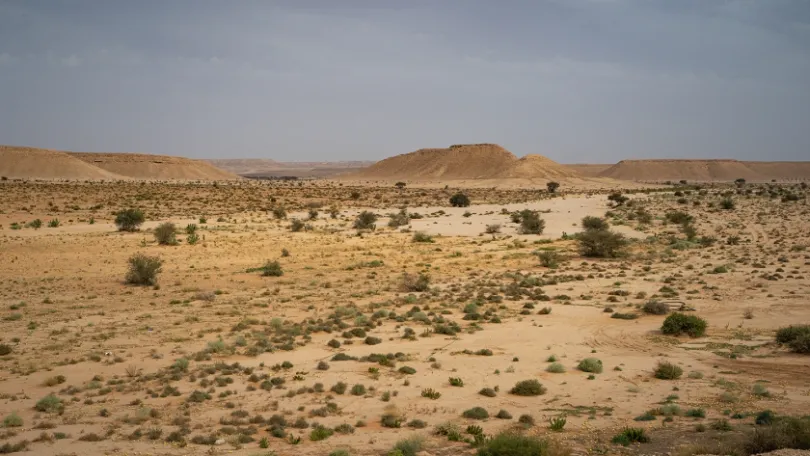
Saudi Arabia Launches 142 Sustainable Investment Opportunities: Satellite Remote Sensing Advances Ecological Monitoring
On July 3, 2026, Saudi Arabia’s National Center for Vegetation Cover Development and Combating Desertification (NCVC), in cooperation with the Federation of Saudi Chambers, announced 142 sustainable investment opportunities across the Kingdom. Covering more than 60 million square meters, the opportunities have investment periods ranging from five to 25 years and include potential projects in…
-
The Need for Environmental Impact Assessments of Oil Fields
Environmental impact assessments of oil fields are a common practice in the industry due to the risks involved in oil exploration and production. From land degradation to water contamination, the ecological footprint of oil fields can be substantial. As companies strive to balance resource extraction with environmental responsibility, advanced monitoring solutions are needed to track…