
Tag: Space Debris
-
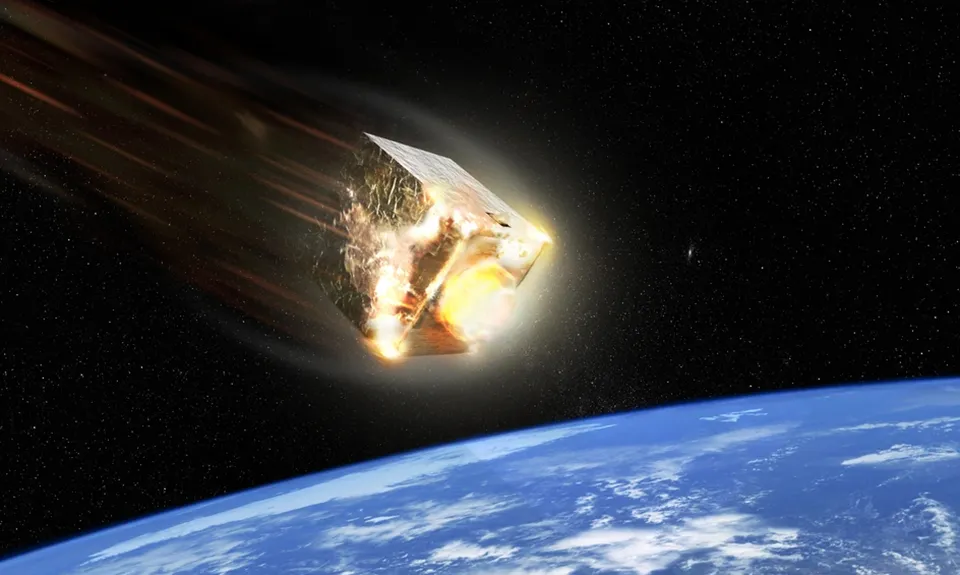
ESA Records Final Cluster Satellite Reentries in South Pacific Airborne Campaign
The European Space Agency’s final two Cluster satellites, Samba and Tango, reentered over a remote part of the South Pacific on August 31 and September 1, 2026, ending the four-spacecraft mission after 26 years. Scientists aboard a research aircraft flying from Tonga recorded both breakups with 29 of their 30 instruments, gathering data to improve…
-
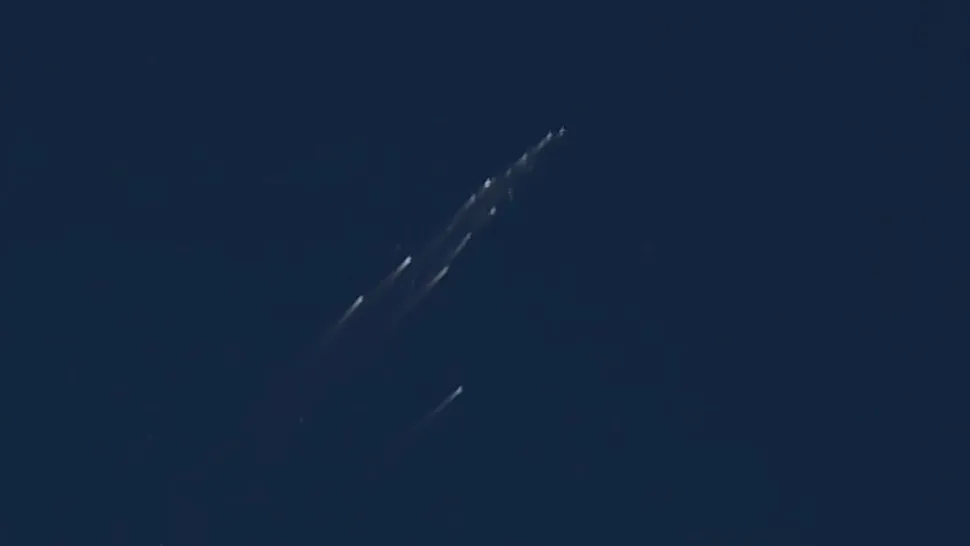
Scientists Watch Two ESA Satellites Burn Up from a Private Jet
The European Space Agency’s Tango satellite disintegrated above the Pacific Ocean on Sept. 1, 2026. observed by a team of researchers from aboard a private jet. (Image credit: ESA/ROSIE/University of Stuttgart (HEFDiG)) Scientists aboard an instrumented Falcon 900 business jet recorded the atmospheric destruction of the European Space Agency’s Samba and Tango satellites over the South…
-

Project-S Emerges from Stealth With Funding for Space-Based Radar, Targets October Demonstration
Munich-based Project-S publicly emerged from stealth on September 2, 2026, announcing multi-million-euro backing to develop space-based radar for detecting and tracking orbital debris. The startup plans to launch its first radar demonstrator aboard a SpaceX Transporter rideshare mission in October, an initial step toward providing satellite operators with better information on small objects that threaten…
-

Isar Aerospace to Launch Astroscale’s ADRAS-J2 Mission to Capture and Remove Three-Ton Space Debris
Astroscale Japan has selected Isar Aerospace to launch ADRAS-J2, a robotic spacecraft designed to capture and deorbit a three-ton abandoned rocket stage. The mission is intended to become the first to remove an existing large piece of orbital debris that was not designed for servicing or retrieval. The companies announced the launch agreement on September…
-

When a Satellite Fails, Will Insurers Pay the Claim or Fund a Repair Mission?
In 1984, two communications satellites, Westar 6 and Palapa B2, were placed into incorrect orbits due to an upper-stage malfunction. Their insurers were already facing a massive loss, but instead of simply paying out the claims, they signed an agreement with NASA to have the Space Shuttle retrieve the two satellites from space and return…
-

As Satellites Multiply, Does Space Need “Traffic Police”? A Survey of China’s Space Traffic Management Companies
Suppose a satellite receives an alert in the early hours of the morning: in 36 hours, it may pass dangerously close to a defunct rocket fragment. The predicted miss distance is only a few hundred meters. That sounds alarming, but operators cannot immediately fire the thrusters and change orbit. They must first determine whether the…
-
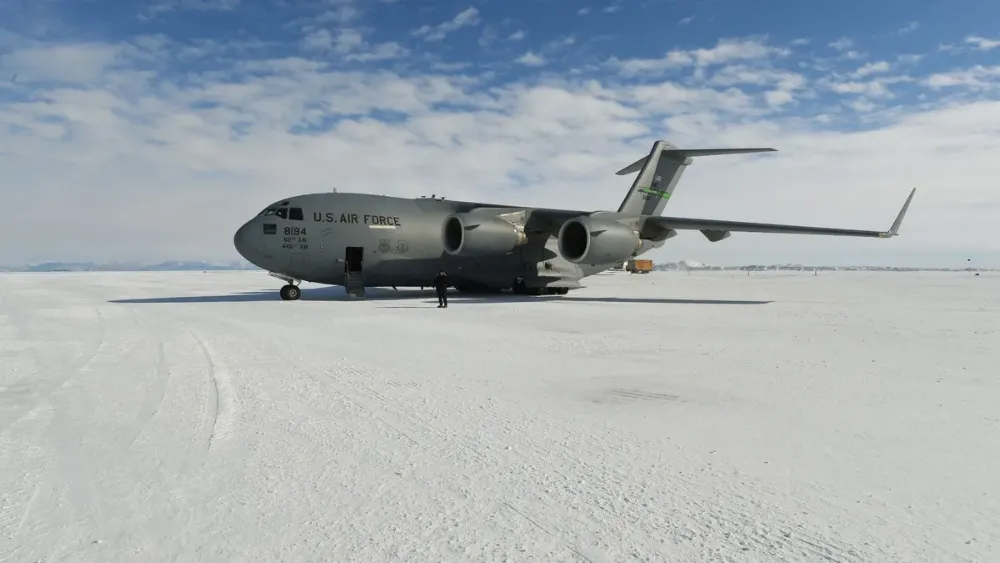
Russian Space Activity Forces U.S. Air Force C-17 to Turn Back From Antarctica
A U.S. Air Force C-17 Globemaster III bound for Antarctica turned around over the Southern Ocean on Aug. 18 after aviation authorities warned of potentially hazardous Russian space activity and possible debris. The incident highlights a growing operational problem for both military and commercial aviation: activity in space can increasingly create hazards hundreds of thousands…
-
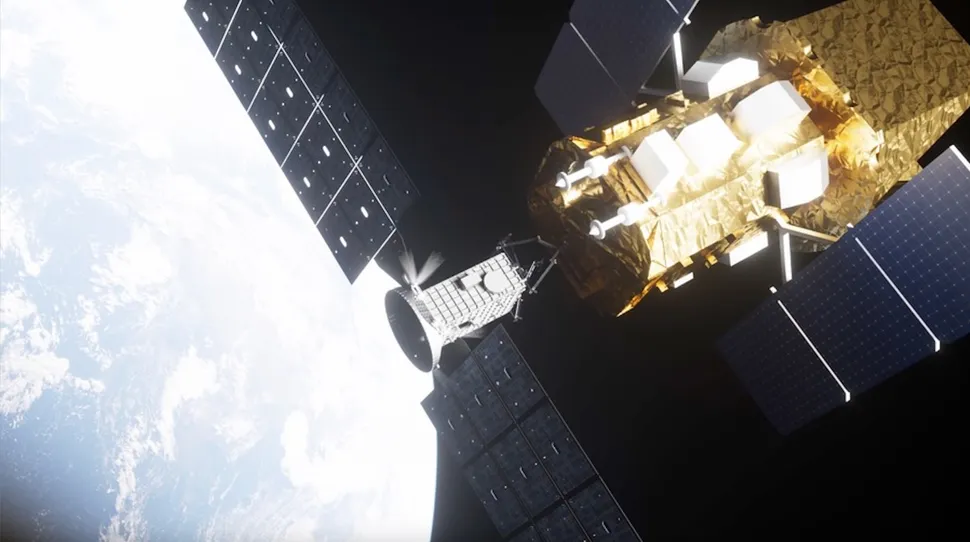
NASA Ends Swift Telescope Rescue After Private Servicer Loses Attitude Control
NASA has called off the effort to save the Neil Gehrels Swift Observatory after the private spacecraft sent to raise the aging telescope’s orbit failed to overcome persistent attitude-control problems. The Swift Boost mission was intended to demonstrate a new model for satellite servicing: instead of replacing an aging spacecraft, a relatively small commercial vehicle…
-
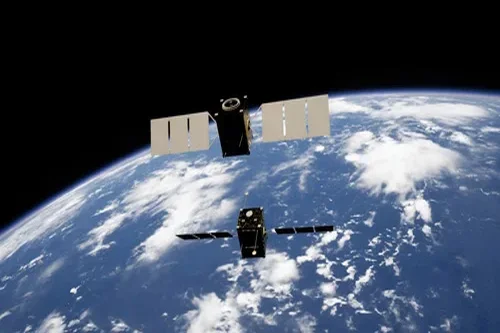
Kreios Space Advances VLEO Technology to Enable Long-Duration Satellite Missions
Kreios Space is developing a new generation of satellite technology designed to enable sustained operations in Very Low Earth Orbit (VLEO), approximately 200 km above Earth. The company’s platform combines an aerodynamically optimized satellite with a proprietary Air-Breathing Electric Propulsion (ABEP) system, allowing satellites to operate for more than seven years in an orbital region traditionally…
-

UK Space Agency Delays £75.6 Million Active Debris Removal Contract Award
The UK Space Agency (UKSA) has delayed awarding a contract for the next phase of the United Kingdom’s first active orbital debris removal mission, missing its original deadline for the £75.6 million program. Astronomy The contract for Phase 3 of the Active Debris Removal (ADR) mission was initially scheduled to be awarded by March 30,…