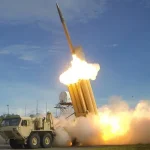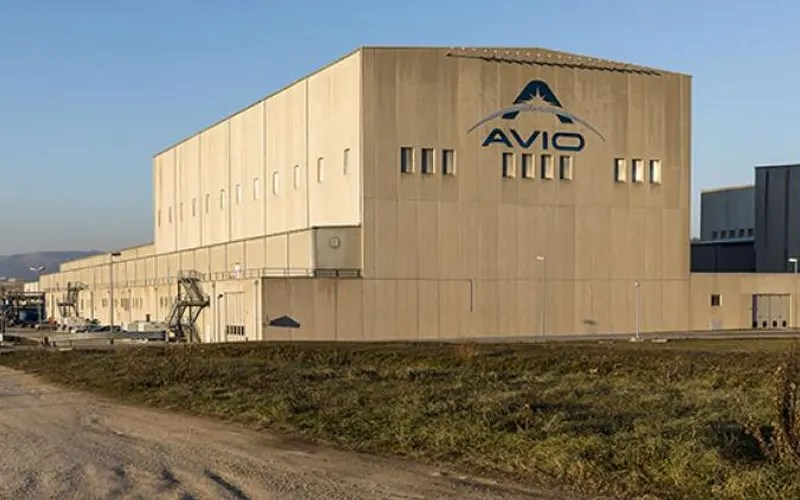
Avio announced on 6 March that it has secured a $65 million contract from Defense Systems and Solutions for the development, qualification and initial production of solid rocket motors for air defence applications.
Defense Systems and Solutions is a joint venture between Yulista Integrated Solutions and Science and Engineering Services.
The contract covers a three-year period and will initially rely on Avio’s existing development and production facilities in Colleferro, Italy. The company said full-scale production—expected to begin in 2029—could eventually take place at its planned manufacturing facility in Hurt, Virginia.
Avio established a U.S. subsidiary in 2022 to address what it described as a capacity gap in tactical propulsion systems within the United States. Since then, the company has signed agreements with the United States Armed Forces and major defense contractors including Raytheon and Lockheed Martin in 2024 and 2025.
In September 2025, Avio also revealed plans to construct a $500 million manufacturing facility in the United States. The 860,000-square-foot plant in Hurt, Virginia is intended to support expanded production of propulsion systems for defense and space applications. The project is being financed through a €400 million capital increase completed in November 2025, which broadened the company’s international shareholder base.
Just days before announcing the new contract, Avio’s shareholders approved amendments to the company’s bylaws during an Extraordinary Shareholders’ Meeting on 3 March. The changes fixed the number of directors on the board at nine and reduced the number of board members appointed by minority shareholders from three to two.
Giulio Ranzo said the governance adjustments were designed to help the company manage its growing exposure to the U.S. market, allowing the appointment of more experienced directors with compensation reflecting their expertise.
The proposal received 82.01% support from the share capital present, while 17.99% voted against, indicating a notable level of shareholder dissent, although short of what is typically considered a shareholder revolt.