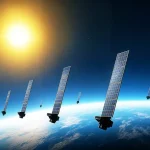
Kreios Space is developing a new generation of satellite technology designed to enable sustained operations in Very Low Earth Orbit (VLEO), approximately 200 km above Earth. The company’s platform combines an aerodynamically optimized satellite with a proprietary Air-Breathing Electric Propulsion (ABEP) system, allowing satellites to operate for more than seven years in an orbital region traditionally considered impractical because of intense atmospheric drag.

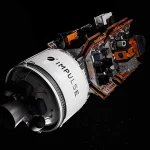
At the core of the platform is Kreios Space’s proprietary plasma thruster, which collects residual atmospheric particles and converts them into plasma to generate continuous thrust. By using the surrounding atmosphere together with solar power instead of carrying onboard propellant, the propulsion system is designed to sustain long-duration missions in VLEO. The satellite platform itself has also been specifically engineered for operations at around 200 km, with optimized aerodynamics, materials and structural design tailored to withstand the harsh near-atmospheric environment.
Also Read: Kreios Space Selects Kongsberg NanoAvionics for VLEO Demonstration Mission
According to the company, operating satellites much closer to Earth unlocks significant performance advantages across multiple applications. The reduced orbital altitude enables imagery up to three times sharper, supports higher data rates, improves communication link performance for direct-to-device connectivity, lowers radiation exposure, reduces launch costs and naturally mitigates space debris by allowing satellites to re-enter and burn up at the end of their operational life. These capabilities position the technology for Earth observation, security and telecommunications missions.

Kreios Space has progressively matured the VLEO technology through multiple propulsion prototypes. The K-1 helicon plasma thruster validated plasma generation methods in laboratory testing, followed by the K-2 prototype integrated with an atmospheric intake and tested under vacuum conditions. The latest K-3 thruster demonstrated improved thrust, efficiency and specific impulse across multiple gases, power levels and mass flow rates. Building on these developments, the company is now advancing its first in-orbit satellite, Kreios-1, followed by the second-generation Kreios-2 platform featuring enhanced subsystem reliability and performance improvements.

By combining air-breathing electric propulsion with a purpose-built VLEO satellite platform, Kreios Space aims to make long-duration operations in one of the lowest orbital regions commercially viable. The company believes this approach can expand the capabilities of future satellite constellations while improving mission performance, sustainability and operational efficiency for next-generation space applications.
About Kreios Space
Kreios Space is a Spanish space technology company developing satellite platforms and proprietary Air-Breathing Electric Propulsion (ABEP) systems for sustained operations in Very Low Earth Orbit (VLEO). The company focuses on enabling long-duration satellite missions at approximately 200 km altitude to support applications including Earth observation, security and telecommunications through higher-performance, lower-cost and more sustainable orbital operations.