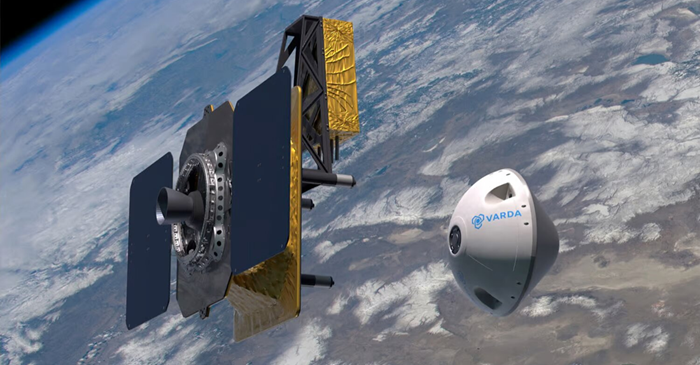
Varda Space Industries is developing orbital manufacturing and reentry infrastructure designed to support the commercialization of low Earth orbit for pharmaceutical production, advanced materials research and microgravity-enabled industrial applications. The company’s W-Series spacecraft platform combines autonomous orbital manufacturing capabilities with reusable reentry systems engineered to return materials from orbit safely and efficiently back to Earth. Varda Space Industries is focusing on building the logistics and operational infrastructure required to support routine orbital production and high-cadence return of manufactured materials from space. The company’s W-Series platform is designed as a fully autonomous commercial satellite and reentry vehicle architecture intended specifically for orbital manufacturing and material return missions.
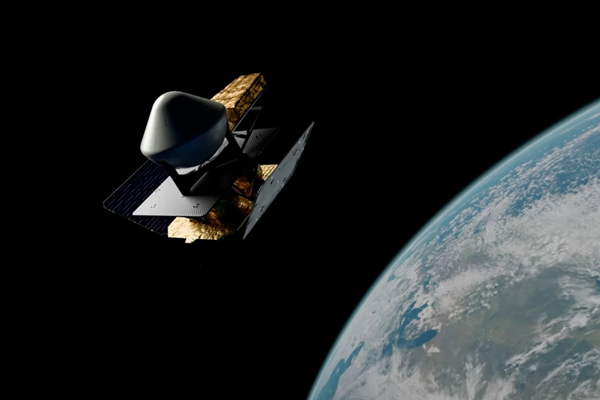
At the center of Varda’s orbital manufacturing strategy is the W-Series spacecraft platform, a commercial satellite and reentry vehicle system developed specifically for microgravity manufacturing and material return operations. The W-Series operates as a free-flying autonomous spacecraft capable of independently conducting manufacturing operations in orbit before returning processed materials back to Earth. The platform is designed to function independently of existing orbital stations, enabling dedicated manufacturing missions designed to customer requirements and production workflows. The spacecraft is engineered to support a range of in-orbit industrial processes, particularly those involving pharmaceutical and advanced material formulation activities that benefit from microgravity conditions. In orbit, specialized onboard processing equipment performs functions such as heating, cooling, mixing and material handling in a low-gravity environment where unique crystal growth, fluid dynamics and molecular behaviors can occur differently than on Earth. Microgravity manufacturing has attracted increasing interest because certain pharmaceutical compounds, semiconductors, fiber optics and advanced materials may exhibit improved structural or chemical properties when processed in orbit. By enabling repeatable access to microgravity production environments, Varda is working to support broader commercial utilization of orbital manufacturing technologies. The company describes the W-Series platform as a scalable microgravity formulation system intended to support recurring industrial and research missions while lowering the operational barriers associated with orbital production.
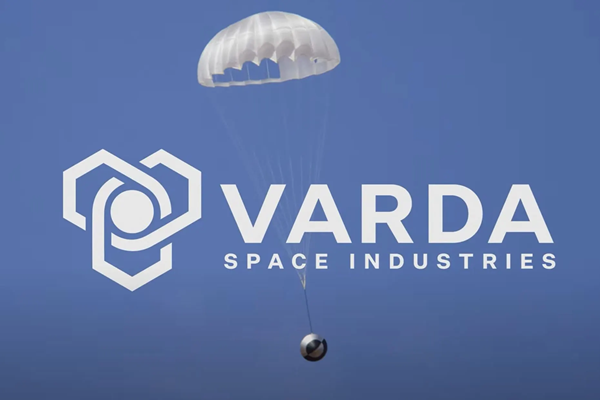
A defining component of Varda’s infrastructure is the reusable reentry capsule system, which is designed to safely transport manufactured materials from orbit back to Earth. The W-Series reentry capsule is the first commercial spacecraft specifically built for the return of materials produced in orbit. The capsule serves as the final component in the orbital manufacturing logistics chain by enabling the physical return of research products, pharmaceutical compounds and other manufactured materials to terrestrial laboratories and production facilities. Once orbital processing activities are complete, the capsule separates from the orbital satellite platform and begins its return sequence toward Earth. During atmospheric reentry, the capsule experiences extreme thermal and aerodynamic conditions as it travels at speeds exceeding 18,000 miles per hour and reaches velocities above Mach 25. The capsule is engineered to withstand the intense heat and structural stresses associated with high-speed atmospheric reentry while protecting sensitive payload materials during descent. Following atmospheric deceleration, the capsule deploys a parachute system and performs a controlled landing on land, where both the spacecraft and payload are recovered for post-flight analysis and processing. The ability to conduct routine material return operations is considered a critical requirement for the long-term viability of commercial orbital manufacturing. By combining autonomous orbital processing with repeatable reentry capabilities, Varda is attempting to create a more accessible and operationally practical pathway for space-based industrial production.
Varda’s broader operational objective is to support high-cadence reentry and recurring orbital manufacturing missions capable of scaling alongside future demand for microgravity production capabilities. The company states that growing the orbital economy will depend heavily on the ability to return materials from orbit frequently and cost-effectively, much like commercial launch systems have improved access to space itself. Varda’s strategy focuses on making reentry operations more routine and operationally sustainable, enabling repeated production cycles and continued experimentation in low Earth orbit. The W-Series capsules are launched aboard commercial launch vehicles, with both rideshare and dedicated launch options available depending on mission requirements. This flexibility allows Varda to support varying payload capacities, manufacturing timelines and customer-specific operational objectives. By using commercially available launch infrastructure while developing its own orbital production and reentry systems, the company is building a vertically integrated framework intended to simplify orbital manufacturing workflows for customers across pharmaceutical, biotechnology, materials science and research sectors. The recurring mission model is also intended to provide researchers and industrial partners with more frequent opportunities to conduct experiments and manufacturing operations in space, accelerating development cycles and expanding commercial utilization of low Earth orbit environments.
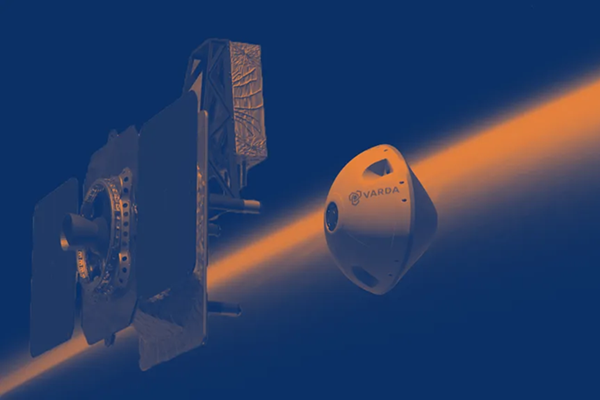
A significant aspect of the W-Series design is its autonomous free-flyer architecture, which enables the spacecraft to conduct independent orbital operations without requiring continuous support from crewed stations or large orbital infrastructure systems. The spacecraft is designed to sustain itself operationally while conducting manufacturing activities in orbit before autonomously managing separation, deorbiting and reentry sequences. This operational independence provides greater mission flexibility while potentially reducing operational complexity and infrastructure dependency. The free-flyer approach also enables Varda to design individual missions for specific manufacturing applications and customer requirements without relying on fixed orbital facilities or shared station resources. This model may support more scalable deployment of orbital manufacturing systems as commercial demand increases. The spacecraft’s modular operational architecture further allows the company to support recurring mission cycles and potentially expand toward broader industrial use cases beyond pharmaceutical formulation and materials research in the future.
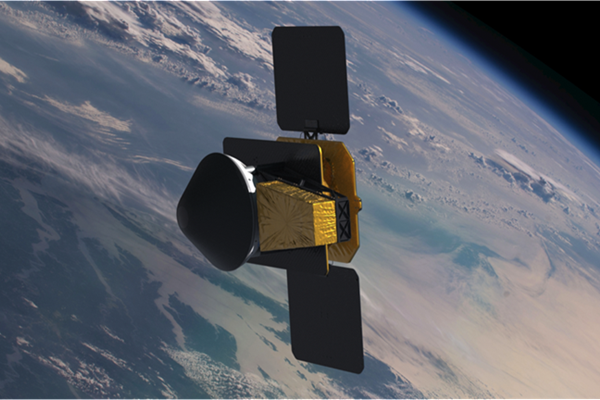
Varda Space Industries is positioning itself within this emerging sector by focusing on the infrastructure required to make orbital production and material return more operationally viable. The company’s W-Series platform combines launch integration, autonomous orbital manufacturing, reentry logistics and payload recovery into a unified commercial architecture designed for repeated use. The ability to manufacture products in space and return them efficiently to Earth may open new opportunities across pharmaceuticals, biotechnology, advanced materials, semiconductors and other research-intensive industries seeking access to unique microgravity conditions. Through the W-Series commercial satellite and reentry vehicle platform, Varda Space Industries continues to develop technologies intended to support the long-term expansion of industrial and commercial activity in low Earth orbit while helping establish new operational models for the future orbital economy.
About Varda Space Industries
Varda Space Industries is a space manufacturing and reentry infrastructure company headquartered in El Segundo focused on enabling commercial manufacturing in low Earth orbit and the safe return of materials to Earth. The company develops autonomous spacecraft, orbital manufacturing systems and reusable reentry capsules designed to support pharmaceutical research, advanced materials processing and microgravity-enabled industrial applications. Varda Space Industries’ portfolio includes the W-Series commercial satellite and reentry vehicle platform, which is designed to conduct in-orbit manufacturing operations and return processed materials from space through controlled atmospheric reentry and land recovery operations. The company’s spacecraft operate as free-flying autonomous systems independent of permanent orbital stations. The company’s orbital manufacturing platform supports microgravity processing activities such as heating, cooling, mixing and material formulation in space environments where certain materials and pharmaceutical compounds may exhibit different properties compared to Earth-based production conditions. Varda’s reentry systems are designed to support recurring material return missions from orbit at high cadence. Varda Space Industries integrates commercial launch services, orbital manufacturing operations and reentry logistics into a unified operational architecture intended to support scalable industrial activity in low Earth orbit. The technologies are designed to help expand commercial utilization of space-based manufacturing and support future growth of the orbital economy.