SpaceX has consolidated its remaining Falcon 9 Starlink launches at Vandenberg Space Force Base in California, ending the constellation’s Falcon 9 campaign from Florida as it prepares the Space Coast for Starship-Super Heavy operations. The operational shift removes a large volume of routine Starlink missions from SpaceX’s Florida schedule, freeing launch infrastructure, personnel and range capacity ahead of the company’s planned first Starship flight from Cape Canaveral.
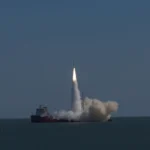
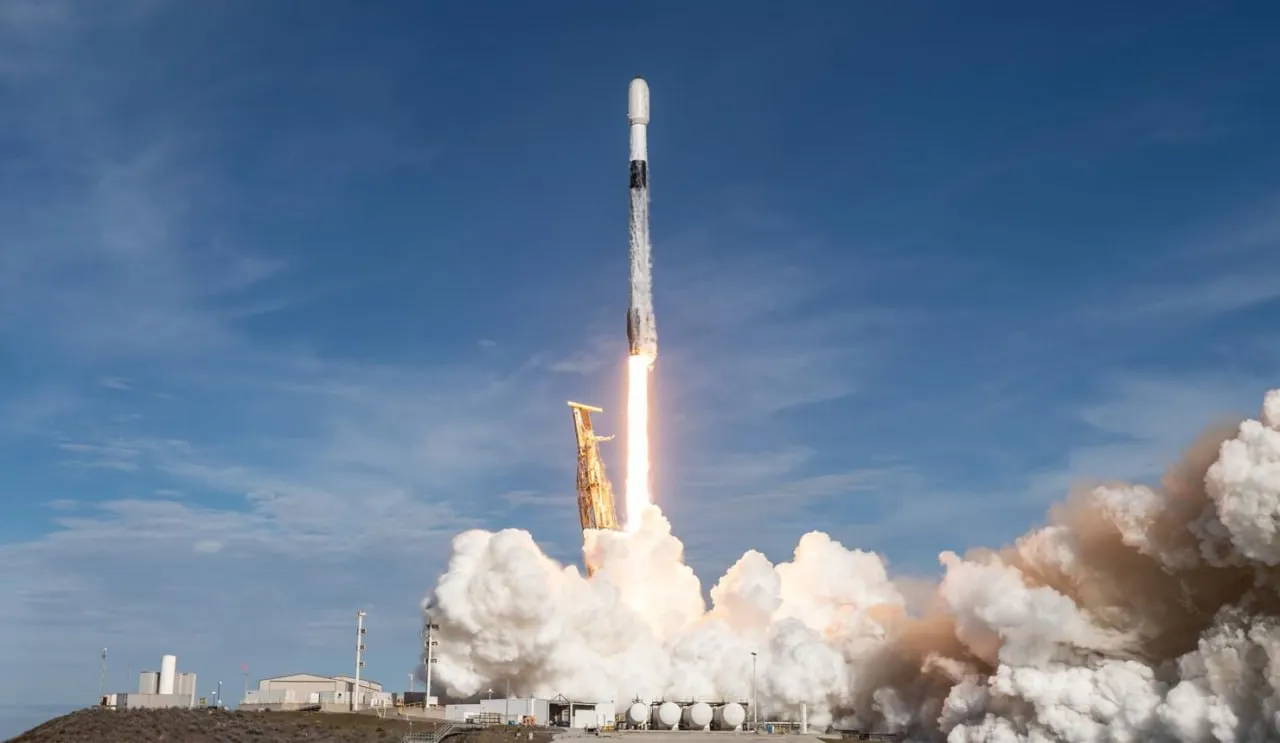
The transition was evident on September 6, when SpaceX launched 27 satellites on the Starlink 15-24 mission from Vandenberg. It was the company’s 80th dedicated Starlink flight of 2026 and the third Starlink mission since SpaceX stopped launching its broadband satellites aboard Falcon 9 from Florida.
Starlink 15-24 lifted off from Space Launch Complex 4 East at 7:26 a.m. PDT. The Falcon 9 flew southeast over the Pacific Ocean before deploying the satellites into low Earth orbit.
The rocket’s first stage, B1088, was making its 19th flight. Its previous missions included three U.S. national security launches, the Transporter-12 rideshare mission, NASA’s SPHEREx astrophysics observatory and 13 Starlink deployments.
B1088 landed on the droneship Of Course I Still Love You approximately eight and a half minutes after liftoff. The recovery marked the 223rd landing on that vessel and the 659th successful landing of a Falcon-family booster.
Florida Starlink Traffic Moves to Starship
SpaceX conducted its final planned Falcon 9 Starlink launch from Florida on August 25. The Starlink 10-49 mission lifted off from Space Launch Complex 40 at Cape Canaveral Space Force Station with 29 satellites and became SpaceX’s 100th Falcon 9 flight of 2026.
The mission also set a company reuse record when the Falcon 9 first stage completed its 37th flight.
Kiko Dontchev, SpaceX’s vice president of launch, said the mission marked the end of Falcon 9 Starlink launches from Florida. Future Florida-based Starlink missions will use Starship, while the company’s West Coast team will continue launching Starlink satellites aboard Falcon 9 from Vandenberg.
The decision effectively divides SpaceX’s launch network by vehicle and mission role. Vandenberg will sustain near-term Falcon 9 deployment of current-generation Starlink satellites, particularly into high-inclination orbital planes, while Florida is repositioned for the larger Starship system and its heavier Starlink V3 spacecraft.
Falcon 9 has conducted approximately 260 Starlink missions from Cape Canaveral over the past seven years, beginning with the first 60-satellite deployment in May 2019. Those launches accounted for a substantial share of SpaceX’s Florida activity and turned the Space Coast into the primary deployment corridor for the world’s largest satellite constellation.
Removing that recurring internal launch demand gives SpaceX greater flexibility as it introduces Starship at the Cape. The transition can reduce competition for launch windows, range support, payload-processing resources, recovery operations and engineering personnel during the buildup to Starship flights.
Falcon 9 is not leaving Florida. SpaceX will continue using the vehicle there for NASA crew and cargo missions, commercial spacecraft, national security payloads and rideshare launches. The change applies specifically to Starlink, the company’s most frequent payload and the mission category best positioned to provide the high flight rate needed to mature Starship operations.
Three Florida Towers Under Development
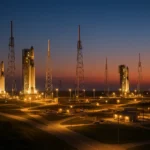
SpaceX is developing three Starship launch towers in Florida: one at Launch Complex 39A at NASA’s Kennedy Space Center and two at Space Launch Complex 37 at Cape Canaveral Space Force Station.
The scale of that work shows that the company is preparing for more than occasional Starship tests. The integrated Starship-Super Heavy vehicle stands more than 400 feet tall and requires new launch mounts, methane and liquid-oxygen storage, propellant-transfer systems, high-capacity water-deluge equipment and vehicle integration infrastructure.
These facilities are substantially different from SpaceX’s existing Falcon 9 systems. Bringing them into operation will also require coordination with NASA, the U.S. Space Force, the Federal Aviation Administration and the Eastern Range.
Consolidating Falcon 9 Starlink missions in California therefore serves a broader operational purpose. It allows Florida teams to concentrate on constructing, qualifying and activating Starship infrastructure while preserving Falcon 9 capacity for external customers and government missions. The move signals that SpaceX believes Starship flights from the Cape are approaching closely enough to justify changing a launch pattern established over seven years.
Starlink provides the most direct commercial reason for that transition. A Falcon 9 typically carries fewer than 30 current-generation Starlink satellites per flight. Starship’s much larger payload volume and mass capacity are designed to deploy heavier Starlink V3 spacecraft in larger batches.
SpaceX has said each V3 satellite will provide approximately 1 terabit per second of downlink capacity, although that remains a company performance projection. Moving V3 deployments to Starship could add substantially more network capacity per launch and reduce the number of missions needed to deploy an equivalent amount of communications throughput.
Flight 14 Is the Near-Term Test
Before Florida can assume Starship-based Starlink missions, SpaceX must demonstrate orbital deployment and establish more repeatable operations from Starbase, Texas.
The company has completed single-engine and six-engine static-fire tests of Ship 41, as well as a full 33-engine firing of Booster 21. The two vehicles are assigned to Starship Flight 14.
Flight 14 is planned as Starship’s first attempt to enter orbit rather than follow the suborbital trajectories used on previous tests. The vehicle is expected to carry approximately 20 Starlink V3 satellites. If Starship reaches the intended orbit and deploys them successfully, the mission could become the first test flight to add operational V3 spacecraft to the constellation.
SpaceX has not formally announced a launch date. Aviation and maritime hazard notices have indicated a possible attempt no earlier than September 15, subject to vehicle readiness and regulatory authorization.
The company is targeting its first Starship launch from Florida before the end of 2026. By removing Falcon 9 Starlink missions from the state now, SpaceX is not merely adjusting where it launches satellites. It is beginning the operational transfer of its largest internal launch campaign from Falcon 9 to Starship and clearing the Space Coast for the vehicle intended to succeed it.