On Sunday, October 25, 2026, Radio New Zealand reported that U.S. Space Command directed the New Zealand Defence Force to withhold operational details regarding the activities of the Joint Commercial Operations space-monitoring hub located at Royal New Zealand Air Force Base Auckland.
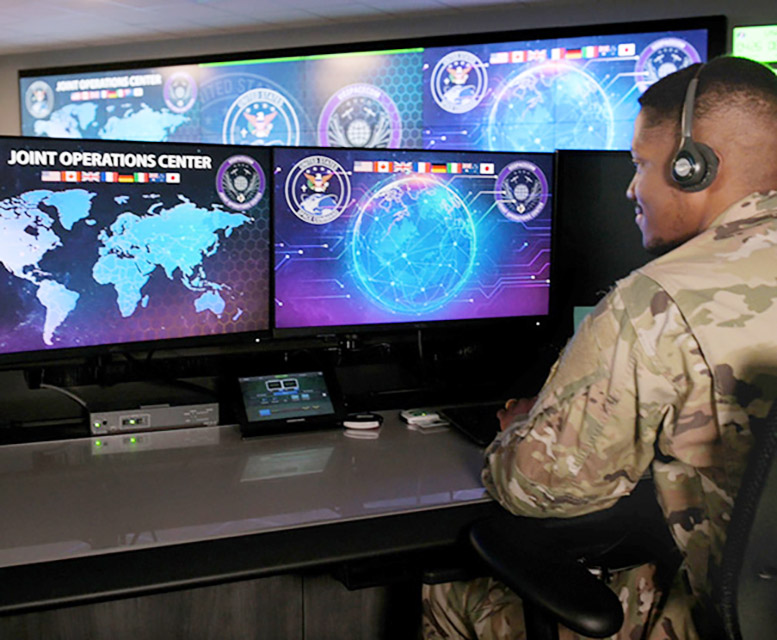
Citing guidance from American military authorities, the New Zealand Defence Force denied an Official Information Act request regarding the tracking center’s direct support for international combat operations, highlighting operational tensions surrounding sovereign oversight of allied space defense infrastructure.
Operational Secrecy and Sovereignty Governance
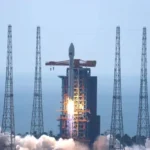
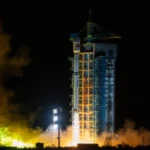
The Auckland facility serves as the regional coordination hub for the Pacific cell of the Joint Commercial Operations (JCO) network, a Pentagon-funded space surveillance initiative designed to track orbital activity using unclassified commercial sensor data. While defense officials in Wellington maintain that New Zealand retains ultimate sovereignty over the site, the military acknowledged it could not disclose mission logs without American authorization. Earlier official disclosures confirmed the Auckland hub tracked Chinese military satellite launches and an Iranian civilian payload lifted by Russia, but military spokespersons declined to clarify the center’s specific role in identifying electronic attacks or counter-drone jamming originating from Middle Eastern operational theaters.
Joint Commercial Operations and Allied Defense Lineage
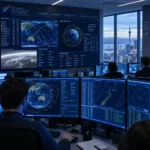
The disclosure underscores the growing militarization of commercial space domain awareness under coalition defense agreements. Operating across three global time zones on a “follow-the-sun” watch construct, the JCO integrates commercial radar, optical, and radio-frequency tracking feeds into military common operating pictures. The Pacific hub’s operational integration aligns with multinational initiatives established when New Zealand joined Operation Olympic Defender to deter orbital hostility alongside the United States, the United Kingdom, Canada, and Australia, while augmenting broader regional architectures where the U.S. and Australia expand space surveillance networks feeding the JCO.
Executive Perspectives on Tactical Sensor Integration
Space Force leadership has emphasized that unclassified commercial sensor networks are vital for providing rapid indications and warning across theater commands.
“This is an example of a very rapid expansion of the JCO,” stated Barbara Golf, U.S. Space Force Strategic Advisor for Space Domain Awareness, describing the system’s ability to detect localized radio-frequency interference and hostile jammers. “Over the next year, our intention is to be expanding this into all six ground combatant commands.”
Strategic Outlook for Allied Space Domain Awareness
As U.S. Space Command accelerates the operationalization of commercial telemetry across global combatant commands, partner nations face increasing scrutiny regarding how dual-use tracking nodes interface with active combat operations. Defense analysts expect multinational space domain awareness pacts to adopt stricter bilateral disclosure guidelines to balance allied intelligence security against national transparency obligations.