
Tag: China
-
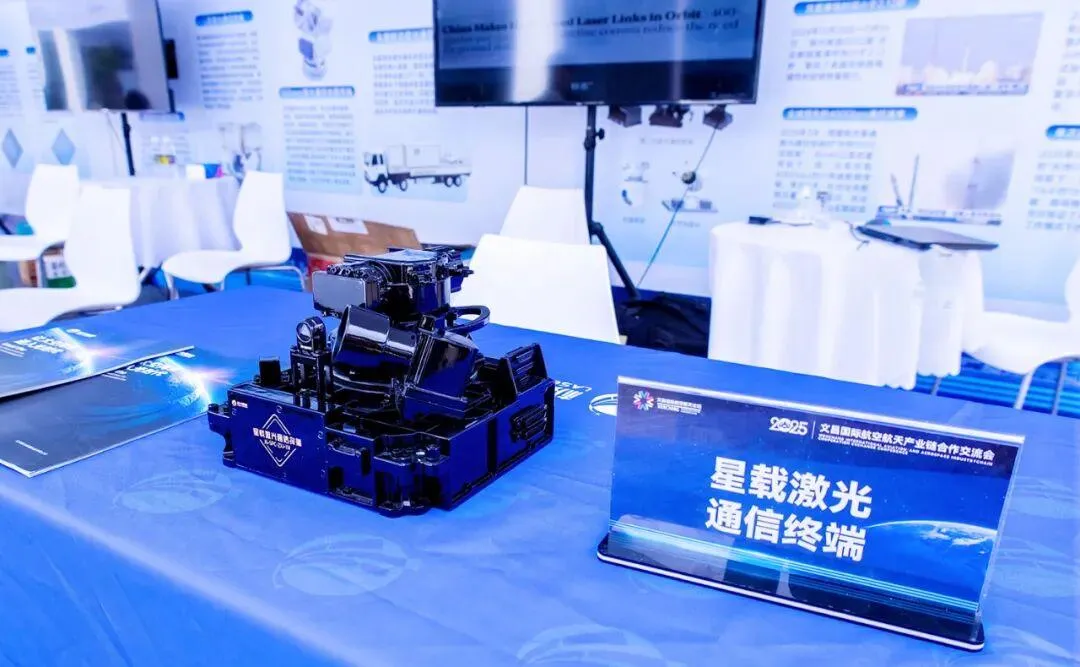
Seven Chinese Private Companies Building the Optical Backbone for Satellite Networks
China’s commercial space sector is moving satellite laser communications from isolated technology demonstrations toward multi-satellite networking and batch production. Recent milestones include a 400Gbps intersatellite transmission, 11 optical links connecting a 12-satellite space-computing cluster, and a bidirectional gigabit-class laser link between the ground and a geostationary satellite more than 40,000 kilometers away. Laser communications can…
-

Behind a Funding Round of More Than RMB 500 Million: How Far Has China’s Space Laser Communications Industry Come?
HiStarlink recently announced the completion of a Series A2 funding round worth more than RMB 500 million, bringing its total financing this year to over RMB 700 million. Since the beginning of 2026, the laser communications sector has recorded at least one financing event every month except May. HiStarlink, Laser Link, Laser Starcom and other…
-

China Launches Authorized Operation of National BeiDou Reference Station Data Network
China has launched authorized commercial operation of service data from its national satellite navigation and positioning reference station network. This marks the first national-level authorization of public-data operations in the field of spatial and temporal information infrastructure. It will help transform the reference station network’s underutilized public data from a public resource into data assets…
-

What Imaging Capabilities Does Commercial Earth Observation Need in the AI Era?
In the era of AI in space, customers are not simply purchasing an image. What they truly need is timely, comprehensive information about where an event is occurring, how quickly it is changing, and how far its effects extend. As commercial Earth observation evolves from data products toward decision-support services, pricing is no longer determined…
-
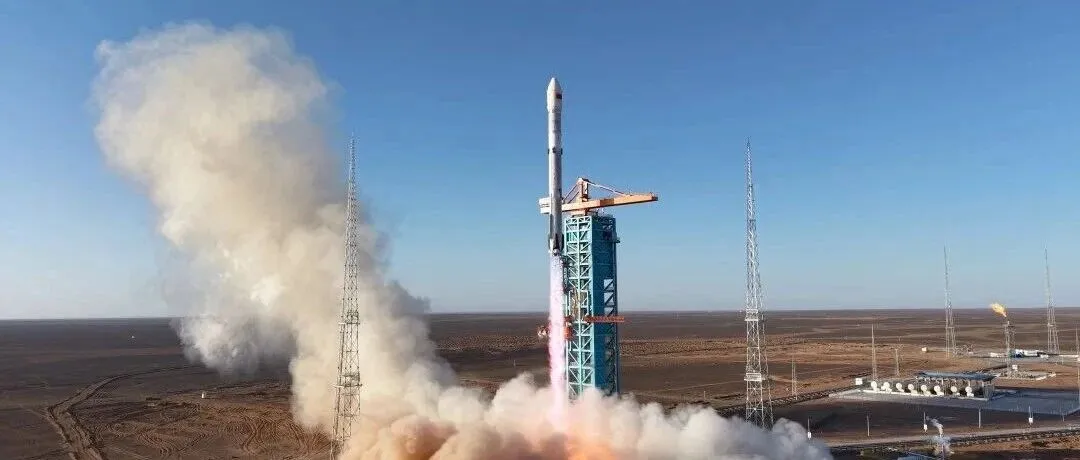
China’s Private Rockets Accelerate Toward Orbit: Who Has Made It—and Who Is Next in Line
On September 1, PALLAS-1 Y1 lifted off from Jiuquan. Galactic Energy is no longer a company with only small solid-fueled rockets: its 52-meter-tall, medium-to-heavy liquid launch vehicle, powered by seven clustered liquid oxygen/kerosene engines, has now completed its first orbital flight. PALLAS-1 Y1 lifts off. Image source: Galactic Energy website, September 2, 2026. Less than…
-

i-Space’s Xie Hongjun: Why Is a Rocket Company Moving Into Space Computing?
In 2026, space computing emerged as an important new frontier in commercial space. What problems is it intended to solve, and where is the industry heading? Hello Space has launched its Space Computing Interview Series, speaking with leading Chinese players to examine the real progress being made in this emerging sector. Our guest in this…
-

In the Age of Space Computing, Why Is Energy Both the First Opportunity and the First Barrier?
On the ground, when computing capacity falls short, more servers can be added, the grid can supply more electricity, and additional cooling towers can be built. In orbit, however, there are no power outlets and no air to carry heat away. Every model inference, image-processing operation and inter-satellite data exchange ultimately becomes two things: electricity…
-

China Commercial Space Industry Monthly Report — August 2026
In August 2026, China and the United States continued to dominate the global launch market. The United States maintained its lead through the high-cadence reuse and launch operations of Falcon 9, while China saw parallel advances by both its state-owned space sector and commercial space companies. A total of 26 orbital launches were conducted worldwide…
-

China Launches International Earth-Moon CubeSat Constellation to Support Future Lunar Bases
China has formally launched the International Earth-Moon CubeSat Constellation Big Science Program, which aims to deploy 30 CubeSats across cislunar space in six batches. The preliminary schedule targets the completion of all launches and deployments around 2030. The satellites will conduct space-environment monitoring, gamma-ray burst observations and lunar-resource surveys, generating data intended to support future…
-

‘Xuelong’ Receives and Processes HY-1E Data in Arctic, Expanding Real-Time Satellite Support for Polar Navigation
China’s icebreaker Xuelong successfully received and processed data from the HY-1E ocean-color satellite while sailing at high speed in the Arctic on Aug. 27, marking the first time the vessel’s shipborne satellite remote sensing system has acquired and processed data from the new-generation satellite in the region. The system maintained stable tracking of the HY-1E…