
Tag: edge-computing
-
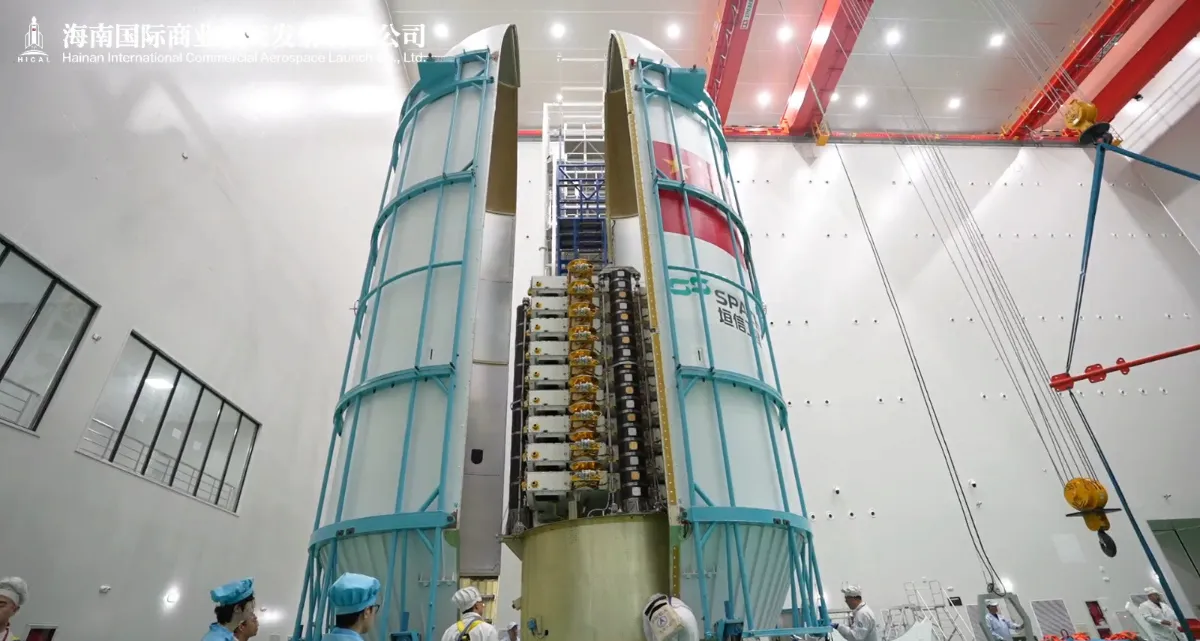
Shanghai Targets 3,000 Satellites by 2030 as SpaceX Pursues Million-Satellite AI Network
Shanghai is putting space-based computing on its industrial policy agenda, targeting more than 3,000 satellites in orbit and a satellite internet core industry worth over RMB 80 billion by 2030. Separately, the Xingshu project has outlined plans for a 1,000-satellite computing network by 2032. A Roadmap for Satellite Internet and Space-Based Computing The 2026 Satellite…
-
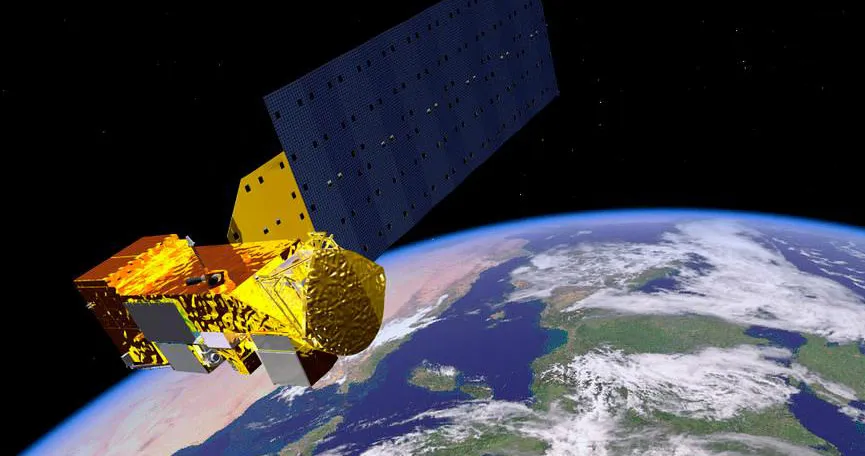
Satlyt Secures $8 Million Seed Round to Expand Onboard Satellite AI Software and Cloud Virtualization
Targeting the downlink bottleneck and computational constraints of orbital spacecraft, software venture Satlyt announced an $8 million seed funding round on October 13, 2026, to deploy artificial intelligence and edge computing software directly onto orbiting satellites. Led by Houston-based venture capital firm Non Sibi Ventures, the financing supports the startup’s mission to operate an open,…
-

Orbital Data Centers: The Economics of Moving Computing Into Space
Moving a data center into space sounds like science fiction. But by 2026, a satellite carrying an NVIDIA H100 GPU has already trained an AI model in orbit, and investors have valued the company behind it at $2.3 billion. This article examines the accounting: where revenue comes from, where costs accumulate, and what it would…
-
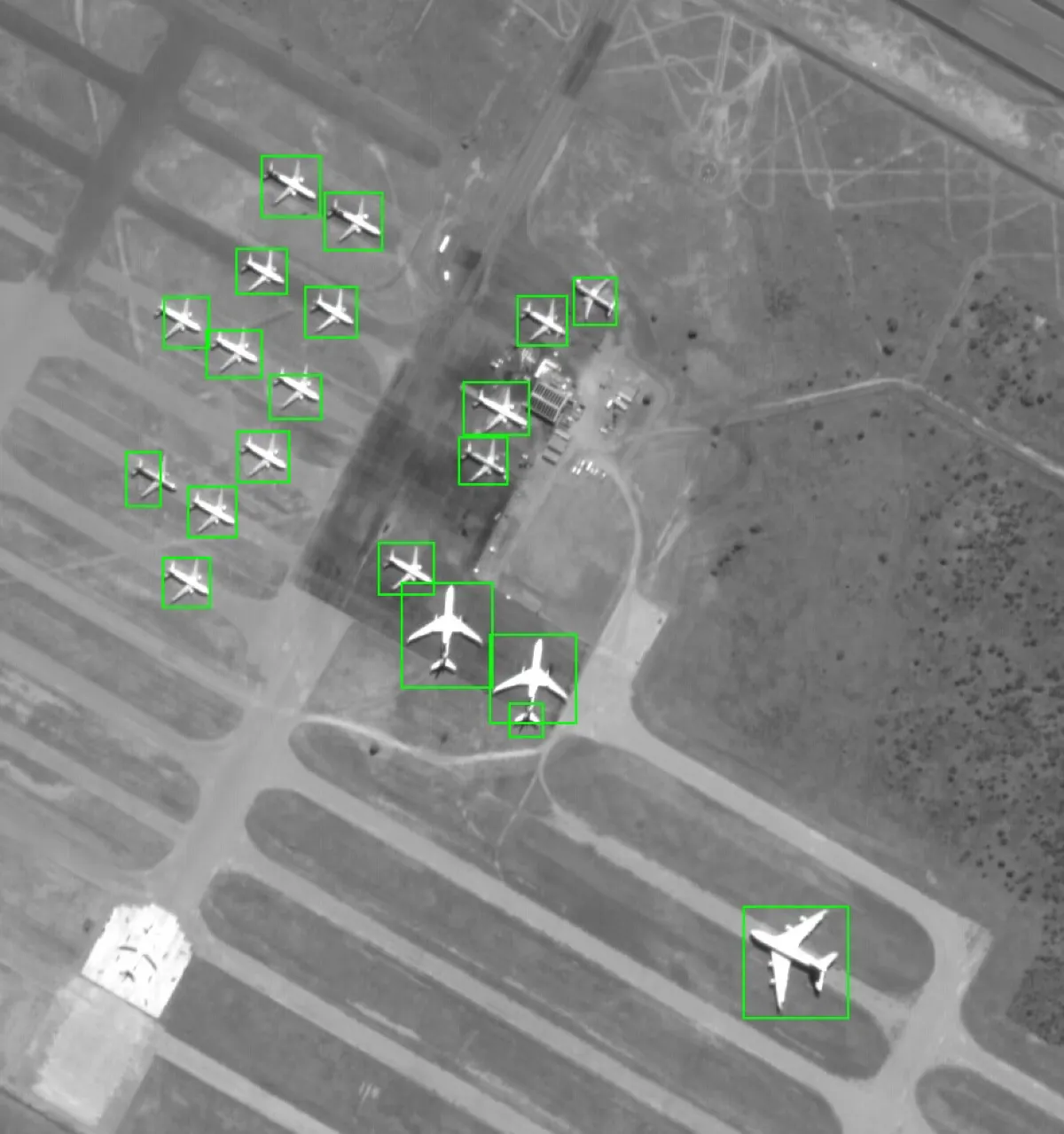
The In-Orbit Remote Sensing Pipeline
Key Insight An in-orbit processing pipeline essentially takes a ground-based data center apart and fits its functions inside a satellite. Each stage uses the computing hardware best suited to its task: FPGAs for rule-based processing, NPUs for AI inference, and CPUs for scheduling. Models that are “good enough” trade complexity for real-time performance. To assess…
-
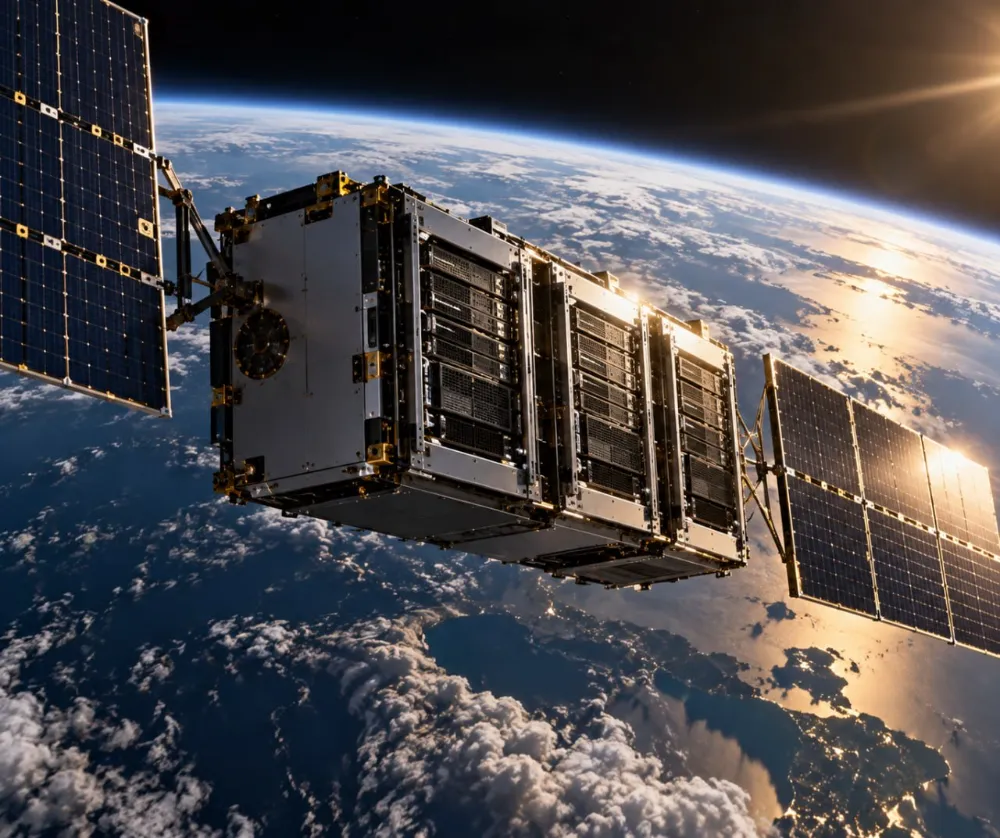
Sophia Space and SLI Outline $300 Million Financing for Orbital Compute Constellation
Sophia Space and aerospace leasing specialist SLI have outlined a $300 million asset-financing framework for a planned 10-satellite edge computing constellation, the companies announced September 13. The non-binding arrangement would fund spacecraft construction and deployment against defined milestones, with launches beginning as early as 2028. The proposed structure adapts operating leases widely used for aircraft,…
-

Data No Longer Has to “Travel Back and Forth”: Chinese Team Achieves First Real-Time Hyperspectral Camera Analysis
A research team from Beijing Institute of Technology (BIT) has developed an integrated hyperspectral imaging system capable of real-time analysis at the edge, overcoming a long-standing bottleneck in hyperspectral applications caused by massive data processing requirements. The breakthrough, led by academician Zhang Jun’s team at BIT, introduces a new on-chip spectral computing architecture that moves…
-

ReOrbit Launches OrbitCloud Space Computing Programme with €4.6 Million Backing
ReOrbit has launched its OrbitCloud research and development programme to develop a space-based edge computing network, supported by an initial €4.6 million (US$5.3 million) funding award from Business Finland. The company said the overall value of the programme is expected to exceed €40 million (US$46 million) as development progresses. Space-Based Edge Computing ReOrbit describes OrbitCloud…
-

Ubotica Technologies Raises $11 Million to Expand AI-Powered Maritime Intelligence Platform
Ubotica Technologies has raised $11 million in new funding to accelerate the commercialization of its artificial intelligence platform for maritime intelligence and security applications. The Dublin-based space technology company said the funding round was co-led by Act Venture Capital and Greencode Ventures, with participation from Atlantic Bridge, an existing investor. The latest investment will support…
-
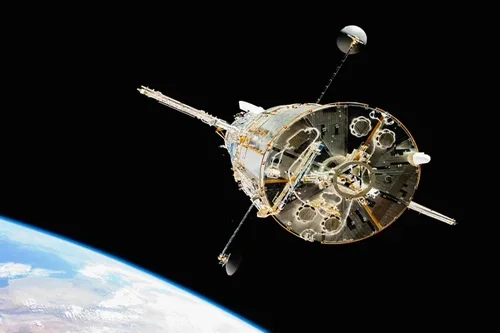
Loft Orbital and NASA JPL Partner to Demonstrate AI Software in Orbit
Loft Orbital has entered into an agreement with NASA’s Jet Propulsion Laboratory (JPL) to host and operate artificial intelligence software demonstrations in orbit as part of a NASA-funded Earth science technology program. The collaboration supports the Federated Autonomous MEasurement (FAME) project, which is funded by NASA’s Earth Science Technology Office (ESTO) and focuses on advancing…
-
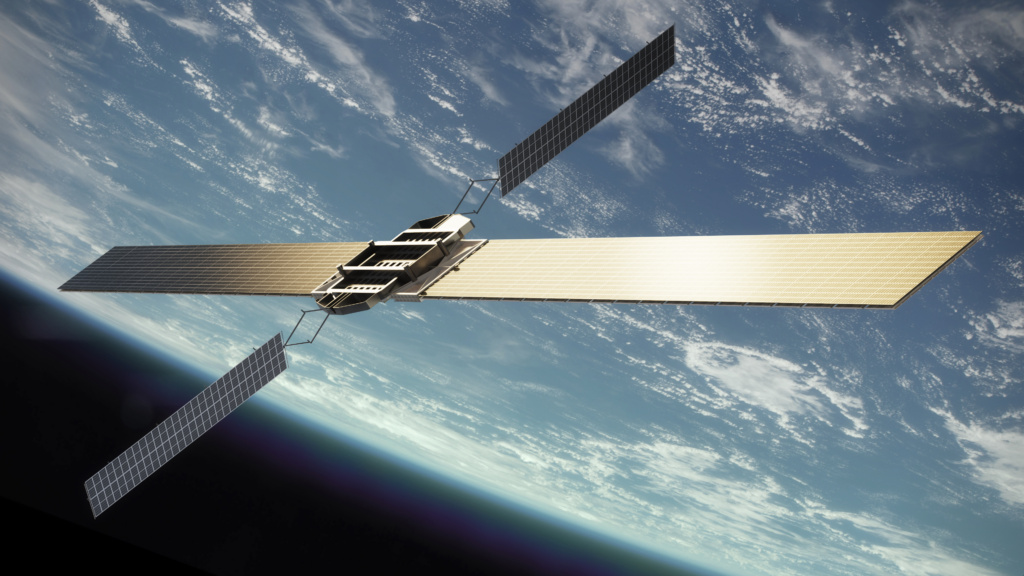
Sophia Space Raises Funding, Plans In-Orbit Demonstrations of Orbital Computing Platform
Sophia Space has announced new funding and a series of planned in-orbit demonstrations as it advances development of its orbital computing technology platform. The company said it is finalizing a $7 million SAFE financing round that is expected to close this week. Investors participating in the round include EverGreen, the NVIDIA Alumni Investment Network, SparkLabs…