
Tag: Laser Communications
-

China’s Commercial Ground Stations in 2026: The Tracking and Control Networks Behind More Than 100 Sites
Once a satellite reaches orbit, ground stations become essential to its long-term operation. Tracking, telemetry, command uplinks and data downlinks all depend on this infrastructure. As low Earth orbit constellations expand, the ground segment is shifting from a handful of stations supporting an individual satellite to integrated networks serving entire constellations. Drawing on publicly available…
-
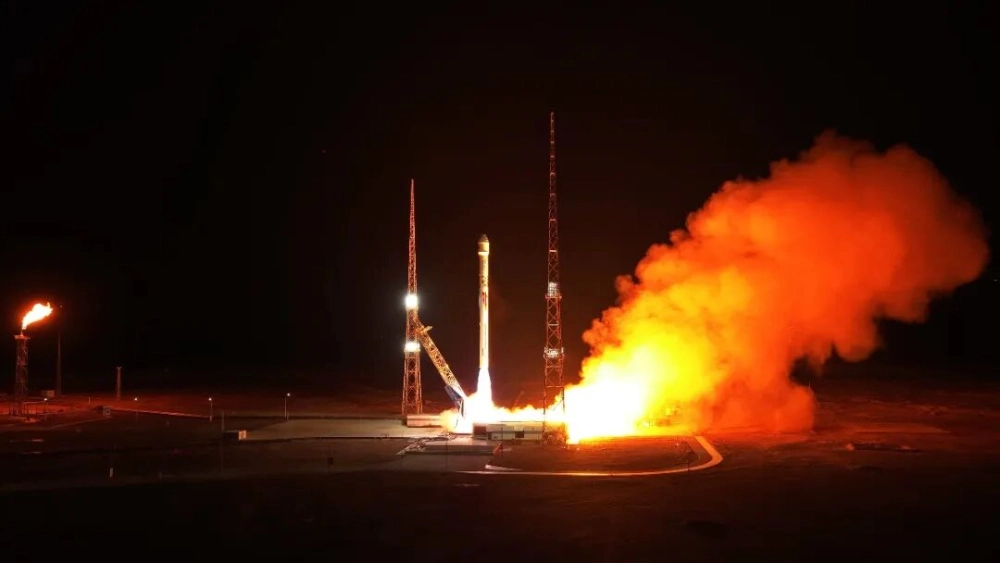
Zhuque 2E Launches 10 Satellites on Zhuque 2 Series’ 10th Flight (Video)
LandSpace launched its Zhuque-2E Y4 rocket from the Dongfeng Commercial Space Innovation Pilot Zone at the Jiuquan Satellite Launch Center at 11:40 UTC on October 14, 2026, deploying 10 satellites into their planned orbits. The rideshare mission carried eight ADA Space computing satellites and two laser data-transmission test satellites, marking the 10th flight of the…
-
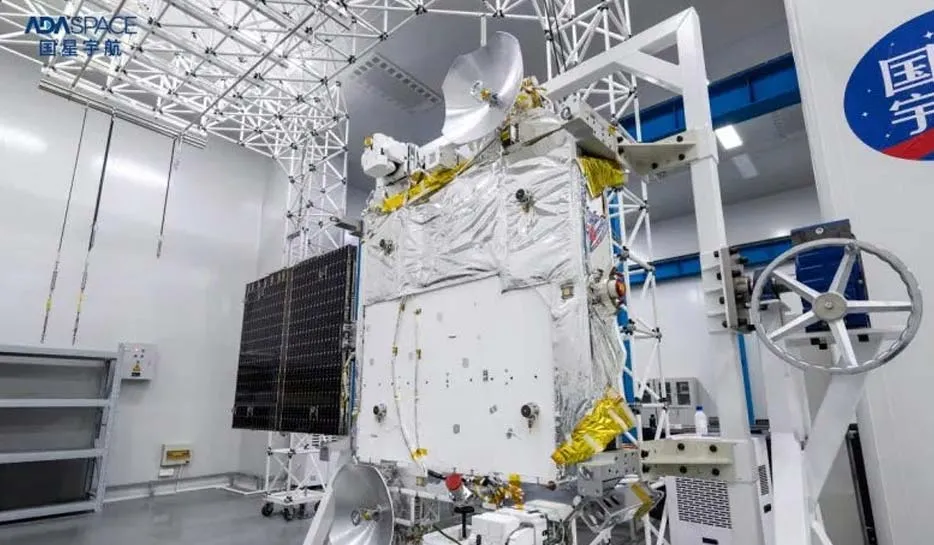
Why Can 12 Networked Satellites Do More Than 12 Working Alone?
Intuitively, 12 identical satellites should offer 12 times the computing power of one. But the value of connecting the first 12 satellites in Zhejiang Lab’s Three-Body Computing Constellation goes beyond adding up their processors. What creates that extra value? This article examines three sources of collaborative capability—and the costs that come with them. 1. Scheduling:…
-
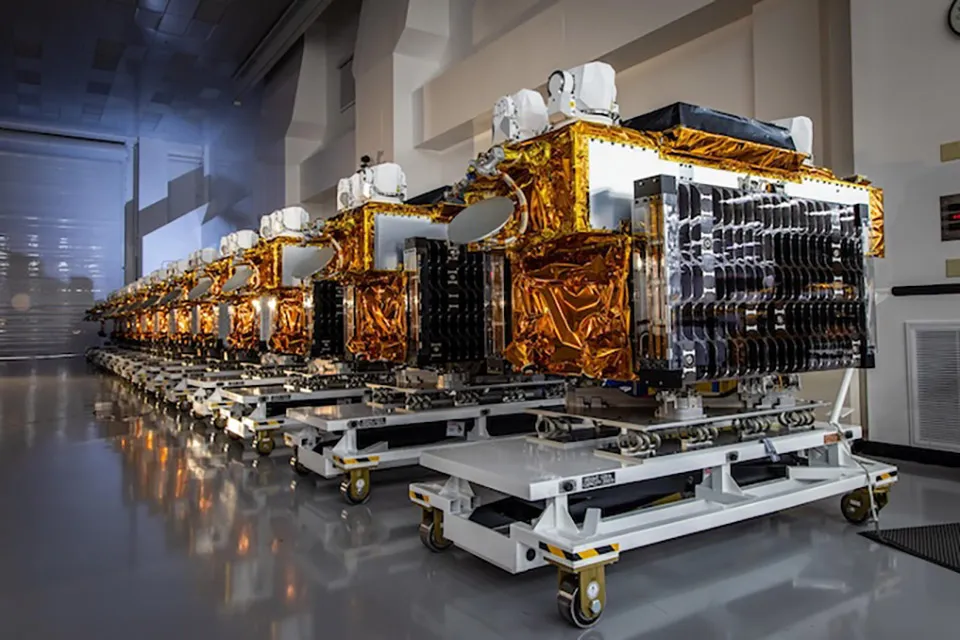
SpaceX Launches First 21 Northrop Grumman Satellites for SDA Tranche 1 Transport Layer
On Saturday, October 10, 2026, a SpaceX Falcon 9 launch vehicle lifted off from Vandenberg Space Force Base in California at 3:39 a.m. Eastern, successfully deploying 21 Northrop Grumman satellites into low Earth orbit. Designated as the Tranche 1 Transport Layer A (T1TL-A) mission, the launch marks the initial orbital deployment of Northrop Grumman spacecraft…
-
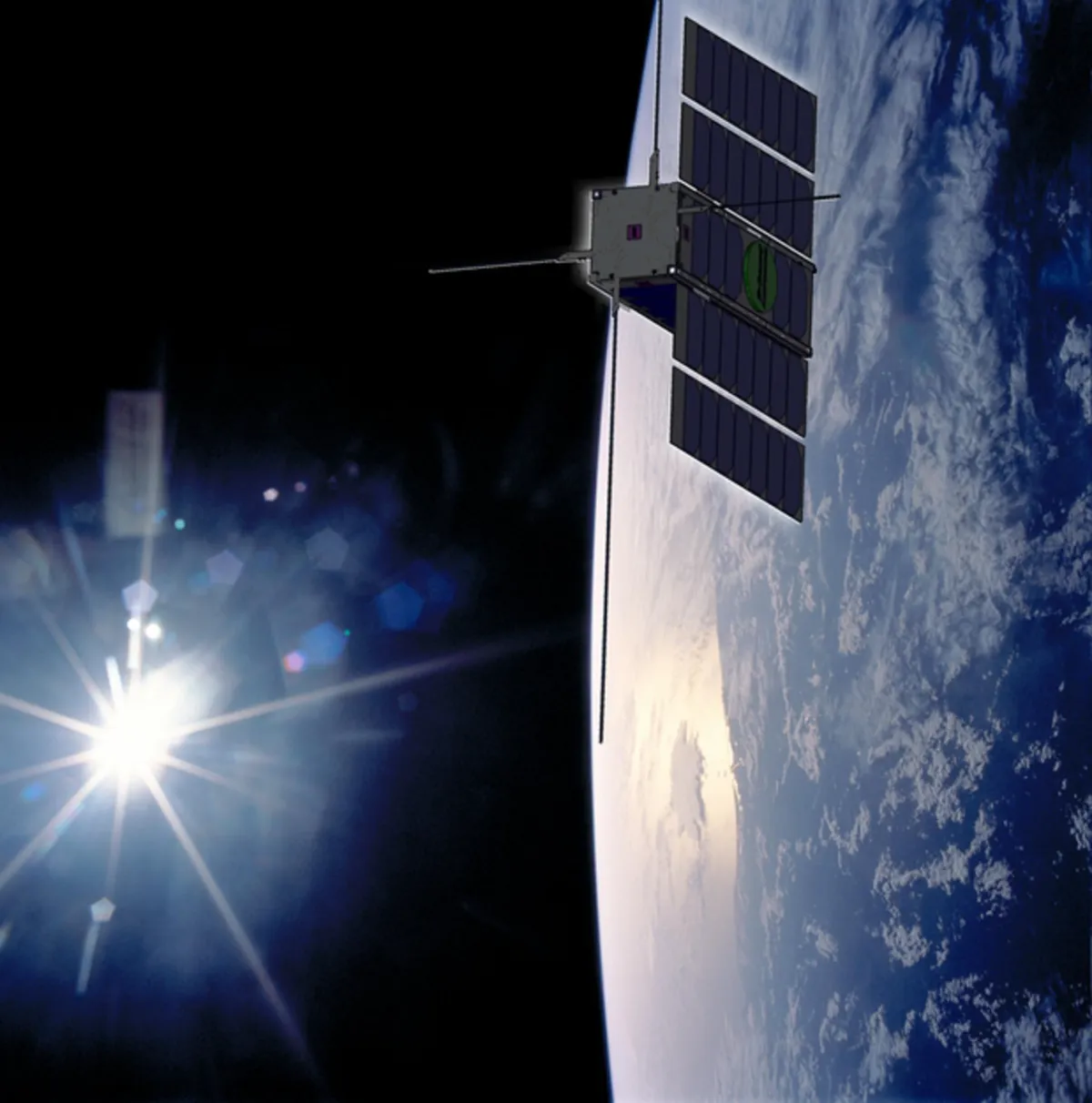
Can Satellites Crash? Software and Updates in Orbit
When an expensive AI server in a ground-based data center develops a bug, engineers can usually reboot it remotely. But put that server in orbit, 400 kilometers above Earth, circling the planet roughly every 90 minutes—and who handles the restart? Difference One: Software Needs Armor If an app crashes on Earth, you can usually just…
-
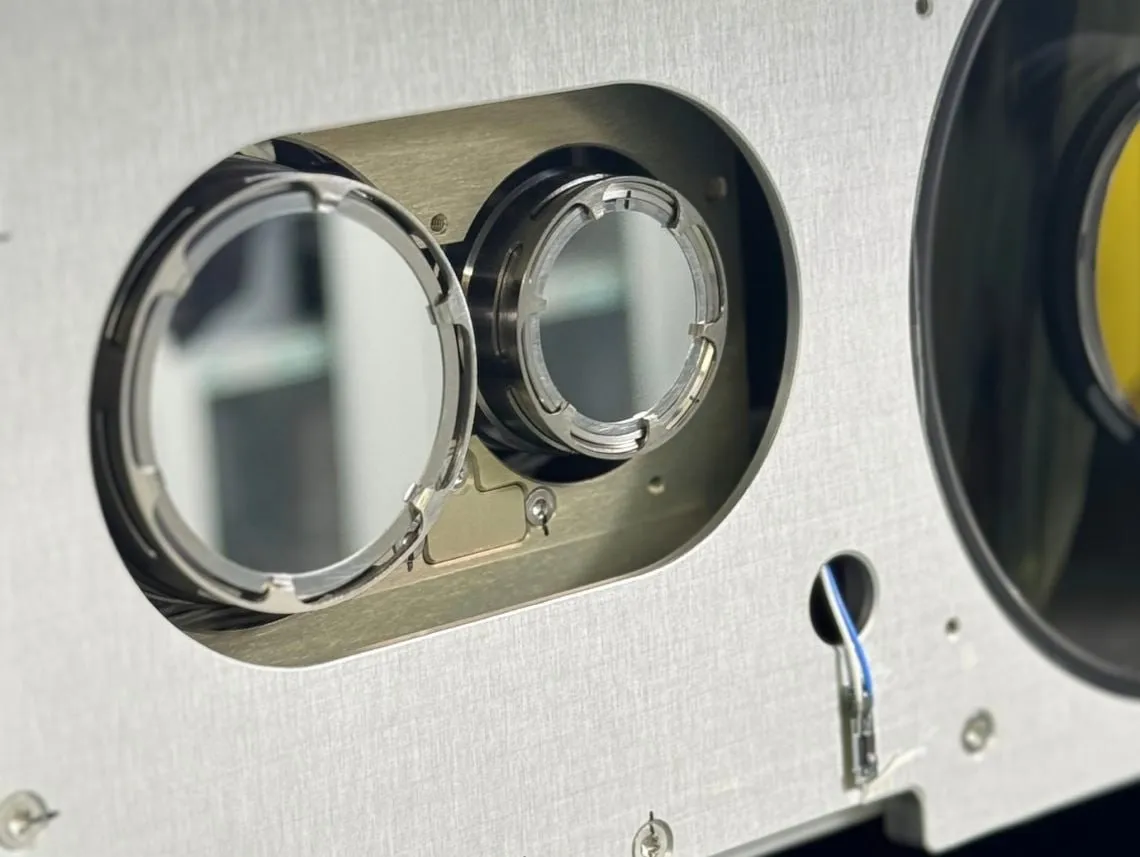
Astrolight Links Orbiting Laser Terminal to Greek Ground Station in First End-to-End Demonstration
Astrolight developed the terminal in cooperation with the European Space Agency and worked with the Department of Aerospace of the University of Athens and the Department of Physics of the Aristotle University of Thessaloniki on the project. The demonstration is part of the company’s effort to bring laser communications further into the satellite mainstream. In…
-

Onboard Intelligence, Space Data Processing in Orbit and Earth Data Processing in Orbit: Which Will Succeed First?
Space computing covers three distinct approaches: satellites that process their own observations, constellations that share computing tasks in orbit, and orbital infrastructure designed to handle workloads originating on Earth. They share a label, but their technical requirements and commercial readiness differ substantially. This lesson maps out the three approaches, making it easier to understand where…
-
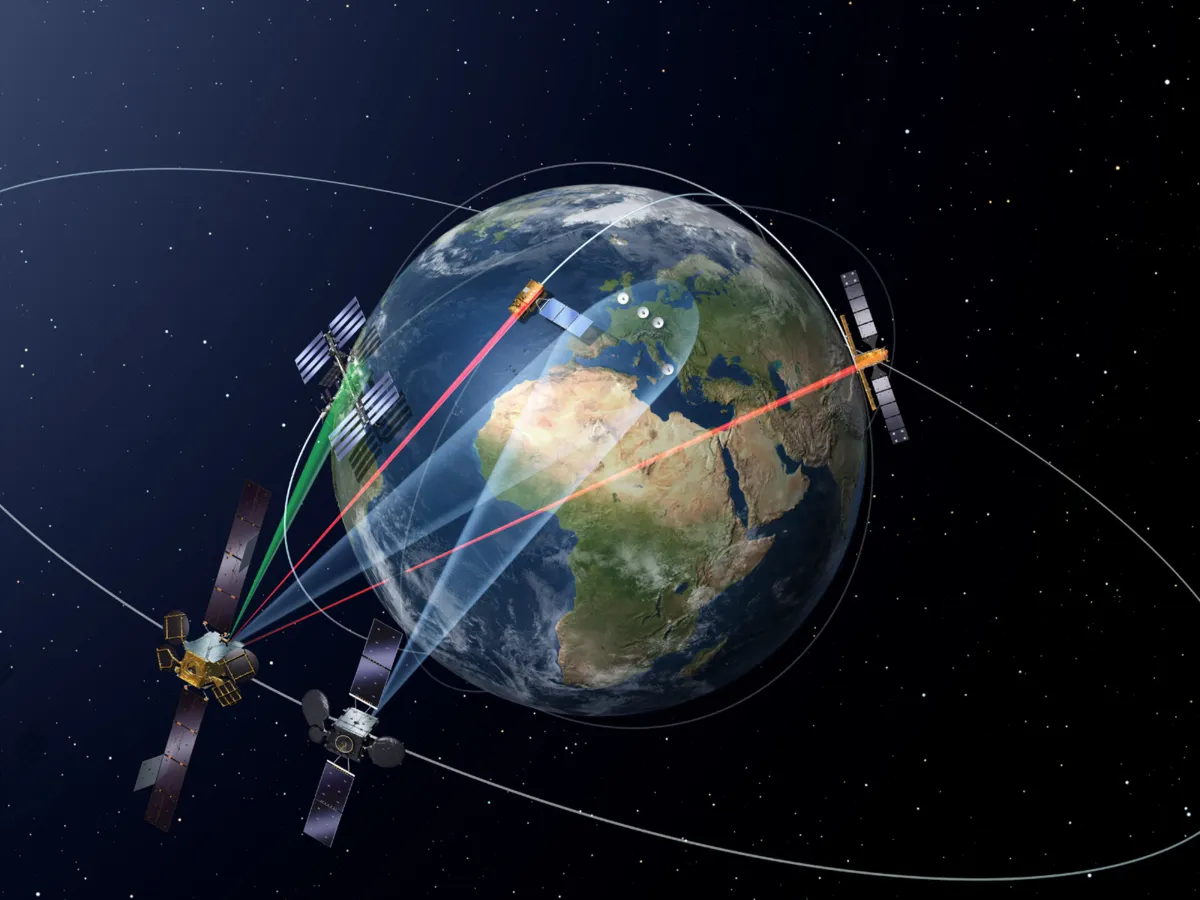
How Does Satellite Imagery Become Intelligence?
Think of a satellite as a courier collecting packages. But what happens after collection? Between a satellite pressing its “shutter” and a wildfire alert, flood map or vessel track appearing on your phone, how many steps does the data go through? Let’s unpack the entire data pipeline. The Traditional Pipeline: Shipping Every Ingredient Back to…
-
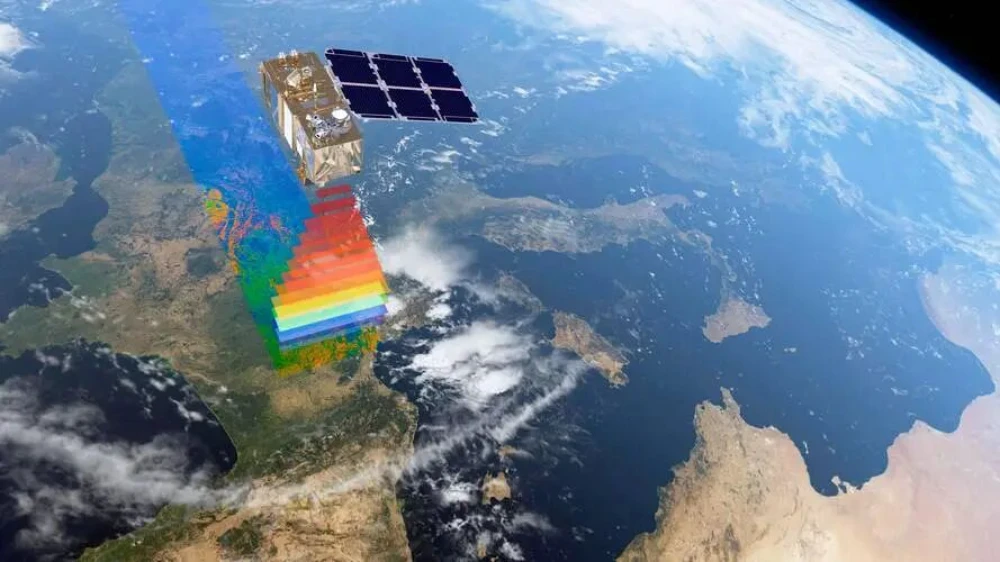
From Imaging to Intelligence: How Smart Remote-Sensing Satellites Are Changing the Market
Several smart remote-sensing satellites have recently been launched in China and other countries, entering a rapidly expanding applications market and attracting growing industry attention. But what does it mean for a remote-sensing satellite to become “smart”? What benefits could onboard intelligence provide, and how might it help satellite operators reach new markets and deliver services…
-
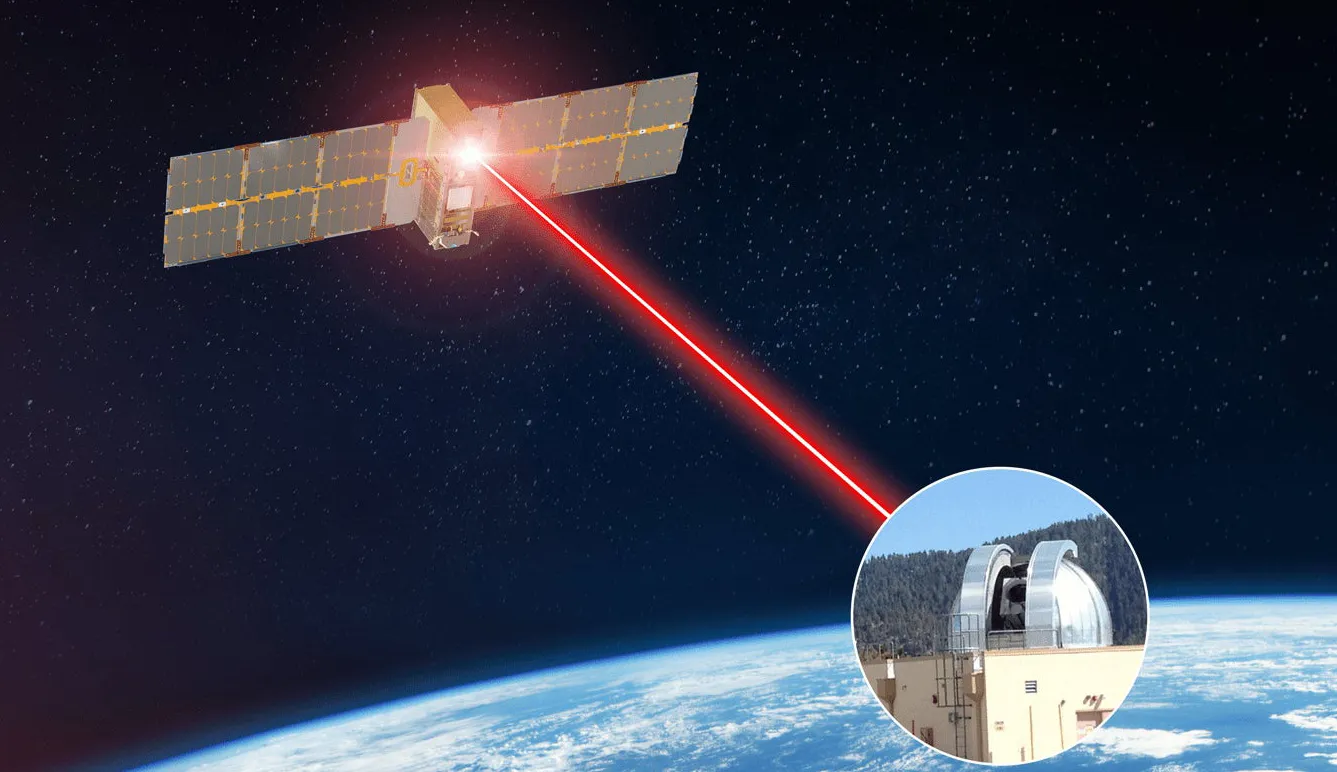
Space-Based Optical Communications Move From Flight Demonstrations to Operational Networks
Space-based optical communications are moving from experimental missions toward operational deployment as satellite operators seek higher-capacity alternatives to congested radio-frequency links. An industry assessment published September 20 said space-qualified laser terminals are now supporting data rates of up to 10 gigabits per second in orbital applications, while standardized optical inter-satellite links are becoming part of…