
Tag: Long March
-

China’s State-Owned Space Company Expands Global Markets
As China marks the 70th anniversary of its space program in 2026, China Great Wall Industry Corporation (CGWIC) is expanding its international business from commercial launches to integrated space systems and services. Established in 1980, the company serves as the specialist international business arm of China Aerospace Science and Technology Corporation (CASC), supporting national strategic…
-
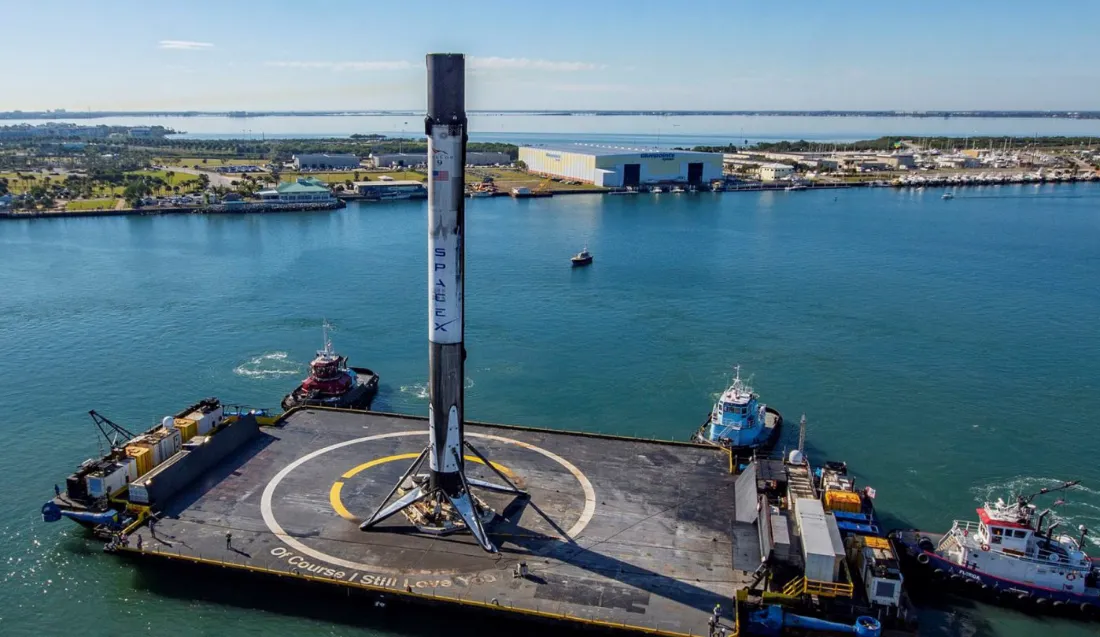
From Recovery Milestones to Routine Reuse: What Falcon 9 Can Teach China’s Reusable Rocket Industry
As the launch industry demands lower costs, higher flight rates and greater scale, reusability is making rockets function more like transportation systems. SpaceX’s Falcon 9 was the first reusable orbital rocket to enter commercial service. Its combination of relatively low costs, frequent launches, large scale and strong reliability has made it a mainstay of the…
-
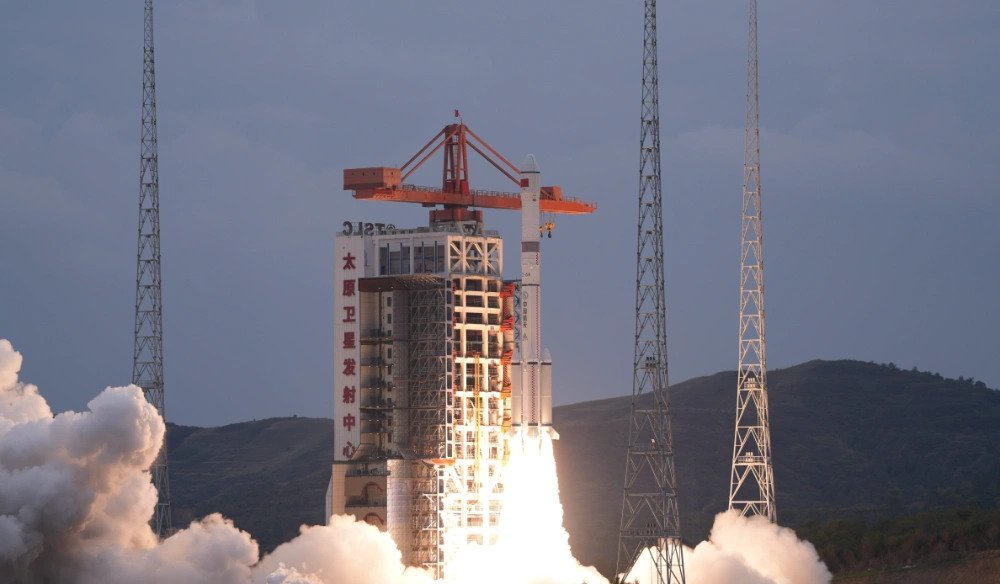
China Successfully Launches Remote-Sensing Satellite 40 Group 04 on Long March 6A Rocket
China launched the Remote-Sensing Satellite No. 40 Group 04 at 4:46 p.m. Beijing Time on September 24, 2026, using a Long March 6A rocket from the Taiyuan Satellite Launch Center. The satellites entered their planned orbit and will primarily conduct electromagnetic environment detection and related technology experiments. Chinese authorities did not disclose the number of…
-
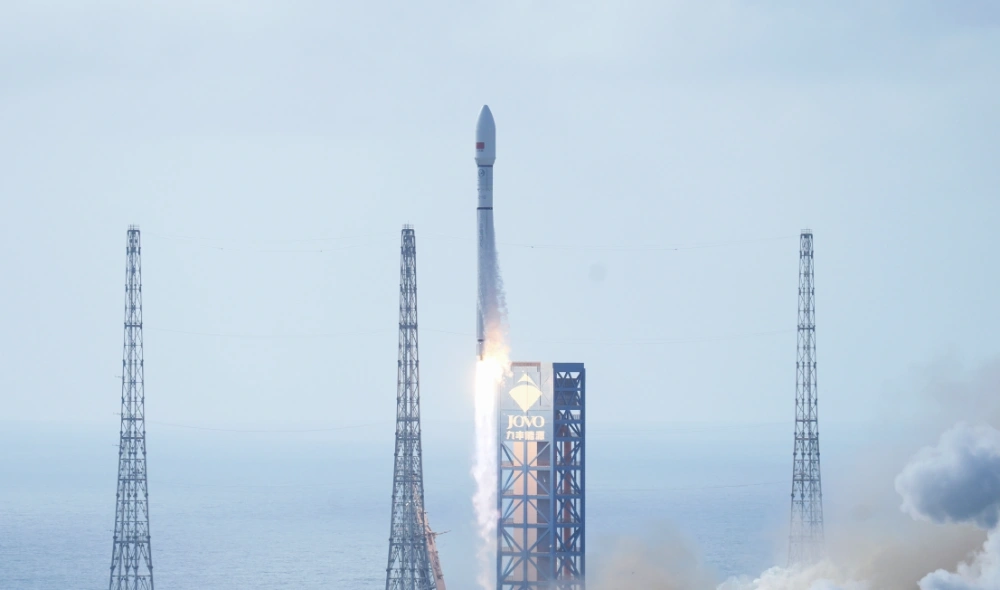
Long March 12 Successfully Launches the 25th Group of Low Earth Orbit Internet Satellites
At 8:32 a.m. Beijing time on September 17, 2026, China launched the 25th group of low Earth orbit satellite internet spacecraft aboard a Long March 12 rocket from the Hainan Commercial Space Launch Site. The satellites entered their planned orbit, completing the mission successfully. Developed under the leadership of the Eighth Academy of China Aerospace…
-

From Precision Landings to Rapid Turnaround: Key Technologies Behind Reusable Rocket Engines
With the successful recoveries of the Long March 10B and Zhuque-3, rocket recovery and reuse have become one of the hottest topics in the space industry. Yet the real value lies not in the dramatic moment of recovery, but in the underlying economics: reducing the cost per launch by reusing high-value components. As the most…
-

Why Was the Rocket Unscathed After Being Struck by Lightning?
On July 24, China successfully launched the Tianlian II-06 satellite aboard a Long March-3B carrier rocket from the Xichang Satellite Launch Center. During its ascent, lightning flashed near the rocket, creating a spectacular scene. A rocket had barely lifted off when it was suddenly struck by lightning, sending electrical arcs scattering across its body in…
-
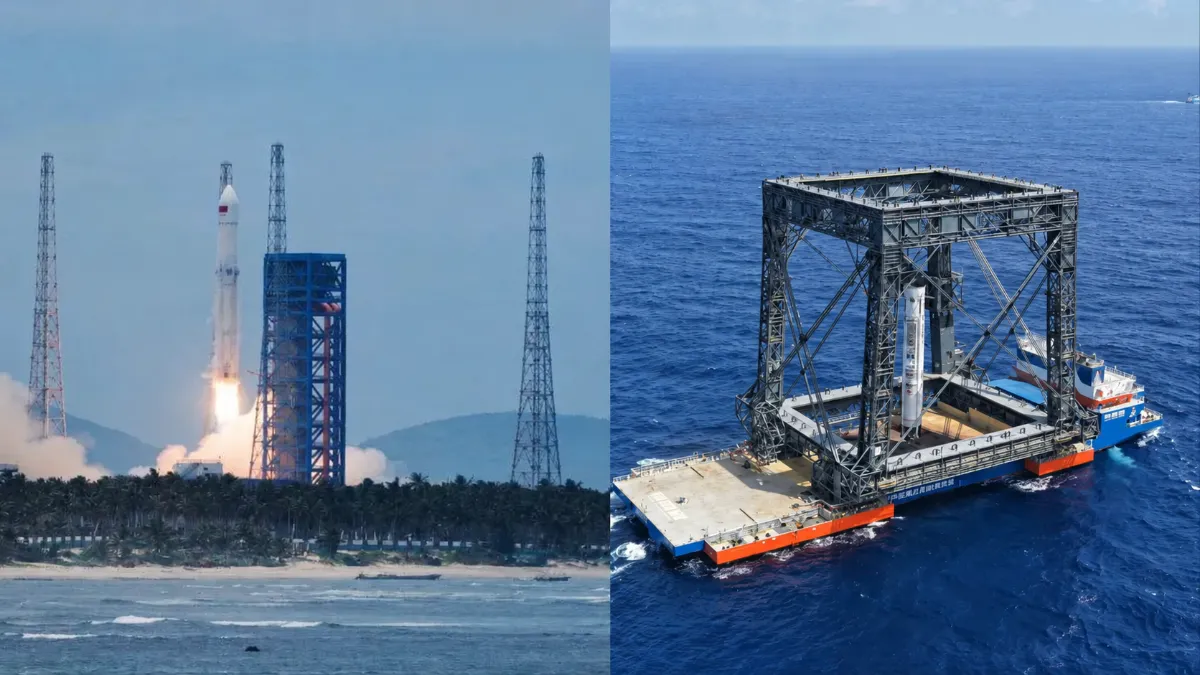
Six Key Metrics for Assessing China’s Reusable Rockets
China’s reusable-rocket race has reached a turning point. With the Long March-10B completing an offshore net-capture recovery and Zhuque-3 Y2 landing its first stage on deployable legs, the country has demonstrated that it can recover intact boosters from orbital-class missions. But landing a rocket is not the same as reusing it—and reuse does not automatically…
-
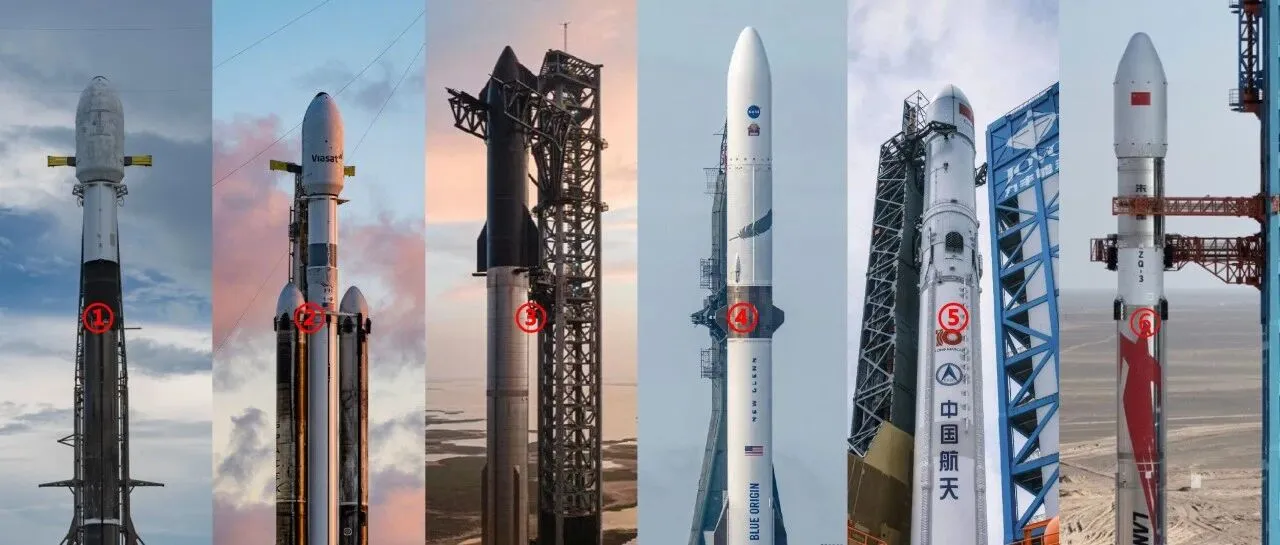
Decoding the Six Reusable Rockets Successfully Recovered Worldwide
Rocket recovery has evolved from an experimental concept into one of the defining capabilities of modern launch vehicles. By returning and potentially reusing major rocket stages, launch providers aim to reduce costs, shorten turnaround times and support a higher launch cadence. To date, six orbital-class launch vehicles worldwide—Falcon 9, Falcon Heavy, Starship, New Glenn, Long…
-

China’s First Export Satellite Delivered In Orbit Retires After 15 Years of Service
On August 24, 2026, PakSAT-1R completed all deorbiting operations following the execution of its final orbital control command, formally leaving the 38° East orbital position it had occupied for 15 years. Affectionately known as “PakSat-1R” by Chinese and Pakistani space professionals, the communications satellite concluded its mission with a graceful final farewell to space. The…
-
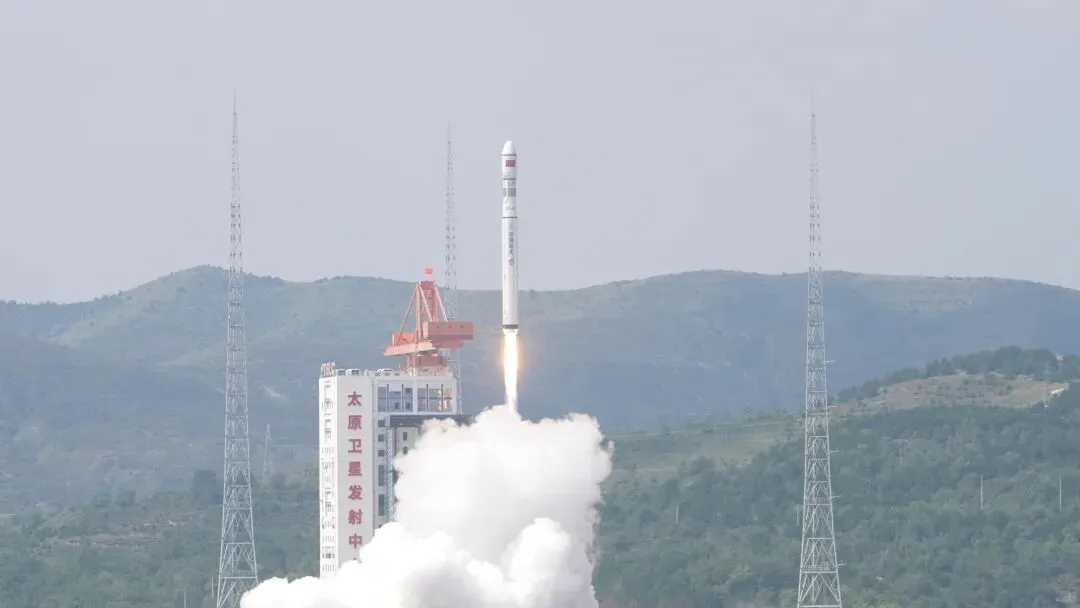
China Launches Seven Satellites on One Rocket, Including Thai CubeSat
At 11:21 a.m. Beijing Time on August 25, a Long March 6C carrier rocket lifted off from the Taiyuan Satellite Launch Center, successfully placing seven satellites into their designated orbits. The payloads included AIRSAT-14, AIRSAT-15, GISTDA CubeSat 1, Muduo-1A, Muduo-1B, Jing’an Dream Satellite and Bayi-04. The launch marked the 665th flight of China’s Long March…