
Tag: Robotics
-
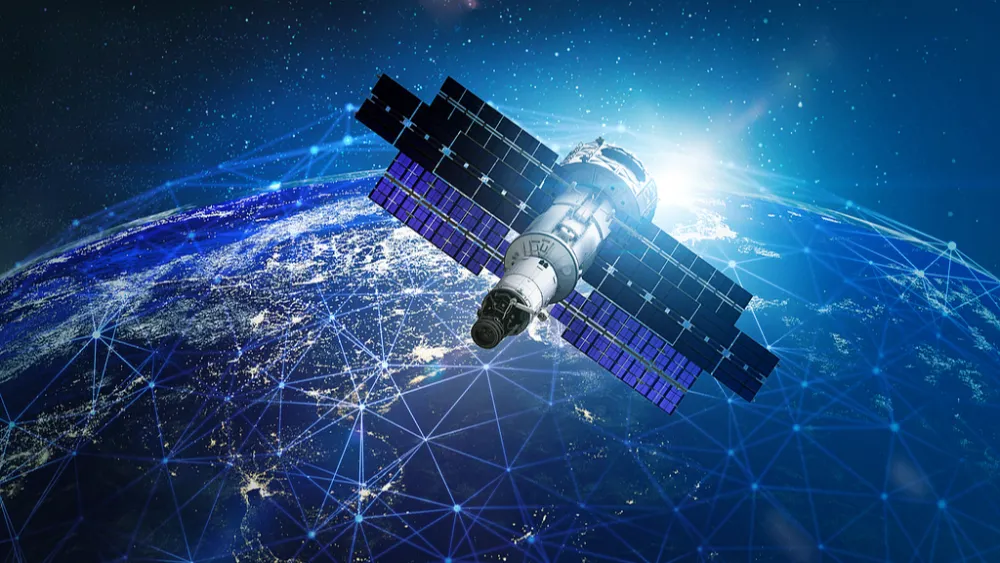
Why Is China Going to Such Lengths to Send Computing Power into Space?
China is working to give satellites an additional “brain” by combining artificial intelligence and onboard computing with traditional space capabilities. The objective is not simply to process data in orbit, but eventually to enable autonomous spacecraft, robotic servicing and the construction of large-scale computing infrastructure and human bases in space. What Is Space-Based Computing? Space-based…
-
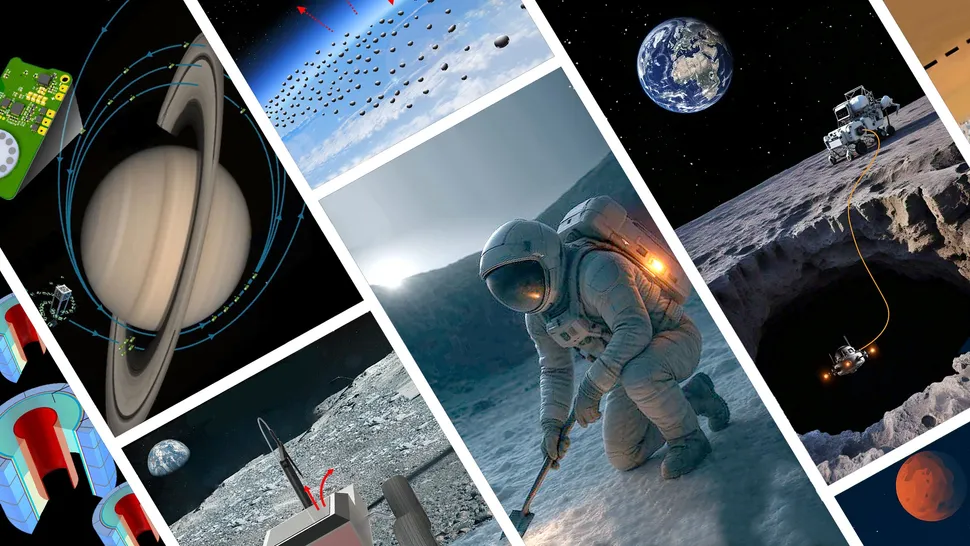
NASA Backs 18 Visionary Space Concepts, Including a Swarm of 10,000 Femtosatellites for Saturn Exploration
NASA has selected 18 early-stage technology concepts for funding under its 2026 NASA Innovative Advanced Concepts (NIAC) program, supporting a diverse portfolio of futuristic ideas ranging from lunar cave exploration and Venus-hardened spacecraft to a proposed fleet of 10,000 miniature satellites designed to probe Saturn’s rings. The agency announced on July 29 that the 18…
-

Founders on the frontiers of space and robotics show off their gadgets and tell the stories behind them
Carbon Robotics CEO Paul Mikesell talks about his company’s LaserWeeder system with a model of Starfish Space’s Otter Pup spacecraft sitting on the table in the foreground. (GeekWire Photo / Alan Boyle) Four founders of companies on the tech frontier got together this week at a Seattle conference for a show-and-tell about the hardware at…
-
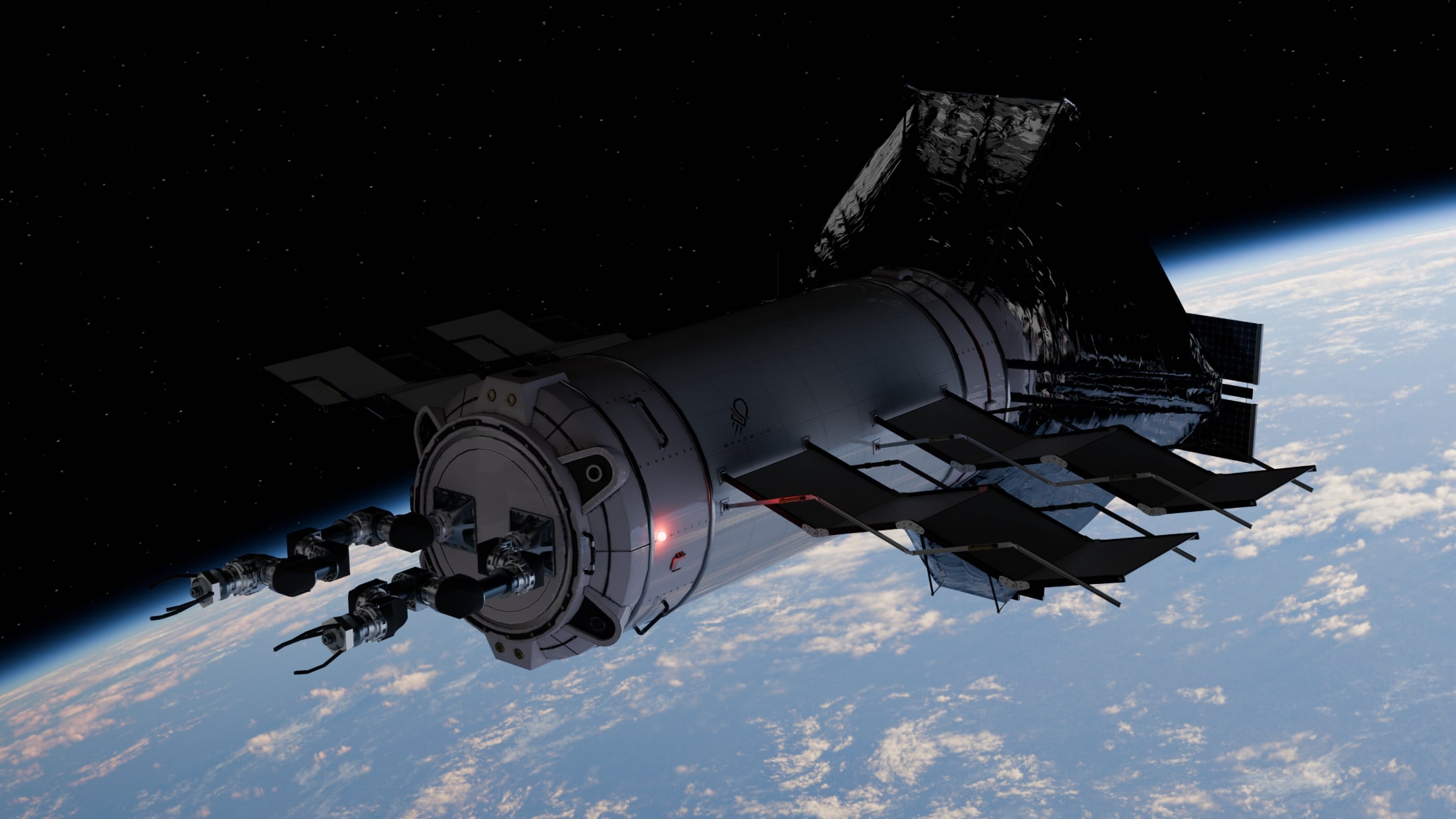
Spaceium Demonstrates High-Precision Robotic Actuator for Future In-Orbit Refueling
U.S. robotics startup Spaceium has demonstrated a high-precision actuator in orbit, a technology it says could enable future robotic refueling and servicing of satellites. The component flew aboard a SpaceX Transporter rideshare mission launched in November and was tested in space rather than in laboratory conditions. According to the company, the device achieved rotational accuracy…
-

Orbital Robotics reaches out with a plan to build robotic arms that use AI
An artist’s conception shows a spacecraft with robotic arms preparing to grapple the Hubble Space Telescope. (Orbital Robotics Illustration) A space startup founded by veterans of Jeff Bezos’ Blue Origin space venture is recruiting partners in its quest to build robotic arms powered by artificial intelligence. Founded in late 2024, Puyallup, Wash.-based Orbital Robotics is…
-

Mars Society gains foothold in AI, robotics and biotechnology to clear a path to space
NASA engineer Christine Gregg inspects an experimental construction robot. (NASA Photo / Dominic Hart) The Mars Society says it’s making progress on launching a startup incubator in the Seattle area, with artificial intelligence and biotech as its first targets. Its long-term goal? To make a profit, yes, but also to support the development of technologies…
-
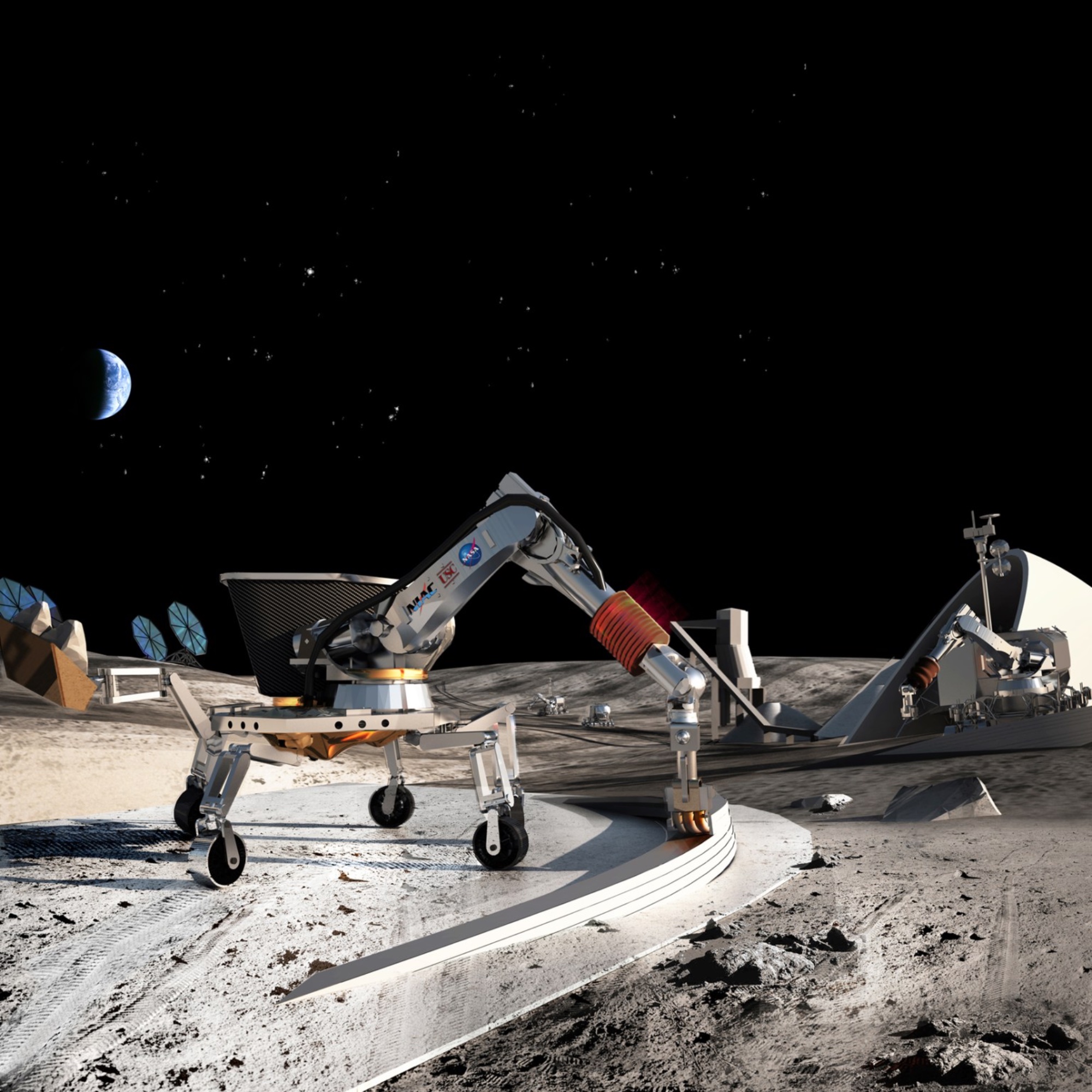
Building robots for “Zero Mass” space exploration
Sending 1 kilogram to Mars will set you back roughly $2.4 million, judging by the cost of the Perseverance mission. If you want to pack up supplies and gear for every conceivable contingency, you’re going to need a lot of those kilograms. But what if you skipped almost all that weight and only took a…
-
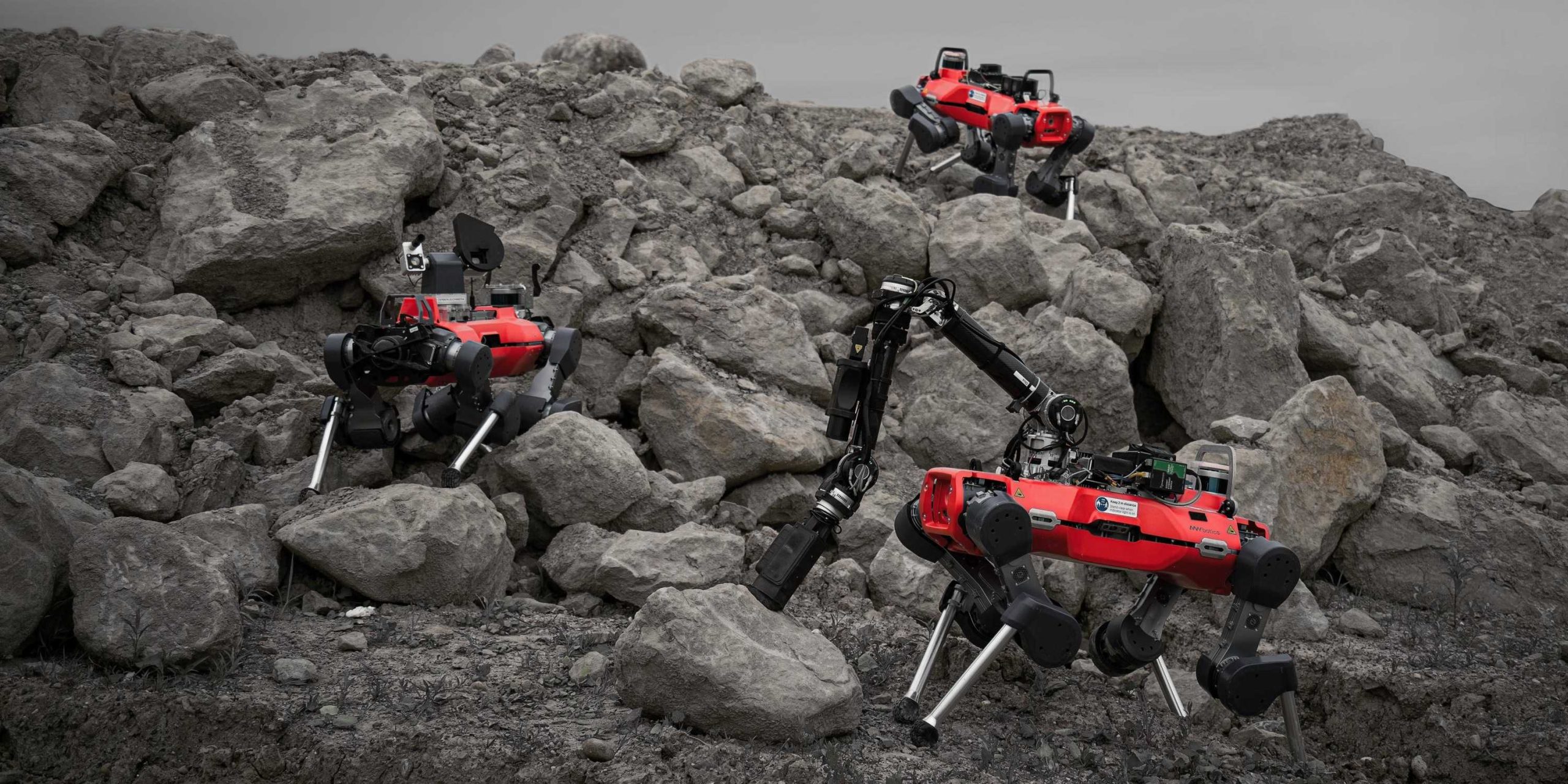
New legged robots designed to explore planets as a team
While rovers have made incredible discoveries, their wheels can hold them back, and erratic terrain can mean damage. There is no replacing something like Perseverance, but sometimes rovers could use a leg up, and they could get that from a small swarm of four-legged robots. They look like giant metal insects, but the trio of…
-

Cosmonauts complete spacewalk to activate space station’s European Robotic Arm
Russian cosmonauts Oleg Artemyev and Denis Matveev carried out a spacewalk on April 18 to prepare the International Space Station’s new European Robotic Arm for use. The cosmonauts exited the Poisk module’s airlock at around 15:00 UTC and spent over six and a half hours working outside the station to complete their objectives, completing the…
-
Two Seattle-area students are finalists in NASA design contest for lunar dirt-digging robots
Project Stardust by Ke “Max” Jiang, left, and Terebro, by Mason Lysaght. (Lunabotics Images) Dig this — two Seattle-area students were semifinalists in a national contest run by NASA in which kids in grades K-12 were tasked with designing a robot that could scoop up and transport lunar soil. The Lunabotics Junior Contest winners were named…