
Tag: Rocket Recovery
-
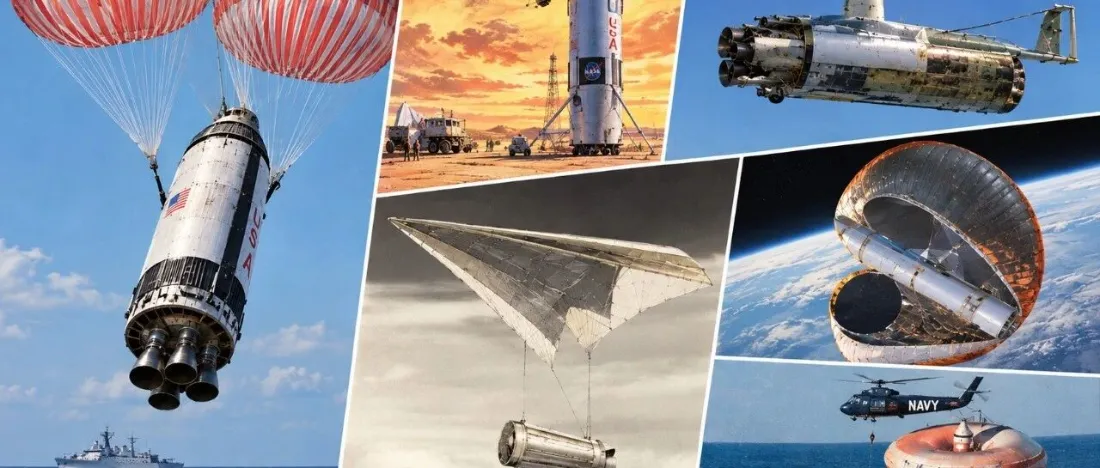
What Unusual Ideas Have Engineers Proposed to Recover Rockets?
Engineers have long wanted to make space launches less expensive. Half a century ago, however, cost was rarely the first priority of a major space program. Completing the mission mattered more. Recovering and reusing rockets is now a key way to reduce launch costs, but engineers were considering the idea even before the Apollo program.…
-
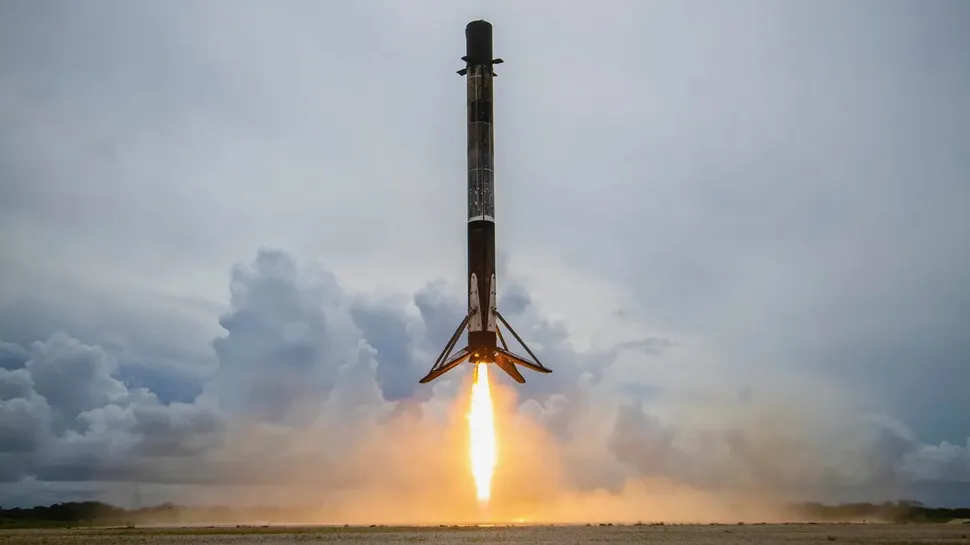
SpaceX Falcon 9 Landing Team Wins First Neil Armstrong Space Prize for Pioneering Reusable Booster Landings
Purdue University presented its first Neil Armstrong Space Prize to SpaceX’s Falcon 9 Booster Landing Team on September 15, 2026, at the Cosmos Club in Washington, D.C. Announced in April, the award recognizes the team’s development of vertical booster landings, which made repeated first-stage reuse a routine part of orbital launches. Five SpaceX employees accepted…
-
How Do Rockets Find Their Way Home? Three Mainstream Recovery Methods Explained
On August 19, the Zhuque-3 Y2 launch vehicle lifted off from the Dongfeng Commercial Space Innovation Pilot Zone. Its first stage successfully landed as planned at the Zhuque-3 landing site in Minqin County, Gansu Province. The mission marked another major breakthrough for China in key reusable-rocket technologies, making Zhuque-3 the country’s first launch vehicle to…
-
Six Key Metrics for Assessing China’s Reusable Rockets
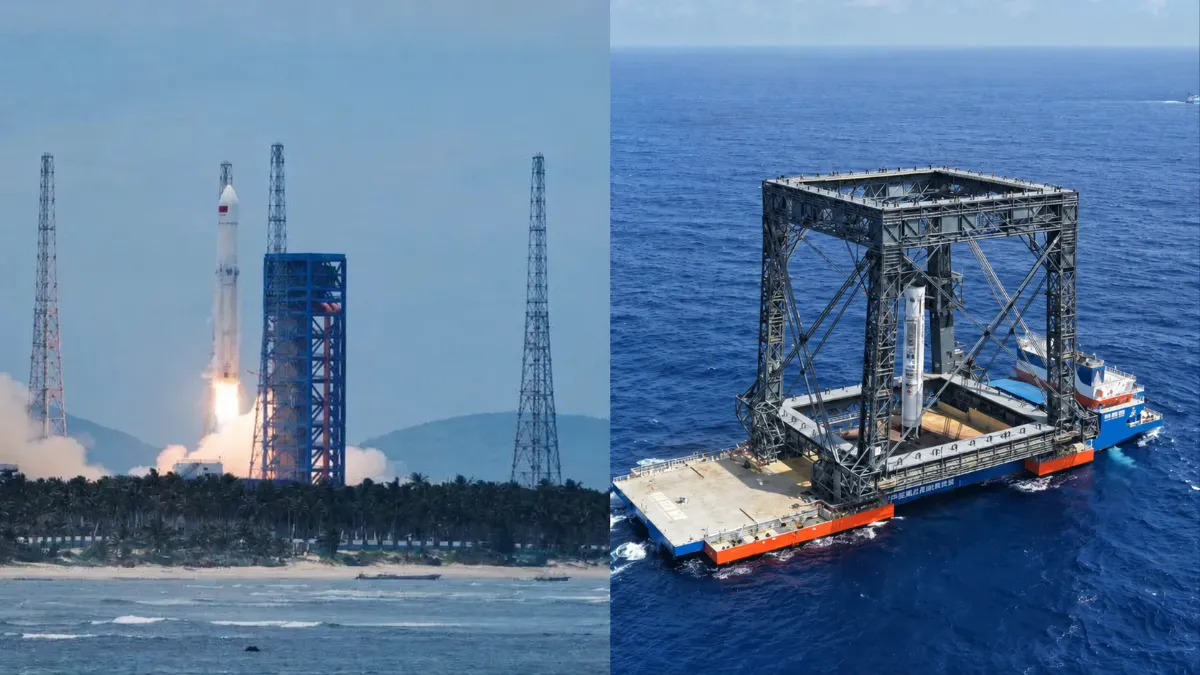
China’s reusable-rocket race has reached a turning point. With the Long March-10B completing an offshore net-capture recovery and Zhuque-3 Y2 landing its first stage on deployable legs, the country has demonstrated that it can recover intact boosters from orbital-class missions. But landing a rocket is not the same as reusing it—and reuse does not automatically…
-
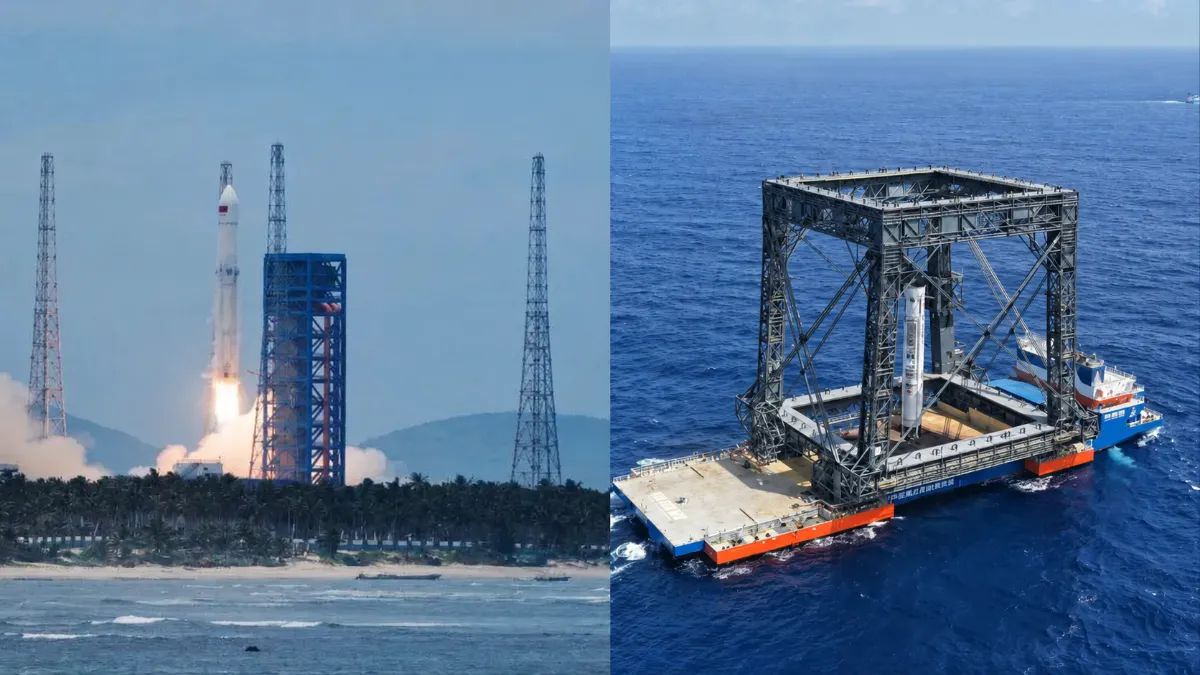
In-Depth Look at the Long March 10B Launch Vehicle
I. Basic Information The Long March 10B is a large, reusable commercial liquid-propellant launch vehicle with a diameter of 5 meters. The rocket was developed under the overall responsibility of the China Academy of Launch Vehicle Technology (CALT). The project was formally approved on July 3, 2025, entered the engineering development phase in December 2025,…
-
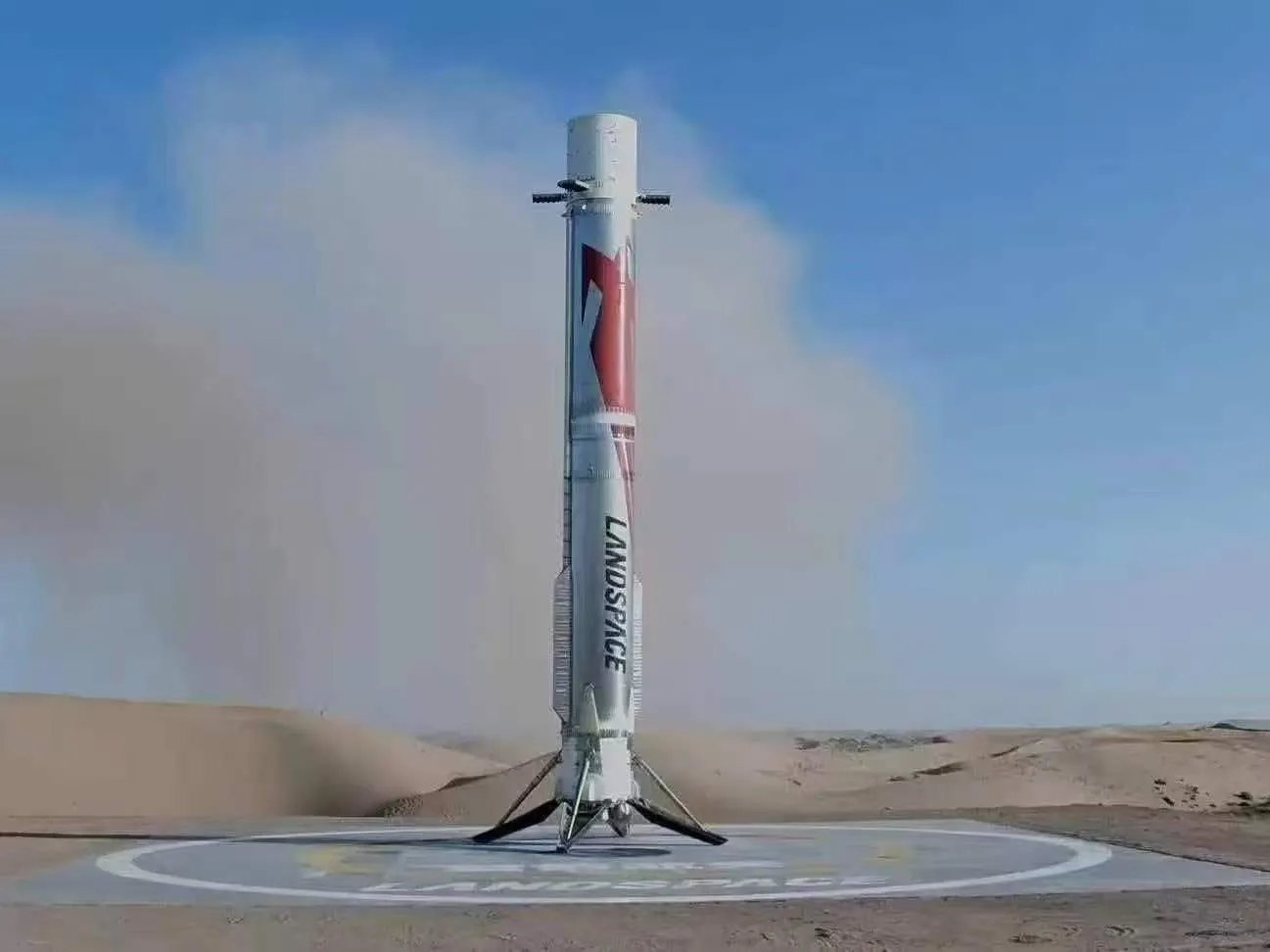
After Long March 10B and Zhuque-3 Recoveries, What Comes Next for China’s Commercial Rockets?
On August 19, 2026, the second Zhuque-3 rocket lifted off from the Dongfeng Commercial Space Innovation Pilot Zone. Its first stage subsequently returned to a landing pad in Minqin, Gansu Province, marking China’s first land recovery of the first stage of an orbital-class launch vehicle. Just 40 days earlier, on July 10, the Long March…
-

Successful Rocket Recovery Is Only the Beginning. Three Priorities Come Next
China has successfully recovered two orbital-class rocket boosters—one at sea and one on land—but recovery itself is only the starting point. Turning reusable rockets into a commercially viable capability will depend on three priorities: Rapidly returning recovered boosters to flight and developing a first stage optimized for frequent reuse; Continuously increasing the payload fraction to…
-
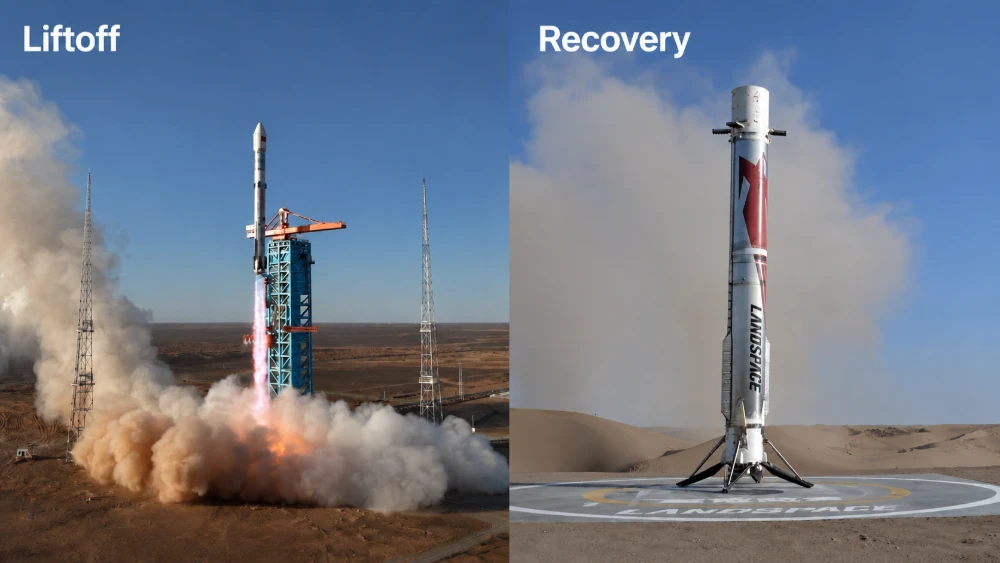
Zhuque-3 Y2 Successfully Recovered: China Achieves Its First Onshore Recovery of an Orbital-Class Rocket First Stage
At 7:35 a.m. Beijing Time on August 19, 2026, the Zhuque-3 Y2 launch vehicle, developed by LandSpace Technology Corporation Ltd. serving as the prime contractor, lifted off from the Dongfeng Commercial Space Innovation Pilot Zone. Approximately 137 seconds after liftoff, the first and second stages separated. The second stage continued its flight and successfully placed…
-
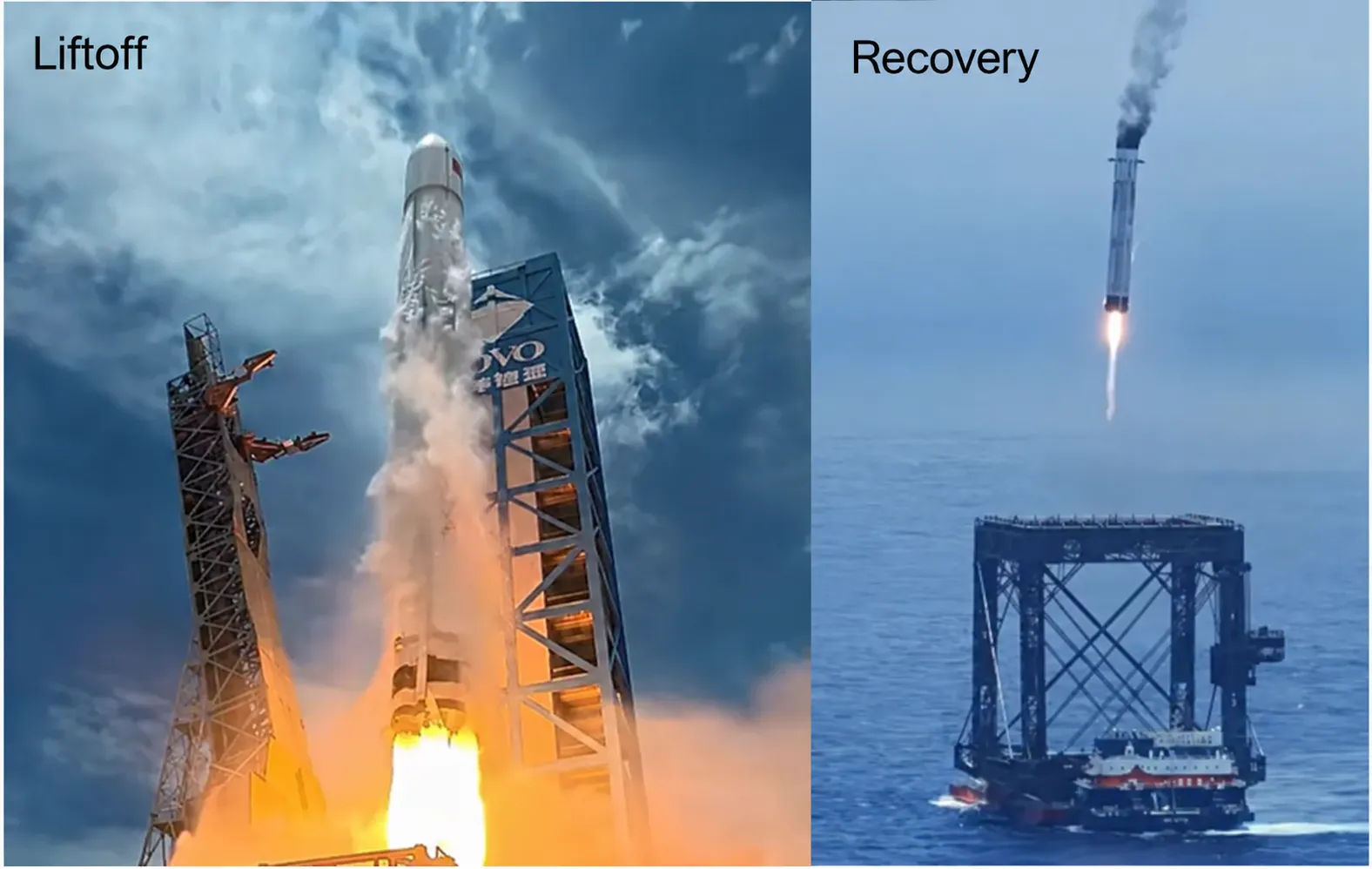
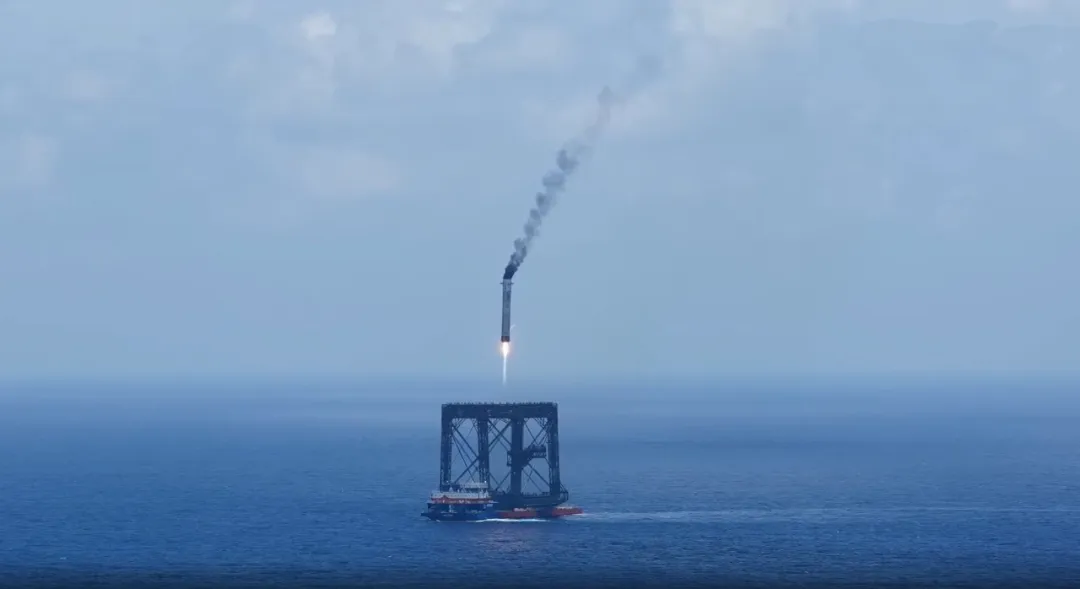
Epic Milestone: The World’s First Offshore Net-Based Rocket Recovery — A Comprehensive Analysis of the Long March 10B and Related Companies
On July 10, 2026, the Long March 10B achieved a historic breakthrough by completing China’s first recovery of a rocket first stage, making China the second country in the world—after the United States—to recover a reusable rocket. According to China Central Television, the Long March 10B carrier rocket, developed by the China Academy of Launch…