
Tag: satellite internet
-
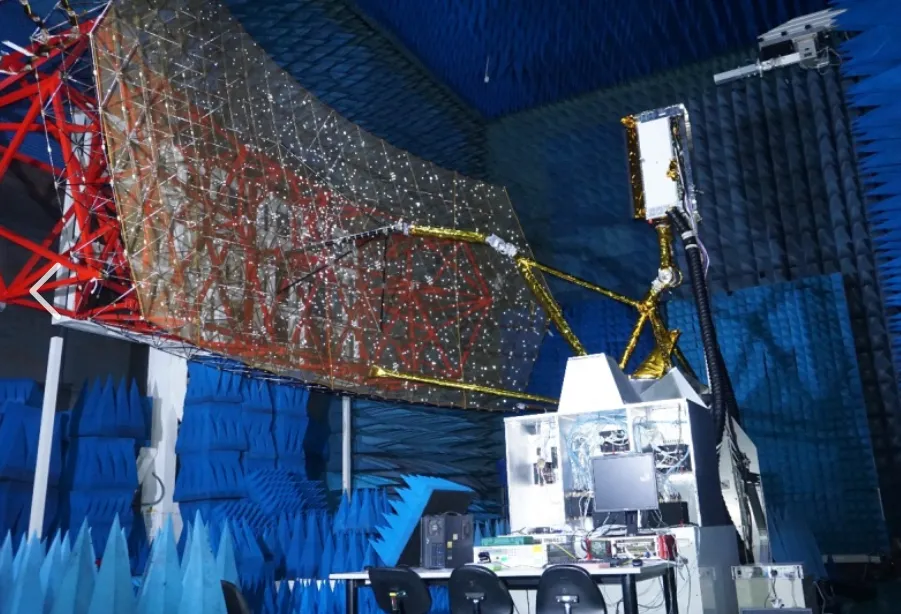
Who Is Powering China’s GW Constellation? A Look at the Five Leading Satellite Institutes and Companies Behind It
Advances in phased-array radar and synthetic aperture radar (SAR) technologies are not only enhancing Earth observation capabilities but are also becoming a cornerstone of low-Earth-orbit (LEO) broadband communications satellites. A satellite’s phased-array antenna is essentially a phased-array radar operating in communication frequencies. Key radar technologies such as rapid beam steering, parallel subarray operation, and grating…
-

China’s Race for Orbit and Spectrum: Hainan’s New Factory Targets 1,000 Satellites a Year
The successful recovery of Zhuque-3 was celebrated across China. From state-owned aerospace organizations to private companies, China’s commercial space sector has achieved a historic breakthrough in rocket recovery technology. Yet while everyone was looking up at the sky, another, less visible part of China’s space strategy was quietly taking shape. June 2026, Wenchang, Hainan Province.…
-
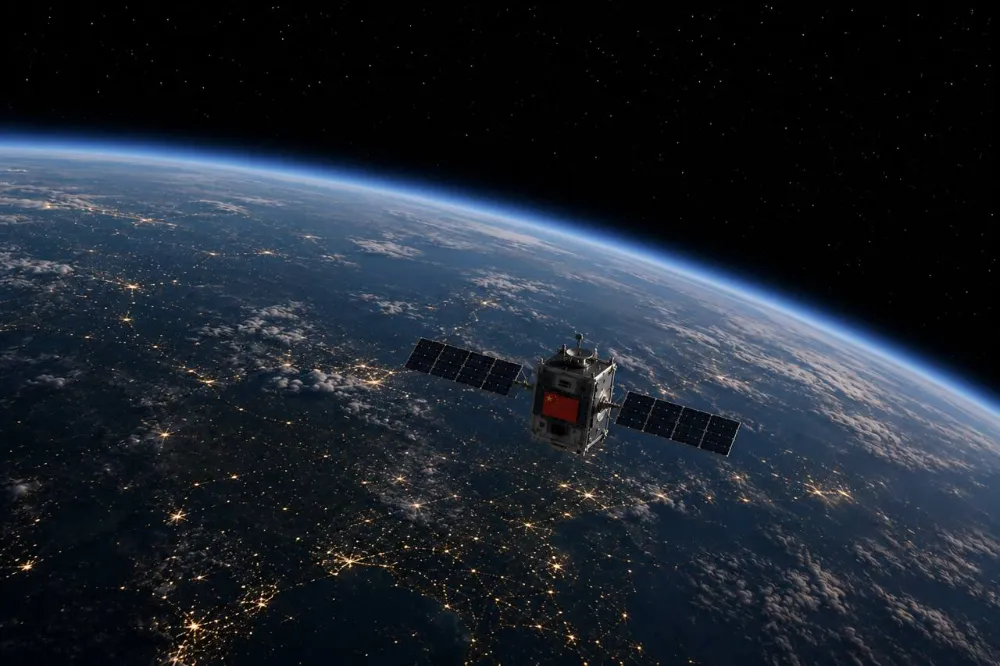
Shanghai Spacecom Secures $1.94 Billion Funding Round, Reaching $6.96 Billion Valuation as China Accelerates Starlink Rival
Chinese satellite internet operator Shanghai Spacecom Satellite Technology (SSST), also known as SpaceSail, has completed a 7 billion yuan ($1.94 billion) Series B financing round, valuing the company at approximately 50.1 billion yuan ($6.96 billion). The funding marks one of the largest capital raises in China’s commercial satellite sector and underscores the country’s determination to…
-
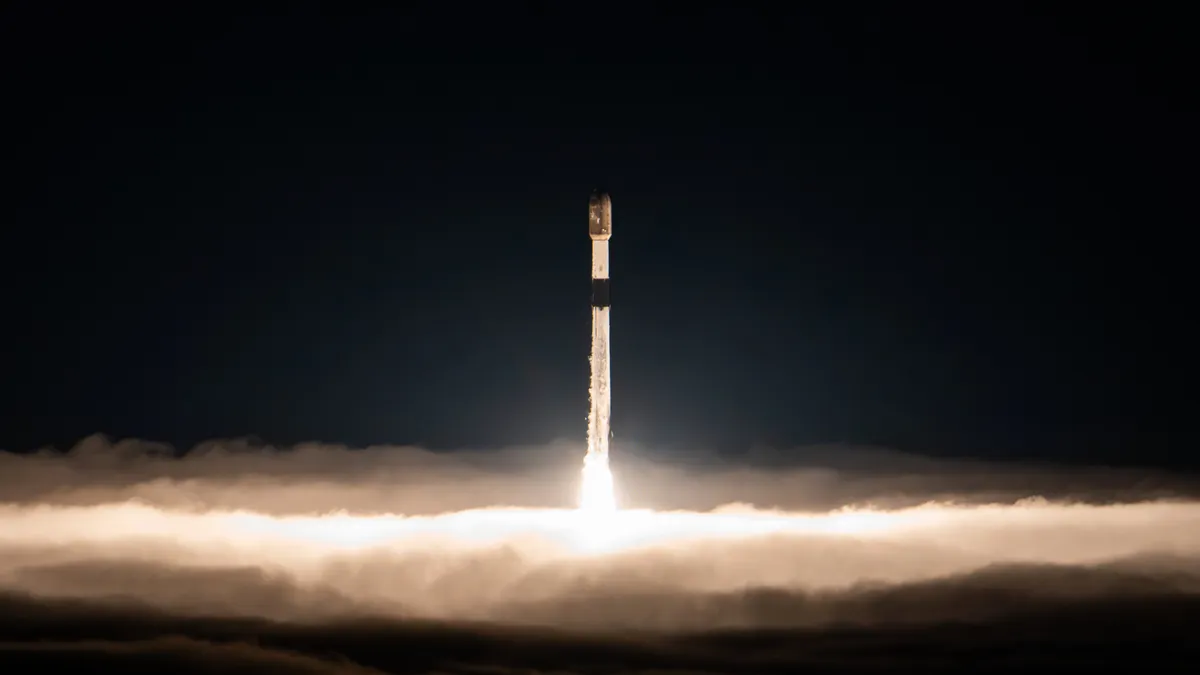
SpaceX Marks 100th Falcon Launch of 2026 with Starlink Group 15-20 Mission
SpaceX continued its record-setting launch pace on Aug. 22, successfully deploying 27 Starlink internet satellites into low Earth orbit aboard a Falcon 9 rocket from Vandenberg Space Force Base in California. The mission, designated Starlink Group 15-20, represented the company’s 100th Falcon-family launch of 2026 and further expanded the world’s largest satellite constellation. The Falcon…
-
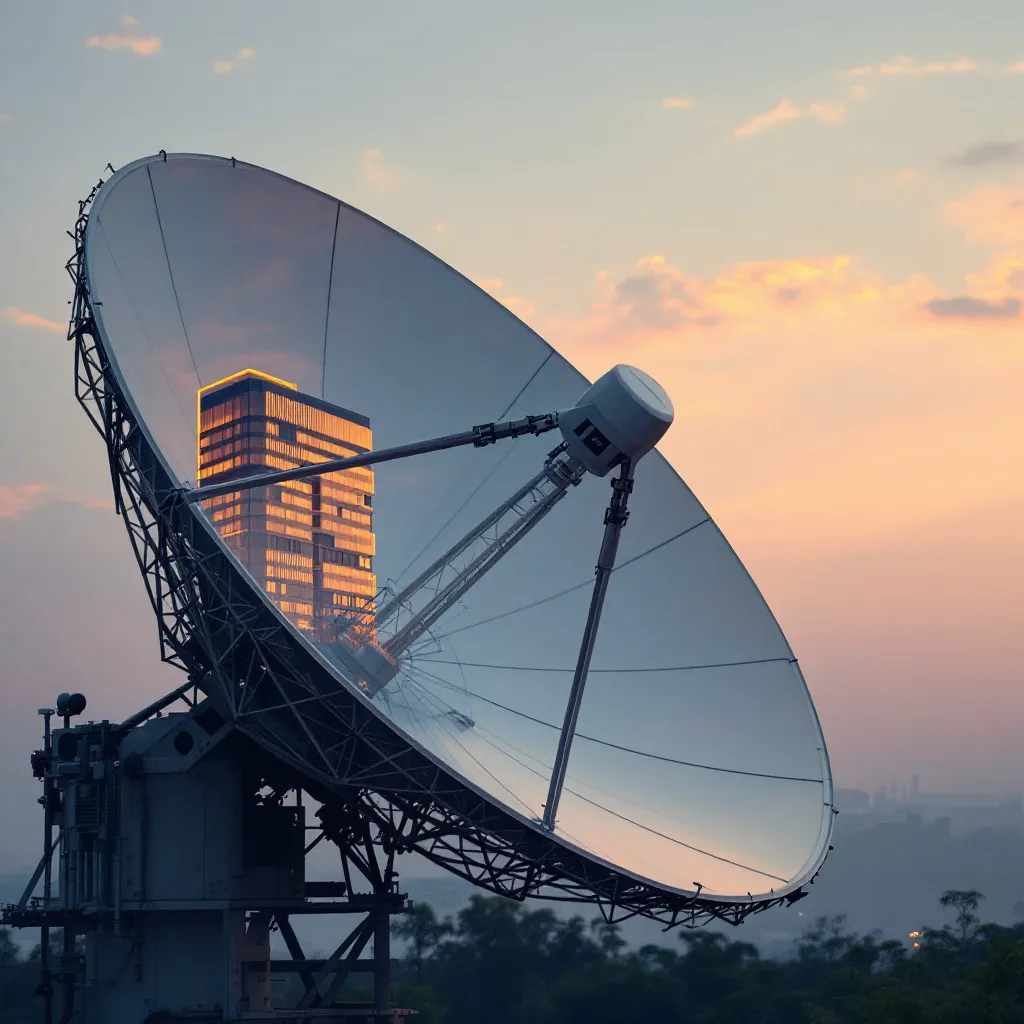
Starlink Reapplies for India Approval of Nearly 30,000 Gen 2 Satellites With Direct-to-Device Capability
Starlink has renewed its push to expand in India, submitting a fresh application to the Indian National Space Promotion and Authorisation Centre (IN-SPACe) for authorization of nearly 30,000 second-generation satellites in low Earth orbit. The proposed Gen 2 network would add newer capabilities, including direct-to-device (D2D) connectivity, potentially allowing compatible mobile phones and other devices…
-

Commercial Space 2.0: Where Are the Opportunities for China’s Second-Generation Rocket Companies?
China’s commercial rocket industry officially began to take shape in 2015, when three government ministries jointly issued guidelines encouraging its development. Looking back from where the industry stands today, it took a decade for China to largely complete its policy framework and develop a basic supply chain. That period also saw the arrival of market…
-

China’s New Space Contest Will Be Fought With Commercial Satellites
Over the past decade, the commercial space industry has transformed satellites from assets reserved for national-level missions into industrial products that can be mass-produced and deployed on demand. As thousands of low-Earth-orbit broadband, remote-sensing and navigation satellites form constellations, space is taking on the characteristics of infrastructure for the first time—continuously providing connectivity, observation and…
-

Why Inter-Satellite Laser Communications Have Become a Strategic Battleground for Satellite Internet
In the traditional satellite-to-Earth transmission model, satellites serve only as relay nodes: they forward information but do not process it directly, while ground gateways and terrestrial networks perform the core functions. With inter-satellite links, by contrast, satellites can transmit and exchange information directly without routing every connection through a ground station. Each spacecraft acts as…
-

Russia Accelerates Rassvet Satellite-Internet Deployment
MOSCOW/KYIV, Aug. 13, 2026 — Russia is accelerating the deployment of Rassvet, a domestically developed low-Earth-orbit broadband constellation intended to reduce the country’s dependence on foreign satellite communications. Recent launches and orbital observations suggest that the project has moved beyond experimental testing, although its present capabilities remain far short of SpaceX’s Starlink network. The system…
-
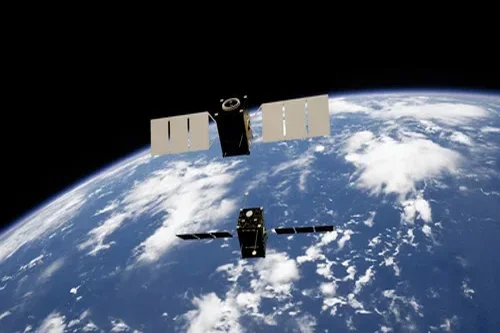
The Key Forces Shaping the Space Economy: Who Is Really Growing—and Who Is Just Telling a Story?
If launch costs have fallen to a fraction of their level 20 years ago, why has the global space economy not grown at the same pace? Over the past decade, reusable rockets have reduced the cost of reaching orbit by an order of magnitude, while the number of satellites launched has increased severalfold. Yet the…