
Tag: Space Policy
-
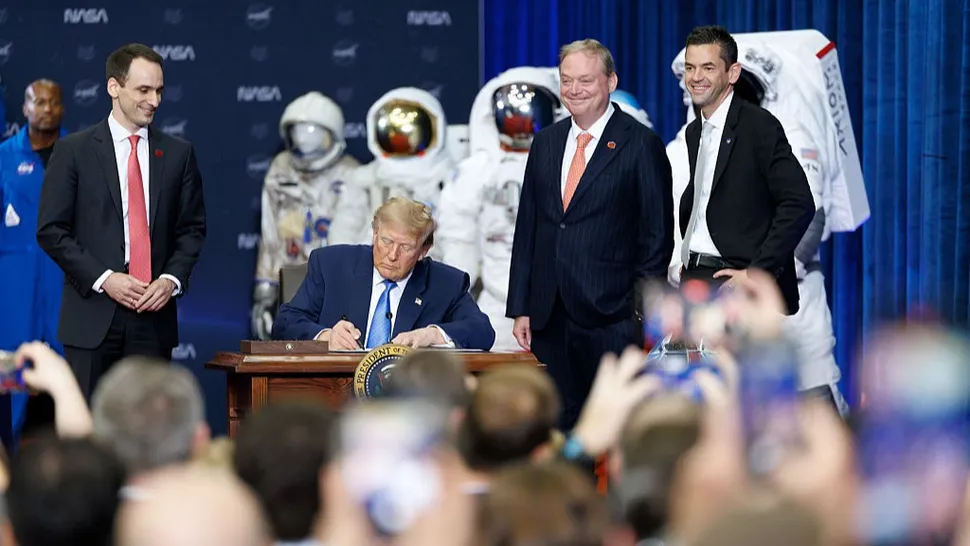
Trump Orders Study of NASA-Led U.S. Space Academy as Civilian-Military Questions Emerge
President Donald Trump signed an executive order at NASA’s Johnson Space Center in Houston on August 28, 2026, directing a federal commission to assess the feasibility of creating a United States Space Academy. The proposed NASA-led institution would train engineers, scientists, spacecraft operators and other professionals for civilian, commercial and national-security space activities, but its…
-

European Commission Targets €65 Billion for Space in 2028–2034 EU Budget
The European Commission wants space activities to receive half of a proposed €131 billion defense, security and space funding envelope for 2028–2034, European Commissioner for Defence and Space Andrius Kubilius said in Paris. The proposed split would direct approximately €65.5 billion to space programs over seven years, substantially elevating space within the European Union’s next…
-

DOT Forms SPACE Task Force, but Authority to Cut Launch Approval Times Remains Unclear
The US Department of Transportation established the Space Policy Administration, Coordination, and Execution Task Force on September 9 to accelerate commercial launch approvals, expand spaceport capacity and improve launch integration with the national airspace system. However, DOT did not announce approval-time targets, implementation deadlines or new licensing authority, leaving unresolved whether the group can remove…
-
NASA Opens State Competition for U.S. Space Academy as Congressional Questions Loom
NASA has invited U.S. governors to compete to host and sponsor the proposed United States Space Academy, issuing a Request for Information on September 10 that seeks details on potential locations, infrastructure and supporting aerospace ecosystems. States may submit one response each by 6 p.m. EDT on October 26, even as the institution’s legal authority,…
-
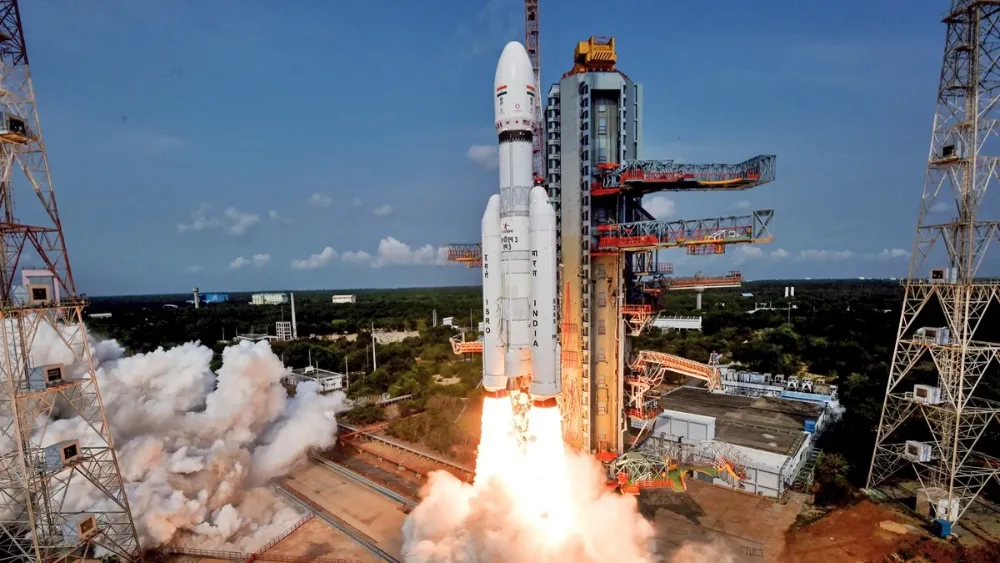
ISRO Rejects Privatisation Concerns as India Expands Private-Sector Role in Space
The Indian Space Research Organisation said on September 6 that it will neither be privatised nor lose its central role in India’s space programme, clarifying that the government’s private-sector reforms are intended to shift mature, scalable activities to industry while allowing ISRO to concentrate on advanced research, strategic missions and exploration. The statement followed concerns…
-
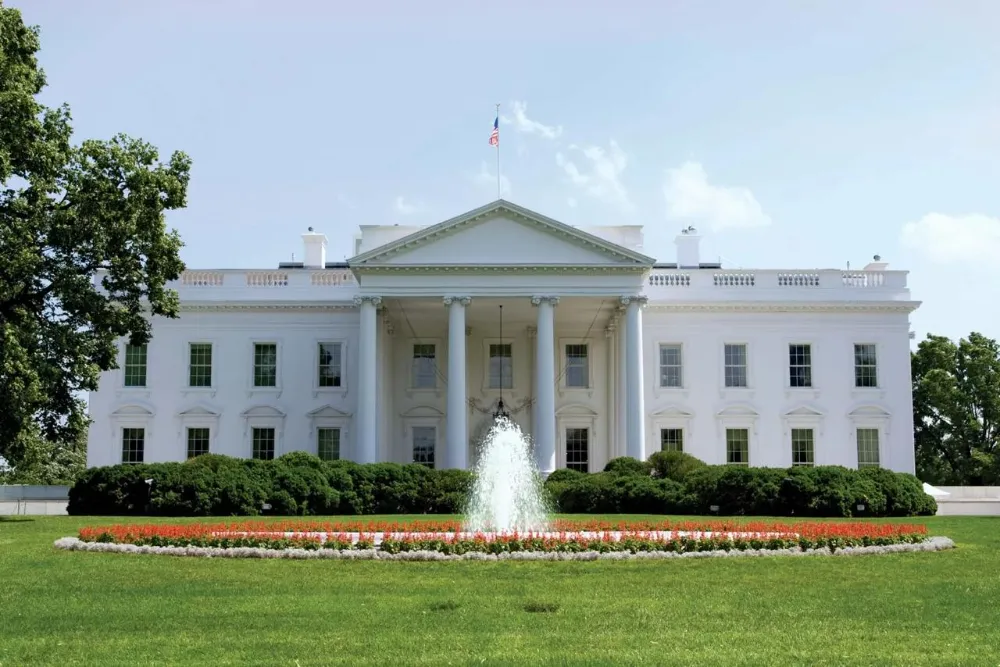
SpaceX and Blue Origin Withdraw From Paris Space Summit After White House Warning
SpaceX, Blue Origin, Stoke Space and Starcloud withdrew from French President Emmanuel Macron’s International Space Summit in Paris after the White House warned that participation could be interpreted as support for European Union space policies. France’s government confirmed the four withdrawals on September 3, 2026, ahead of the September 9–10 event. The cancellations remove two…
-

China’s Space Computing Race: Competing for the Next Decade’s AI Compute Power
AI’s computing needs are outgrowing what Earth can easily supply — and a new race is emerging to move data centers into orbit. This report breaks down the emerging “space computing” industry from every angle: what it actually is and why energy and bandwidth constraints are pushing computing into space (Sections 1–2); the physical advantages…
-

Commerce Dept Launches Space Commerce Certification Push
Does the U.S. Finally Have a Path to Authorize Novel Space Activities? The Department of Commerce is moving forward without Congress. On July 23, 2026, Secretary of Commerce Howard Lutnick and Office of Space Commerce (OSC) Director Taylor Jordan announced that OSC will publish a "call for interest" in the Federal Register within coming weeks,…
-

A Million Satellites Could Create a Visible Ring Around Earth
Will Orbital Data Centers Create a Permanent Artificial Ring Around Earth? More than a million data center satellites and 50,000 space mirrors, if launched as currently proposed, would concentrate into a single orbital plane visible as a luminous band spanning the entire sky — brighter than any star or planet, and according to researchers, potentially…
-

Russia Extends ISS Commitment to 2030 in Isaacman Deal
Will Russia Stay on ISS Until 2030? Bakanov Says Yes After Baikonur Talks Russia has formally committed to International Space Station operations through 2030 — closing a two-year gap in partner alignment that had persisted since other ISS partners locked in that date years ago. Roscosmos Director General Dmitry Bakanov made the commitment directly to…