
Tag: space weather
-
ESA and ISRO Extend Space Cooperation Agreement Through January 2032
The European Space Agency and the Indian Space Research Organisation signed an exchange of letters in Paris on September 10, 2026, extending their bilateral Cooperative Agreement for five years, through January 8, 2032. Signed during the International Space Summit, the extension adds space weather and human and robotic exploration to a framework that already supports…
-

NOAA Selects 14 Commercial Satellite Data Providers for Expanded Weather Contract
NOAA has selected 14 commercial satellite companies to compete for orders across seven environmental-observation categories under a new Space-Based Environmental Monitoring contract. Announced on September 10, 2026, the procurement expands NOAA’s use of privately operated constellations to support weather forecasting, climate monitoring, space-weather services and satellite orbit prediction. The indefinite-delivery, indefinite-quantity contract began its five-year…
-
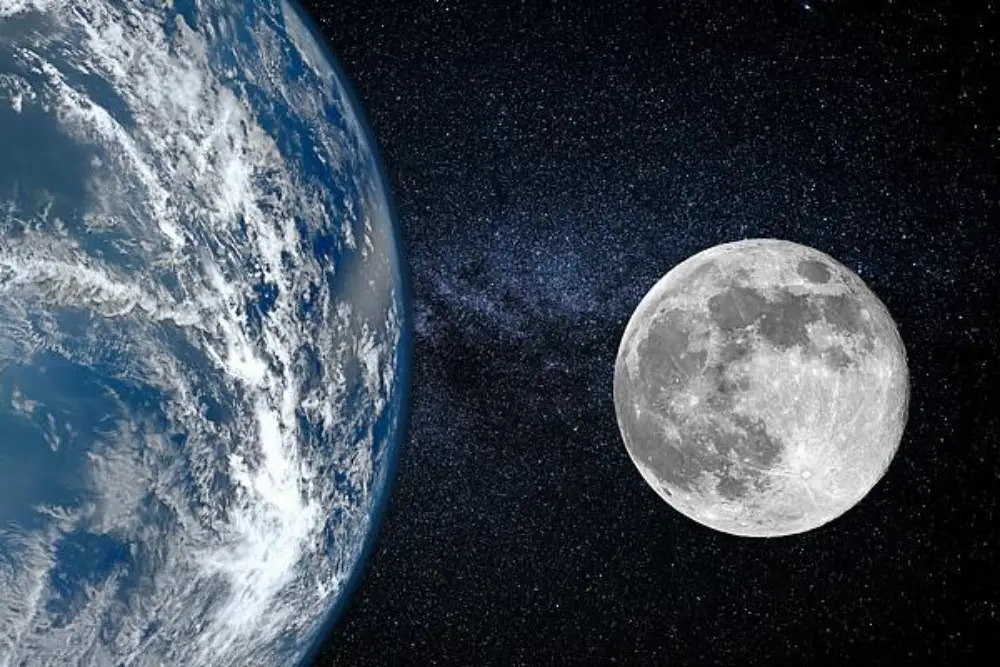
China Launches International Earth-Moon CubeSat Constellation to Support Future Lunar Bases
China has formally launched the International Earth-Moon CubeSat Constellation Big Science Program, which aims to deploy 30 CubeSats across cislunar space in six batches. The preliminary schedule targets the completion of all launches and deployments around 2030. The satellites will conduct space-environment monitoring, gamma-ray burst observations and lunar-resource surveys, generating data intended to support future…
-

Starlink Ephemeris Data Enable First Real-World Tomographic Map of Thermospheric Density
Researchers at Kyoto University have demonstrated a new way to observe Earth’s upper atmosphere by transforming publicly available Starlink orbital data into the first tomographic map of thermospheric density derived from real satellite measurements rather than simulations. The study, published in *Earth, Planets and Space*, used orbital ephemeris data from approximately 1,200 Starlink satellites operating…
-
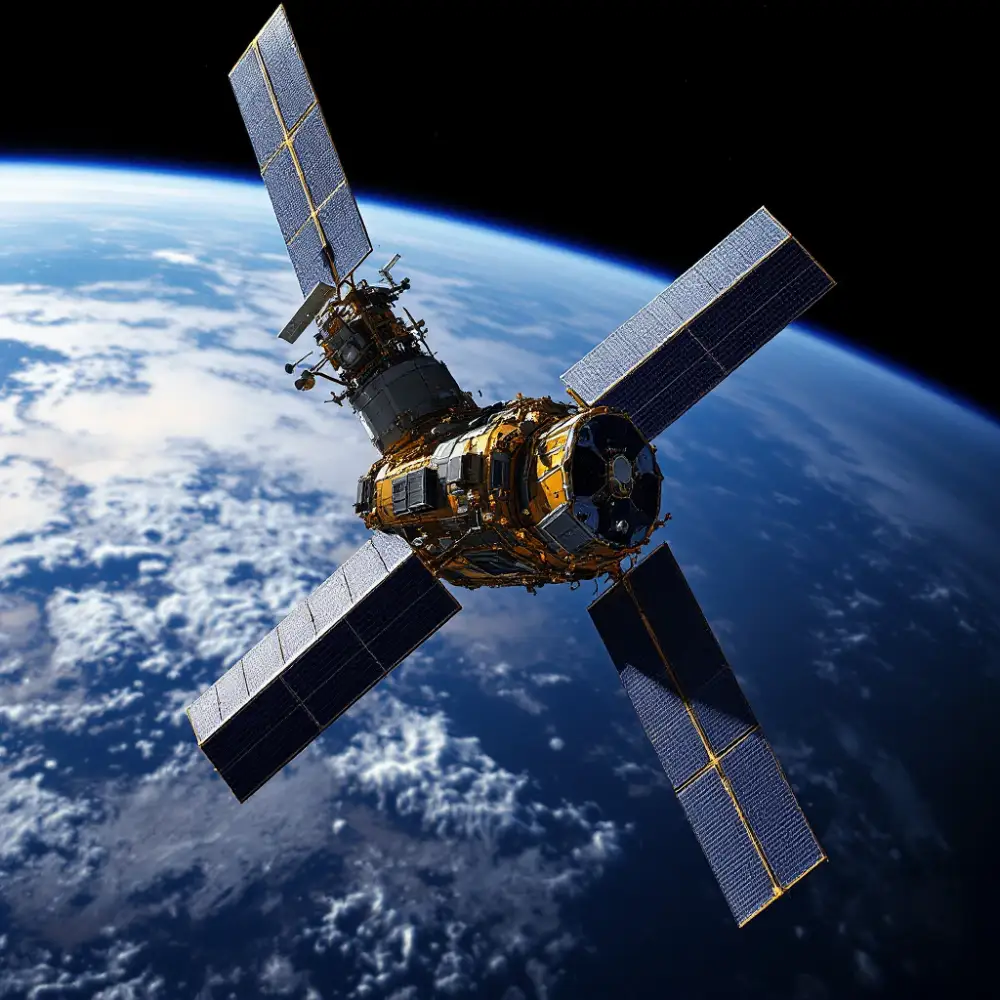
U.S. Space Force Extends Aging Weather Satellites Through 2028 as New Military Weather Architecture Takes Shape
The U.S. Space Force will keep its aging Defense Meteorological Satellite Program (DMSP) spacecraft operating until at least 2028, extending the life of a satellite fleet that was originally designed for much shorter missions but remains important to military weather forecasting. The decision highlights a transitional period in U.S. military space weather: the Space Force…
-
ESA-China SMILE Mission Launches to Map Earth’s Magnetosphere
How Will SMILE Transform Space Weather Monitoring? The Solar wind Magnetosphere Ionosphere Link Explorer (SMILE) mission launched successfully from Kourou, French Guiana today, marking the culmination of over a decade of ESA-China collaboration. The 2,300-kilogram spacecraft will operate from a highly elliptical orbit (HEO) with a 19.6-hour period, reaching distances of 121,000 kilometers to capture…
-
DiskSat Gains Commercial Traction After Successful Launch to Orbit
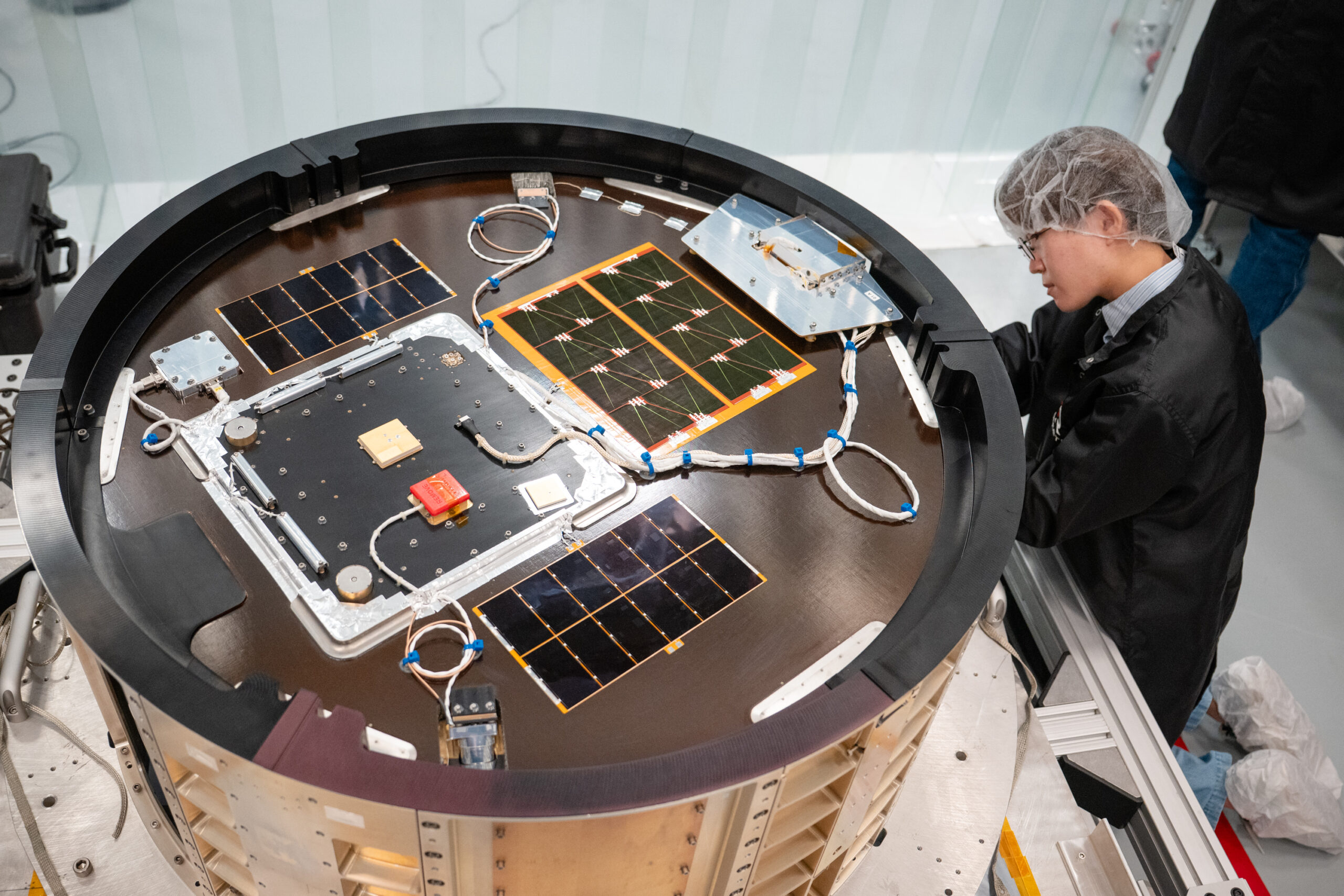
A newly developed disc-shaped satellite platform known as DiskSat has entered commercial use shortly after reaching orbit, with two companies signing agreements to adapt the design for specialized missions. Developed with support from NASA and the Space Systems Command, DiskSat is engineered for rapid deployment via rideshare launches and optimized for operations in very low…
-

How space weather events impact launches, orbiting spacecraft, and our future in space
When Blue Origin scrubbed the launch of its NG-2 mission on its New Glenn rocket on Nov. 12, the culprit wasn’t Florida’s notoriously unpredictable thunderstorms or high winds — it was space weather. NASA’s ESCAPADE mission, the primary payload on NG-2, was eventually launched on Nov. 13 and is designed to study how solar storms…
-
Roscosmos Ionosfera science mission launches atop Soyuz from Vostochny Cosmodrome
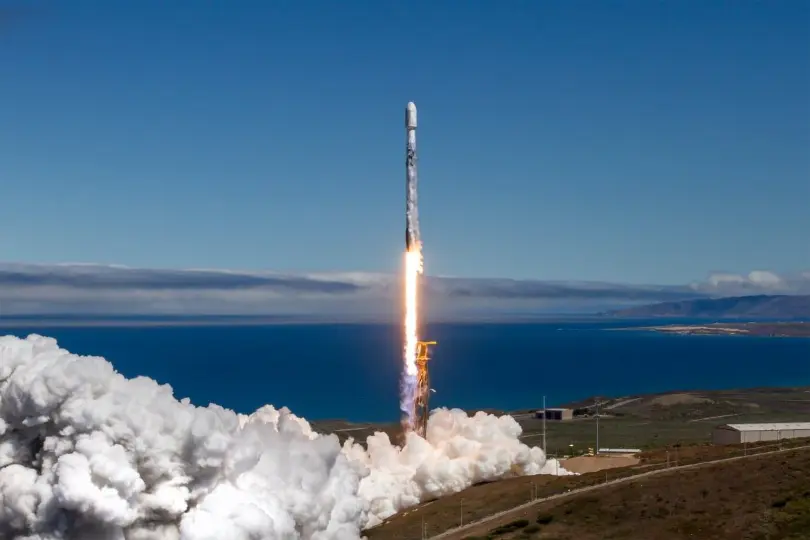
A Soyuz 2.1b rocket launched from Site 1S at Vostochny Cosmodrome in Russia, carrying two Ionosfera-M satellites into a Sun-synchronous orbit. Launch took place on Friday, July 25, at 05:54 UTC and saw Soyuz fly on a northern trajectory over vast but sparsely populated territory. The Ionosfera-M no. 3 and no. 4 satellites are flying…
-

NOAA, NASA’s GOES-T weather satellite launches on ULA Atlas V
United Launch Alliance (ULA) has launched the Geostationary Operational Environmental Satellite (GOES)-T advanced weather satellite for the US National Oceanic and Atmospheric Administration (NOAA). GOES-T launched on an Atlas V 541 from Space Launch Complex (SLC)-41 from Cape Canaveral Space Force Station (CCSFS). The launch took place on March 1, 2022, at 4:38 PM EST…