
Tag: Spacecraft Testing
-
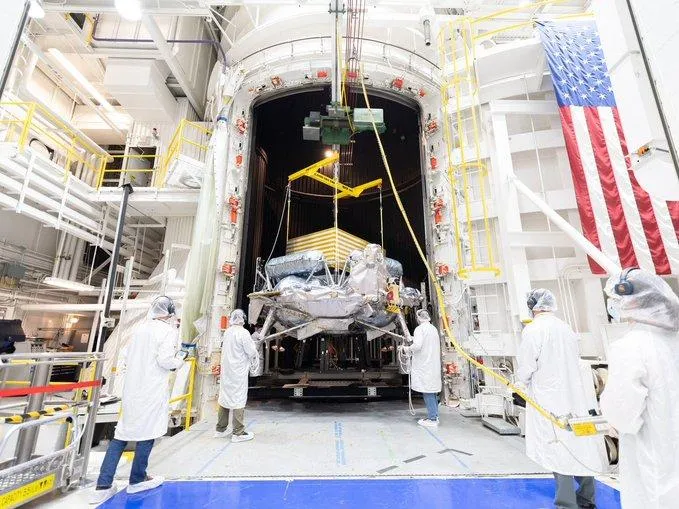
Griffin-1 Lunar Lander Clears Environmental Testing at NASA JPL
Griffin-1 is part of NASA’s Commercial Lunar Payload Services initiative within the Moon Base Program, which aims to establish humanity’s first lunar outpost. The lander is expected to launch aboard a SpaceX Falcon Heavy rocket and deliver more than 1,100 pounds, or 455 kilograms, of cargo to Nobile Crater near the lunar South Pole, a…
-
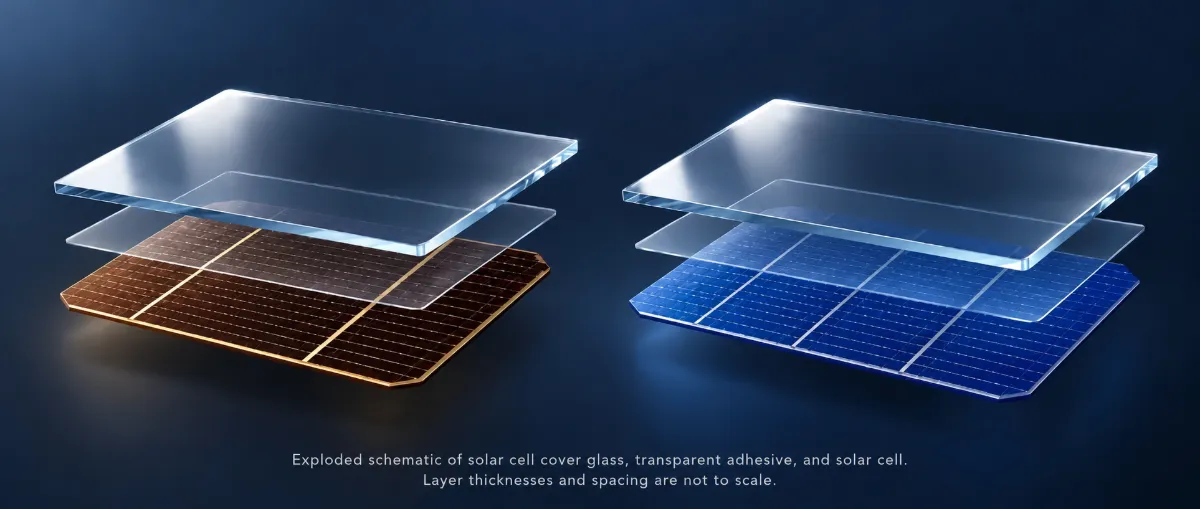
Space Photovoltaics: Why Do Solar Array Cells Often Use Cerium-Doped Cover Glass?
Viewed from space, the first layer sunlight encounters on a solar array is the cover glass, followed by a transparent adhesive layer and the solar cell itself. Typically measured in tenths of a millimeter, the glass performs two jobs at once: it faces the space environment while allowing useful light to reach the cell. How…
-
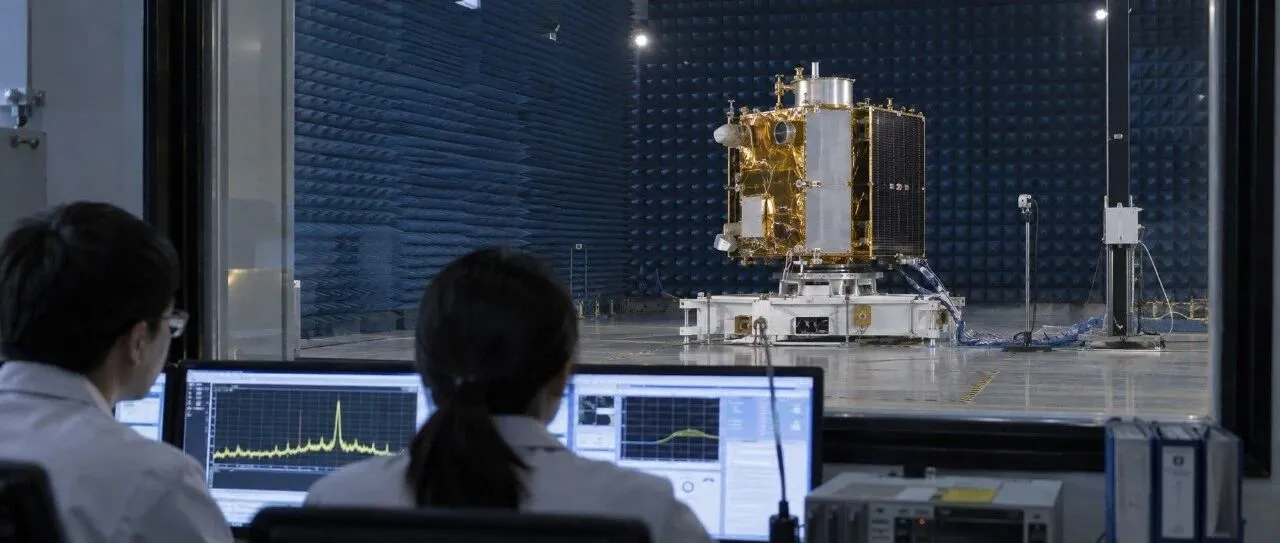
Every Unit Passed EMC Testing. Why Test the Whole Satellite?
The onboard computer runs normally on its own. The receiver passes its sensitivity test. The power controller, reaction wheel driver and transmitter each have a test report. Then engineers install them in the same satellite, and the results change: the receiver’s noise floor rises when the computer is heavily loaded; a sensor begins producing erratic…
-
How Do Engineers Choose Satellite Cables? Power, Signal, RF and High-Voltage Lines Have Different Requirements
A satellite unit may work perfectly on a test bench, then develop problems after installation on the spacecraft: low supply voltage, fluctuating temperature readings, intermittent bus errors or higher-than-expected radio-frequency (RF) losses. The fault may lie in the cable connecting the unit. A cable is rarely a transparent path between two devices. It has resistance,…
-
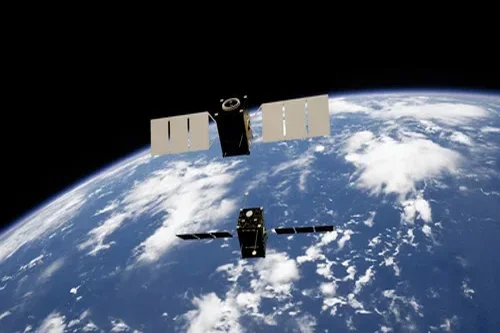
How Brutal Is a Satellite Launch? G-Loads, Vibration, Shock, Noise and Vacuum Explained
A satellite is often treated as an exceptionally delicate object on the ground: temperature and humidity are tightly controlled in cleanrooms, lifting speeds are limited, connectors are fitted with protective caps, and optical surfaces cannot be exposed casually. But once sealed inside a payload fairing, it must endure engine ignition, liftoff, transonic flight, maximum dynamic…