
Tag: Starcloud
-
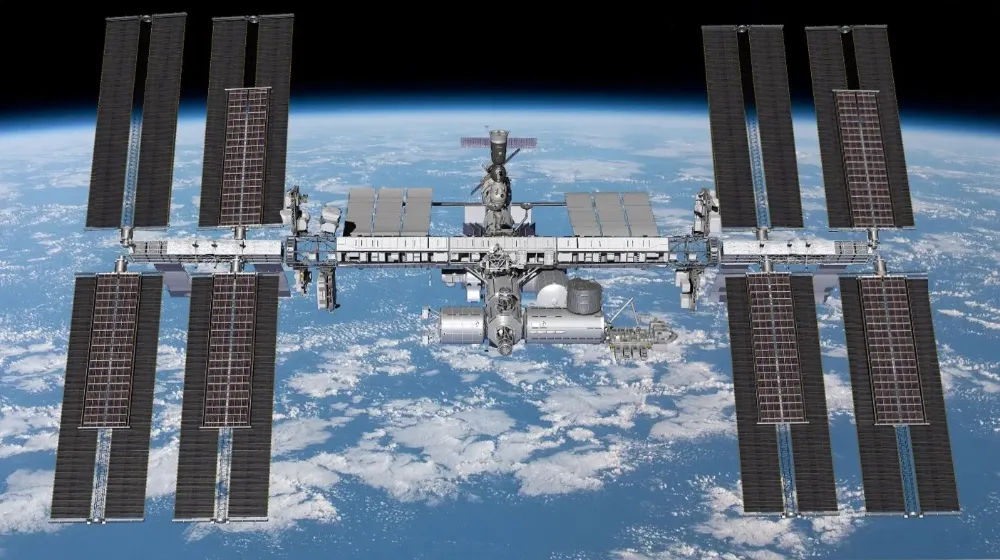
Powering Orbital Computing: From Watts to Megawatts
If chips are the bricks and data centers are the buildings, power is one of the essential utilities that makes them work. Computing ultimately comes down to watts: keeping a 700-watt GPU running in orbit requires an entire engineering system, from solar-array orientation and battery chemistry to bus voltage. Moving from watts to megawatts means…
-
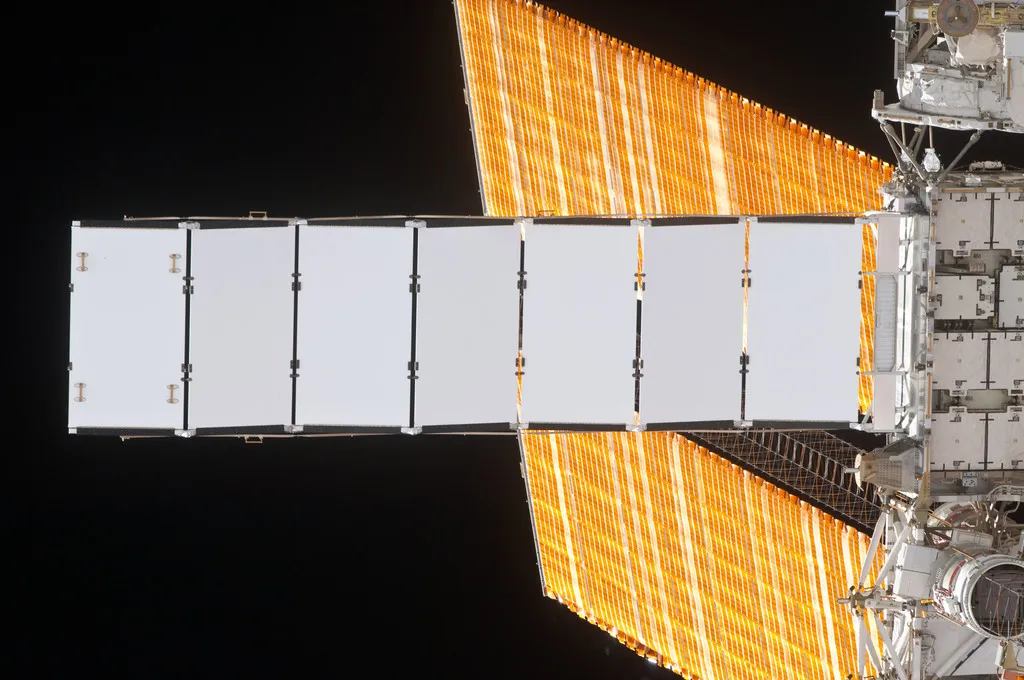
New Computing Satellites Reach Orbit. Is Thermal Control the Next Major Opportunity—and Challenge?
From chip hotspots to continuous heat rejection, how computing workloads are changing satellite thermal requirements. On October 14, 2026, a Zhuque-2E Y4 launch vehicle placed 10 satellites into their intended orbits. Eight belong to Group 02 of Adaspace’s Xingsuan space-computing program.[1][2] According to company information reported by People’s Daily Online, the satellites will test computing…
-
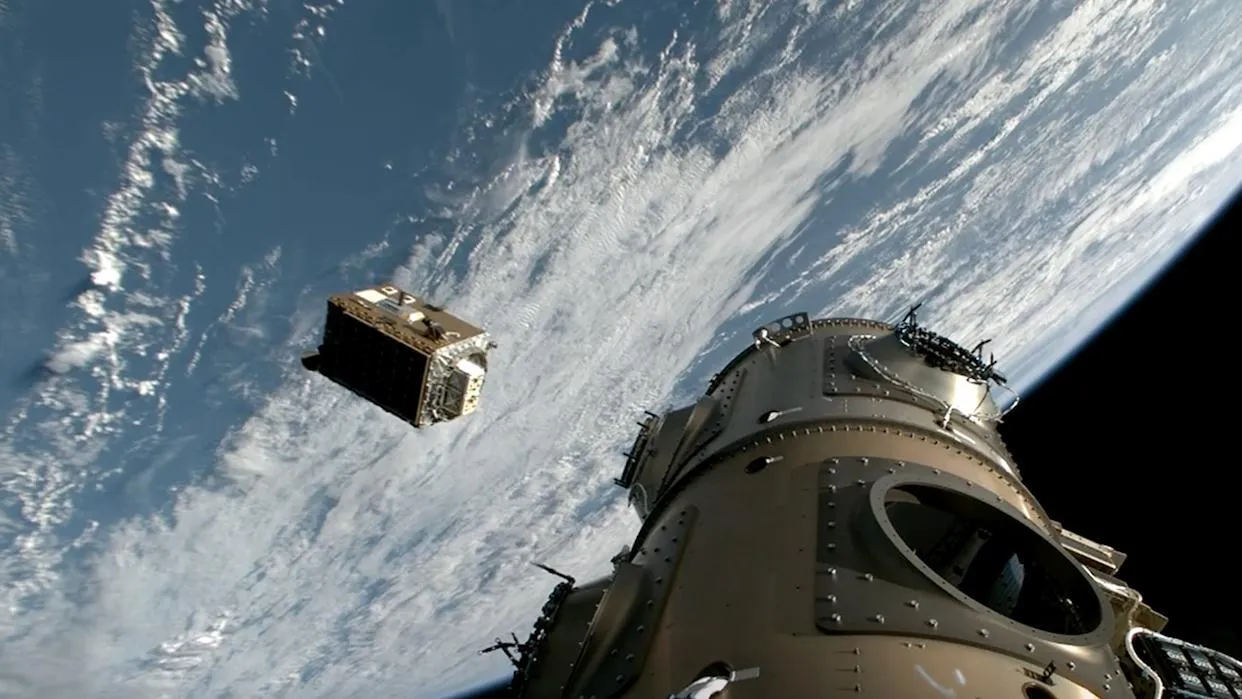
Orbital Data Centers: What’s Proven, What’s Still a Promise
Orbital data centers have attracted sweeping claims, but the flight evidence remains limited. Three programs help separate demonstrated capabilities from future ambitions: Starcloud’s H100 satellite and rapidly rising valuation, SpaceX’s AI1 satellite concept, and HPE’s Spaceborne Computer, which has flown to the International Space Station on three missions. Here is where the evidence stands as…
-
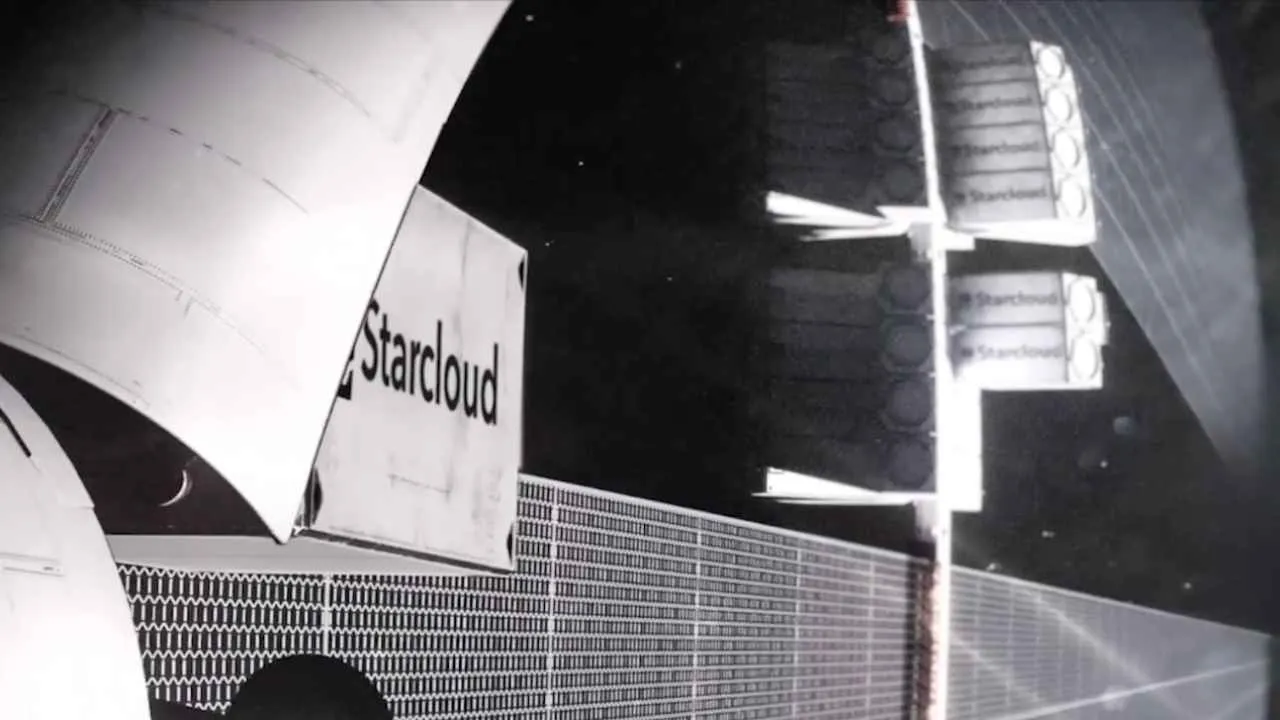
From Server Racks to Constellation-Scale Computing Networks
Launch costs and heat rejection are two of the biggest expenses facing orbital data centers. At the engineering level, the challenge comes down to four interconnected questions: how to power an orbital server rack, remove its waste heat, keep it operating through faults, and schedule workloads when that rack becomes a network of 100 or…
-
Orbital Data Centers: The Economics of Moving Computing Into Space
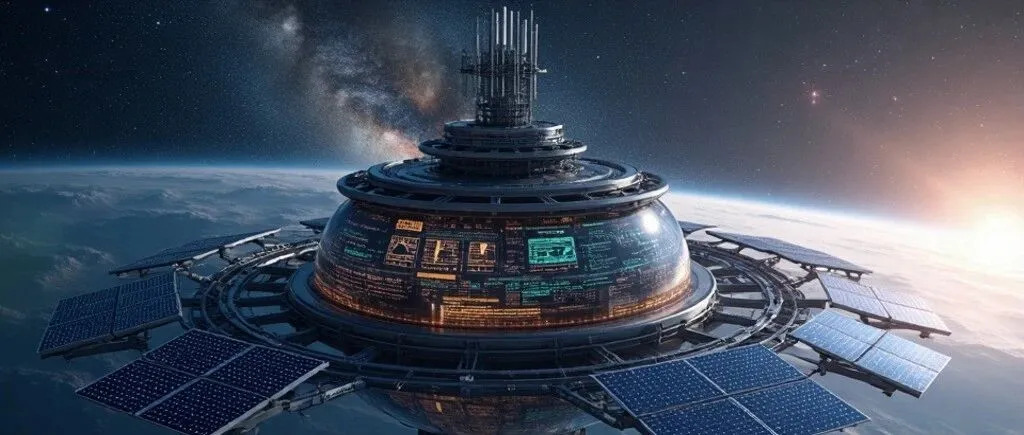
Moving a data center into space sounds like science fiction. But by 2026, a satellite carrying an NVIDIA H100 GPU has already trained an AI model in orbit, and investors have valued the company behind it at $2.3 billion. This article examines the accounting: where revenue comes from, where costs accumulate, and what it would…
-
SpaceX and Blue Origin Withdraw From Paris Space Summit After White House Warning
SpaceX, Blue Origin, Stoke Space and Starcloud withdrew from French President Emmanuel Macron’s International Space Summit in Paris after the White House warned that participation could be interpreted as support for European Union space policies. France’s government confirmed the four withdrawals on September 3, 2026, ahead of the September 9–10 event. The cancellations remove two…
-
NASA Administrator Backs Solar-Powered AI Data Centers in Earth Orbit
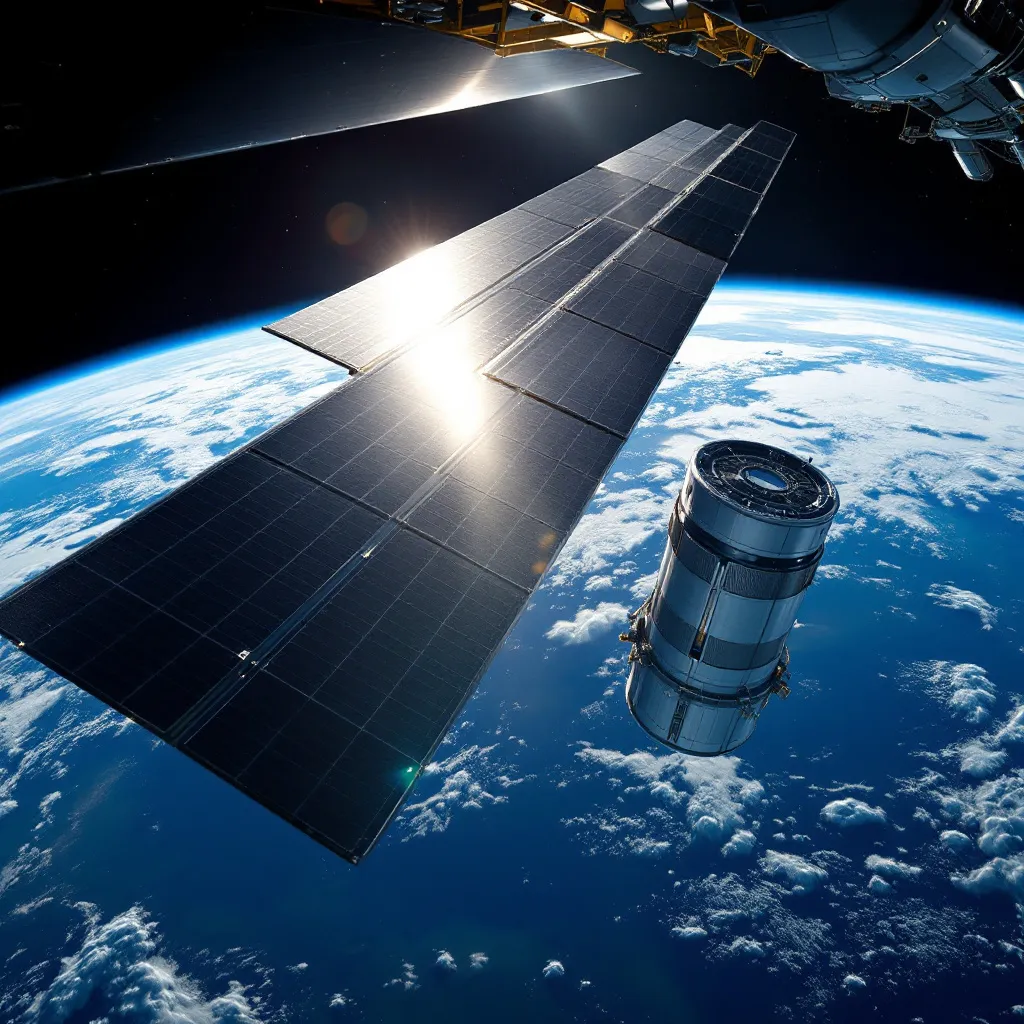
NASA Administrator Jared Isaacman has endorsed placing artificial intelligence data centers in Earth orbit, arguing that space-based computing could draw directly on abundant solar energy while reducing pressure on terrestrial power grids, water supplies and land. Isaacman outlined the concept in an August 26, 2026, interview with Nexstar DC. He described the sun as a…
-

Starcloud Secures $250 Million to Expand Orbital Data Center Ambitions Amid Growing Launch Capacity Crunch
Starcloud has raised a $250 million extension to its Series A financing round, giving the orbital computing startup fresh capital as it races to deploy space-based AI infrastructure in an increasingly competitive launch market. The new funding values the company at approximately $2.3 billion and comes just months after Starcloud achieved unicorn status with a…
-

China’s Space Computing Race: Competing for the Next Decade’s AI Compute Power
AI’s computing needs are outgrowing what Earth can easily supply — and a new race is emerging to move data centers into orbit. This report breaks down the emerging “space computing” industry from every angle: what it actually is and why energy and bandwidth constraints are pushing computing into space (Sections 1–2); the physical advantages…
-

NASA backs dozens of projects on the space frontier, including some with Northwest connections
An artist’s conception shows the Blue Moon Mark 2 lander on the lunar surface. (Blue Origin Illustration) NASA has selected proposals from 37 companies, including several with Seattle-area connections, to further its plans to establish a long-term presence on the moon and enable human exploration of Mars. The companies applied to partner with NASA under…