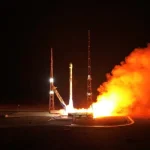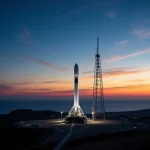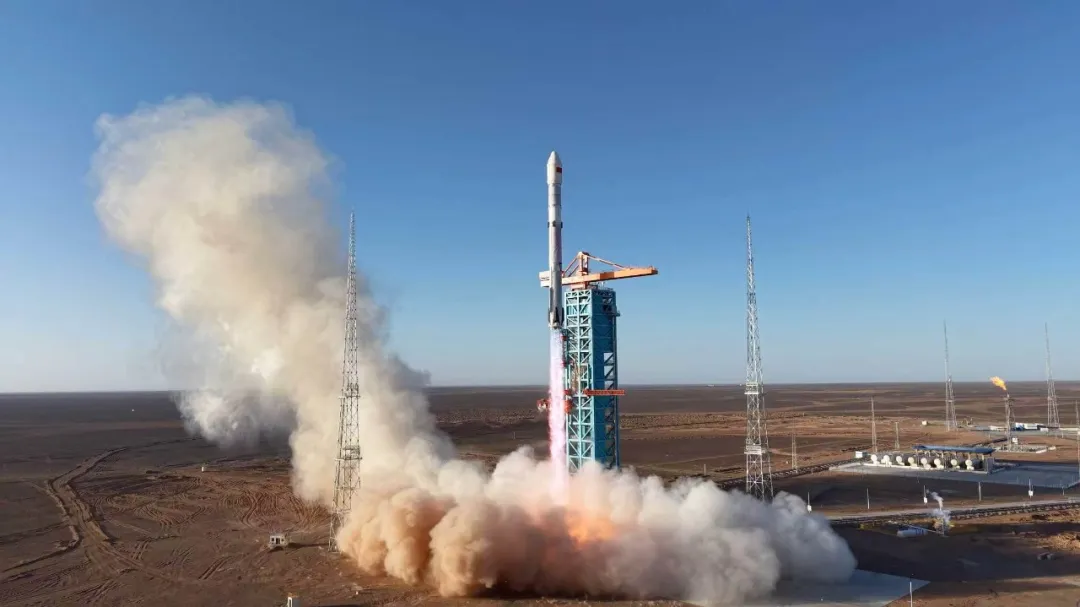
Whenever China launches a rocket, its name often includes the Chinese character “遥” (Yao, Y). Examples include the Long March 2F Y23, Long March 5 Y6, and Zhuque-3 Y2 launch vehicles.
So what exactly does “Y” mean, and where did this naming convention come from?
“Y” is short for “Yaoce” (遥测, telemetry), and its origins can be traced back to the early history of China’s space program.
China’s aerospace development began with the “1059” missile replication program. Early missiles lacked telemetry systems, meaning engineers had little flight data to work with. The first two test missiles were therefore informally described as “confused missiles” or “mute missiles.” A telemetry system was not installed until the third test vehicle.
After the maiden flight of the Dongfeng-2 missile ended in failure, telemetry played a crucial role in identifying the cause. It subsequently became an essential part of missiles used for flight testing.
During the 1950s and 1960s, missiles equipped for telemetry testing were designated with the Chinese character “Yao,” and this naming convention was later carried over to launch vehicles.
When a rocket is in flight, engineers obviously cannot connect it to the ground with a physical cable to retrieve data. Instead, onboard systems take measurements and transmit the information wirelessly to ground stations. These measurements can include tank pressure, flight velocity, position, and many other parameters. Together, they constitute the rocket’s telemetry data.
The seemingly simple character “Yao” therefore reflects both the technical rigor and the historical traditions of China’s space program.