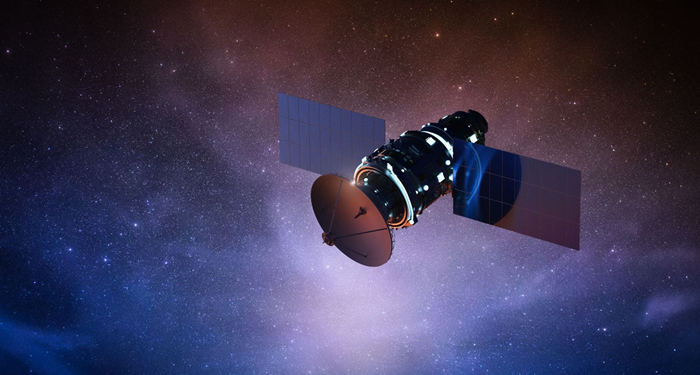
AAC Clyde Space has been awarded SEK 4.7 million from the ESA Phi-Lab Sweden programme to develop the foundation for its next-generation on-board computer. The work will be carried out by AAC Clyde Space in Uppsala together with its subsidiary Spacemetric in Sollentuna and the KTH Royal Institute of Technology in Stockholm. The project builds on the company’s flight-proven Sirius computer family and prepares the introduction of Sirius EDGE, a new AI-ready platform for small satellites and UAVs.
The SPEED project brings together AAC Clyde Space’s hardware development in Uppsala with Spacemetric’s software expertise, supported by KTH’s research into specialised low-power chip technology. This combination shows how the Group’s vertically integrated model strengthens its ability to develop advanced capabilities entirely in-house. The project runs until the fourth quarter of 2026 and will deliver a laboratory demonstrator for Sirius EDGE.
There is a growing demand for satellites that can process information directly in orbit. Users want faster access to insights while keeping downlink costs and energy use under control. This capability is important for organisations that rely on rapid and reliable information from space, such as Earth observation services, maritime users and security-related operators. For service providers, including AAC Clyde Space, better on-board processing also reduces the need to transmit large volumes of raw data, supporting more efficient and scalable space-based data services. This approach allows satellites to analyse their data on board and send down only what is needed for decision-making.