SpaceX’s latest Starship first-stage booster sustained significant damage during pre-launch testing early Friday in South Texas, marking a setback for the company’s next-generation rocket program.
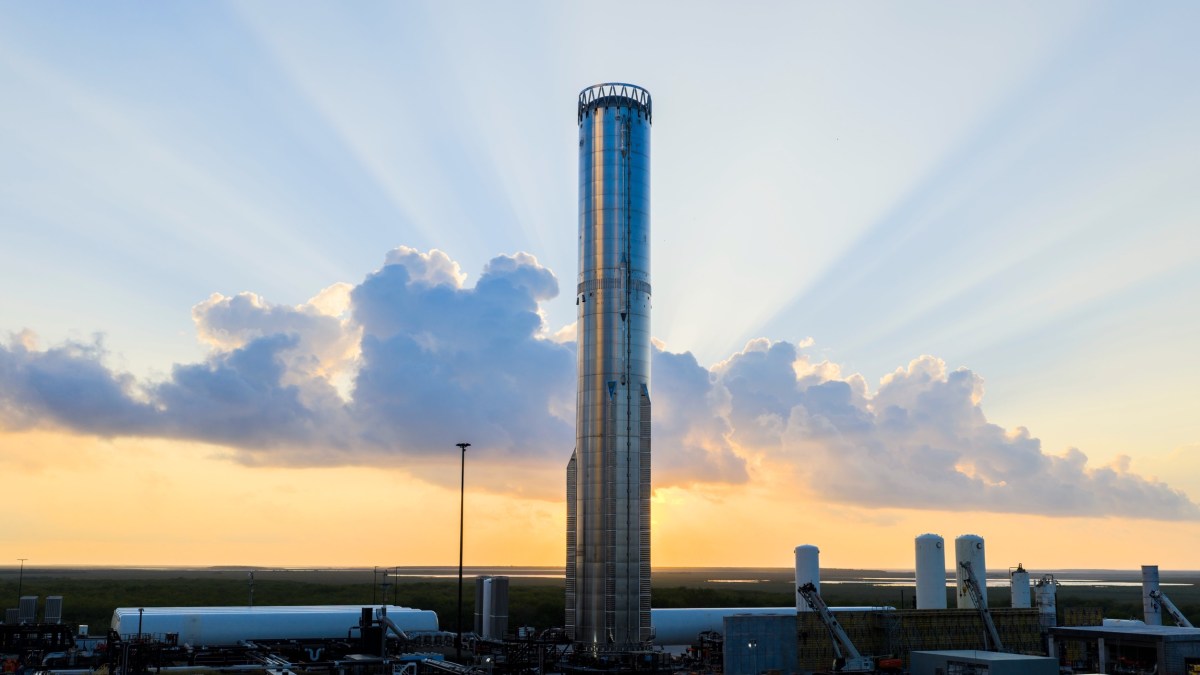
The vehicle, known as Booster 18 and representing the first “Version 3” Starship design, was rolled out only a day earlier as SpaceX announced the start of its test campaign. In a post on X, the company said, “The first operations will test the booster’s redesigned propellant systems and its structural strength.”
Testing began Thursday night at SpaceX’s Massey’s Test Site, located a few miles from the Starbase production facility. An independent livestream captured what appeared to be an explosive or implosive event at approximately 4:04 a.m. CT (1004 GMT) on Friday. Subsequent images showed severe deformation to the lower half of the booster, an area that houses its large liquid oxygen tank.
As of Friday morning, SpaceX and founder Elon Musk had not publicly commented on the incident.
Although SpaceX produces Starship hardware at high volume, the loss of Booster 18 is notable. The Version 3 design includes upgrades intended to improve reliability and performance as the company works to scale operations ahead of several key missions.
The booster had been scheduled for cryogenic propellant loading and pressurization tests before advancing to a static-fire campaign involving 33 upgraded Raptor engines. No engines had been installed at the time of the event.
The failure was less destructive than a June mishap involving a Starship upper stage at the same test site, which caused extensive damage and resulted in a total loss of the vehicle. Test infrastructure appears largely intact after Friday’s incident.
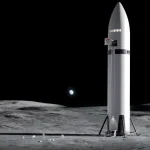
SpaceX is under pressure to advance Starship development to support multiple near-term objectives, including booster reuse, tower-based upper-stage catch operations, and dedicated Starlink deployment missions. The company also must complete an orbital refueling demonstration for NASA’s Artemis program—currently targeted for the second half of 2026—to remain aligned with plans for a crewed lunar landing in 2028. That timeline was already viewed by many observers as ambitious prior to this latest setback.
SpaceX is known for its rapid test-and-iterate approach, and engineers are expected to review data quickly to identify the cause of the structural failure. Despite its resources and pace, the loss of the first upgraded booster during initial testing illustrates the challenges of maturing a launch system of Starship’s scale.