
Tag: China
-
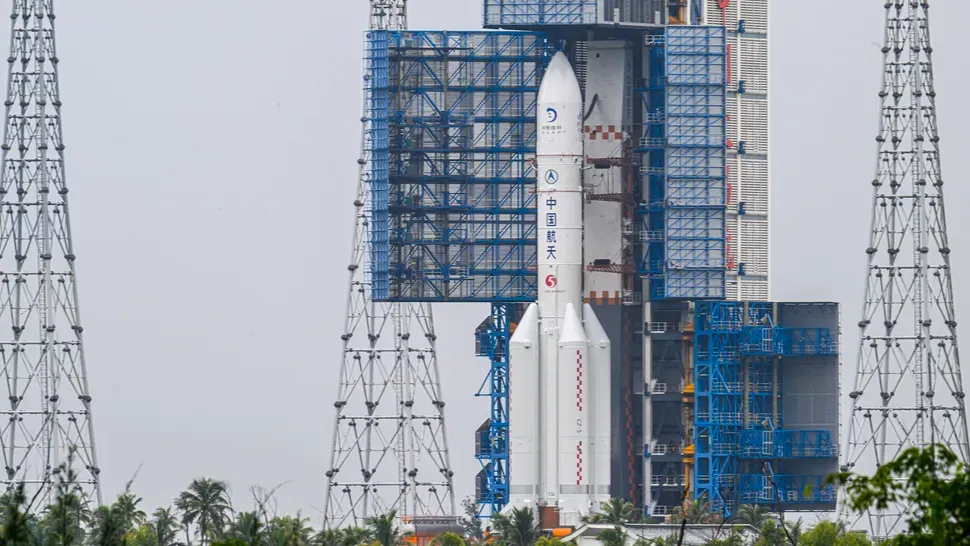
China Delays Historic Chang’e-7 Lunar South Pole Mission as Tropical Storm Narra Disrupts Launch Plans
China has postponed the launch of its landmark Chang’e-7 lunar exploration mission after Tropical Storm Narra developed in the Gulf of Tonkin and created unfavorable conditions near the Wenchang Space Launch Site on Hainan Island. The delay affects one of the most ambitious robotic lunar missions ever attempted and a key element of China’s long-term…
-

As Satellites Multiply, Does Space Need “Traffic Police”? A Survey of China’s Space Traffic Management Companies
Suppose a satellite receives an alert in the early hours of the morning: in 36 hours, it may pass dangerously close to a defunct rocket fragment. The predicted miss distance is only a few hundred meters. That sounds alarming, but operators cannot immediately fire the thrusters and change orbit. They must first determine whether the…
-
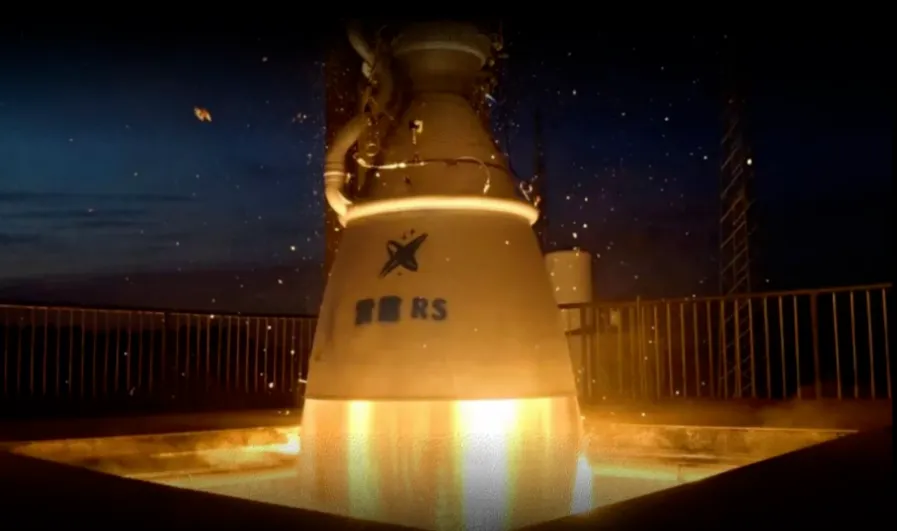
Deep Blue Aerospace Completes First 100-Second Long-Duration Test of 130-Tonne-Class THUNDER-RS Engine
August 21 — Deep Blue Aerospace has successfully completed a 100-second, long-duration steady-state hot-fire test of its 130-tonne-class THUNDER-RS liquid oxygen/kerosene engine at the company’s liquid rocket engine and propulsion-system test facility. The engine operated steadily and without faults throughout the test, achieving all test objectives. The milestone marks a key engineering breakthrough for high-thrust…
-
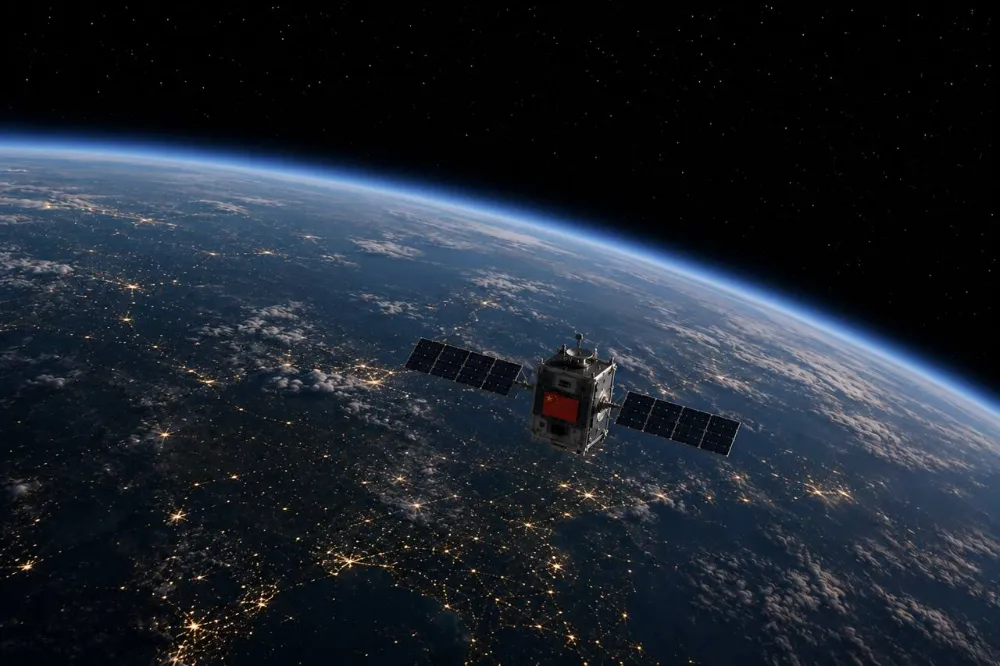
Shanghai Spacecom Secures $1.94 Billion Funding Round, Reaching $6.96 Billion Valuation as China Accelerates Starlink Rival
Chinese satellite internet operator Shanghai Spacecom Satellite Technology (SSST), also known as SpaceSail, has completed a 7 billion yuan ($1.94 billion) Series B financing round, valuing the company at approximately 50.1 billion yuan ($6.96 billion). The funding marks one of the largest capital raises in China’s commercial satellite sector and underscores the country’s determination to…
-
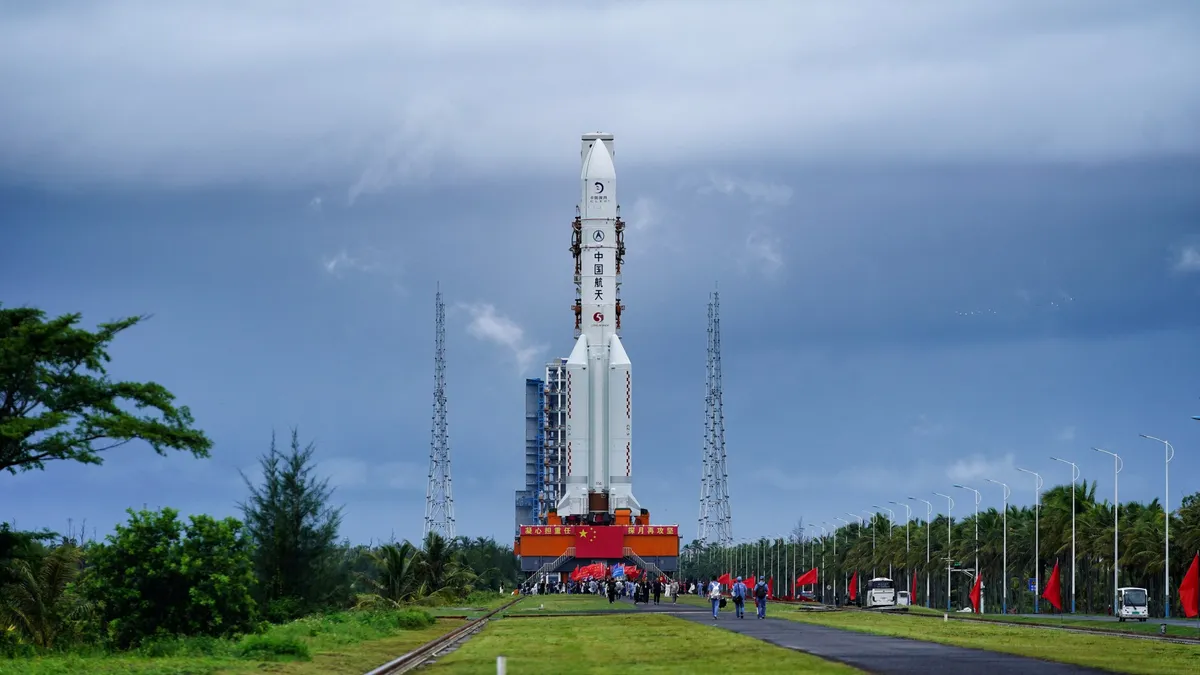
Chang’e-7 Moved to Launch Area, Poised for Lunar Mission
On Aug. 19, Beijing time, the combination of the Chang’e-7 lunar probe and the Long March-5 Y14 carrier rocket successfully completed its vertical transfer at the Wenchang Spacecraft Launch Site and arrived at the launch area, marking the beginning of the mission’s launch countdown. The Chang’e-7 probe arrived in Wenchang in April, followed by the…
-

From Mineral Exploration to Disaster Monitoring: What Can Remote Sensing AI Do?
Can remote sensing AI provide professional insights and intelligent decision support for resource exploration, mine development and geological hazard monitoring? “AI cannot be discussed independently of observation,” an industry expert said when discussing intelligent remote sensing interpretation. Remote sensing AI must remain grounded in real-world operations rather than becoming a numbers game focused solely on…
-
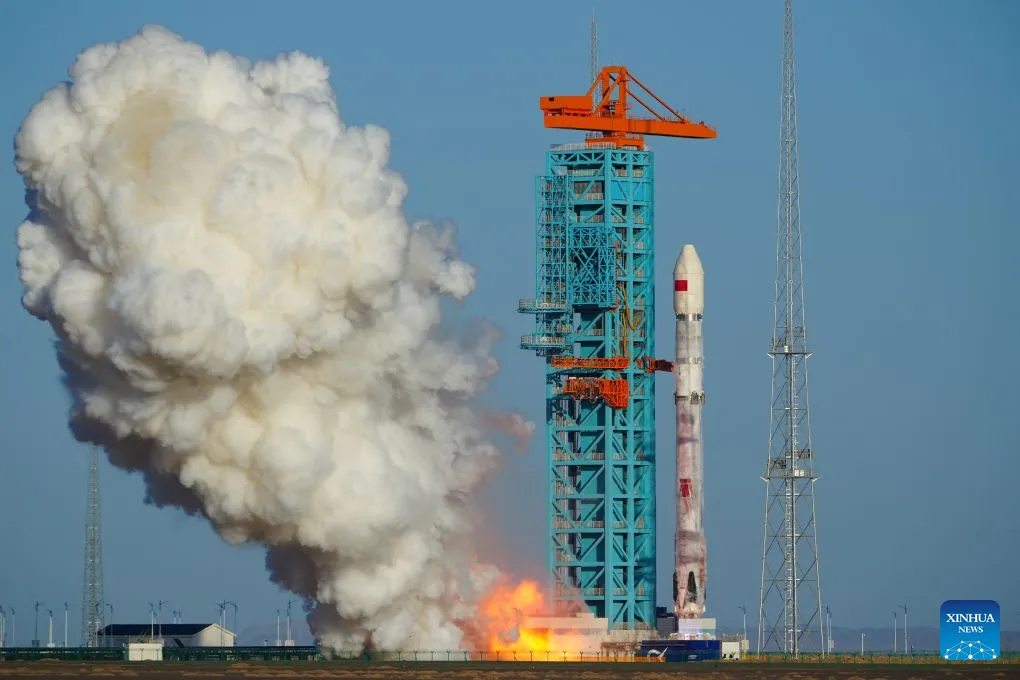
LandSpace Targets Zhuque-3 Reflight Within Six Months After Historic Booster Recovery
China’s commercial launch company LandSpace is aiming to fly a recovered Zhuque-3 first-stage booster again within six months of its landmark August 2026 landing, an aggressive schedule that would mark a major step toward operational rocket reusability in China. The company achieved a breakthrough on Aug. 18 when a Zhuque-3 first stage successfully returned to…
-
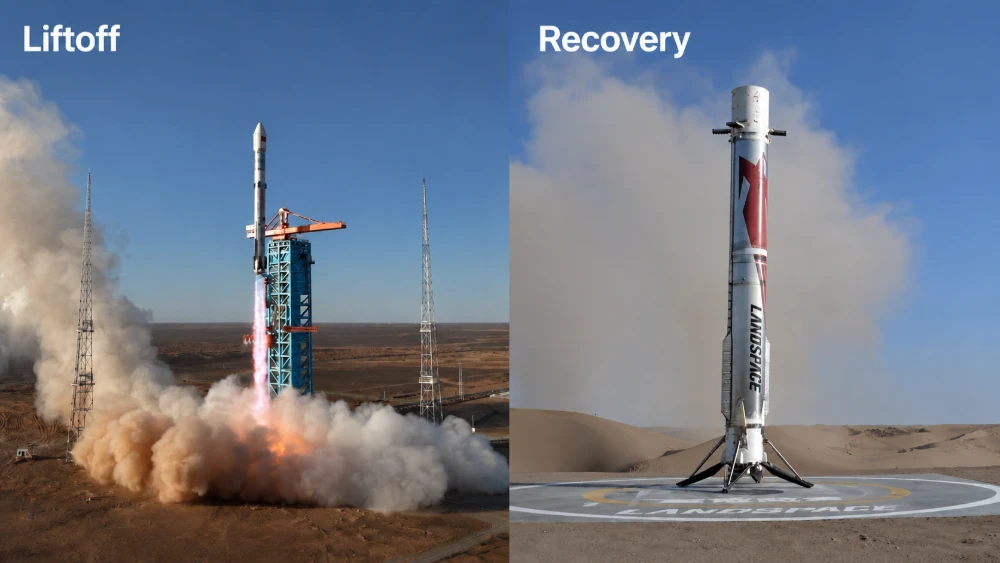
Zhuque-3 Y2 Successfully Recovered: China Achieves Its First Onshore Recovery of an Orbital-Class Rocket First Stage
At 7:35 a.m. Beijing Time on August 19, 2026, the Zhuque-3 Y2 launch vehicle, developed by LandSpace Technology Corporation Ltd. serving as the prime contractor, lifted off from the Dongfeng Commercial Space Innovation Pilot Zone. Approximately 137 seconds after liftoff, the first and second stages separated. The second stage continued its flight and successfully placed…
-
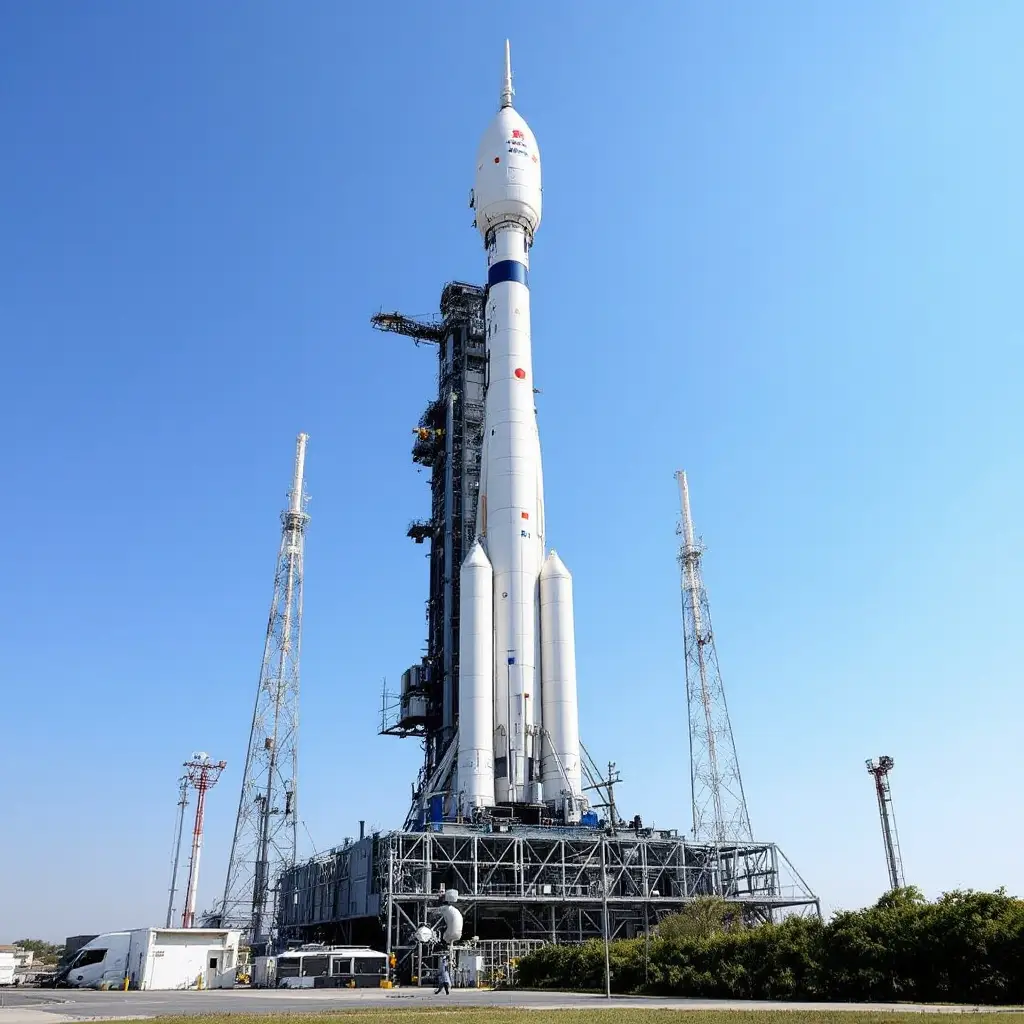
China Moves Chang’e-7 to Launch Pad for High-Stakes Lunar South Pole Mission
China has moved the Chang’e-7 lunar probe and its Long March-5 Y14 rocket to the launch area at the Wenchang Spacecraft Launch Site in Hainan, bringing one of the country’s most ambitious lunar exploration missions to the final stage before liftoff. The vertical transfer took place on Aug. 19, 2026, after the spacecraft and launcher…
-

U.S. Space Force Extends Aging Weather Satellites Through 2028 as New Military Weather Architecture Takes Shape
The U.S. Space Force will keep its aging Defense Meteorological Satellite Program (DMSP) spacecraft operating until at least 2028, extending the life of a satellite fleet that was originally designed for much shorter missions but remains important to military weather forecasting. The decision highlights a transitional period in U.S. military space weather: the Space Force…