
Tag: lunar exploration
-
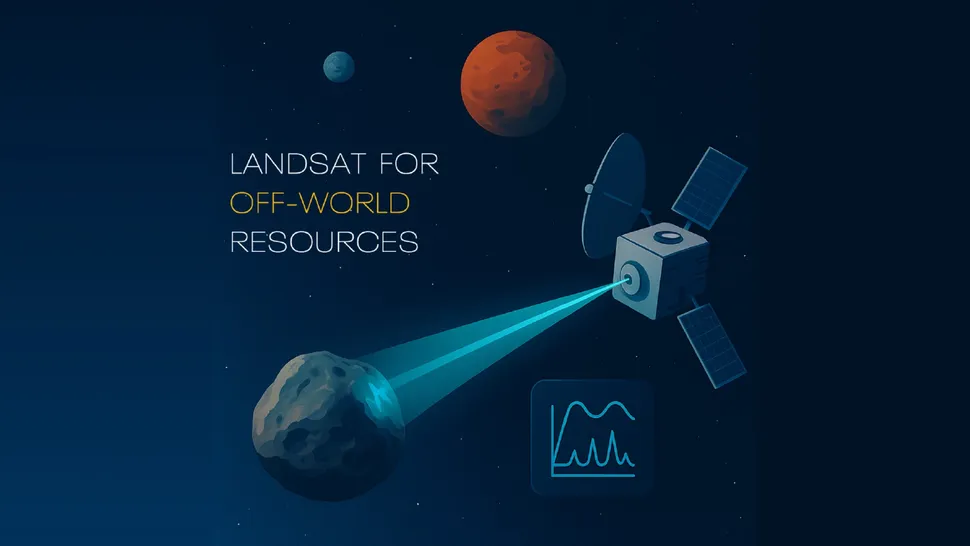
NASA Funds ‘Slingshot’ Concept to Survey Minerals Across Multiple Worlds
NASA has awarded Phase I funding to Interworld Slingshot Resource Surveys, a SETI Institute-led concept that would use a single 300-kilogram spacecraft to identify minerals on the Moon, a near-Earth asteroid and a Martian moon. The study will assess whether Raman spectroscopy can measure surface composition from 30–50 kilometers away, potentially helping future missions select…
-
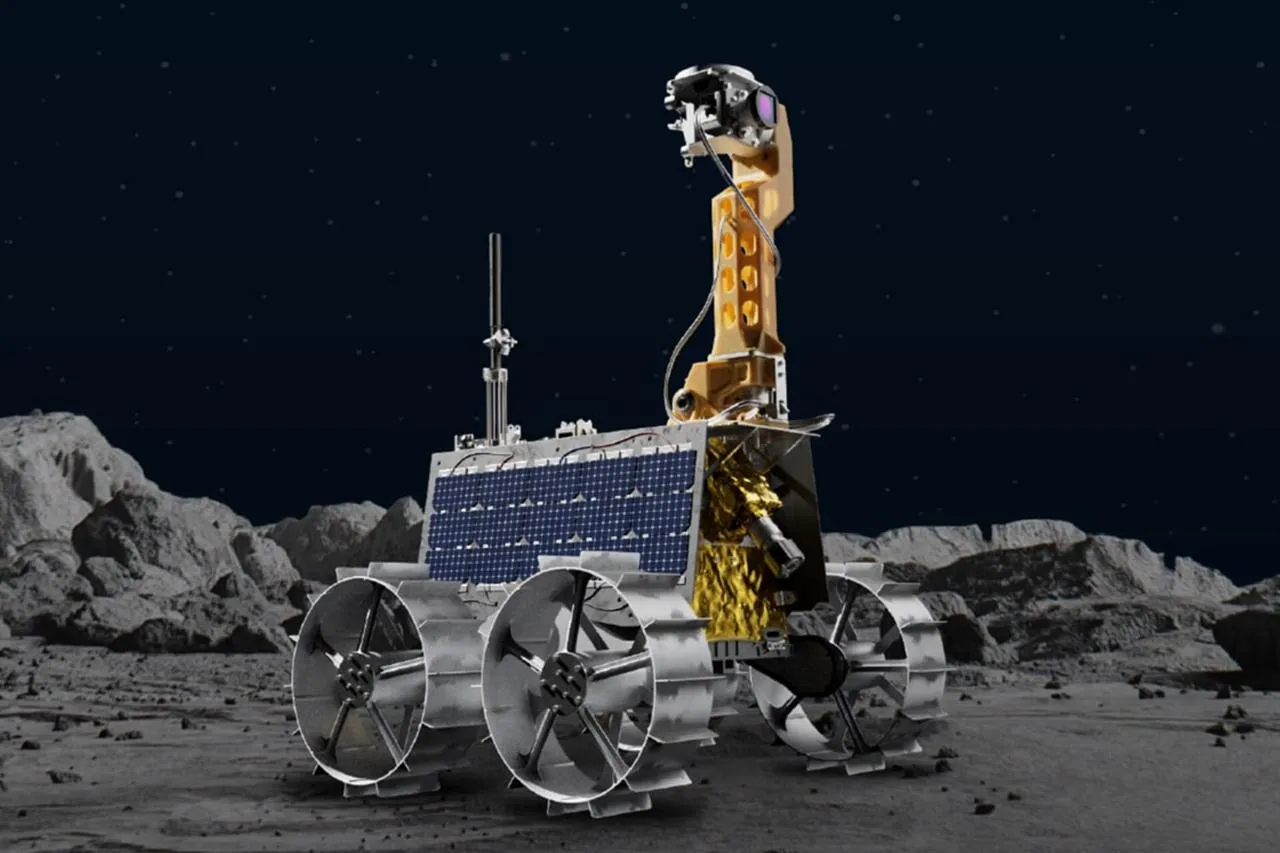
ESA and ispace-Europe Formalize €65 Million MAGPIE Lunar Ice Rover Mission
The European Space Agency and ispace-Europe have formally signed the implementation agreement for MAGPIE, a commercially led rover mission designed to investigate water ice and subsurface geology near the Moon’s south pole. The Phase 2 agreement was signed on September 1, 2026, during ESA’s Space for Inspiration event in Copenhagen, Denmark. The ceremony followed ESA’s…
-
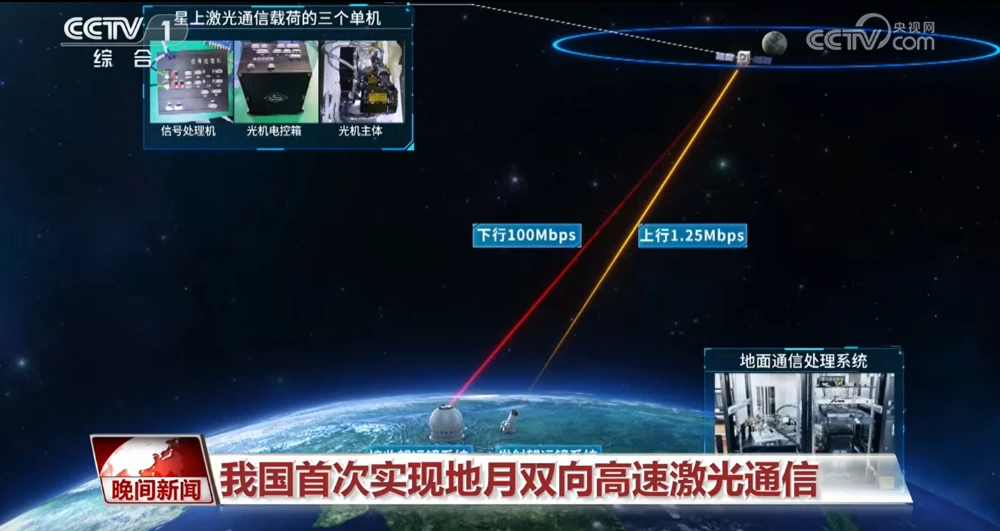
China Achieves First Two-Way High-Speed Earth-Moon Laser Communications
China has achieved two-way high-speed laser communications between Earth and the Moon for the first time, establishing a bidirectional optical link across more than 400,000 kilometers and marking a major expansion of the country’s space laser communications capabilities into cislunar space. The Technology and Engineering Center for Space Utilization of the Chinese Academy of Sciences…
-
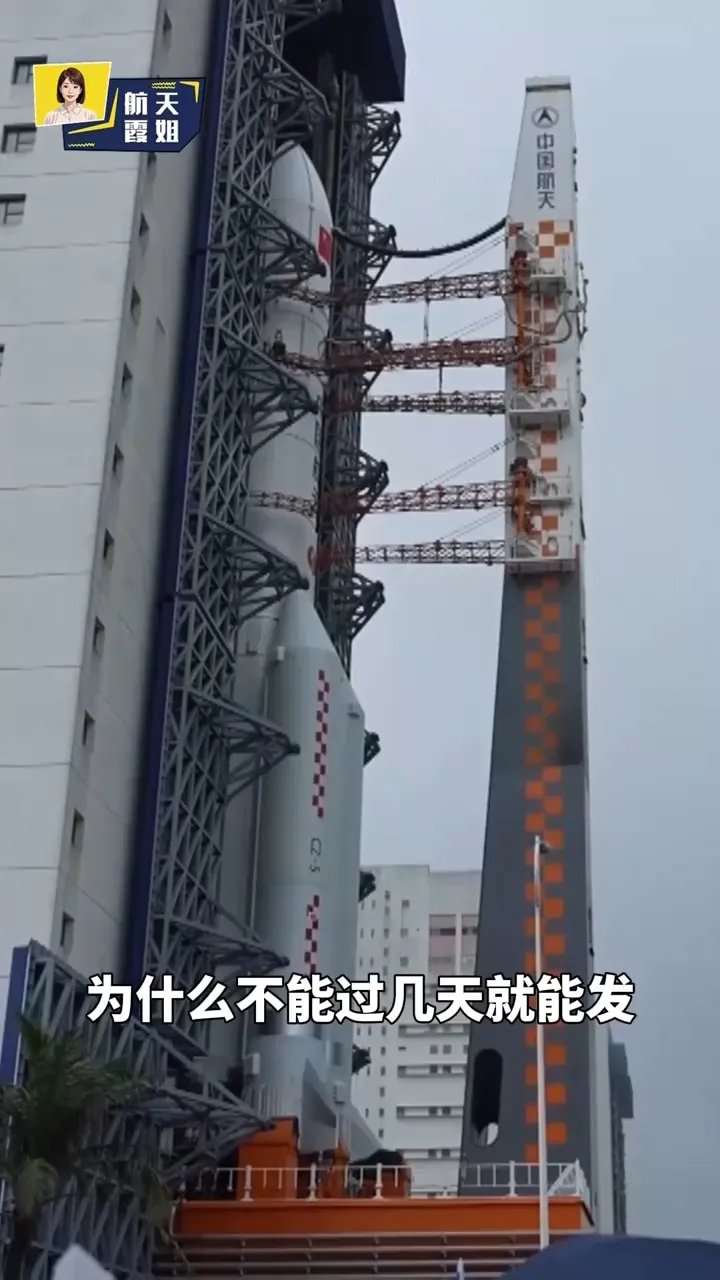
What Is a Launch Window? Why Can’t Chang’e-7 Just Launch a Few Days Later?
According to official information, the Chang’e-7 mission does not currently meet launch conditions and cannot be carried out within its scheduled launch window this year. Many people have asked: What exactly is a launch window, and why can’t the mission simply be delayed by a few days? In simple terms, a launch window is the…
-
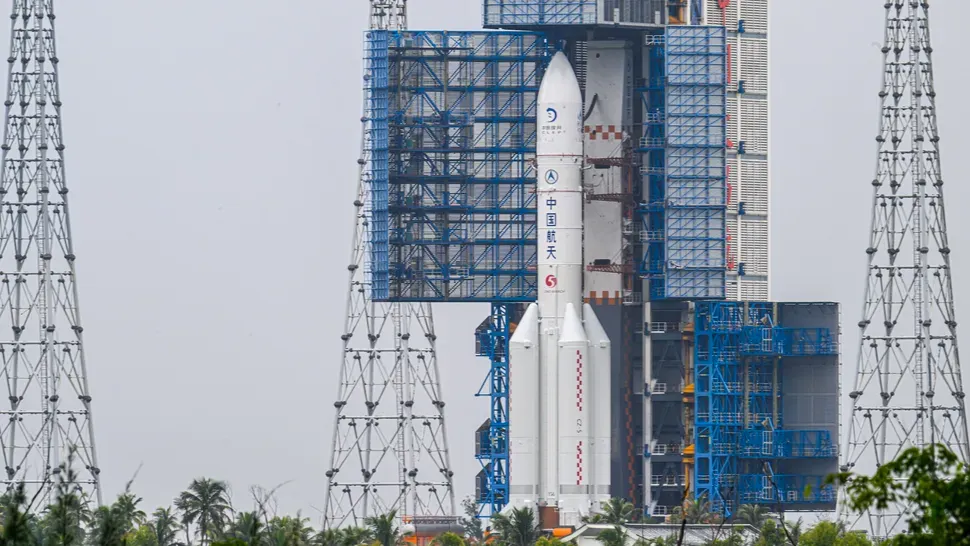
China Delays Historic Chang’e-7 Lunar South Pole Mission as Tropical Storm Narra Disrupts Launch Plans
China has postponed the launch of its landmark Chang’e-7 lunar exploration mission after Tropical Storm Narra developed in the Gulf of Tonkin and created unfavorable conditions near the Wenchang Space Launch Site on Hainan Island. The delay affects one of the most ambitious robotic lunar missions ever attempted and a key element of China’s long-term…
-
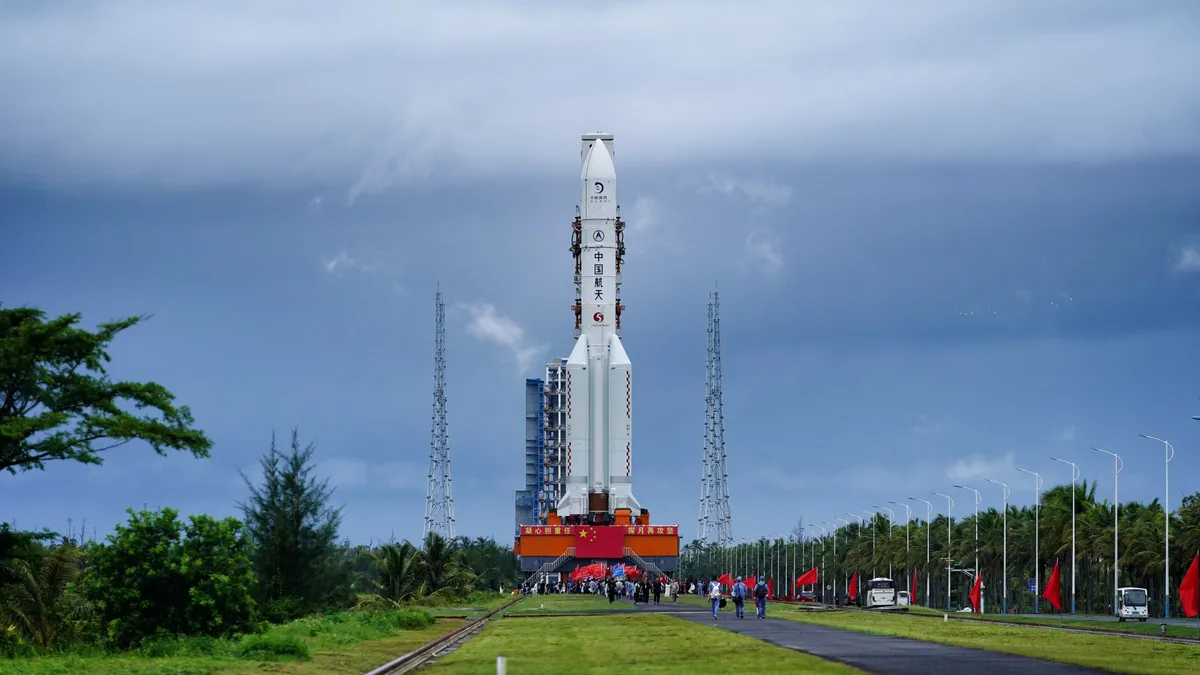
Chang’e-7 Moved to Launch Area, Poised for Lunar Mission
On Aug. 19, Beijing time, the combination of the Chang’e-7 lunar probe and the Long March-5 Y14 carrier rocket successfully completed its vertical transfer at the Wenchang Spacecraft Launch Site and arrived at the launch area, marking the beginning of the mission’s launch countdown. The Chang’e-7 probe arrived in Wenchang in April, followed by the…
-
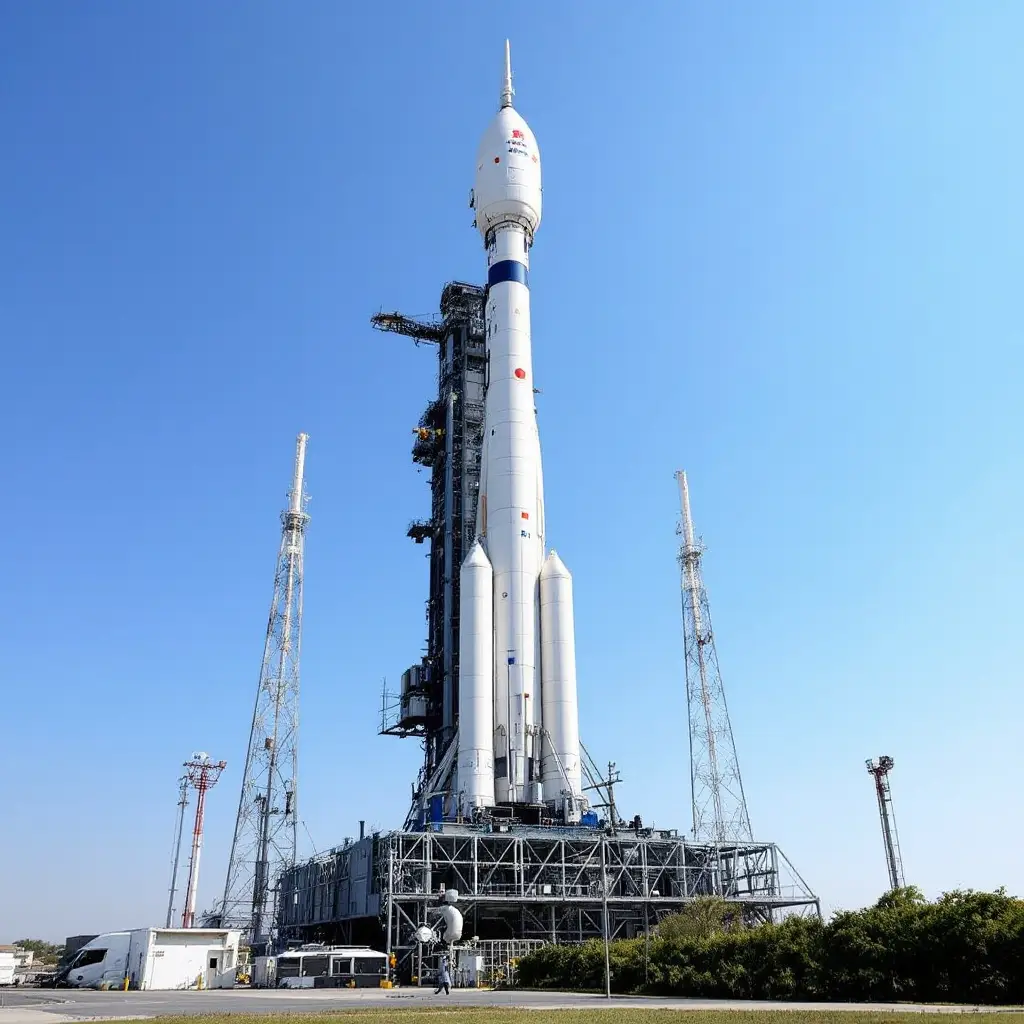
China Moves Chang’e-7 to Launch Pad for High-Stakes Lunar South Pole Mission
China has moved the Chang’e-7 lunar probe and its Long March-5 Y14 rocket to the launch area at the Wenchang Spacecraft Launch Site in Hainan, bringing one of the country’s most ambitious lunar exploration missions to the final stage before liftoff. The vertical transfer took place on Aug. 19, 2026, after the spacecraft and launcher…
-
The Key Forces Shaping the Space Economy: Who Is Really Growing—and Who Is Just Telling a Story?
If launch costs have fallen to a fraction of their level 20 years ago, why has the global space economy not grown at the same pace? Over the past decade, reusable rockets have reduced the cost of reaching orbit by an order of magnitude, while the number of satellites launched has increased severalfold. Yet the…
-

Botswana to Join Artemis Accords as 68th Signatory
Botswana is set to become the 68th country to sign the Artemis Accords, joining the U.S.-led international framework that promotes peaceful and responsible civil space exploration. The signing ceremony will take place at NASA Headquarters in Washington, D.C., with Botswana’s Minister of Communications and Innovation, David Tshere, joining NASA Deputy Administrator Matt Anderson and U.S.…
-

Instinct Space Pivots From Lunar Navigation to Low-Cost Moon Landers
Instinct Space has announced a major strategic shift, moving away from plans to develop a lunar navigation constellation and instead focusing on low-cost lunar landers designed to provide more affordable access to the Moon. The London-based startup, which joined Y Combinator in 2025 to develop a GPS-like navigation network around the Moon, said challenges surrounding…