
Tag: reusable rockets
-
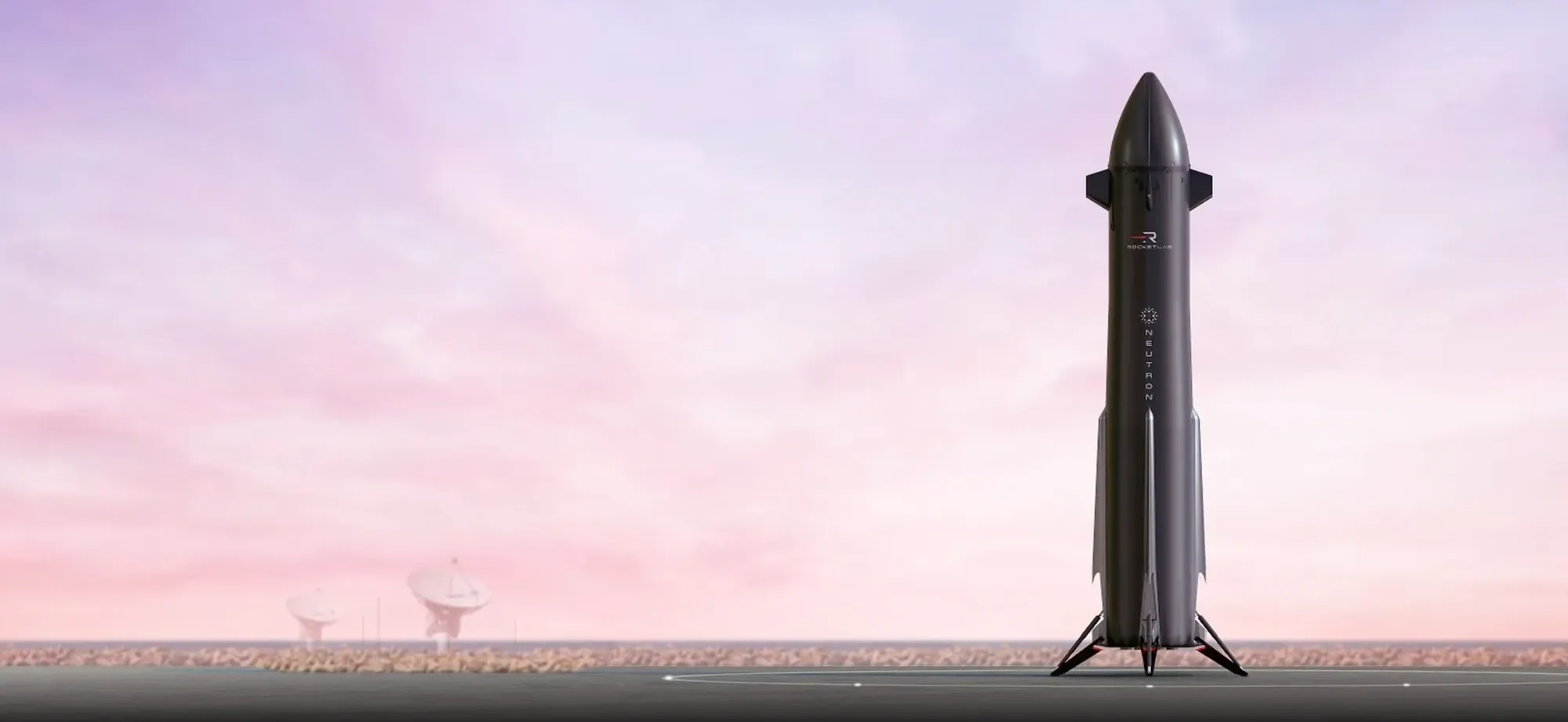
Rocket Lab Pushes Neutron’s First Launch to 2027 After Tank Manufacturing Setback
Rocket Lab has delayed Neutron’s debut launch until 2027 after discovering defects in a carbon composite propellant tank dome, CEO Sir Peter Beck said in an October 14th development update. The Rocket Lab Neutron is a partially reusable, medium-lift, two-stage launch vehicle. The company says it has identified and corrected the manufacturing issue, but the…
-
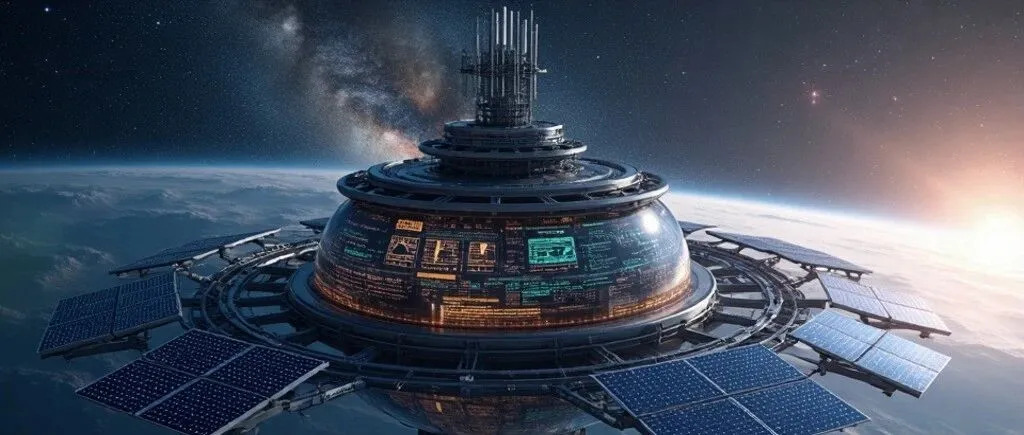
Orbital Data Centers: The Economics of Moving Computing Into Space
Moving a data center into space sounds like science fiction. But by 2026, a satellite carrying an NVIDIA H100 GPU has already trained an AI model in orbit, and investors have valued the company behind it at $2.3 billion. This article examines the accounting: where revenue comes from, where costs accumulate, and what it would…
-
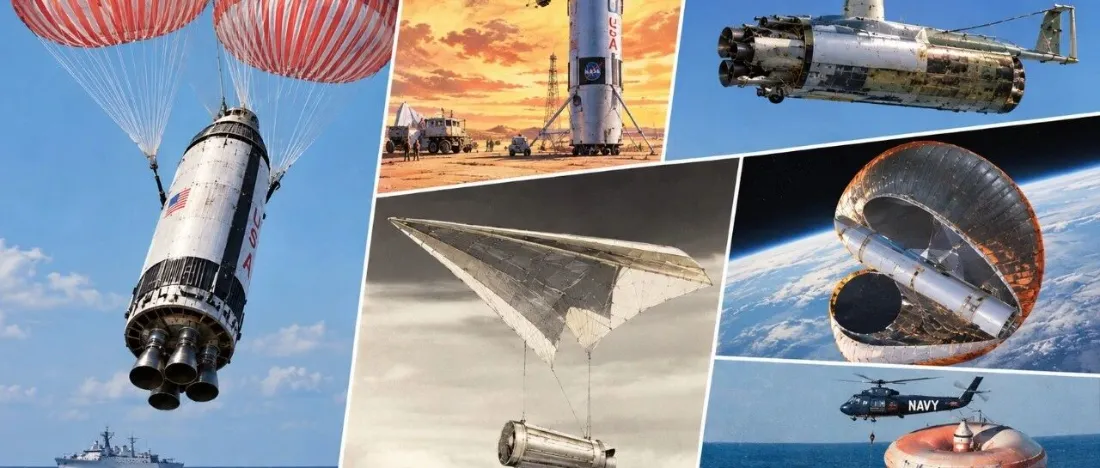
What Unusual Ideas Have Engineers Proposed to Recover Rockets?
Engineers have long wanted to make space launches less expensive. Half a century ago, however, cost was rarely the first priority of a major space program. Completing the mission mattered more. Recovering and reusing rockets is now a key way to reduce launch costs, but engineers were considering the idea even before the Apollo program.…
-
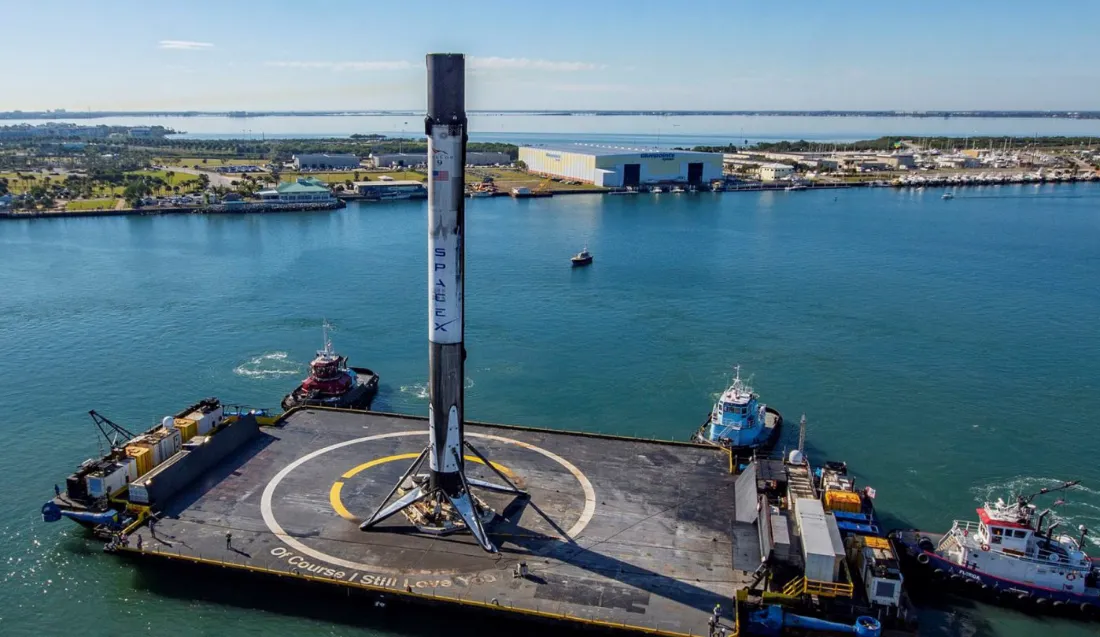
From Recovery Milestones to Routine Reuse: What Falcon 9 Can Teach China’s Reusable Rocket Industry
As the launch industry demands lower costs, higher flight rates and greater scale, reusability is making rockets function more like transportation systems. SpaceX’s Falcon 9 was the first reusable orbital rocket to enter commercial service. Its combination of relatively low costs, frequent launches, large scale and strong reliability has made it a mainstay of the…
-
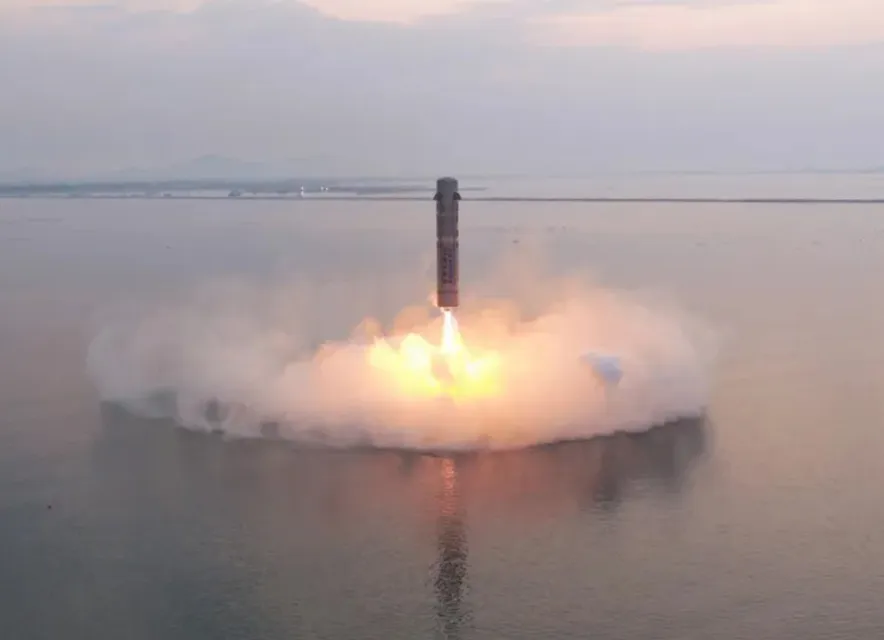
Space Epoch Raises $343 Million to Fund Reusable Yuanxingzhe-1 Rocket
Chinese commercial launch company Space Epoch has completed a Series B++ financing round, bringing its total funding raised over the past six months to more than 2.3 billion yuan, or approximately $343 million. The capital will support the first orbital flight of its reusable Yuanxingzhe-1 methane-fueled rocket, first-stage recovery testing and the development of commercial…
-
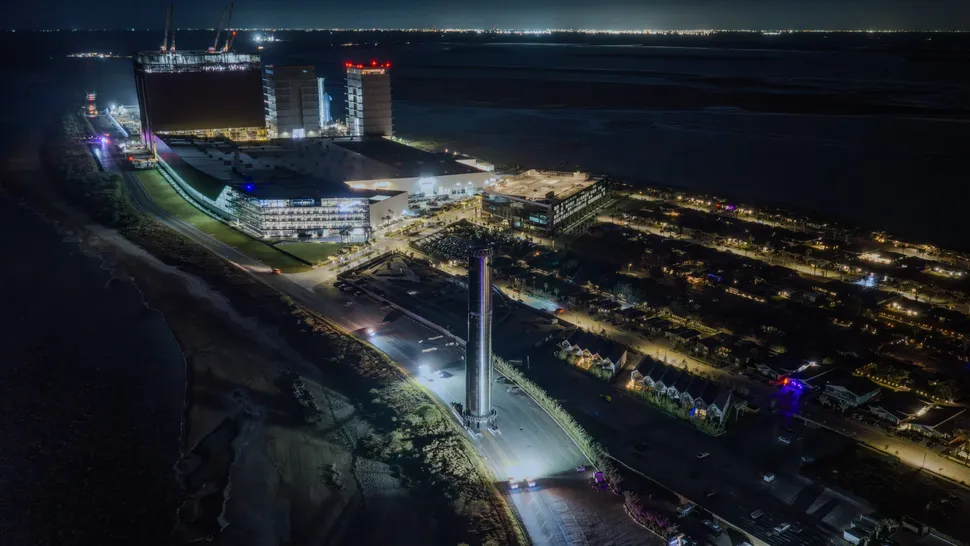
SpaceX Rolls Super Heavy to Launch Pad for Starship’s First Orbital Flight
SpaceX moved the Super Heavy booster assigned to Starship Flight 14 to the launch pad at Starbase, Texas, on September 21, advancing preparations for the vehicle’s first orbital mission. Targeted for September 28 pending regulatory approval, the flight is expected to complete six Earth orbits and deploy 26 operational Starlink V3 satellites. The booster, identified…
-
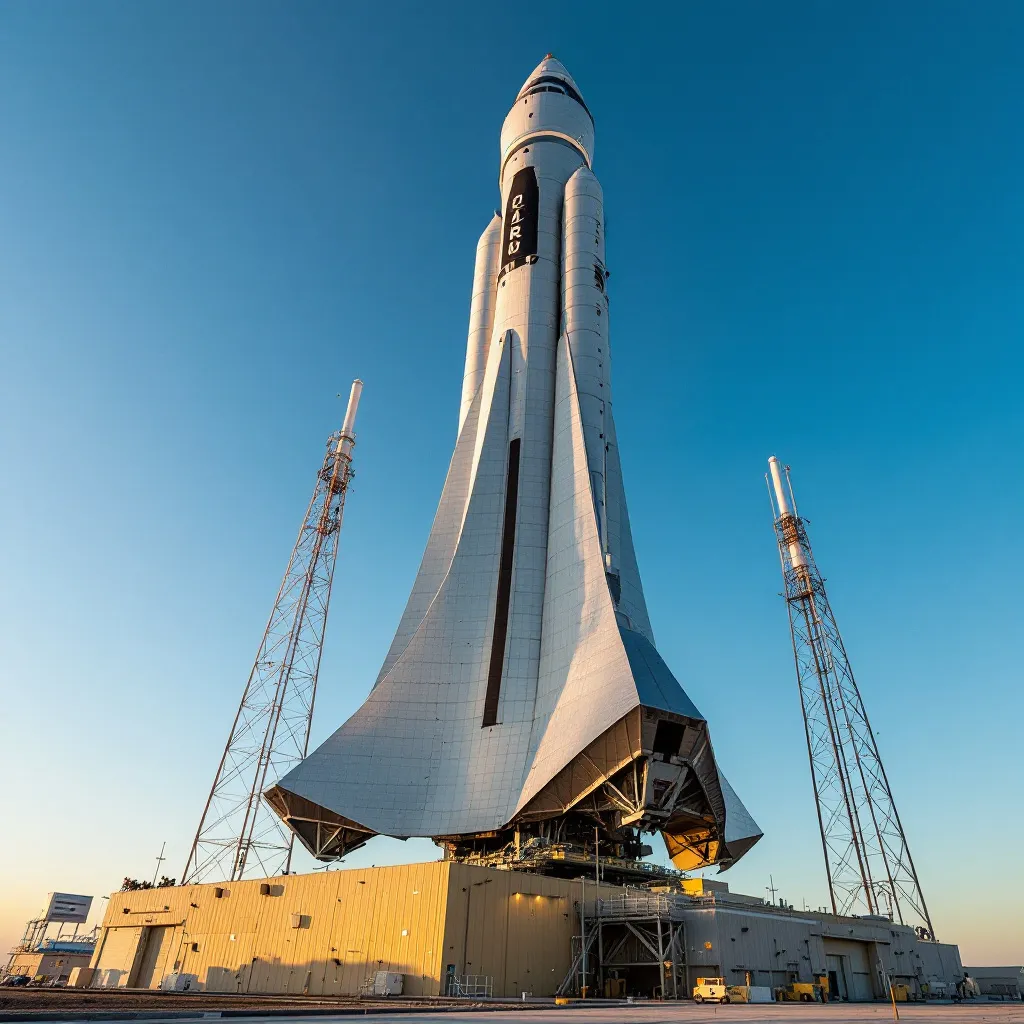
SpaceX Targets September 28 for Starship’s First Orbital Flight as Florida Pad Nears Readiness
SpaceX is targeting no earlier than September 28 for Starship Flight 14, pending regulatory approval, in what would be the vehicle’s first orbital mission after 13 suborbital flight tests. The mission is expected to carry 26 Starlink V3 satellites and comes as SpaceX moves Launch Complex 39A at NASA’s Kennedy Space Center toward operational status,…
-
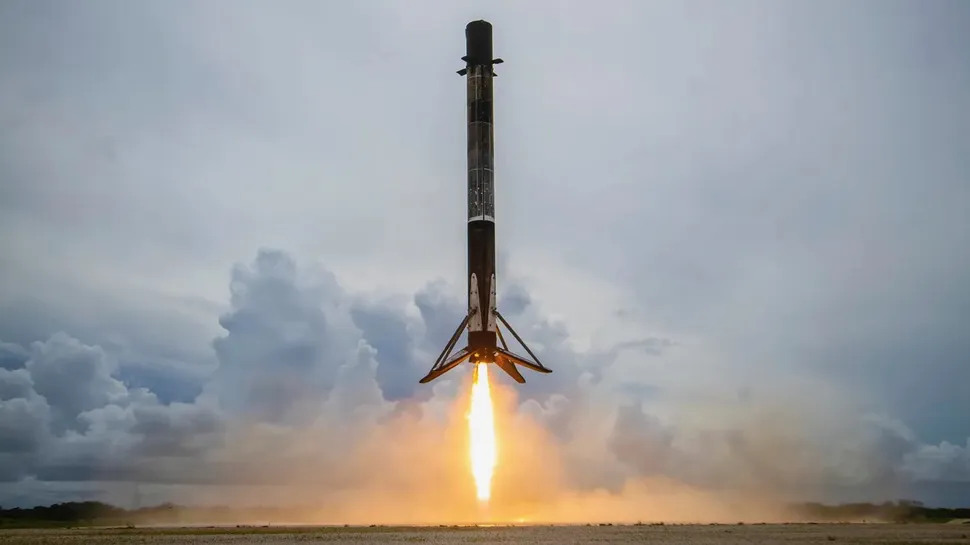
SpaceX Falcon 9 Landing Team Wins First Neil Armstrong Space Prize for Pioneering Reusable Booster Landings
Purdue University presented its first Neil Armstrong Space Prize to SpaceX’s Falcon 9 Booster Landing Team on September 15, 2026, at the Cosmos Club in Washington, D.C. Announced in April, the award recognizes the team’s development of vertical booster landings, which made repeated first-stage reuse a routine part of orbital launches. Five SpaceX employees accepted…
-
SpaceX Sets Sept. 22 for Starship’s First Orbital Flight and Starlink V3 Deployment
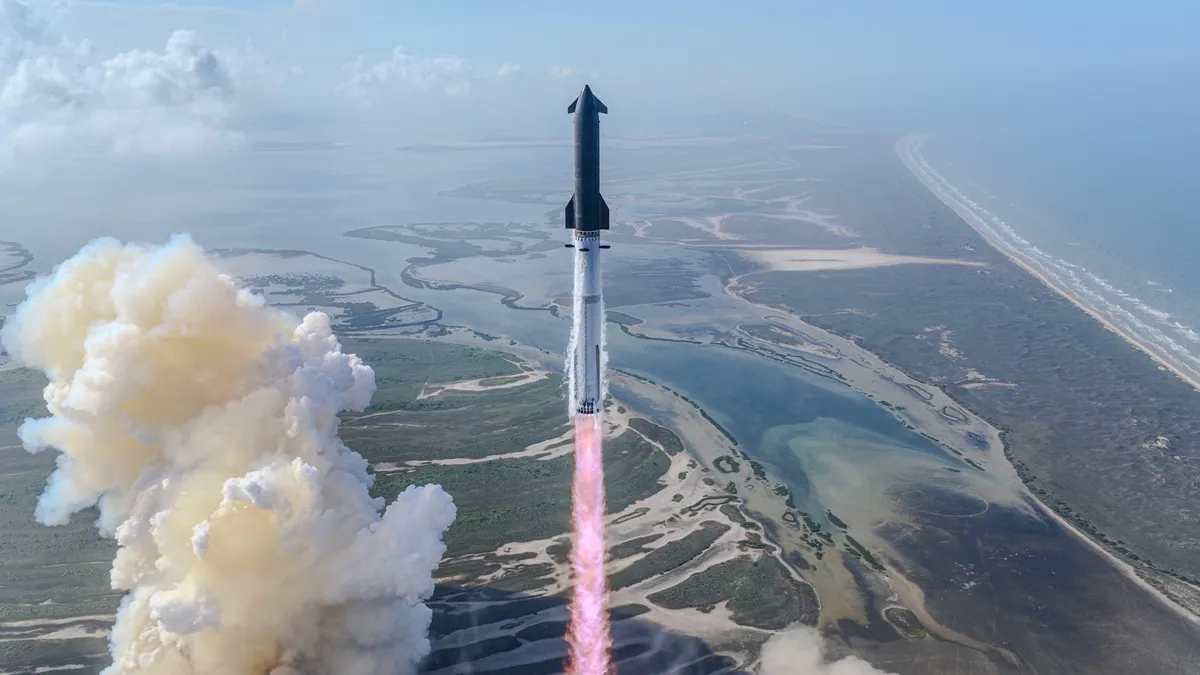
SpaceX is targeting Sept. 22, 2026, for the first orbital flight of its Starship launch system, a roughly 10-hour mission that will deploy 26 Starlink V3 satellites and send the spacecraft around Earth six times before a planned Pacific Ocean splashdown. Flight 14 is scheduled to lift off from Starbase in South Texas during a…
-
Zhuque-2E Y7 Launches 10 Qianfan Satellites in Single Mission (Video)
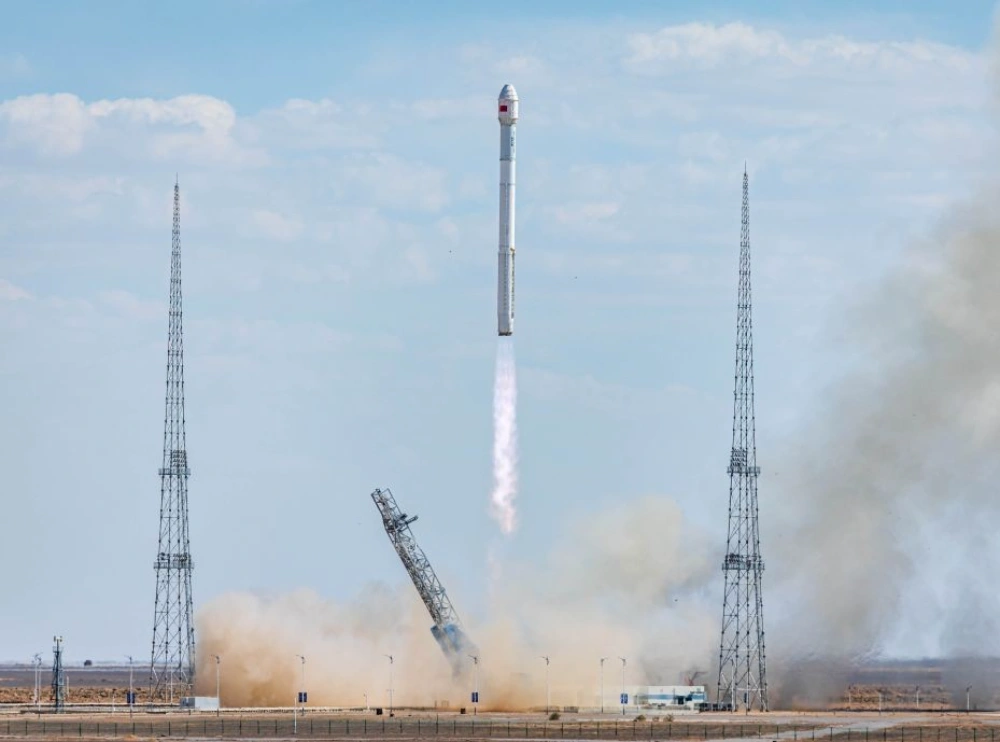
LandSpace successfully launched a Zhuque-2E Y7 carrier rocket at 2:26 p.m. on September 15 from the Dongfeng Commercial Space Innovation Pilot Zone, placing 10 satellites for Qianfan Polar Orbit Group 19 into their designated orbits. The successful one-rocket, 10-satellite mission advanced the deployment of the Qianfan constellation while reinforcing Zhuque-2E’s role in China’s expanding commercial…