
Tag: Satellite Constellations
-

How Much Does a Satellite Constellation Really Cost? Calculating Its Full Lifecycle Cost
Constellation announcements often promise billions in investment, but rarely explain where the money goes. To understand the economics of space computing, we need to break down five costs across a computing satellite’s life, from development to disposal. The exercise reveals why companies in this industry need to understand both aerospace engineering and cost accounting. 1.…
-

A Cloud Provider in Orbit: How Is Space Computing Priced?
Whether an industry can survive over the long term comes down to one question: Who keeps paying for it? Space computing has three potential revenue models, each with a parallel in the evolution of cloud providers. Model One: Selling Data—The “Selling Produce” Business The most established model is also the most straightforward: package processed results…
-

Onboard Intelligence, Space Data Processing in Orbit and Earth Data Processing in Orbit: Which Will Succeed First?
Space computing covers three distinct approaches: satellites that process their own observations, constellations that share computing tasks in orbit, and orbital infrastructure designed to handle workloads originating on Earth. They share a label, but their technical requirements and commercial readiness differ substantially. This lesson maps out the three approaches, making it easier to understand where…
-
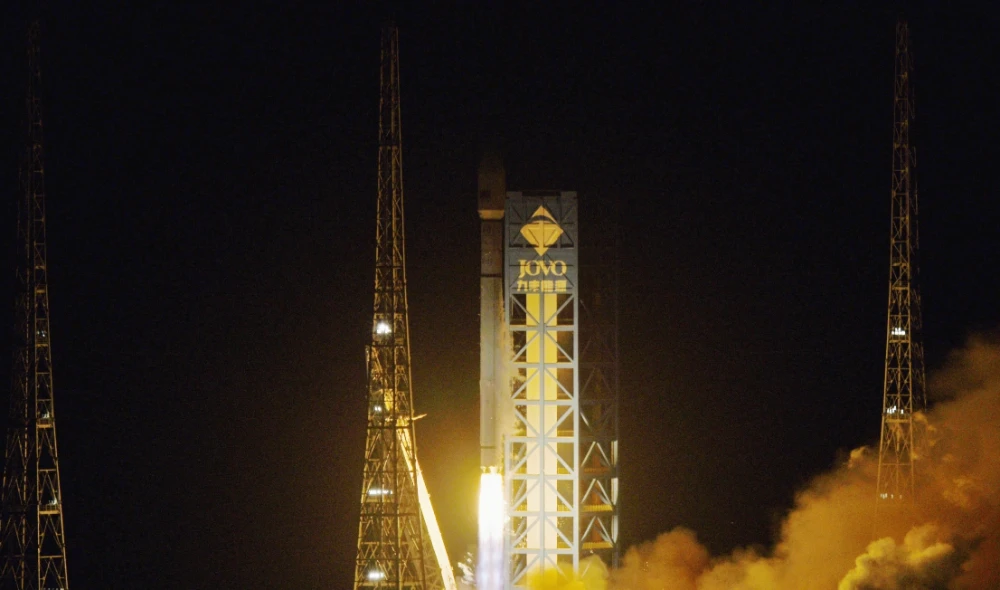
Long March 12 Launches China’s 27th LEO Internet Satellite Group
At 3:27 a.m. on October 10, 2026, China successfully launched the 27th group of low-Earth orbit internet satellites aboard a Long March 12 carrier rocket from the Hainan Commercial Space Launch Site. The satellites entered their designated orbit, continuing the phased deployment of China’s satellite internet system and marking the 671st mission of the Long…
-
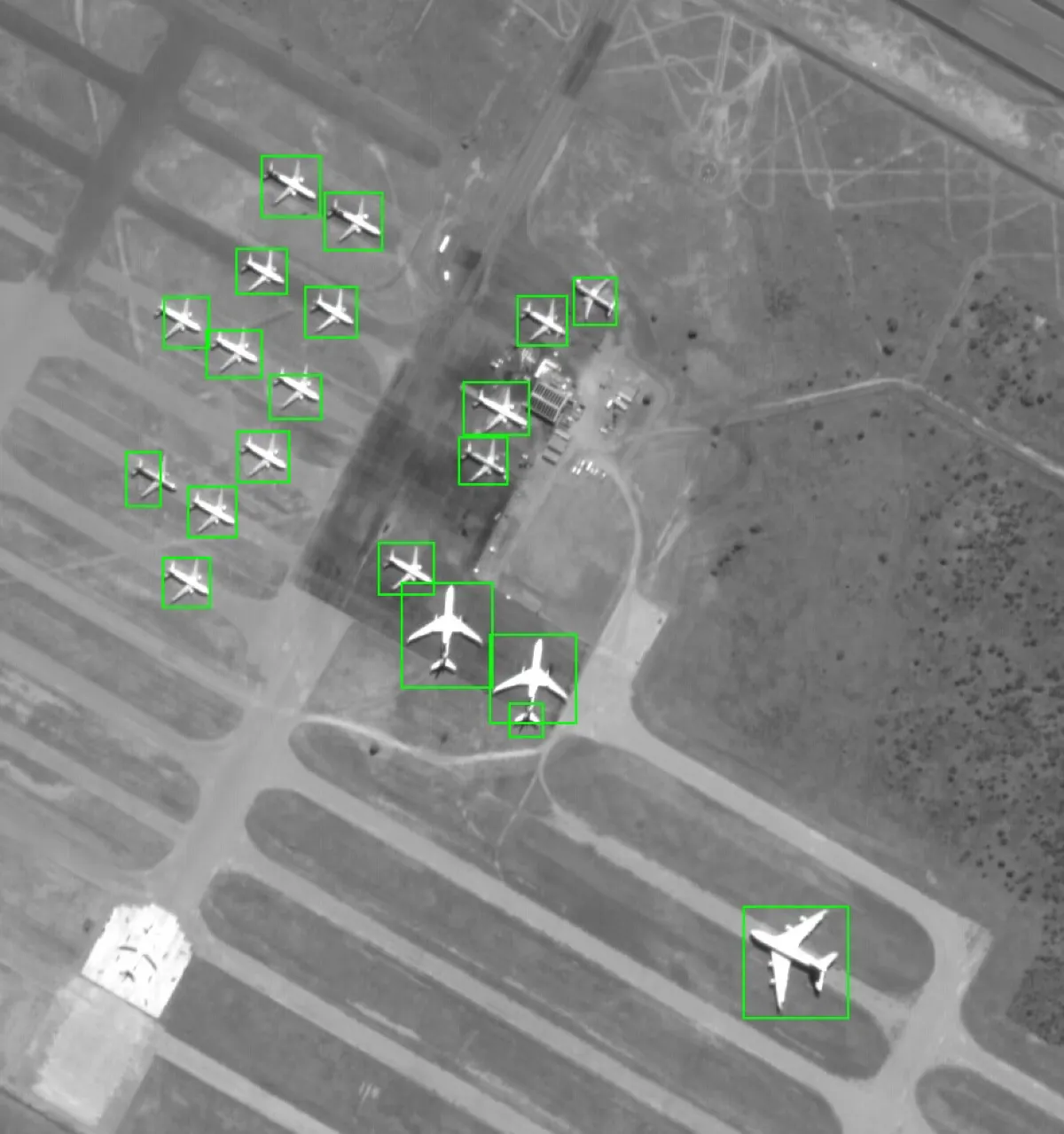
The In-Orbit Remote Sensing Pipeline
Key Insight An in-orbit processing pipeline essentially takes a ground-based data center apart and fits its functions inside a satellite. Each stage uses the computing hardware best suited to its task: FPGAs for rule-based processing, NPUs for AI inference, and CPUs for scheduling. Models that are “good enough” trade complexity for real-time performance. To assess…
-
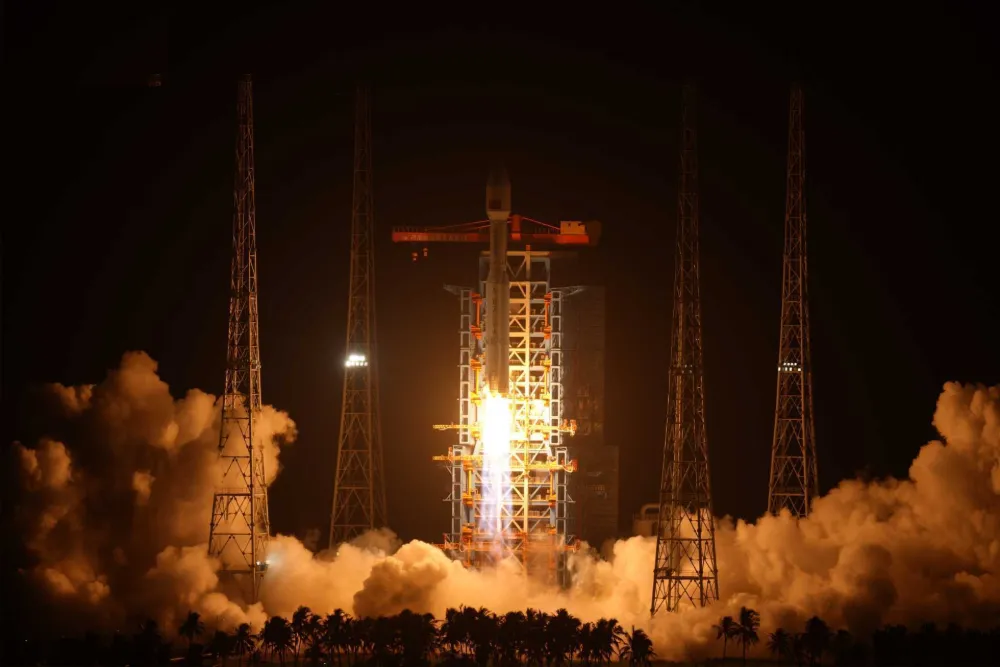
China Launches Satellite Internet LEO Group 26 on Long March 8A (Video)
China launched its 26th group of low-Earth-orbit satellite internet spacecraft aboard a Long March 8A rocket at 9:32 p.m. Beijing time on September 23, 2026. The rocket lifted off from the Hainan Commercial Space Launch Site and successfully placed the satellites into their designated orbit, continuing the country’s accelerated deployment of space-based broadband infrastructure. The…
-
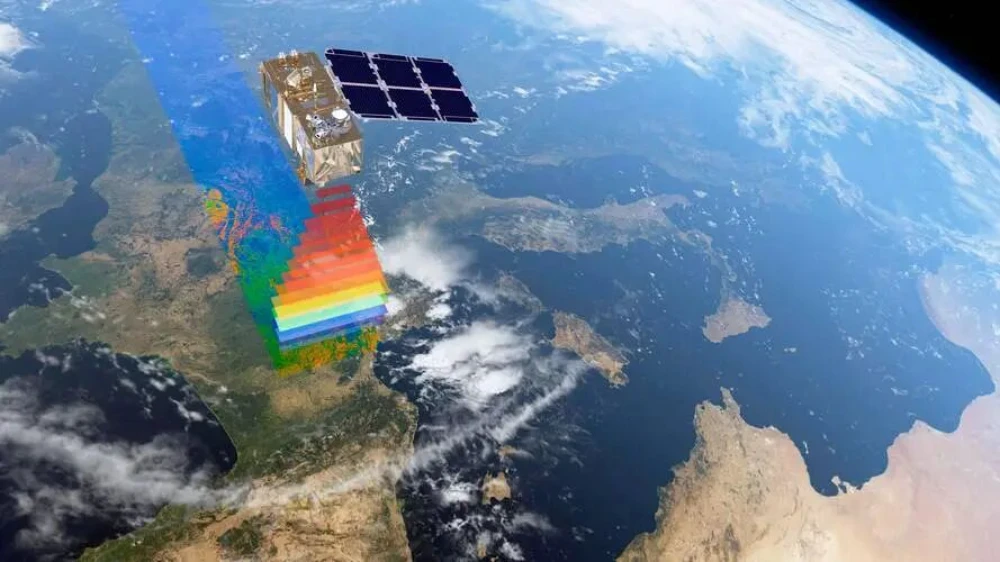
From Imaging to Intelligence: How Smart Remote-Sensing Satellites Are Changing the Market
Several smart remote-sensing satellites have recently been launched in China and other countries, entering a rapidly expanding applications market and attracting growing industry attention. But what does it mean for a remote-sensing satellite to become “smart”? What benefits could onboard intelligence provide, and how might it help satellite operators reach new markets and deliver services…
-
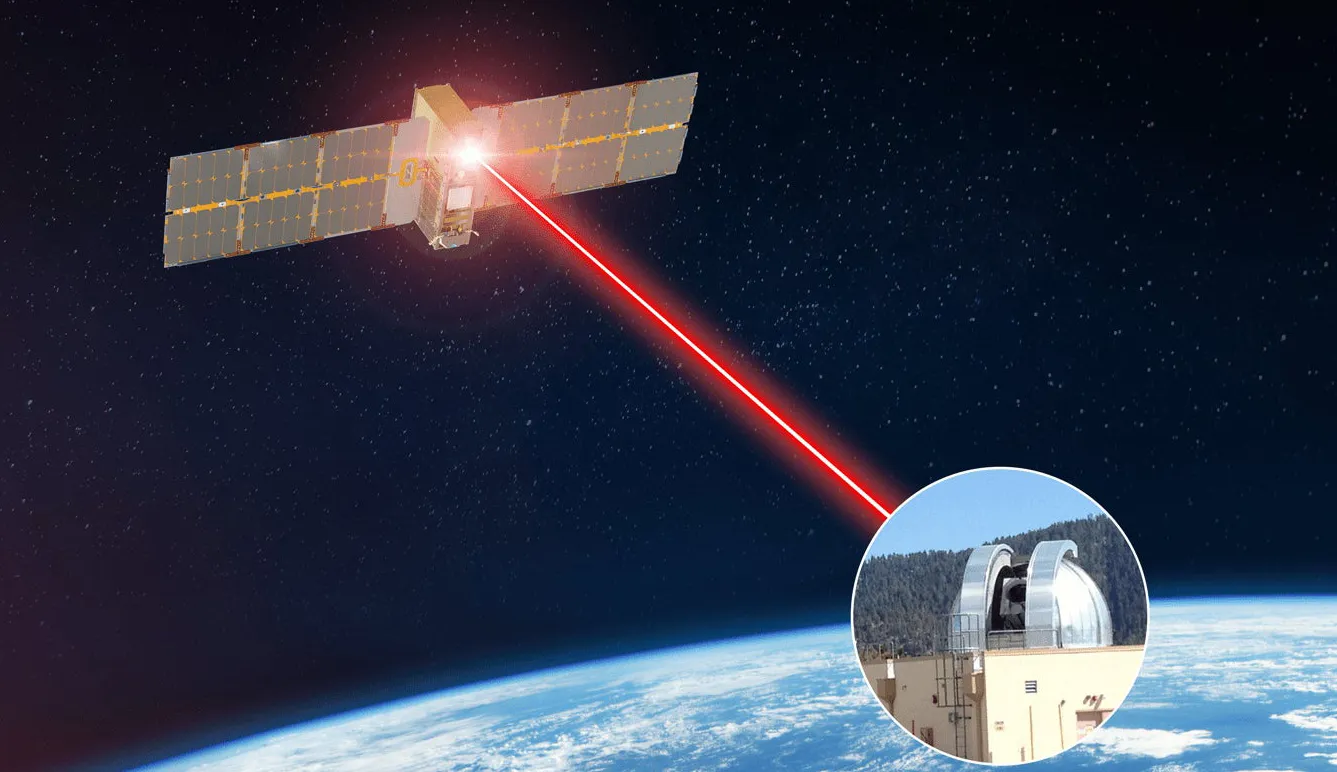
Space-Based Optical Communications Move From Flight Demonstrations to Operational Networks
Space-based optical communications are moving from experimental missions toward operational deployment as satellite operators seek higher-capacity alternatives to congested radio-frequency links. An industry assessment published September 20 said space-qualified laser terminals are now supporting data rates of up to 10 gigabits per second in orbital applications, while standardized optical inter-satellite links are becoming part of…
-
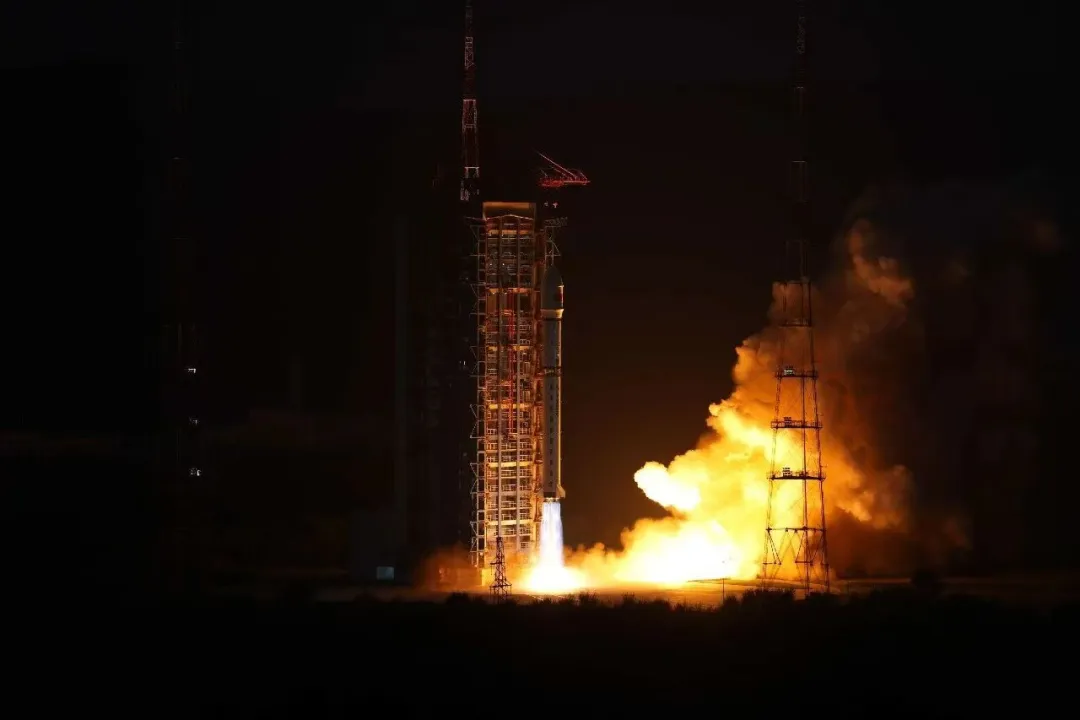
China Launches Four PIESAT-2 Radar Satellites With Onboard Data Processing
China launched four PIESAT-2 synthetic aperture radar satellites on September 19, expanding a commercial Earth-observation constellation designed for high-resolution, all-weather monitoring. A Long March 2D rocket lifted off from the Taiyuan Satellite Launch Center at 6:50 p.m. Beijing Time and placed the PIESAT-2 13–16 satellites into their planned orbits. The four satellites belong to Zhuzhou…
-
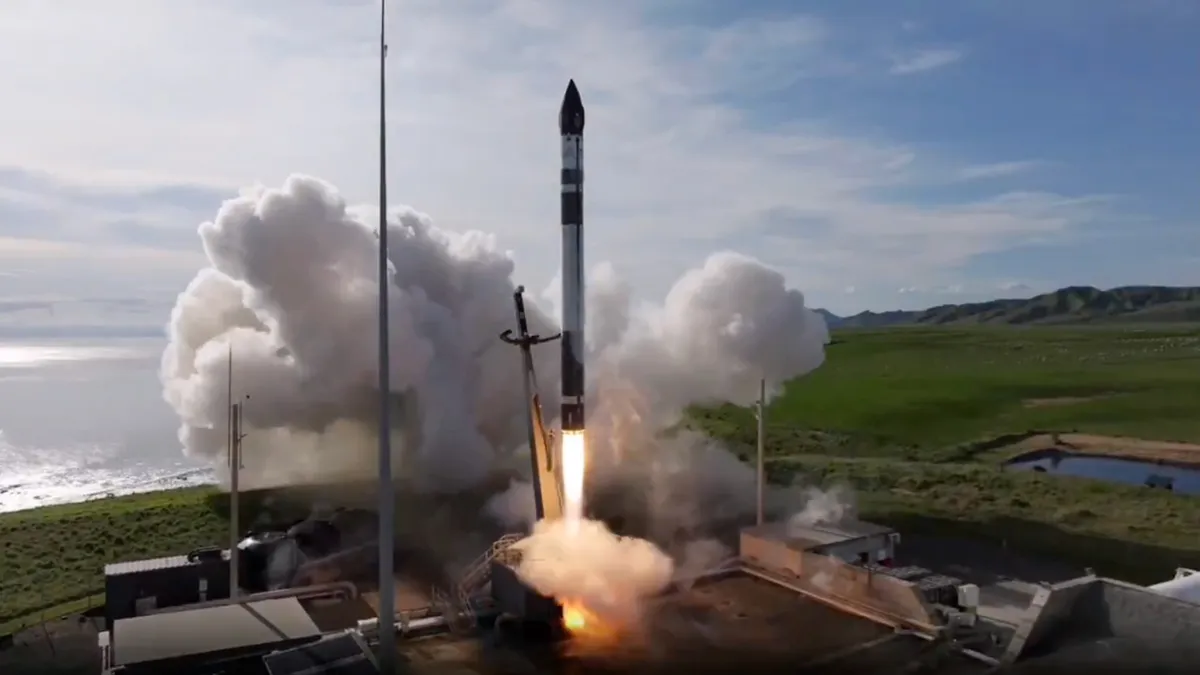
Rocket Lab Launches 12th StriX Radar Satellite for Synspective (Video)
An Electron rocket launched a synthetic aperture radar (SAR) spacecraft for the Tokyo-based company Synspective from Rocket Lab’s New Zealand site on Sept. 18, 2026 at 11:22 p.m. EDT (0322 GMT and 3:22 p.m. local time on Sept. 19). Credit: Rocket Lab Rocket Lab launched Synspective’s 12th StriX synthetic aperture radar satellite on September 19,…