
Tag: Satellite Constellations
-
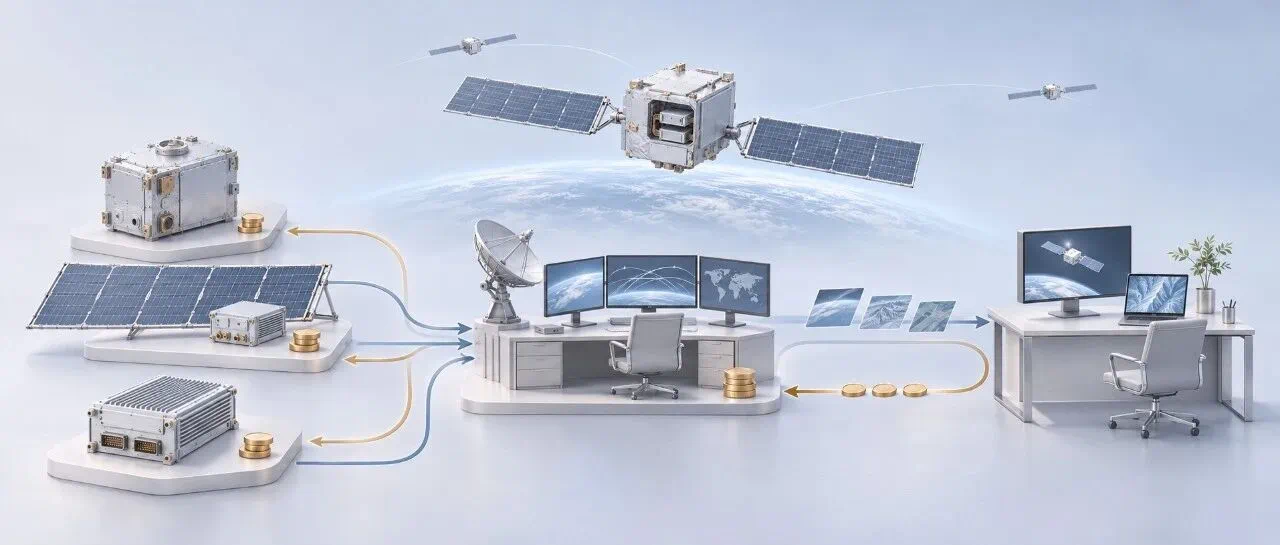
Space Computing Constellations Divide the Work: How Satellite Platform Suppliers, Power Providers, Computer Makers and Operators Earn Revenue
In the first half of 2026, ADA Space recognized approximately RMB 125 million in revenue from AI computing satellites, accounting for 55.1% of its total revenue. The amount was reported under “satellites and related services” in its prospectus.[1] During constellation construction, customers pay for development and delivery. Once the satellites are in orbit, who pays…
-
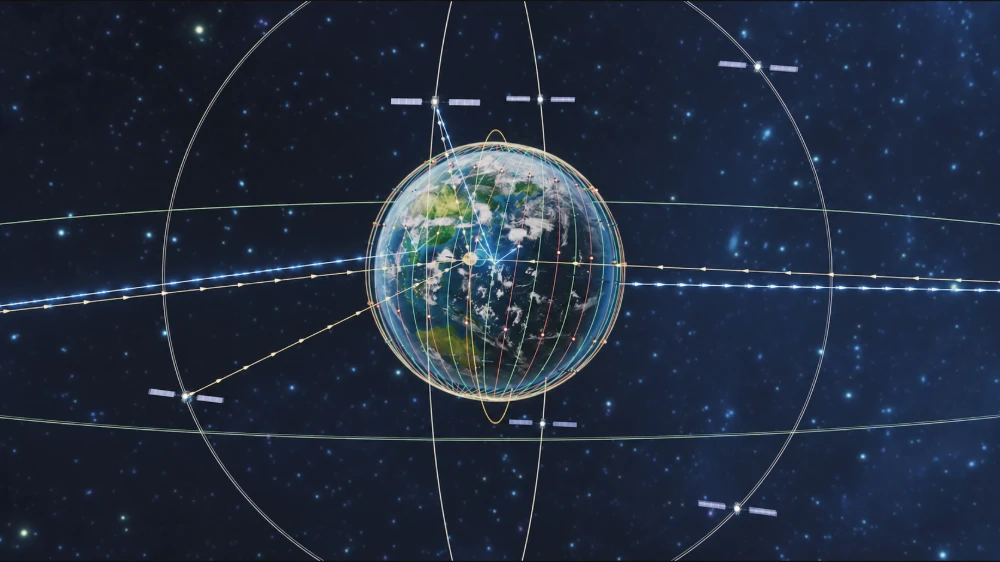
China Unveils Xingyun Constellation Plan for Space Computing Network
China unveiled the Xingyun Constellation Plan on November 9, 2026, at the 2026 Space Cloud Industry Ecosystem Conference in Hefei, advancing a domestically developed space computing network designed to make satellite resources available on demand. The announcement marks a step from technology validation toward industrial deployment of the country’s space-cloud architecture. The space-cloud concept combines…
-
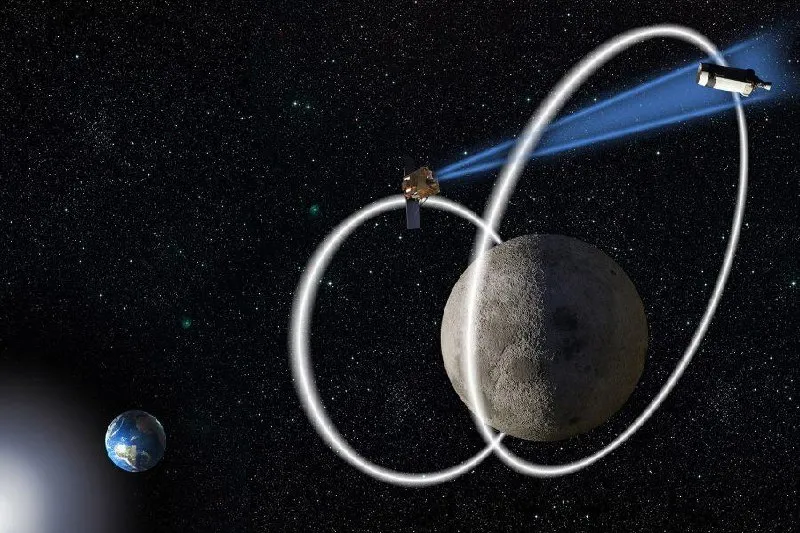
Space Force Eyes Up to Five Seed Satellites for a Future Cislunar Constellation
The notice follows what Space Force leaders describe as a significant shift in the U.S. military’s posture toward cislunar space. Maj. Gen. Stephen Purdy, who oversees the service’s advanced programs acquisition portfolio, said in an Oct. 21 speech at AFCEA’s Space Industry Days conference that as recently as January he was told to avoid discussing…
-
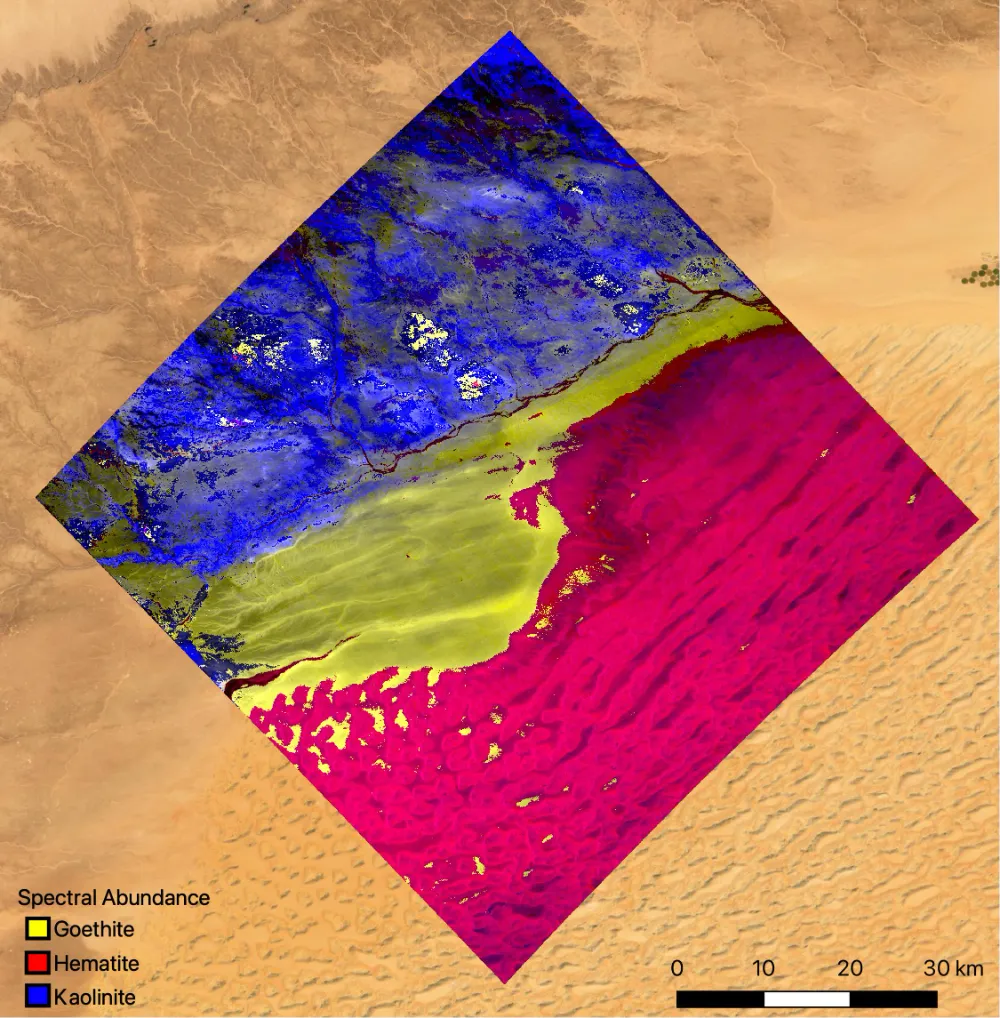
Hyperspectral Satellites: The Race Beyond More Bands
Two satellite systems observe the same open-pit mine and offer different answers. The multispectral satellite says: “This area appears reddish. Iron oxides may be present.” It infers material properties from differences across a handful of broad spectral bands. The hyperspectral satellite can go further: “The spectral signatures indicate hematite and goethite, with an associated alteration…
-

China’s Commercial Ground Stations in 2026: The Tracking and Control Networks Behind More Than 100 Sites
Once a satellite reaches orbit, ground stations become essential to its long-term operation. Tracking, telemetry, command uplinks and data downlinks all depend on this infrastructure. As low Earth orbit constellations expand, the ground segment is shifting from a handful of stations supporting an individual satellite to integrated networks serving entire constellations. Drawing on publicly available…
-
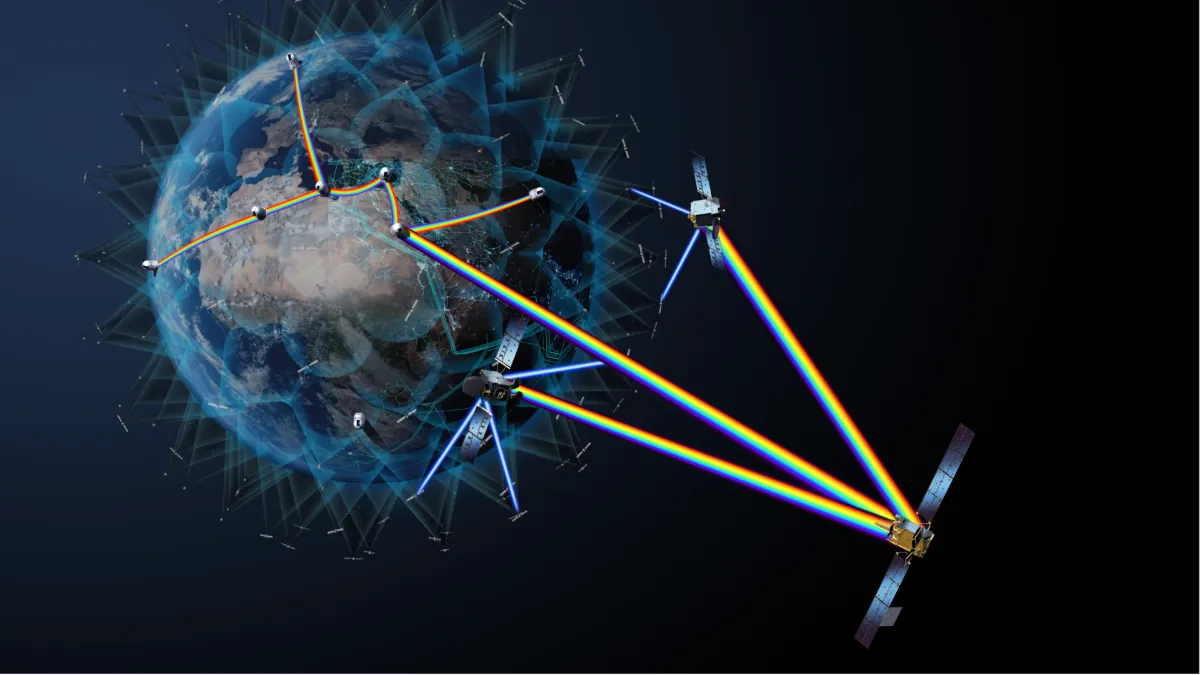
Constellation Routing: Why Satellite Networks Need a Navigation App
“With lasers connecting satellites and ground stations providing access, isn’t the network already connected?” The reality is more complicated. Low Earth orbit satellites travel at more than 7 kilometers per second, while connections change, switch or become unavailable. A data packet moving through dozens of satellites and ground stations must find a route that works…
-
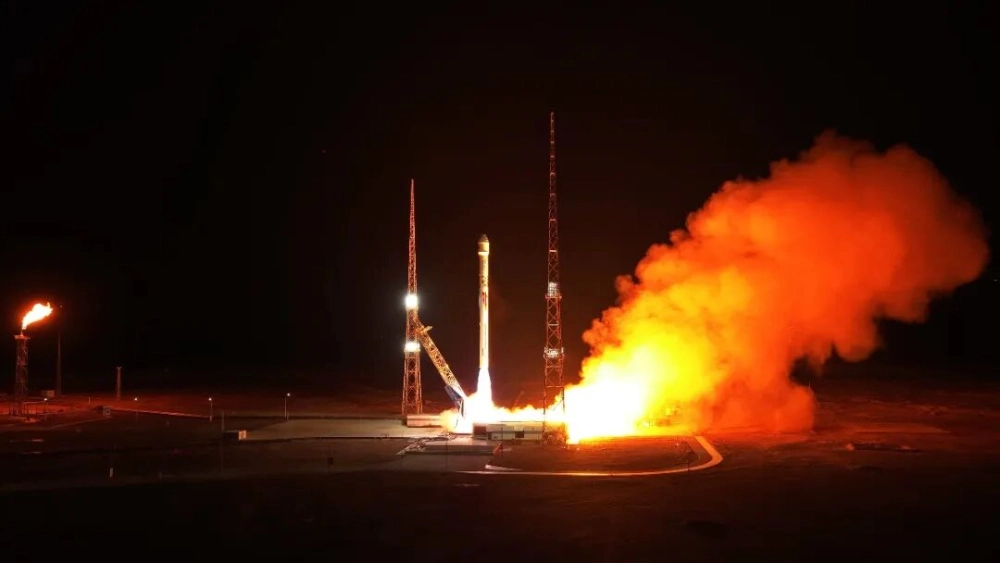
Zhuque 2E Launches 10 Satellites on Zhuque 2 Series’ 10th Flight (Video)
LandSpace launched its Zhuque-2E Y4 rocket from the Dongfeng Commercial Space Innovation Pilot Zone at the Jiuquan Satellite Launch Center at 11:40 UTC on October 14, 2026, deploying 10 satellites into their planned orbits. The rideshare mission carried eight ADA Space computing satellites and two laser data-transmission test satellites, marking the 10th flight of the…
-
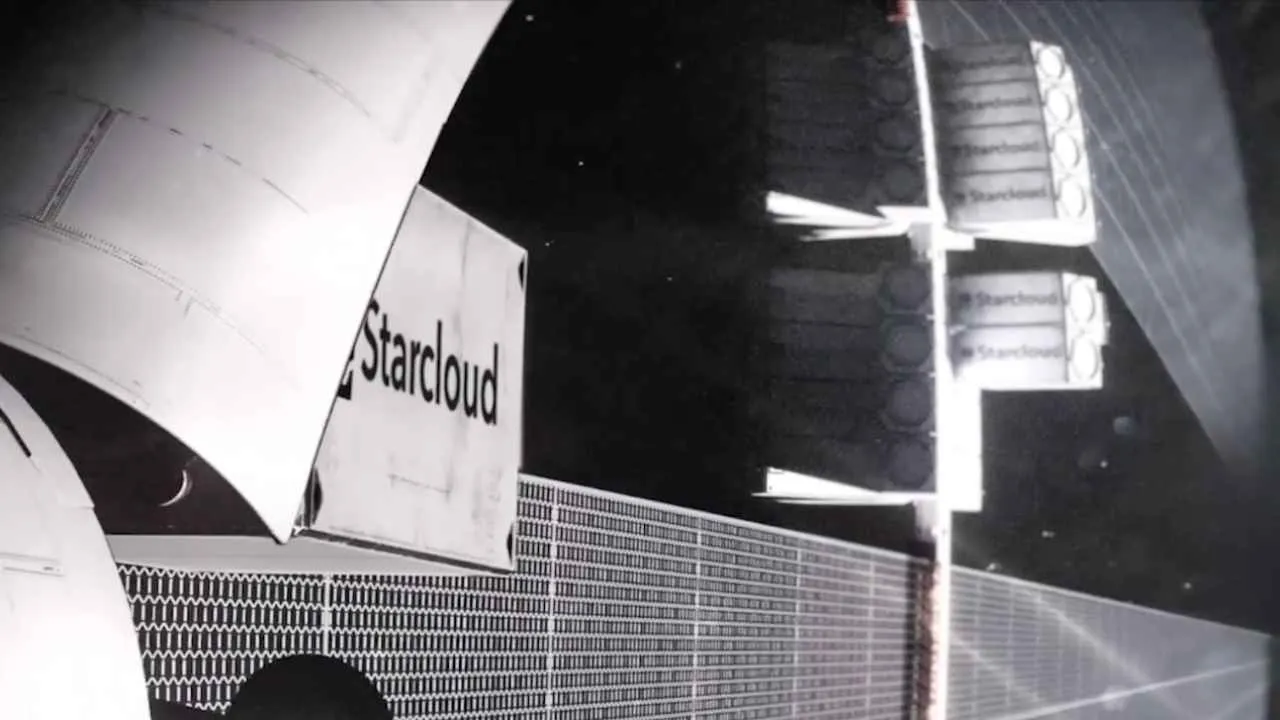
From Server Racks to Constellation-Scale Computing Networks
Launch costs and heat rejection are two of the biggest expenses facing orbital data centers. At the engineering level, the challenge comes down to four interconnected questions: how to power an orbital server rack, remove its waste heat, keep it operating through faults, and schedule workloads when that rack becomes a network of 100 or…
-
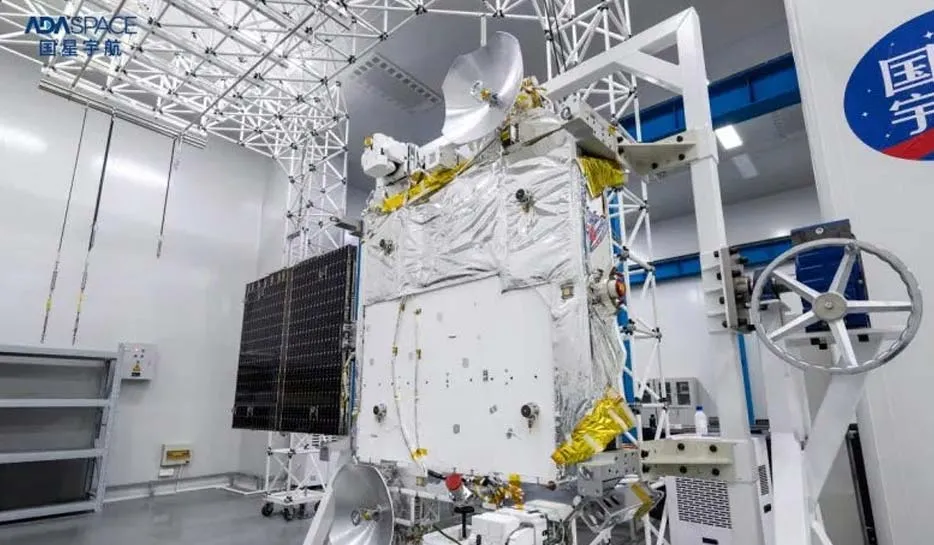
Why Can 12 Networked Satellites Do More Than 12 Working Alone?
Intuitively, 12 identical satellites should offer 12 times the computing power of one. But the value of connecting the first 12 satellites in Zhejiang Lab’s Three-Body Computing Constellation goes beyond adding up their processors. What creates that extra value? This article examines three sources of collaborative capability—and the costs that come with them. 1. Scheduling:…
-
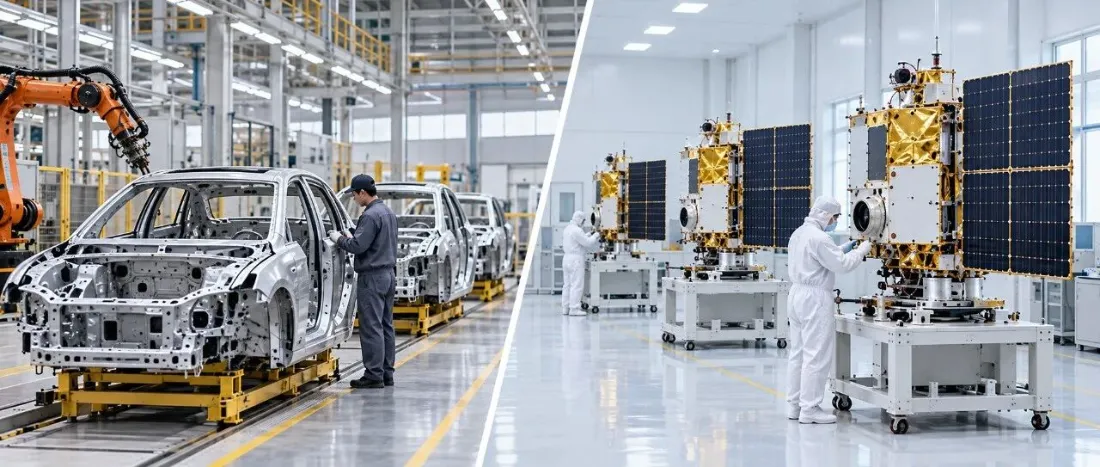
How to Mass-Produce Satellites Like Cars
Imagine walking into two factories. On an automotive assembly line, bodies move forward as wiring harnesses, seats and glass arrive at each workstation in sequence. In a satellite integration facility, engineers gather around a spacecraft to check interfaces, wiring and test records. Some argue that satellites should be built like cars, rolling off an assembly…