
Tag: satellite operations
-

China’s Commercial Ground Stations in 2026: The Tracking and Control Networks Behind More Than 100 Sites
Once a satellite reaches orbit, ground stations become essential to its long-term operation. Tracking, telemetry, command uplinks and data downlinks all depend on this infrastructure. As low Earth orbit constellations expand, the ground segment is shifting from a handful of stations supporting an individual satellite to integrated networks serving entire constellations. Drawing on publicly available…
-
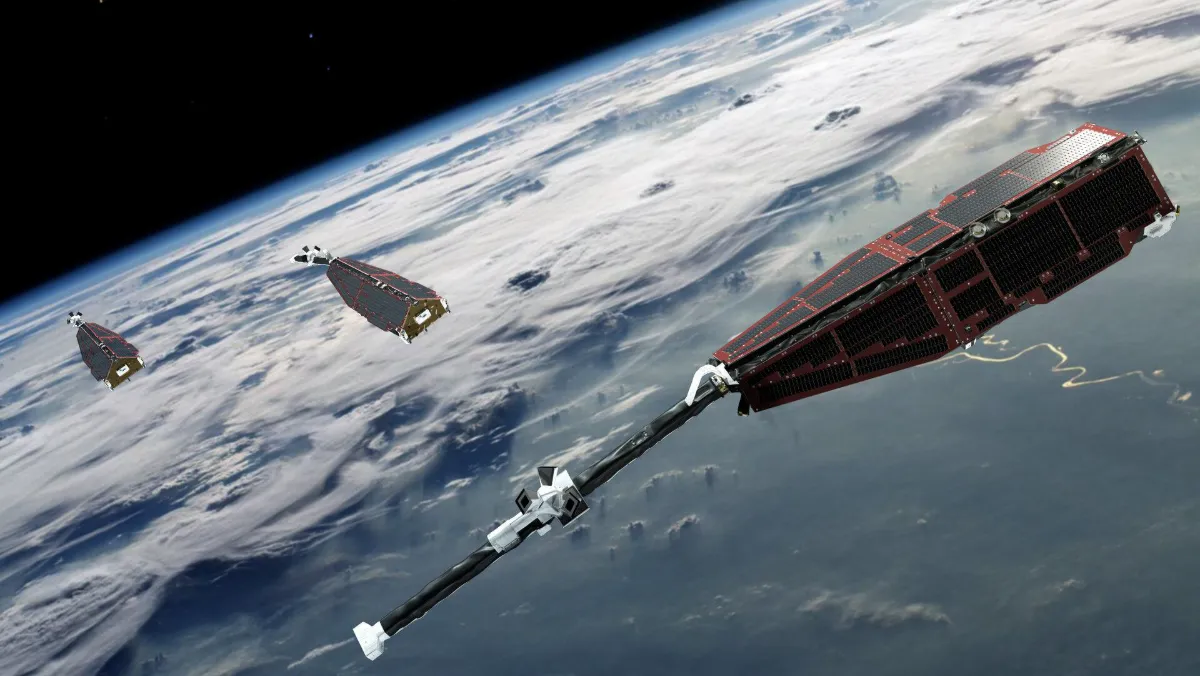
How Much Does a Satellite Constellation Really Cost? Calculating Its Full Lifecycle Cost
Constellation announcements often promise billions in investment, but rarely explain where the money goes. To understand the economics of space computing, we need to break down five costs across a computing satellite’s life, from development to disposal. The exercise reveals why companies in this industry need to understand both aerospace engineering and cost accounting. 1.…
-
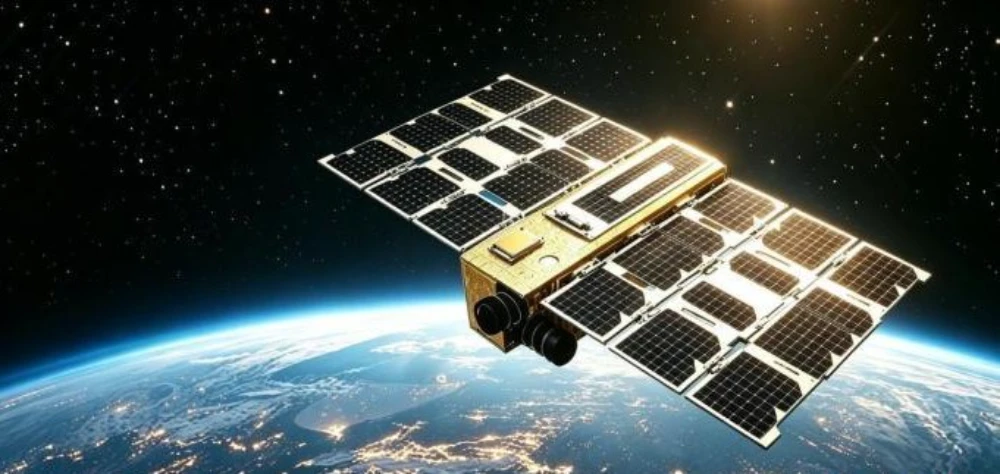
Successful Launch Does Not Mean Delivery Is Complete: Key Stages of In-Orbit Satellite Delivery
On September 13, during the 2026 China International Fair for Trade in Services (CIFTIS), Beijing Kaiyun United Information Technology Group Co., Ltd. (“Kaiyun Group”), PICC Property and Casualty Company Limited Zhejiang Branch, Beijing Hangbiao Times Testing and Certification Co., Ltd., and Sipai (Beijing) Insurance Brokerage Co., Ltd. signed a strategic cooperation agreement to develop commercial…
-

U.S. Joint Chiefs Chairman Says Military Must Prepare for Contested Cislunar Space
Gen. Dan Caine, chairman of the Joint Chiefs of Staff, said on September 16, 2026, that U.S. forces must prepare to operate in contested environments extending to cislunar space. Speaking at the Air & Space Forces Association’s Air, Space & Cyber Conference in National Harbor, Maryland, he described the modern battlefield as spanning “from the…
-
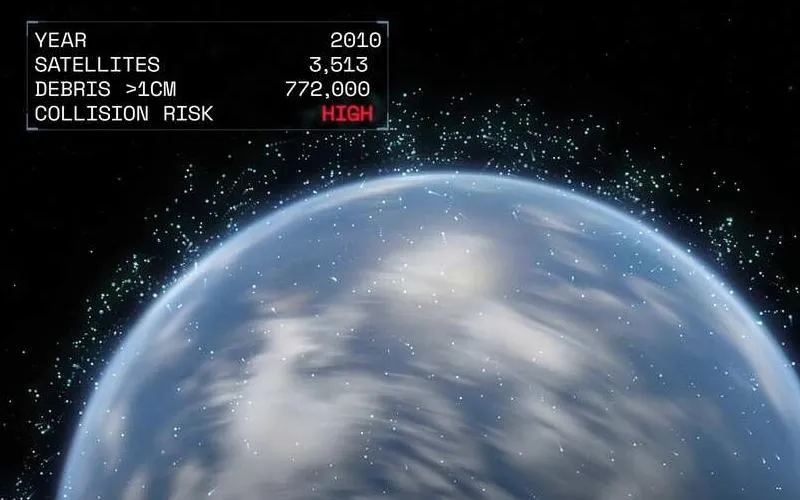
Project-S Emerges from Stealth With Funding for Space-Based Radar, Targets October Demonstration
Munich-based Project-S publicly emerged from stealth on September 2, 2026, announcing multi-million-euro backing to develop space-based radar for detecting and tracking orbital debris. The startup plans to launch its first radar demonstrator aboard a SpaceX Transporter rideshare mission in October, an initial step toward providing satellite operators with better information on small objects that threaten…
-
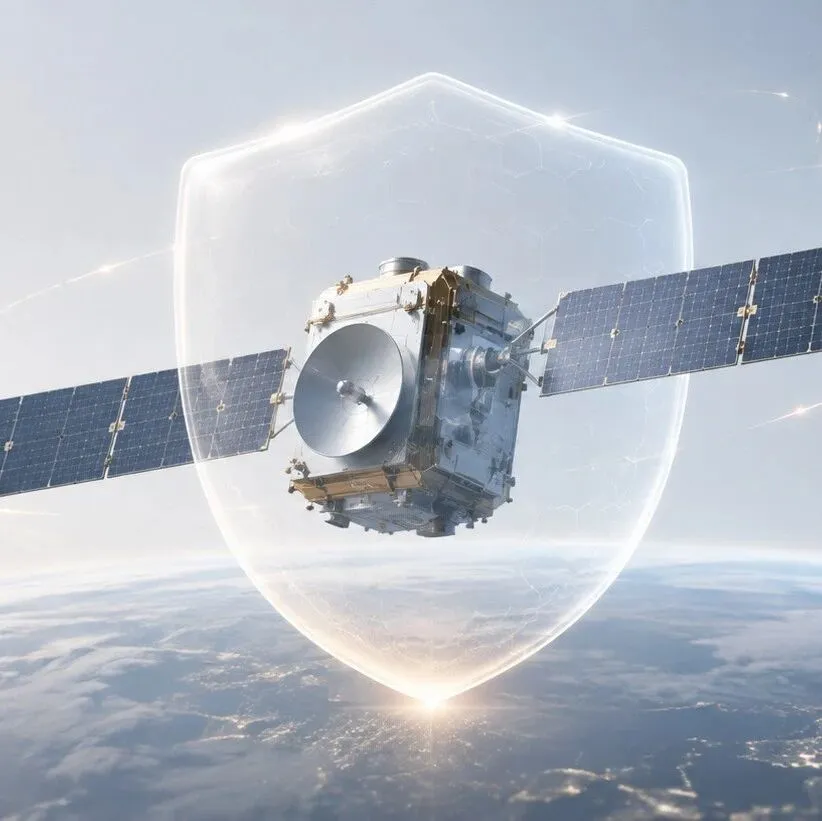
When a Satellite Fails, Will Insurers Pay the Claim or Fund a Repair Mission?
In 1984, two communications satellites, Westar 6 and Palapa B2, were placed into incorrect orbits due to an upper-stage malfunction. Their insurers were already facing a massive loss, but instead of simply paying out the claims, they signed an agreement with NASA to have the Space Shuttle retrieve the two satellites from space and return…
-

Starlink Ephemeris Data Enable First Real-World Tomographic Map of Thermospheric Density
Researchers at Kyoto University have demonstrated a new way to observe Earth’s upper atmosphere by transforming publicly available Starlink orbital data into the first tomographic map of thermospheric density derived from real satellite measurements rather than simulations. The study, published in *Earth, Planets and Space*, used orbital ephemeris data from approximately 1,200 Starlink satellites operating…
-

As Satellites Multiply, Does Space Need “Traffic Police”? A Survey of China’s Space Traffic Management Companies
Suppose a satellite receives an alert in the early hours of the morning: in 36 hours, it may pass dangerously close to a defunct rocket fragment. The predicted miss distance is only a few hundred meters. That sounds alarming, but operators cannot immediately fire the thrusters and change orbit. They must first determine whether the…
-
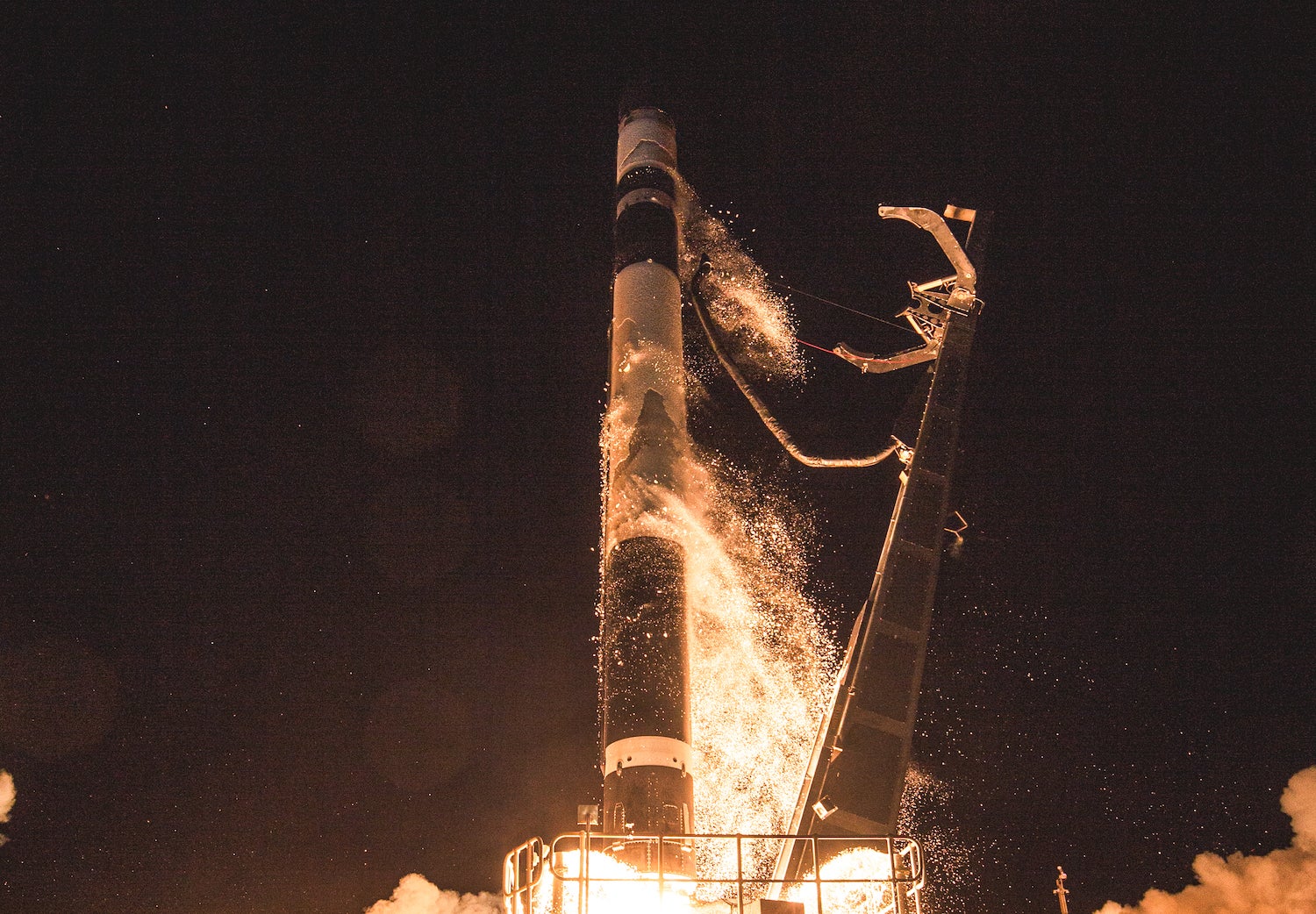
Rocket Lab Launches U.S. Space Force Mission in Under 17 Hours After Call-Up
Rocket Lab has successfully launched a responsive space mission for the U.S. Space Force, deploying a spacecraft less than 17 hours after receiving a launch order as part of the Victus Haze mission. The mission, conducted under the U.S. Space Force’s Tactically Responsive Space (TacRS) program, lifted off aboard a Rocket Lab Electron rocket from…
-

PiLogic Expands AI Satellite Monitoring Technology Through AFRL Partnership
PiLogic is advancing its artificial intelligence-powered satellite monitoring technology through a new partnership with the U.S. Air Force Research Laboratory (AFRL), aiming to enhance the resilience and operational reliability of military spacecraft. The Los Angeles-based space technology company is working with AFRL under a Cooperative Research and Development Agreement (CRADA), which allows the two organizations…