
Tag: satellites
-
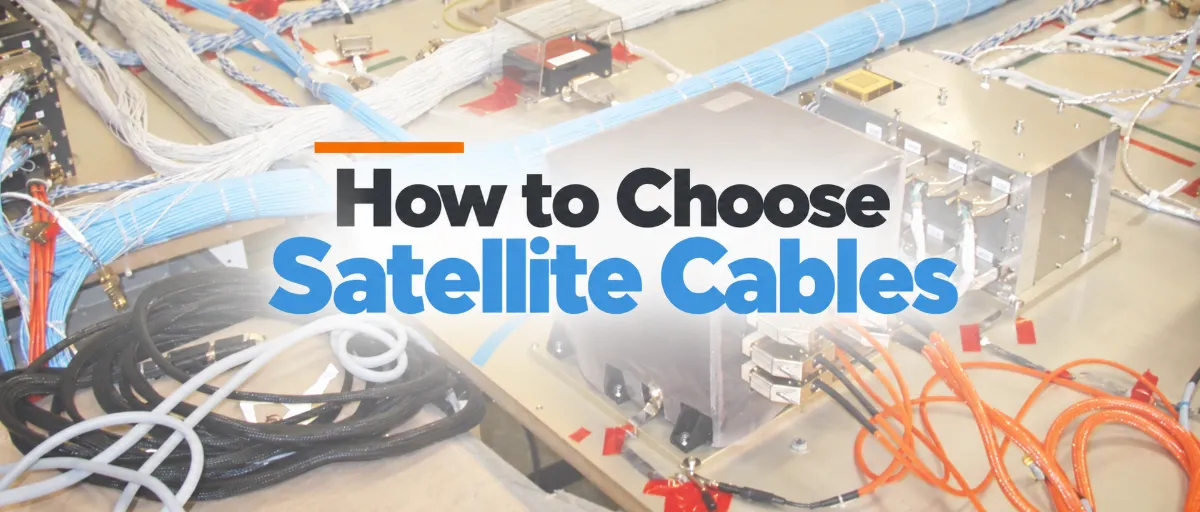
How Do Engineers Choose Satellite Cables? Power, Signal, RF and High-Voltage Lines Have Different Requirements
A satellite unit may work perfectly on a test bench, then develop problems after installation on the spacecraft: low supply voltage, fluctuating temperature readings, intermittent bus errors or higher-than-expected radio-frequency (RF) losses. The fault may lie in the cable connecting the unit. A cable is rarely a transparent path between two devices. It has resistance,…
-

What Is “Burn-In,” and Why Do Satellites Need It?
A piece of onboard electronic equipment has just come off the production line. It has passed visual inspection, its insulation and electrical characteristics are normal, and every functional test has been completed successfully. In theory, it should be ready for delivery. Before installing it on a satellite, however, engineers will often keep it powered on…
-

How Do Engineers Monitor the In-Orbit Status of Satellite Equipment Through Telemetry—and Send Telecommands to Control a Satellite?
A satellite may have flown far beyond visual range, yet subsystem engineers can still see on their screens that a particular unit is at 23.6°C, drawing 1.8 A from the bus and operating on its primary channel. They may even be able to determine that a heater has just switched on. It may look as…
-
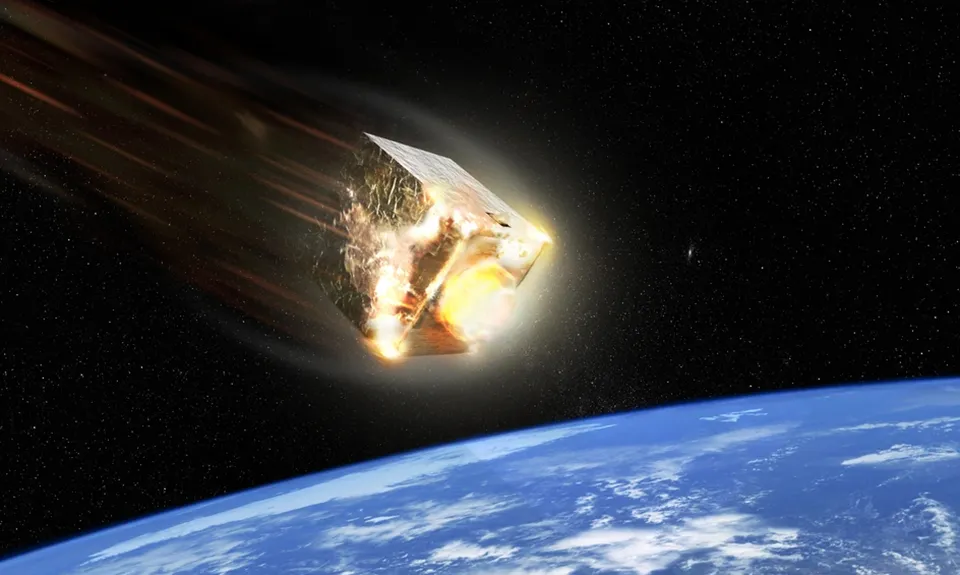
ESA Records Final Cluster Satellite Reentries in South Pacific Airborne Campaign
The European Space Agency’s final two Cluster satellites, Samba and Tango, reentered over a remote part of the South Pacific on August 31 and September 1, 2026, ending the four-spacecraft mission after 26 years. Scientists aboard a research aircraft flying from Tonga recorded both breakups with 29 of their 30 instruments, gathering data to improve…
-

MDA Space Introduces Aurora Black Satellite Platform for Secure Military Communications
MDA Space introduced MDA Aurora Black on September 10, 2026, extending its software-defined Aurora satellite product line into the defence market with anti-jamming, GPS spoofing resistance and proximity-monitoring capabilities intended to protect military communications in contested environments. The defence-focused configuration is available across MDA Space’s Aurora broadband and direct-to-device product lines. It combines the existing…
-

SpaceX Launches Classified USSF-153 Mission for U.S. Space Force
SpaceX launched the classified USSF-153 mission for the U.S. Space Force aboard a Falcon 9 rocket from Vandenberg Space Force Base, California, at 8:42 a.m. Pacific time on September 10. The mission carried an undisclosed number of national-security spacecraft toward an unannounced orbit. The Falcon 9 lifted off from Space Launch Complex 4 East and…
-
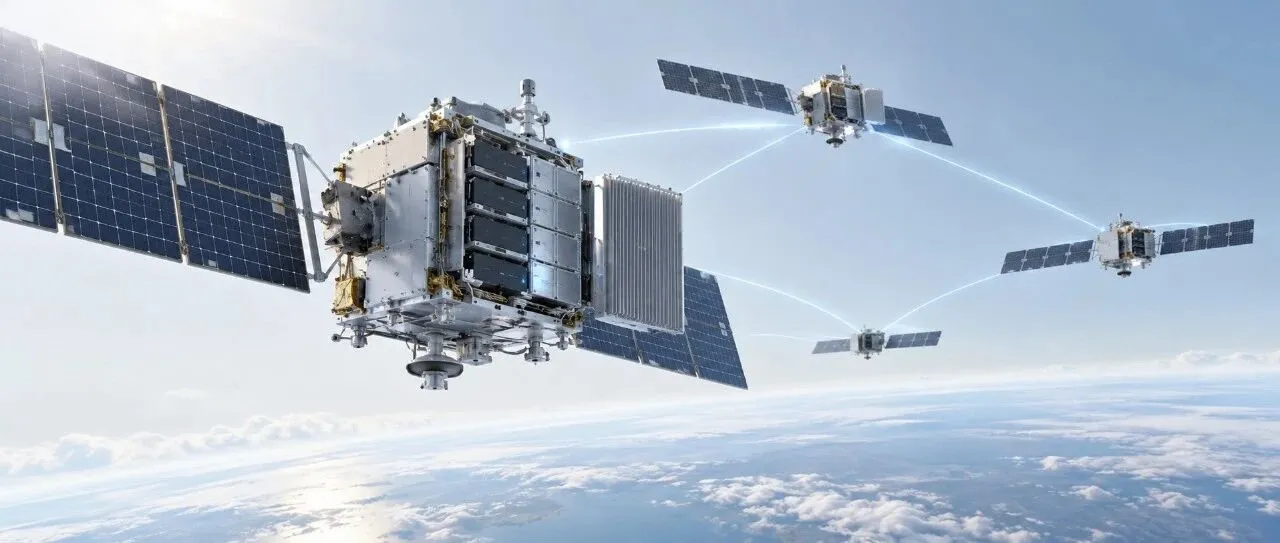
In the Age of Space Computing, Why Is Energy Both the First Opportunity and the First Barrier?
On the ground, when computing capacity falls short, more servers can be added, the grid can supply more electricity, and additional cooling towers can be built. In orbit, however, there are no power outlets and no air to carry heat away. Every model inference, image-processing operation and inter-satellite data exchange ultimately becomes two things: electricity…
-
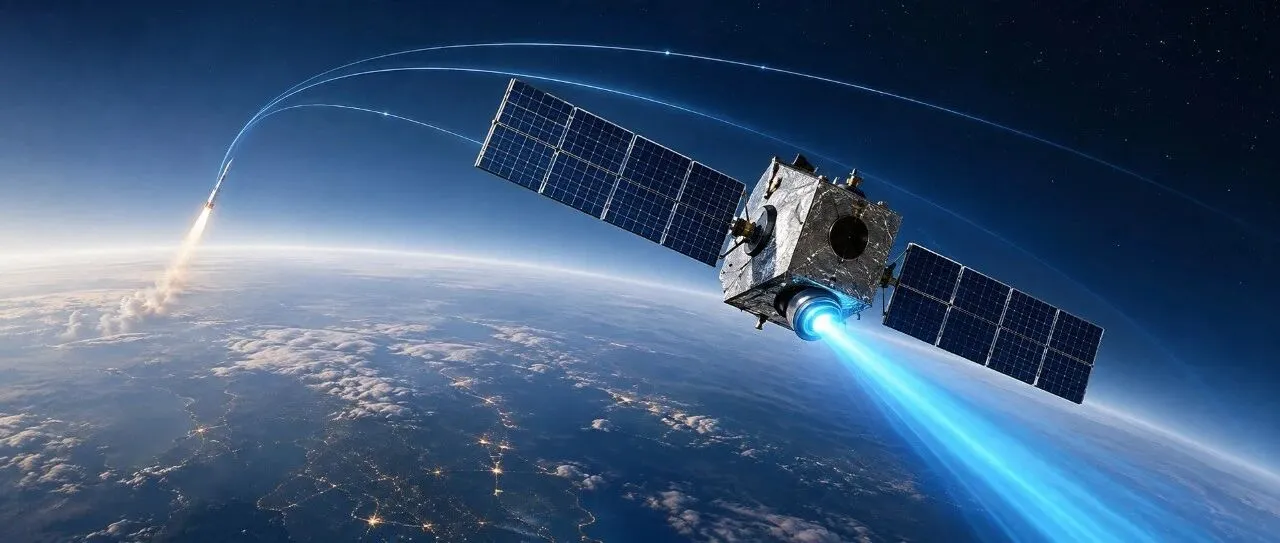
After the Rocket: How Electric Propulsion Moves Satellites
A successful rocket launch is followed by satellite separation. At this point, many people assume the mission is essentially complete: the rocket has delivered the satellite into space, and the satellite only needs to power on and begin operations. However, for many low Earth orbit (LEO) constellation missions, the orbit delivered by the rocket is…
-
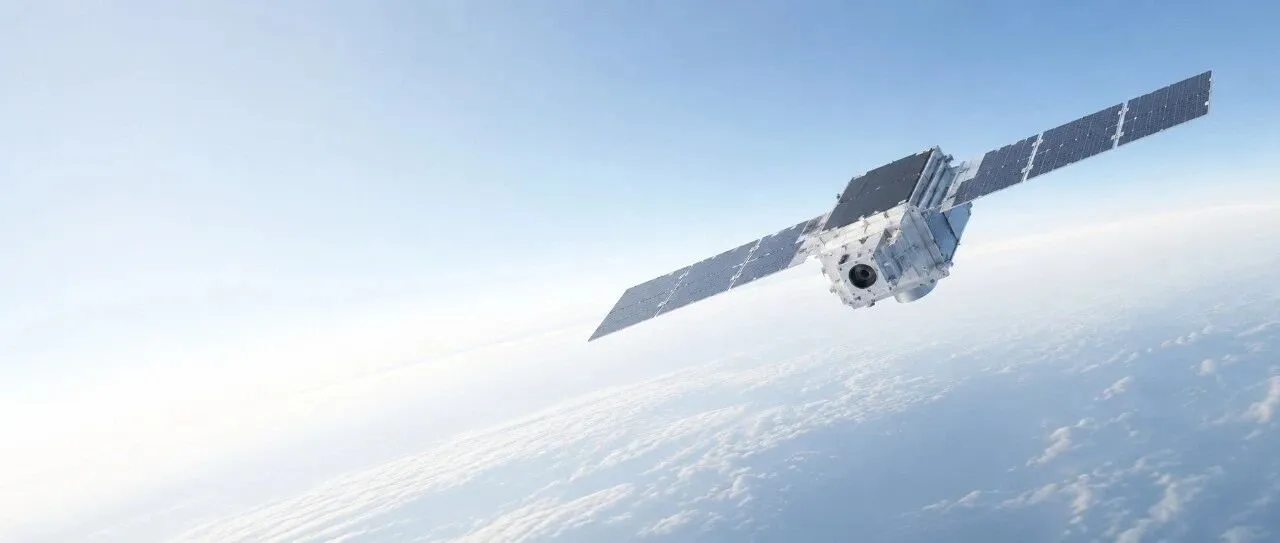
How Low Can Satellites Fly? New Opportunities in VLEO and the Companies Already Moving In
Very low Earth orbit, or VLEO, is not a new type of orbital geometry. It is simply the lower portion of low Earth orbit, where satellites fly closer to Earth and encounter a comparatively denser residual atmosphere. Commercial space companies are paying renewed attention to this regime for a straightforward reason: Earth observation satellites can…
-
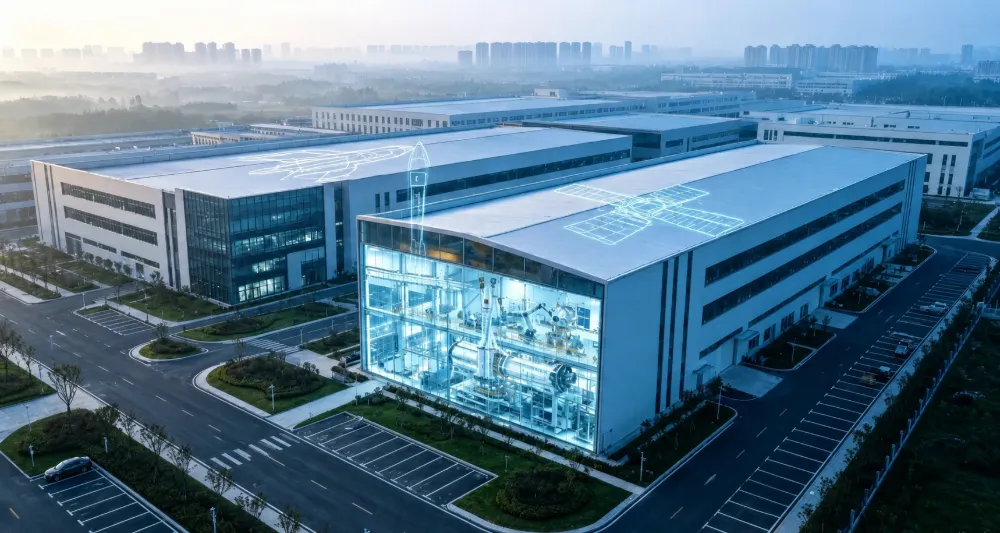
RMB 3.8 Billion Investment Planned as Western China’s “Rocket and Satellite” Twin Super Factories Move Toward Tender Stage
According to information released on August 24 by the Shaanxi Provincial Public Resources Trading Center, two wholly owned subsidiaries of Western Aerospace Technology (Shaanxi) Group — Western Satellite Technology (Shaanxi) Co., Ltd. and Western Launch Vehicle Technology (Shaanxi) Co., Ltd. — have disclosed construction tender plans for a satellite super factory and a rocket super…