
Tag: satellites
-
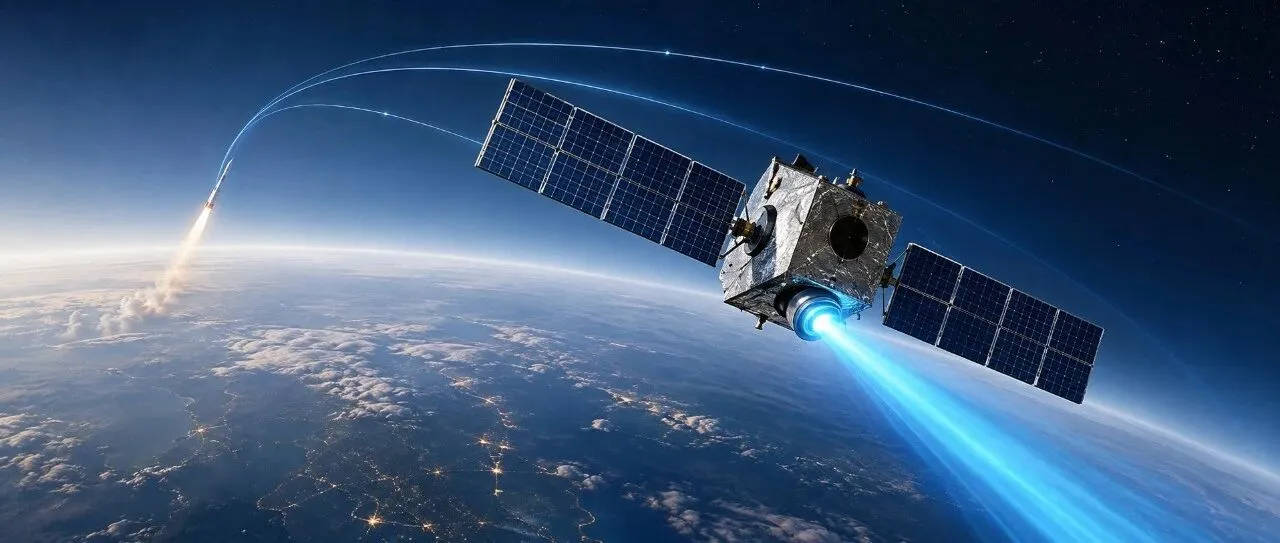
After the Rocket: How Electric Propulsion Moves Satellites
A successful rocket launch is followed by satellite separation. At this point, many people assume the mission is essentially complete: the rocket has delivered the satellite into space, and the satellite only needs to power on and begin operations. However, for many low Earth orbit (LEO) constellation missions, the orbit delivered by the rocket is…
-
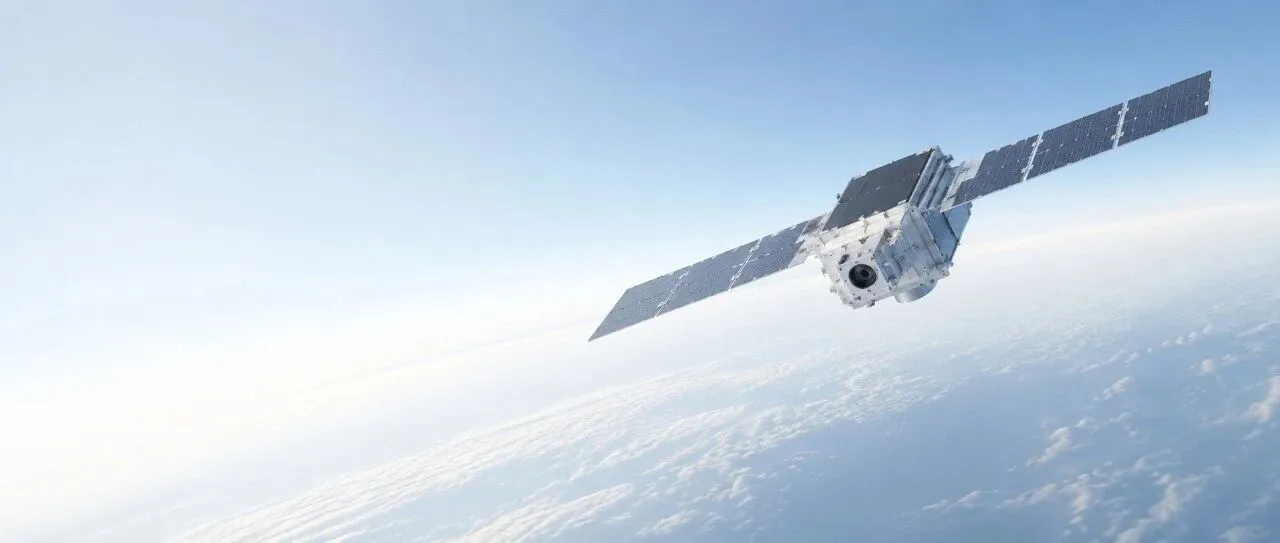
How Low Can Satellites Fly? New Opportunities in VLEO and the Companies Already Moving In
Very low Earth orbit, or VLEO, is not a new type of orbital geometry. It is simply the lower portion of low Earth orbit, where satellites fly closer to Earth and encounter a comparatively denser residual atmosphere. Commercial space companies are paying renewed attention to this regime for a straightforward reason: Earth observation satellites can…
-

RMB 3.8 Billion Investment Planned as Western China’s “Rocket and Satellite” Twin Super Factories Move Toward Tender Stage
According to information released on August 24 by the Shaanxi Provincial Public Resources Trading Center, two wholly owned subsidiaries of Western Aerospace Technology (Shaanxi) Group — Western Satellite Technology (Shaanxi) Co., Ltd. and Western Launch Vehicle Technology (Shaanxi) Co., Ltd. — have disclosed construction tender plans for a satellite super factory and a rocket super…
-
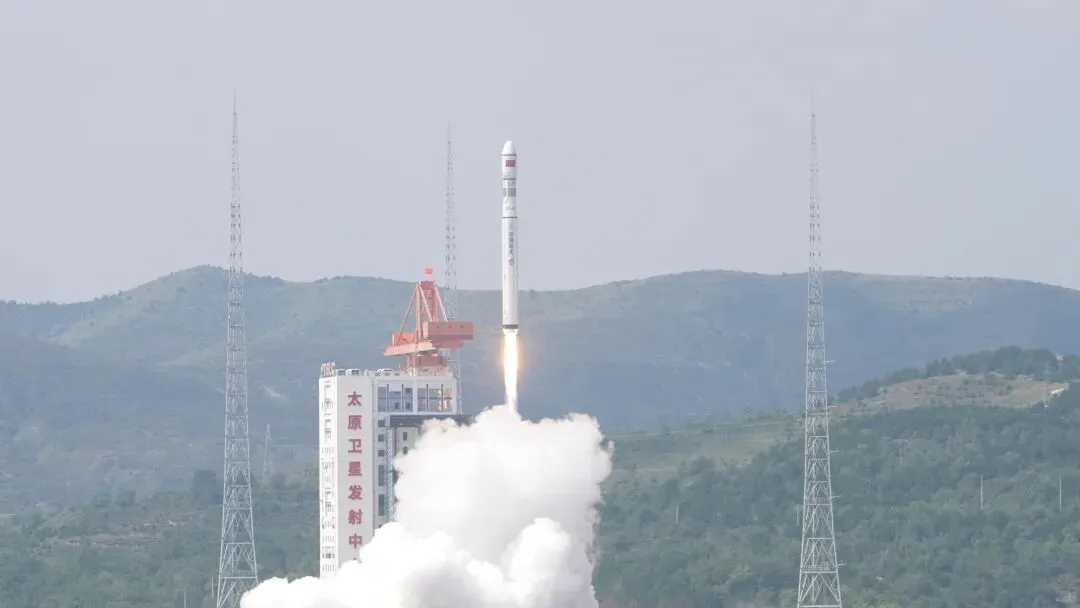
China Launches Seven Satellites on One Rocket, Including Thai CubeSat
At 11:21 a.m. Beijing Time on August 25, a Long March 6C carrier rocket lifted off from the Taiyuan Satellite Launch Center, successfully placing seven satellites into their designated orbits. The payloads included AIRSAT-14, AIRSAT-15, GISTDA CubeSat 1, Muduo-1A, Muduo-1B, Jing’an Dream Satellite and Bayi-04. The launch marked the 665th flight of China’s Long March…
-
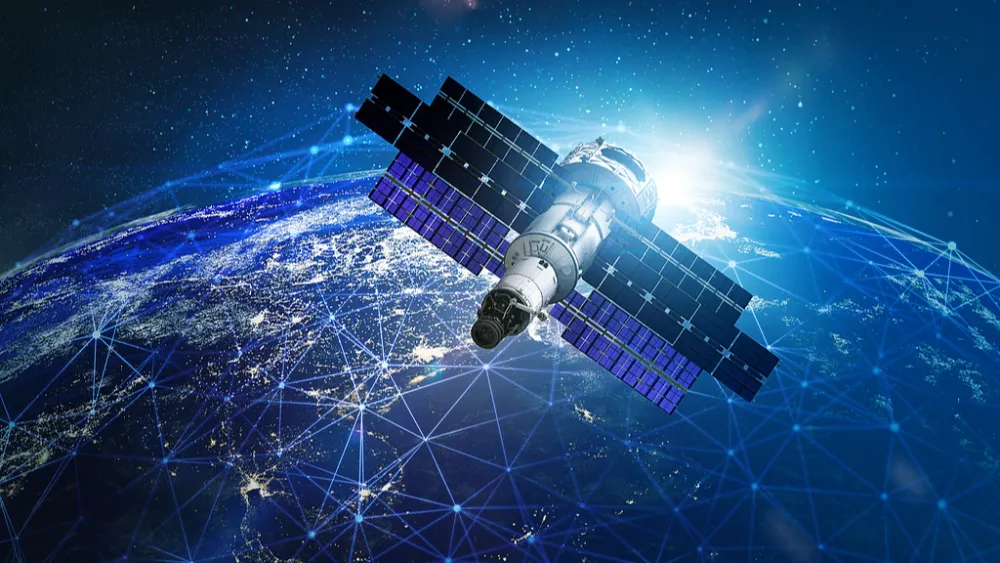
Why Is China Going to Such Lengths to Send Computing Power into Space?
China is working to give satellites an additional “brain” by combining artificial intelligence and onboard computing with traditional space capabilities. The objective is not simply to process data in orbit, but eventually to enable autonomous spacecraft, robotic servicing and the construction of large-scale computing infrastructure and human bases in space. What Is Space-Based Computing? Space-based…
-
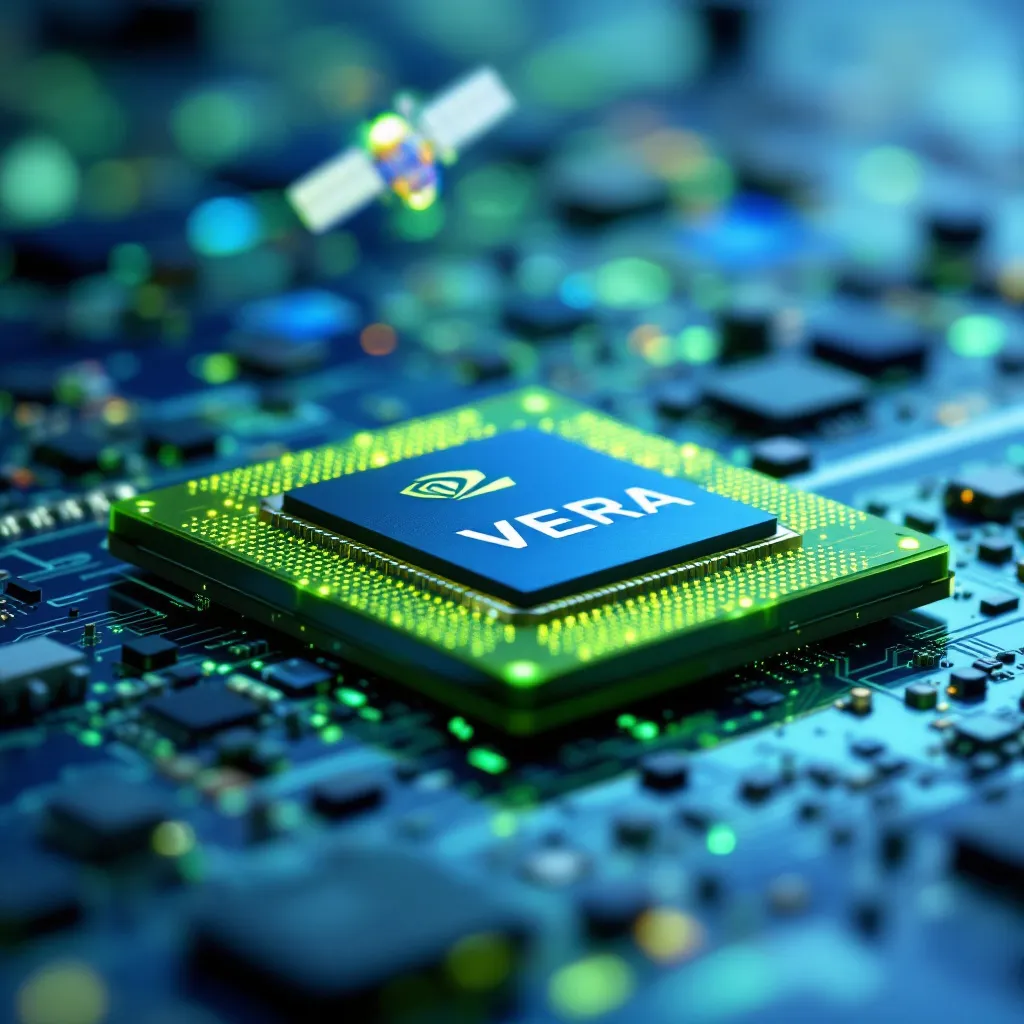
SpaceXAI Selects Nvidia Vera CPUs to Power Agentic AI on Earth and Future Orbital Computing Systems
SpaceXAI has selected Nvidia’s Vera CPU architecture and the broader Vera Rubin platform to support its next-generation agentic artificial intelligence infrastructure, marking a significant expansion of the partnership between Elon Musk’s AI ambitions and Nvidia’s rapidly growing AI computing ecosystem. The announcement positions Nvidia’s first CPU specifically designed for AI agents at the center of…
-
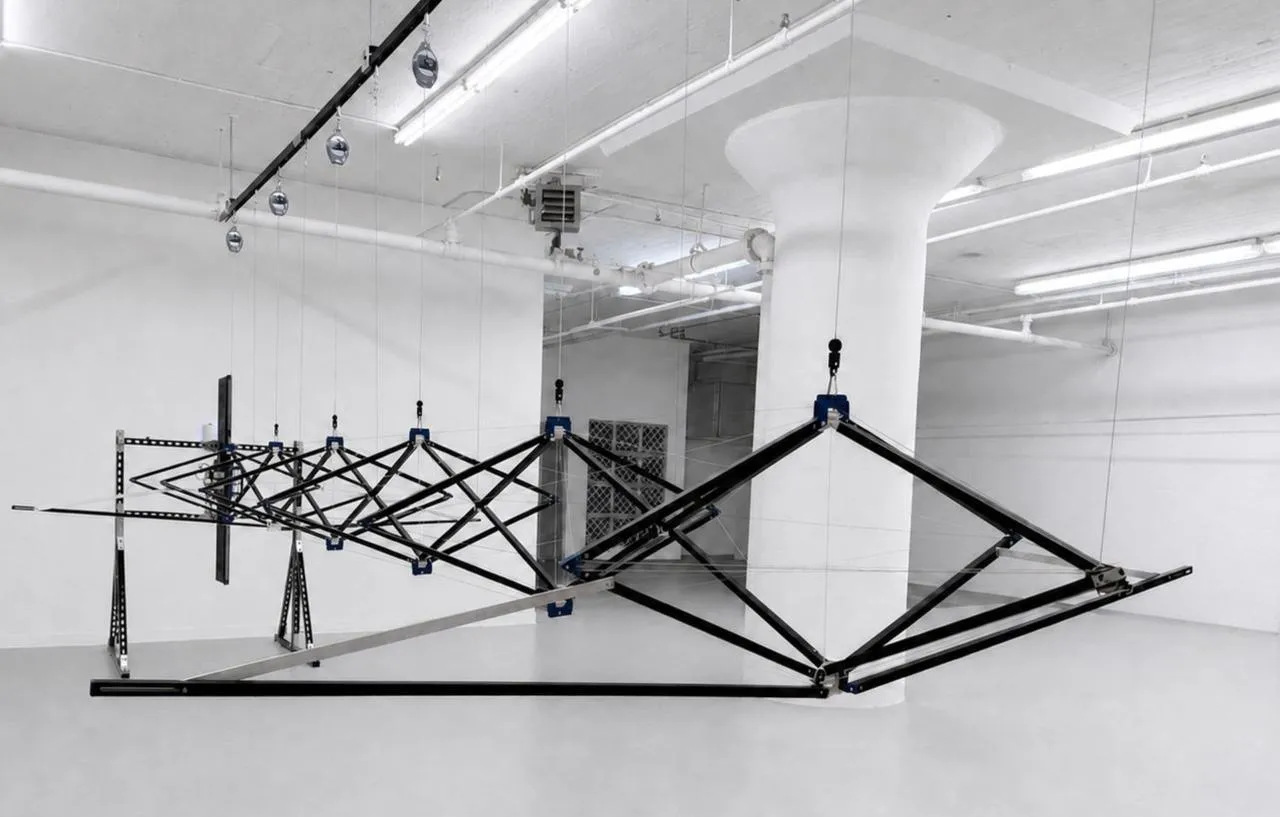
Beyond Reach Unveils FlareWing Deployable Structures to Bring High-Power Capability to Small Satellites
A new generation of space infrastructure—from commercial space stations to orbital data centers and lunar systems—is driving demand for spacecraft capable of generating far more electrical power than traditional small satellites can provide. Seeking to address that challenge, Beyond Reach Technologies has introduced FlareWing, a family of deployable structural systems designed to dramatically increase the…
-
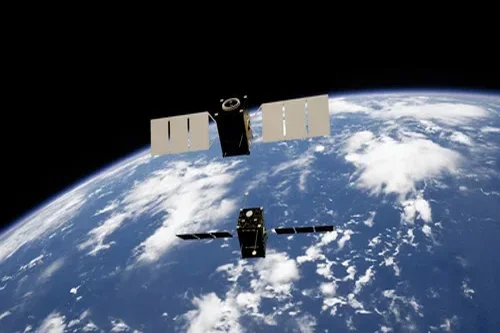
How Brutal Is a Satellite Launch? G-Loads, Vibration, Shock, Noise and Vacuum Explained
A satellite is often treated as an exceptionally delicate object on the ground: temperature and humidity are tightly controlled in cleanrooms, lifting speeds are limited, connectors are fitted with protective caps, and optical surfaces cannot be exposed casually. But once sealed inside a payload fairing, it must endure engine ignition, liftoff, transonic flight, maximum dynamic…
-
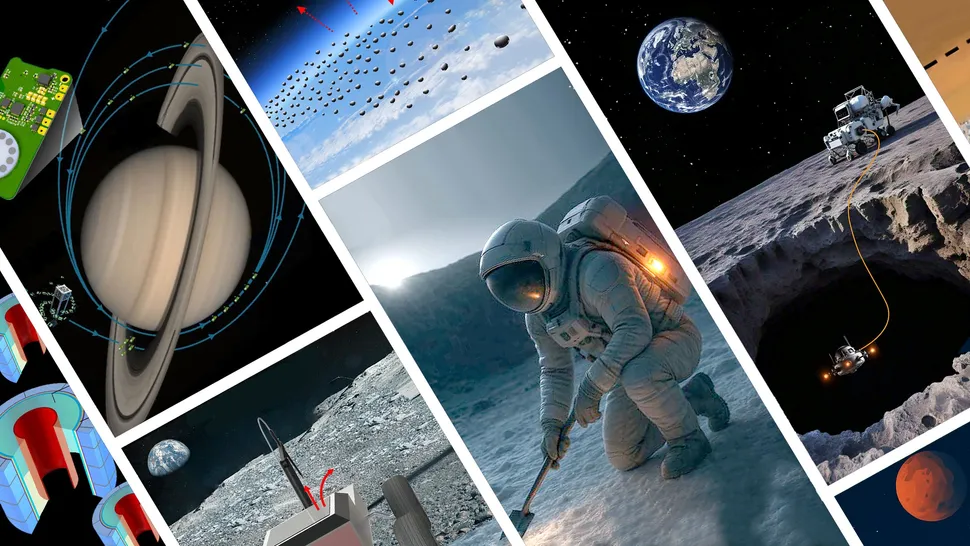
NASA Backs 18 Visionary Space Concepts, Including a Swarm of 10,000 Femtosatellites for Saturn Exploration
NASA has selected 18 early-stage technology concepts for funding under its 2026 NASA Innovative Advanced Concepts (NIAC) program, supporting a diverse portfolio of futuristic ideas ranging from lunar cave exploration and Venus-hardened spacecraft to a proposed fleet of 10,000 miniature satellites designed to probe Saturn’s rings. The agency announced on July 29 that the 18…
-

SpaceWERX Backs 11 Space Startups in $562.5 Million Push Toward Operational Fielding
SpaceWERX, the innovation arm of the U.S. Space Force, has selected 11 companies for a new round of Strategic Funding Increase, or STRATFI, agreements intended to move space technologies beyond prototype development and toward operational military use. The agreements are expected to mobilize a combined $562.5 million from government organizations, private investors and other matching…