
Tag: Space-Based Computing
-
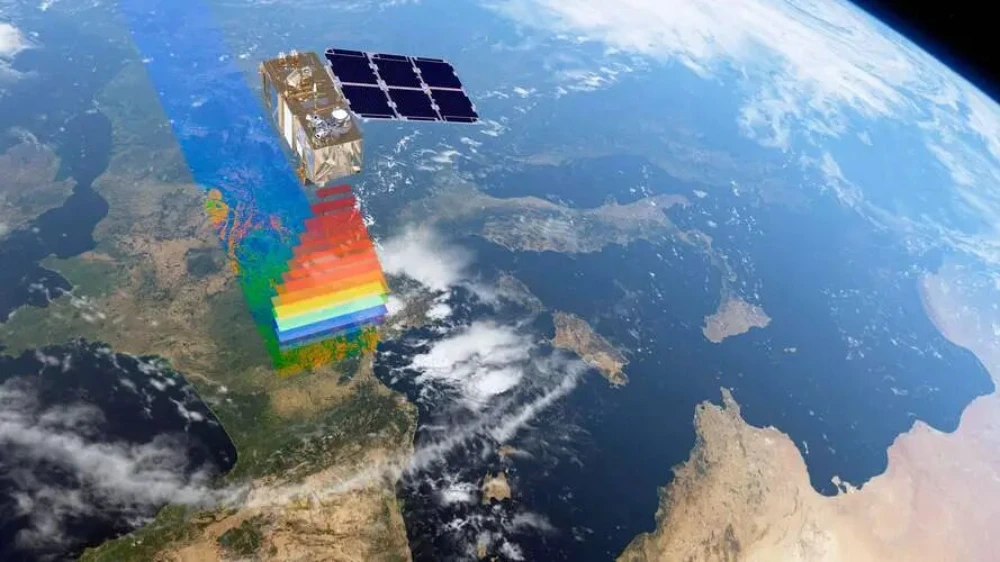
From Imaging to Intelligence: How Smart Remote-Sensing Satellites Are Changing the Market
Several smart remote-sensing satellites have recently been launched in China and other countries, entering a rapidly expanding applications market and attracting growing industry attention. But what does it mean for a remote-sensing satellite to become “smart”? What benefits could onboard intelligence provide, and how might it help satellite operators reach new markets and deliver services…
-
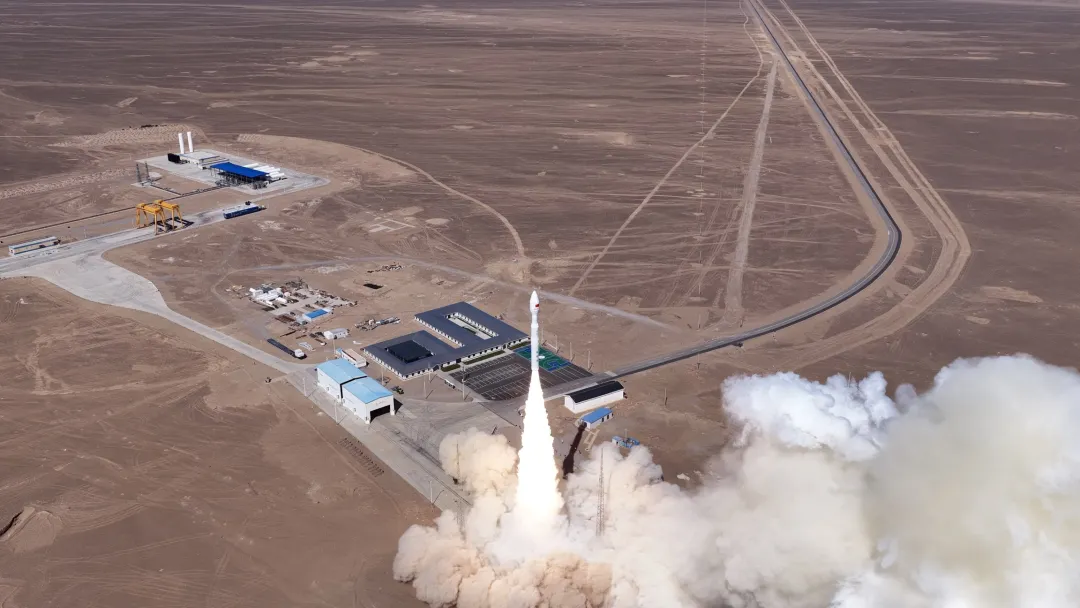
China Launches Nine Satellites on Kinetica 1, Including Orbital AI and 5G Testbeds
China launched nine satellites aboard a Kinetica 1 Y18 rocket from the Dongfeng Commercial Space Innovation Pilot Zone at 12:03 p.m. Beijing Time on September 20, 2026. The satellites entered their planned orbits, marking the 16th flight of the Kinetica 1 launch vehicle. The mission carried the Qinling-01 and Qinling-02 satellites, Pujiang-4, PEGA-SUS1, Diting-01 Group…
-
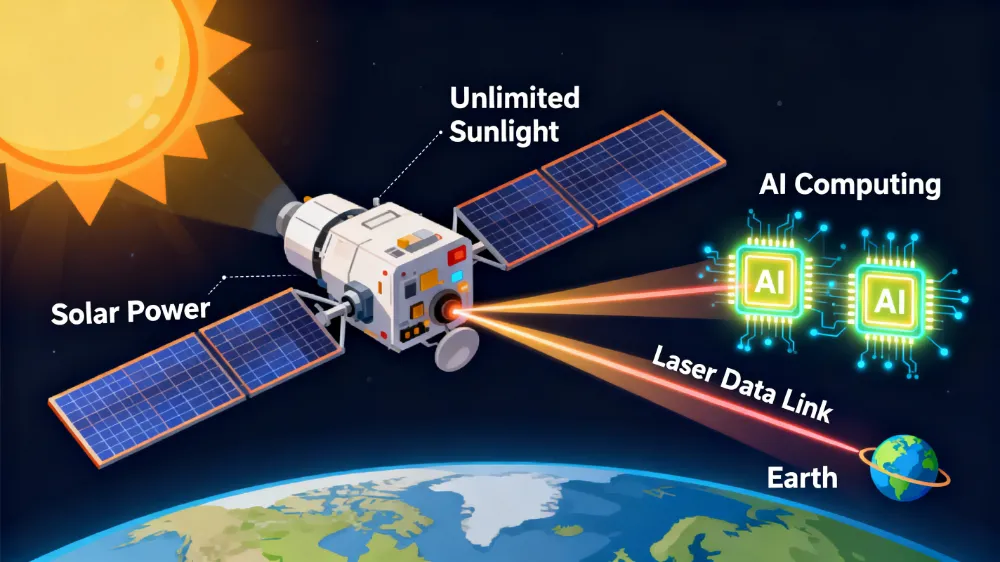
Commercial Space: China’s Domestic Chips Are Winning This Space Race
Ground-based AI chips are a game built around Nvidia’s CUDA ecosystem, and any challenger must contend with developer ecosystems, compute benchmarks and framework compatibility. But in space, an opportunity has emerged to reshuffle the AI compute chip landscape — the competitive dynamics of space-based computing differ from those on the ground, and Nvidia holds no…
-
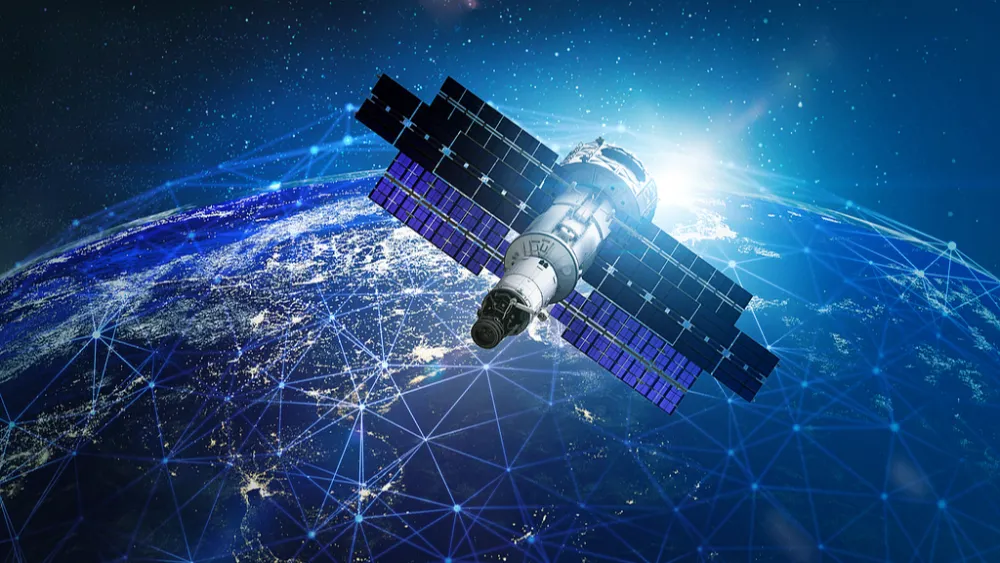
Why Is China Going to Such Lengths to Send Computing Power into Space?
China is working to give satellites an additional “brain” by combining artificial intelligence and onboard computing with traditional space capabilities. The objective is not simply to process data in orbit, but eventually to enable autonomous spacecraft, robotic servicing and the construction of large-scale computing infrastructure and human bases in space. What Is Space-Based Computing? Space-based…
-
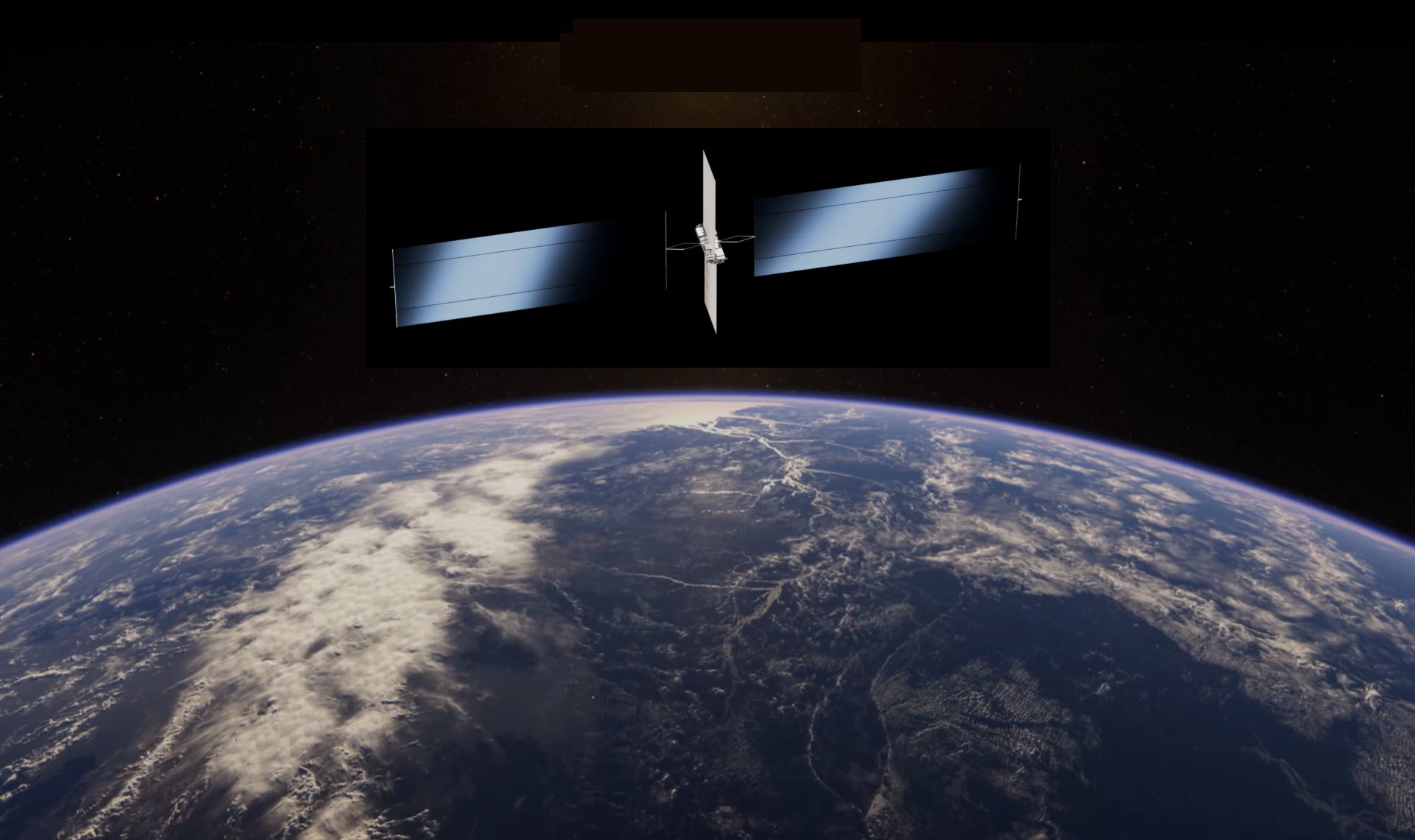
SpaceX Unveils AI1 Orbital Computing Satellite Ahead of Planned IPO
SpaceX has revealed plans for a new satellite designed to function as a data center in orbit, marking a significant expansion beyond the company’s traditional focus on communications and launch services. The spacecraft, called AI1, is intended to serve as the first generation of a future constellation of computing satellites capable of processing artificial intelligence…