
Tag: space computing
-
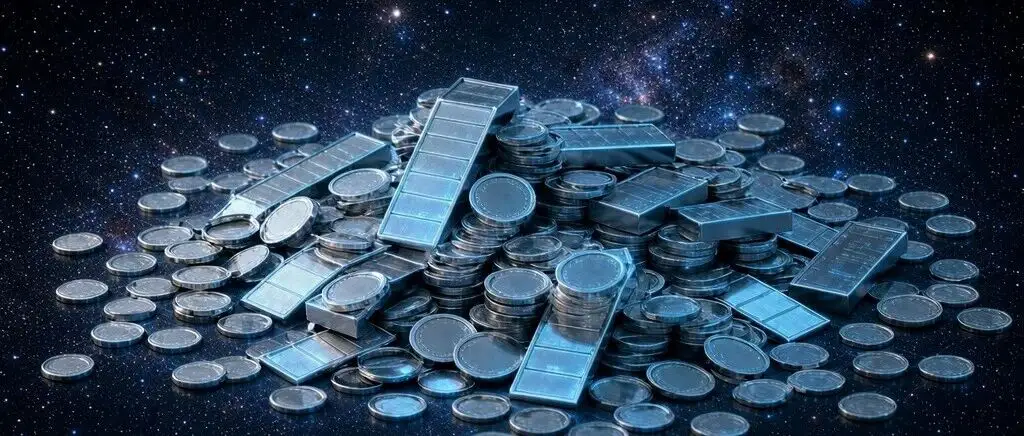
A Cloud Provider in Orbit: How Is Space Computing Priced?
Whether an industry can survive over the long term comes down to one question: Who keeps paying for it? Space computing has three potential revenue models, each with a parallel in the evolution of cloud providers. Model One: Selling Data—The “Selling Produce” Business The most established model is also the most straightforward: package processed results…
-

Onboard Intelligence, Space Data Processing in Orbit and Earth Data Processing in Orbit: Which Will Succeed First?
Space computing covers three distinct approaches: satellites that process their own observations, constellations that share computing tasks in orbit, and orbital infrastructure designed to handle workloads originating on Earth. They share a label, but their technical requirements and commercial readiness differ substantially. This lesson maps out the three approaches, making it easier to understand where…
-
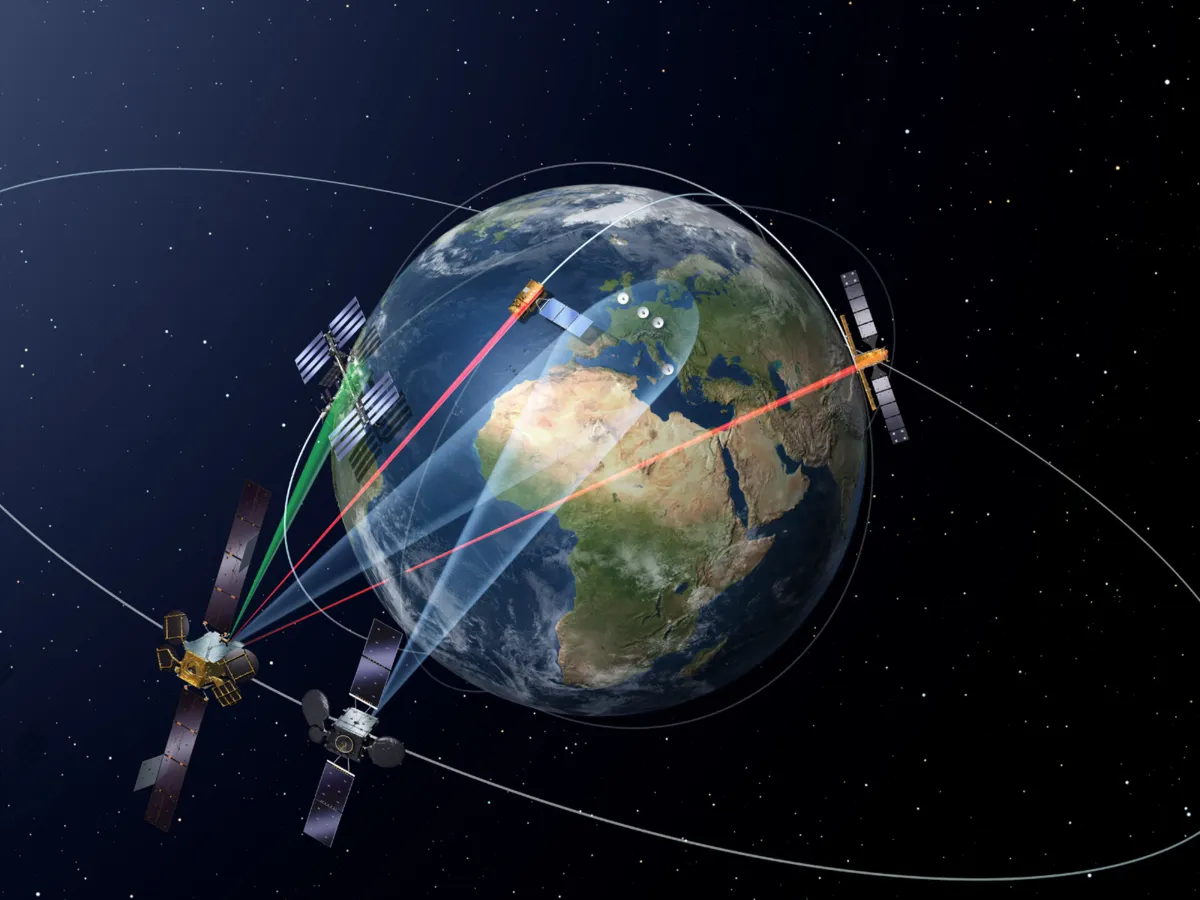
How Does Satellite Imagery Become Intelligence?
Think of a satellite as a courier collecting packages. But what happens after collection? Between a satellite pressing its “shutter” and a wildfire alert, flood map or vessel track appearing on your phone, how many steps does the data go through? Let’s unpack the entire data pipeline. The Traditional Pipeline: Shipping Every Ingredient Back to…
-

Two Paths to Reliable Space Computing
One approach relies on BAE Systems’ RAD750 family: expensive radiation-hardened processors with a long record of service on deep-space missions. The other uses commercial processors backed by redundant computers and fault-tolerant software, as demonstrated by SpaceX. The question is not simply which technology is more advanced. These approaches reflect two different ways of paying for…
-

Xiopm SPACE’s Qin Jing: What Is the Real Commercial Value of Space-Based Computing?
In 2026, space-based computing emerged as a major new direction for the commercial space industry. What problems is it meant to solve, and where is the industry heading? Hello Space has launched the Space-Based Computing Interview Series, speaking with leading Chinese companies to examine the real progress being made in this emerging field. Our guest…
-
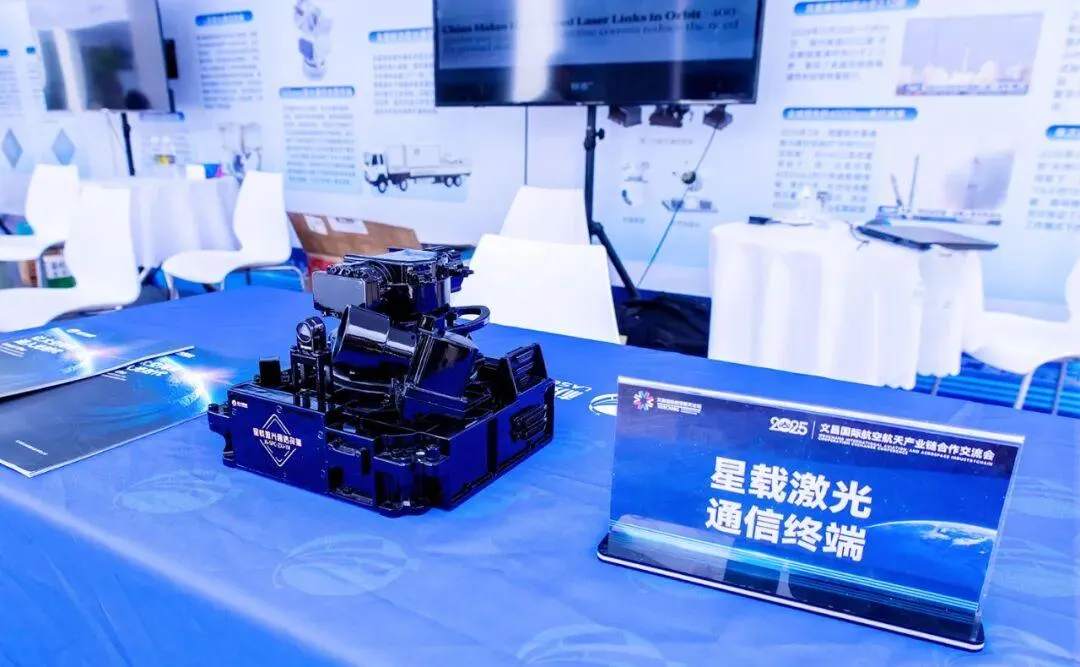
Seven Chinese Private Companies Building the Optical Backbone for Satellite Networks
China’s commercial space sector is moving satellite laser communications from isolated technology demonstrations toward multi-satellite networking and batch production. Recent milestones include a 400Gbps intersatellite transmission, 11 optical links connecting a 12-satellite space-computing cluster, and a bidirectional gigabit-class laser link between the ground and a geostationary satellite more than 40,000 kilometers away. Laser communications can…
-
Behind a Funding Round of More Than RMB 500 Million: How Far Has China’s Space Laser Communications Industry Come?
HiStarlink recently announced the completion of a Series A2 funding round worth more than RMB 500 million, bringing its total financing this year to over RMB 700 million. Since the beginning of 2026, the laser communications sector has recorded at least one financing event every month except May. HiStarlink, Laser Link, Laser Starcom and other…
-

What Imaging Capabilities Does Commercial Earth Observation Need in the AI Era?
In the era of AI in space, customers are not simply purchasing an image. What they truly need is timely, comprehensive information about where an event is occurring, how quickly it is changing, and how far its effects extend. As commercial Earth observation evolves from data products toward decision-support services, pricing is no longer determined…
-
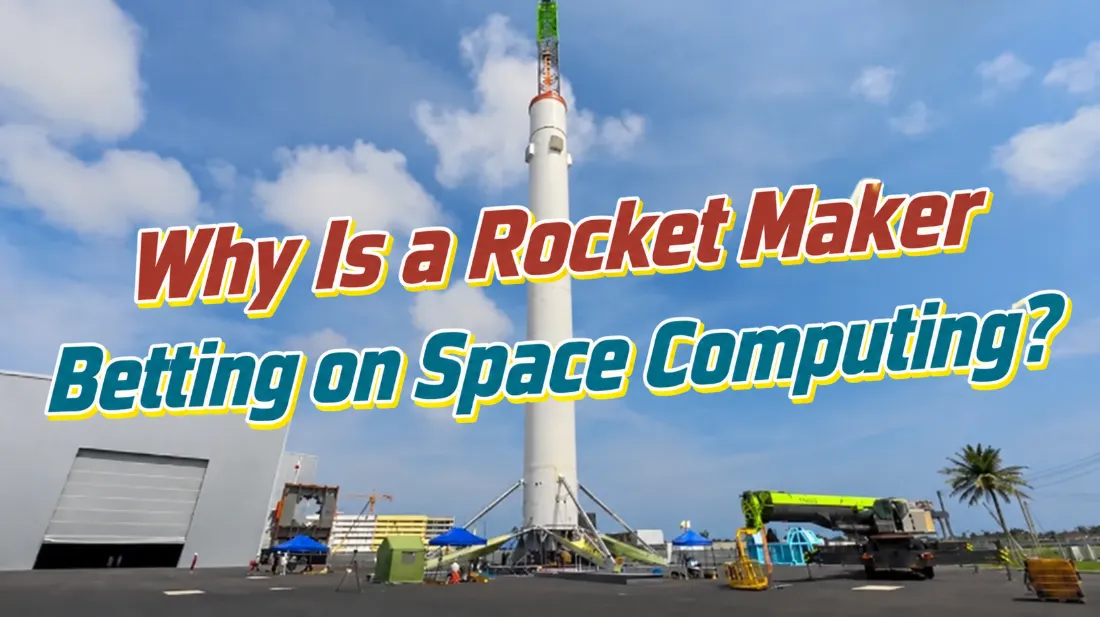
i-Space’s Xie Hongjun: Why Is a Rocket Company Moving Into Space Computing?
In 2026, space computing emerged as an important new frontier in commercial space. What problems is it intended to solve, and where is the industry heading? Hello Space has launched its Space Computing Interview Series, speaking with leading Chinese players to examine the real progress being made in this emerging sector. Our guest in this…
-
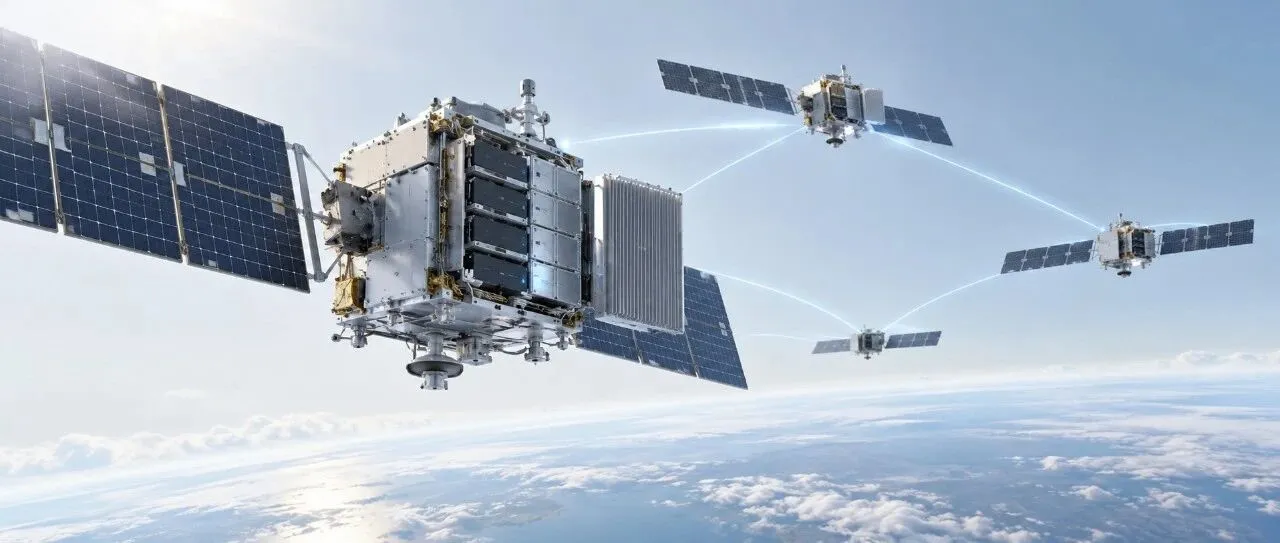
In the Age of Space Computing, Why Is Energy Both the First Opportunity and the First Barrier?
On the ground, when computing capacity falls short, more servers can be added, the grid can supply more electricity, and additional cooling towers can be built. In orbit, however, there are no power outlets and no air to carry heat away. Every model inference, image-processing operation and inter-satellite data exchange ultimately becomes two things: electricity…