
Tag: space computing
-
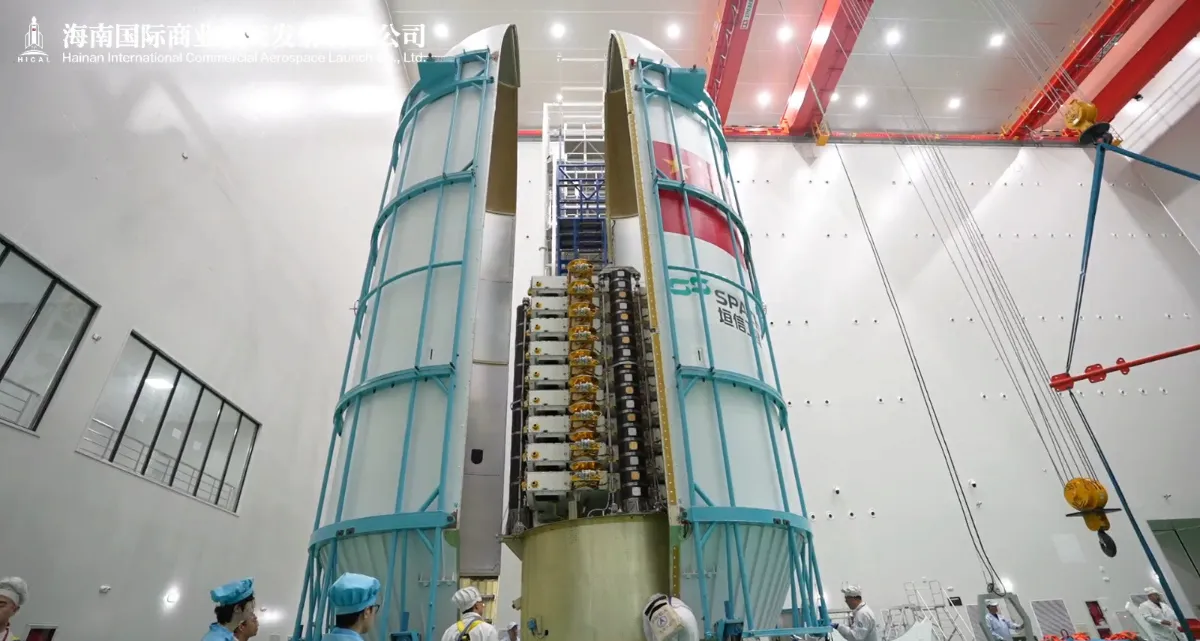
Shanghai Targets 3,000 Satellites by 2030 as SpaceX Pursues Million-Satellite AI Network
Shanghai is putting space-based computing on its industrial policy agenda, targeting more than 3,000 satellites in orbit and a satellite internet core industry worth over RMB 80 billion by 2030. Separately, the Xingshu project has outlined plans for a 1,000-satellite computing network by 2032. A Roadmap for Satellite Internet and Space-Based Computing The 2026 Satellite…
-
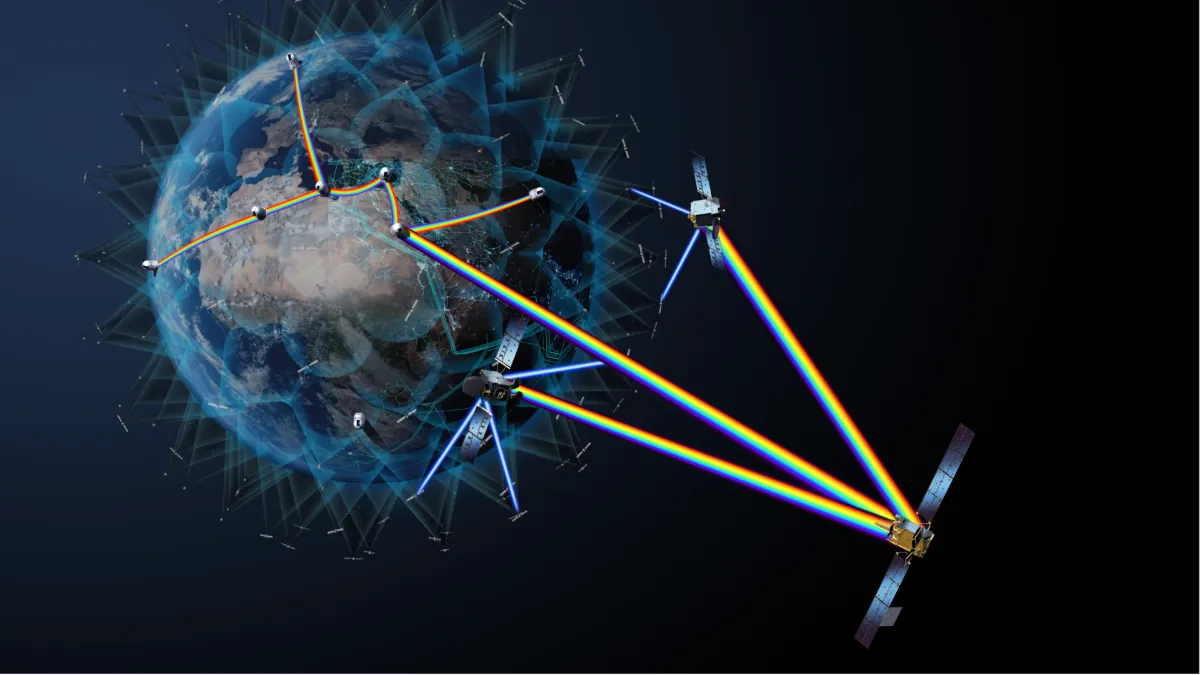
Constellation Routing: Why Satellite Networks Need a Navigation App
“With lasers connecting satellites and ground stations providing access, isn’t the network already connected?” The reality is more complicated. Low Earth orbit satellites travel at more than 7 kilometers per second, while connections change, switch or become unavailable. A data packet moving through dozens of satellites and ground stations must find a route that works…
-
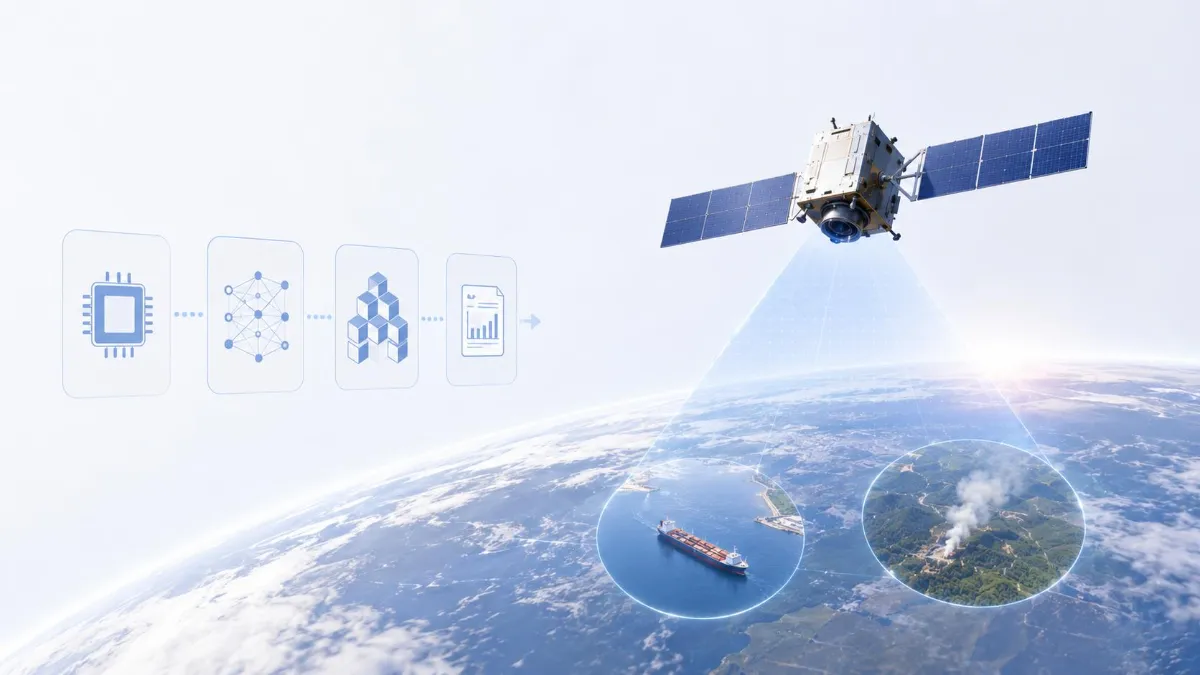
From Sending Data to Delivering Answers: How AI Lets Satellites Process Observations in Orbit
A wildfire breaks out, and a satellite hundreds of kilometers above Earth captures a clear view of the blaze. Under the conventional workflow, the imagery must wait for a ground-station contact window, be downloaded and processed at a data center, and finally reach the incident commander. That process can take days. By then, the fire…
-
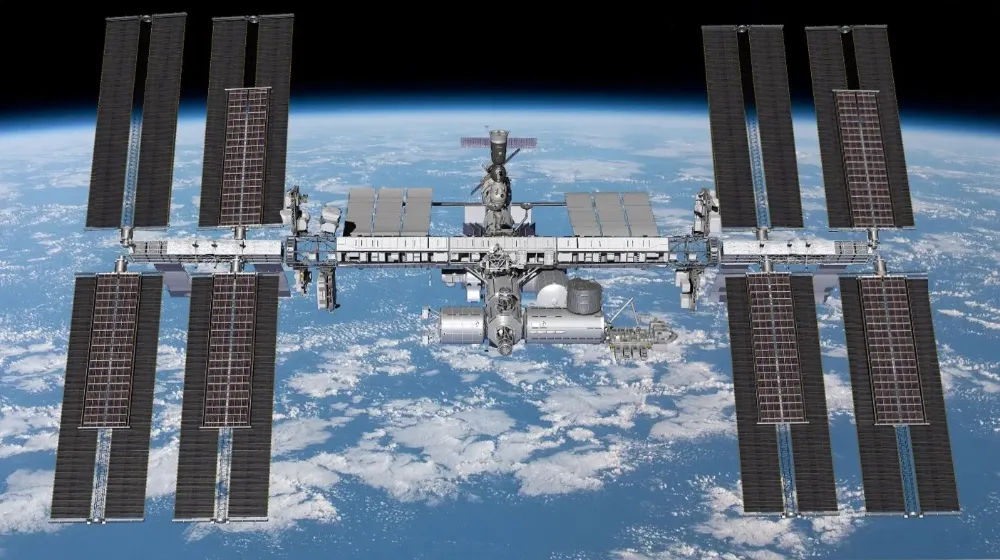
Powering Orbital Computing: From Watts to Megawatts
If chips are the bricks and data centers are the buildings, power is one of the essential utilities that makes them work. Computing ultimately comes down to watts: keeping a 700-watt GPU running in orbit requires an entire engineering system, from solar-array orientation and battery chemistry to bus voltage. Moving from watts to megawatts means…
-
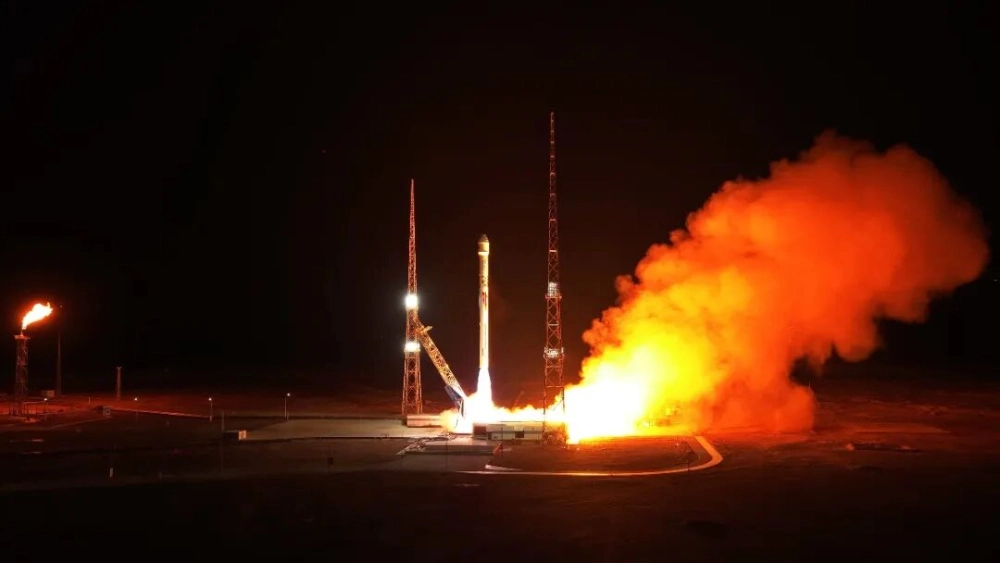
Zhuque 2E Launches 10 Satellites on Zhuque 2 Series’ 10th Flight (Video)
LandSpace launched its Zhuque-2E Y4 rocket from the Dongfeng Commercial Space Innovation Pilot Zone at the Jiuquan Satellite Launch Center at 11:40 UTC on October 14, 2026, deploying 10 satellites into their planned orbits. The rideshare mission carried eight ADA Space computing satellites and two laser data-transmission test satellites, marking the 10th flight of the…
-
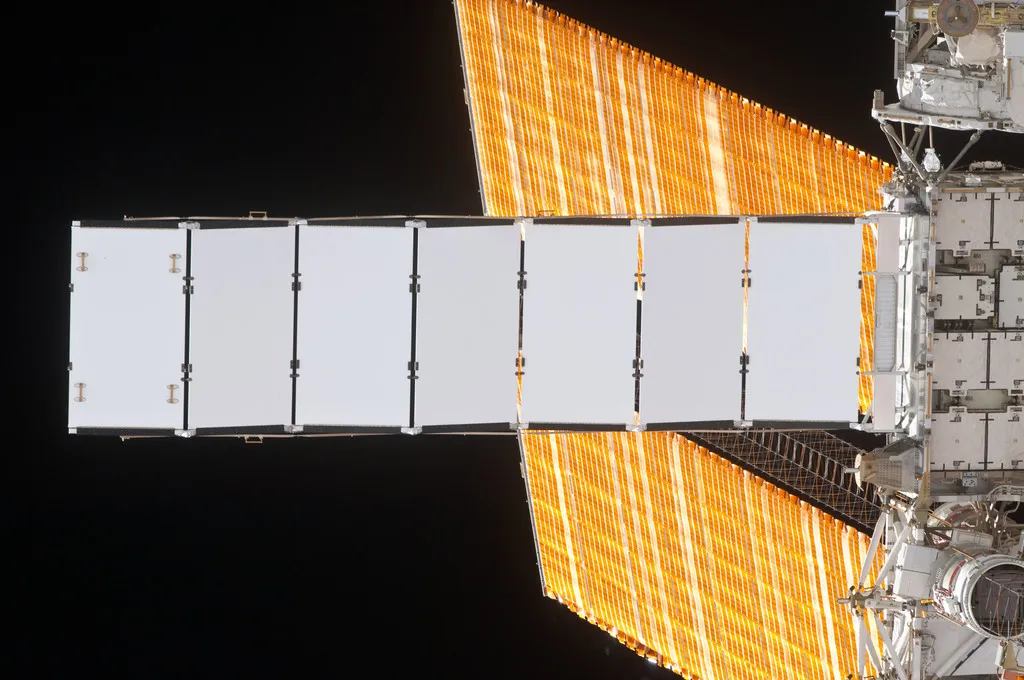
New Computing Satellites Reach Orbit. Is Thermal Control the Next Major Opportunity—and Challenge?
From chip hotspots to continuous heat rejection, how computing workloads are changing satellite thermal requirements. On October 14, 2026, a Zhuque-2E Y4 launch vehicle placed 10 satellites into their intended orbits. Eight belong to Group 02 of Adaspace’s Xingsuan space-computing program.[1][2] According to company information reported by People’s Daily Online, the satellites will test computing…
-
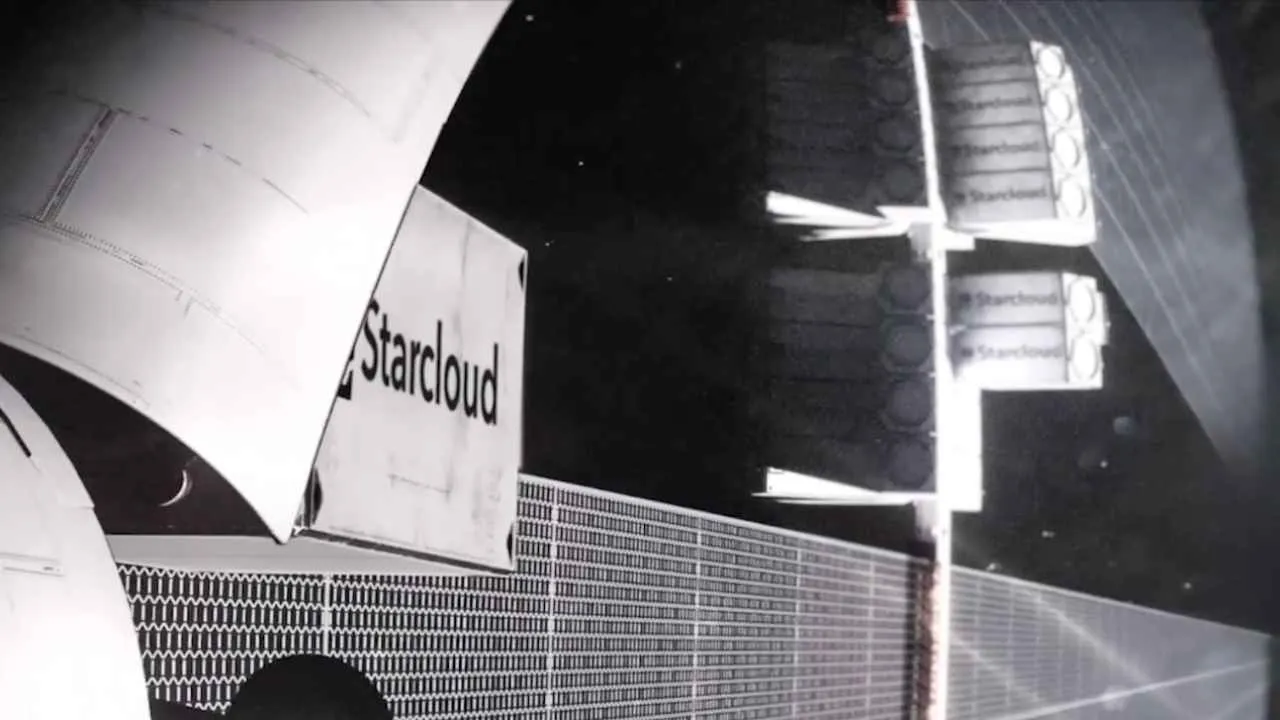
From Server Racks to Constellation-Scale Computing Networks
Launch costs and heat rejection are two of the biggest expenses facing orbital data centers. At the engineering level, the challenge comes down to four interconnected questions: how to power an orbital server rack, remove its waste heat, keep it operating through faults, and schedule workloads when that rack becomes a network of 100 or…
-
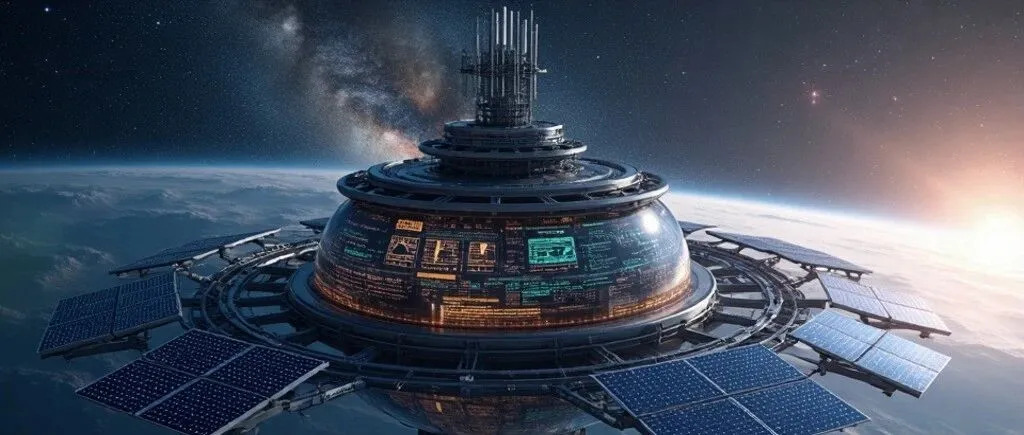
Orbital Data Centers: The Economics of Moving Computing Into Space
Moving a data center into space sounds like science fiction. But by 2026, a satellite carrying an NVIDIA H100 GPU has already trained an AI model in orbit, and investors have valued the company behind it at $2.3 billion. This article examines the accounting: where revenue comes from, where costs accumulate, and what it would…
-
Can Satellites Crash? Software and Updates in Orbit
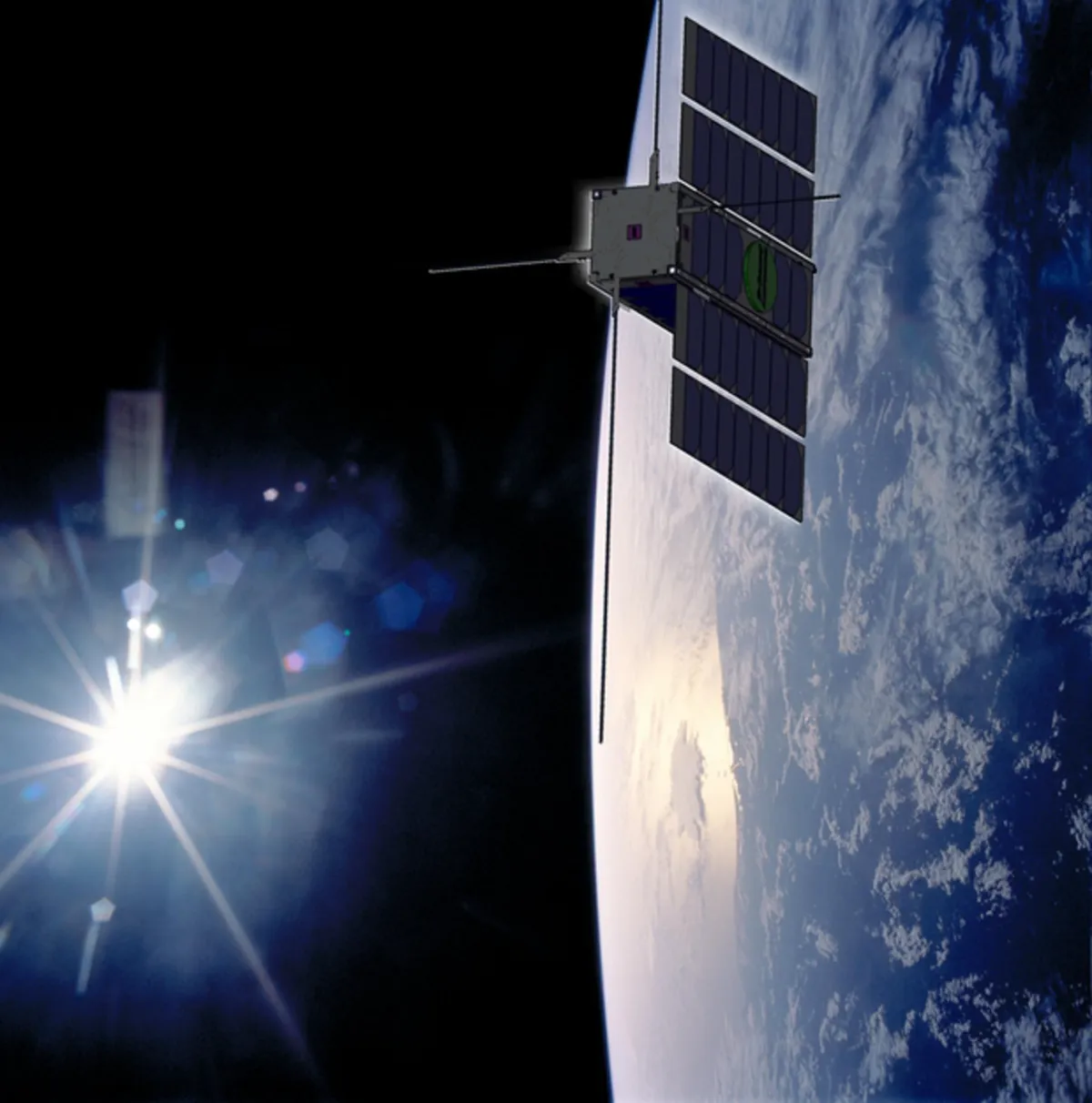
When an expensive AI server in a ground-based data center develops a bug, engineers can usually reboot it remotely. But put that server in orbit, 400 kilometers above Earth, circling the planet roughly every 90 minutes—and who handles the restart? Difference One: Software Needs Armor If an app crashes on Earth, you can usually just…
-
How Much Does a Satellite Constellation Really Cost? Calculating Its Full Lifecycle Cost
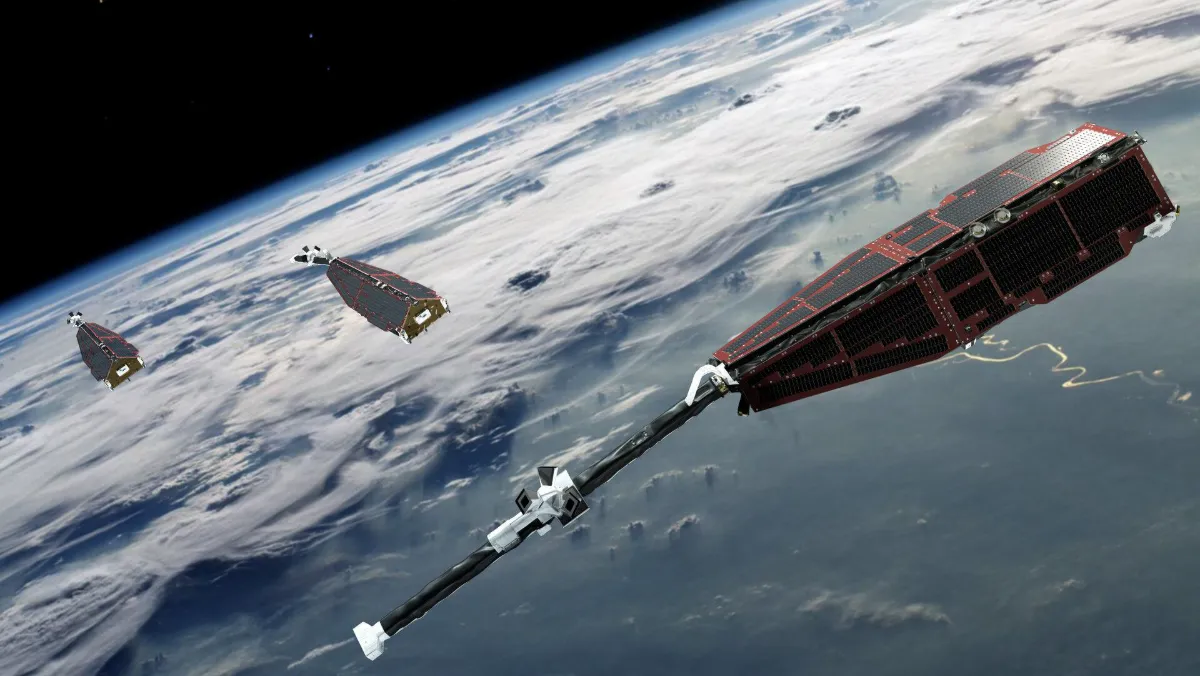
Constellation announcements often promise billions in investment, but rarely explain where the money goes. To understand the economics of space computing, we need to break down five costs across a computing satellite’s life, from development to disposal. The exercise reveals why companies in this industry need to understand both aerospace engineering and cost accounting. 1.…