
Tag: Space
-

Why Is China Going to Such Lengths to Send Computing Power into Space?
China is working to give satellites an additional “brain” by combining artificial intelligence and onboard computing with traditional space capabilities. The objective is not simply to process data in orbit, but eventually to enable autonomous spacecraft, robotic servicing and the construction of large-scale computing infrastructure and human bases in space. What Is Space-Based Computing? Space-based…
-
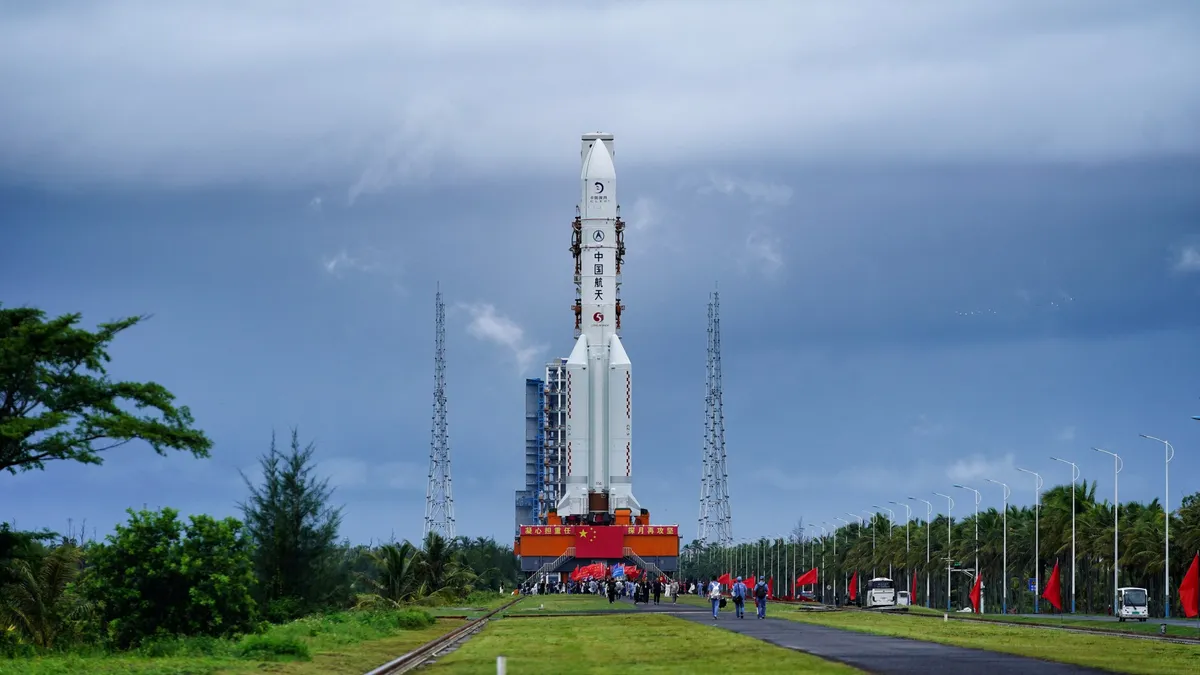
Chang’e-7 Moved to Launch Area, Poised for Lunar Mission
On Aug. 19, Beijing time, the combination of the Chang’e-7 lunar probe and the Long March-5 Y14 carrier rocket successfully completed its vertical transfer at the Wenchang Spacecraft Launch Site and arrived at the launch area, marking the beginning of the mission’s launch countdown. The Chang’e-7 probe arrived in Wenchang in April, followed by the…
-
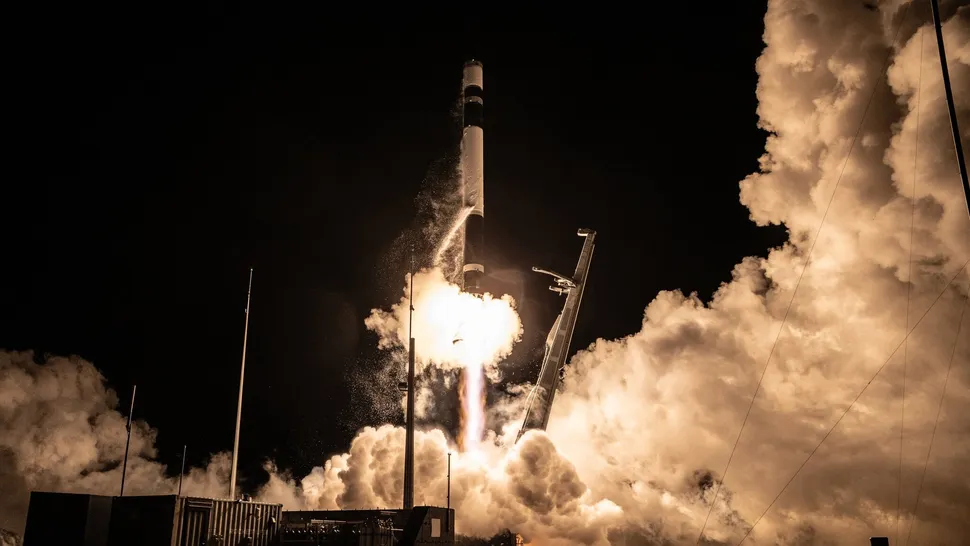
Rocket Lab Targets Ninth iQPS Mission as Japanese SAR Constellation Accelerates Toward Near-Real-Time Earth Observation
Rocket Lab is preparing to launch another Japanese synthetic aperture radar satellite on Aug. 20, adding a new spacecraft to one of the fastest-growing commercial Earth-observation constellations in Asia. The mission, named “The Lightning God Defends,” is scheduled to lift off aboard a Rocket Lab Electron from Launch Complex 1 on New Zealand’s Māhia Peninsula,…
-
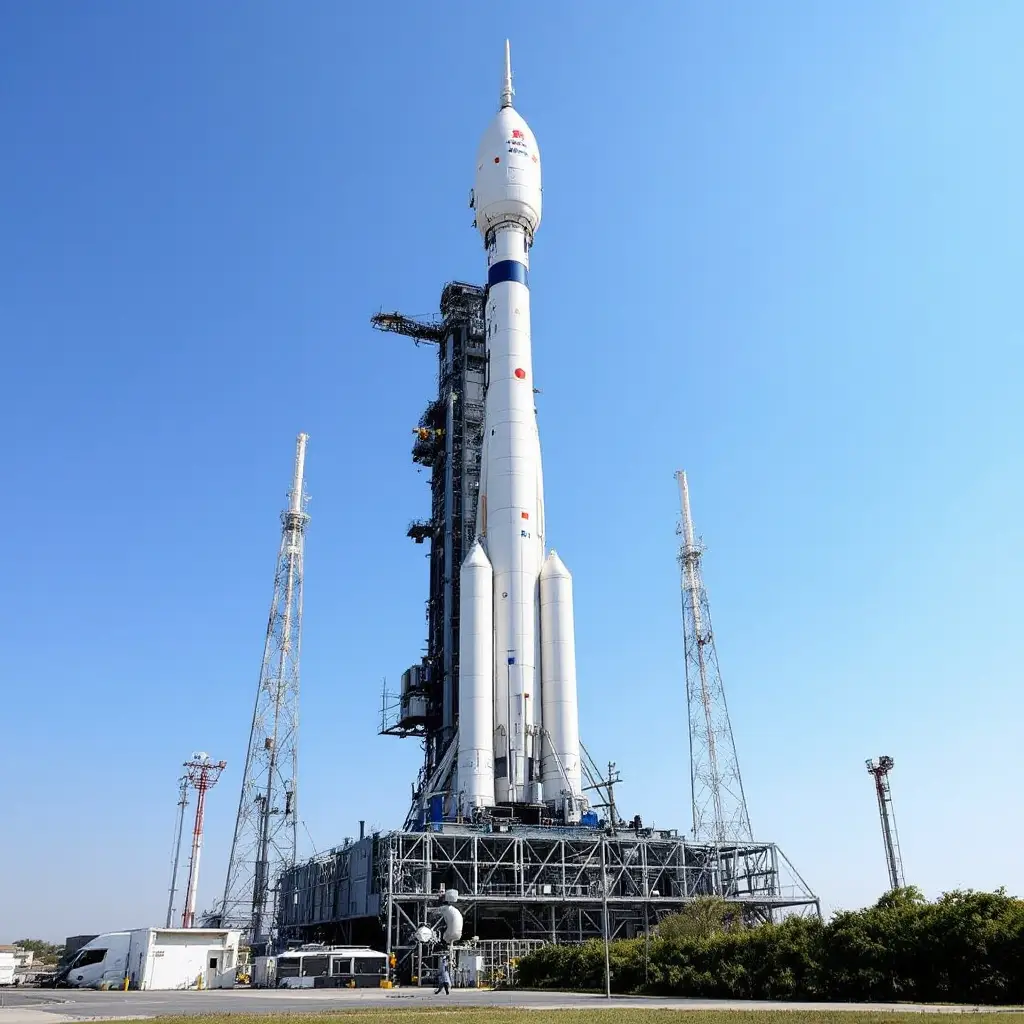
China Moves Chang’e-7 to Launch Pad for High-Stakes Lunar South Pole Mission
China has moved the Chang’e-7 lunar probe and its Long March-5 Y14 rocket to the launch area at the Wenchang Spacecraft Launch Site in Hainan, bringing one of the country’s most ambitious lunar exploration missions to the final stage before liftoff. The vertical transfer took place on Aug. 19, 2026, after the spacecraft and launcher…
-
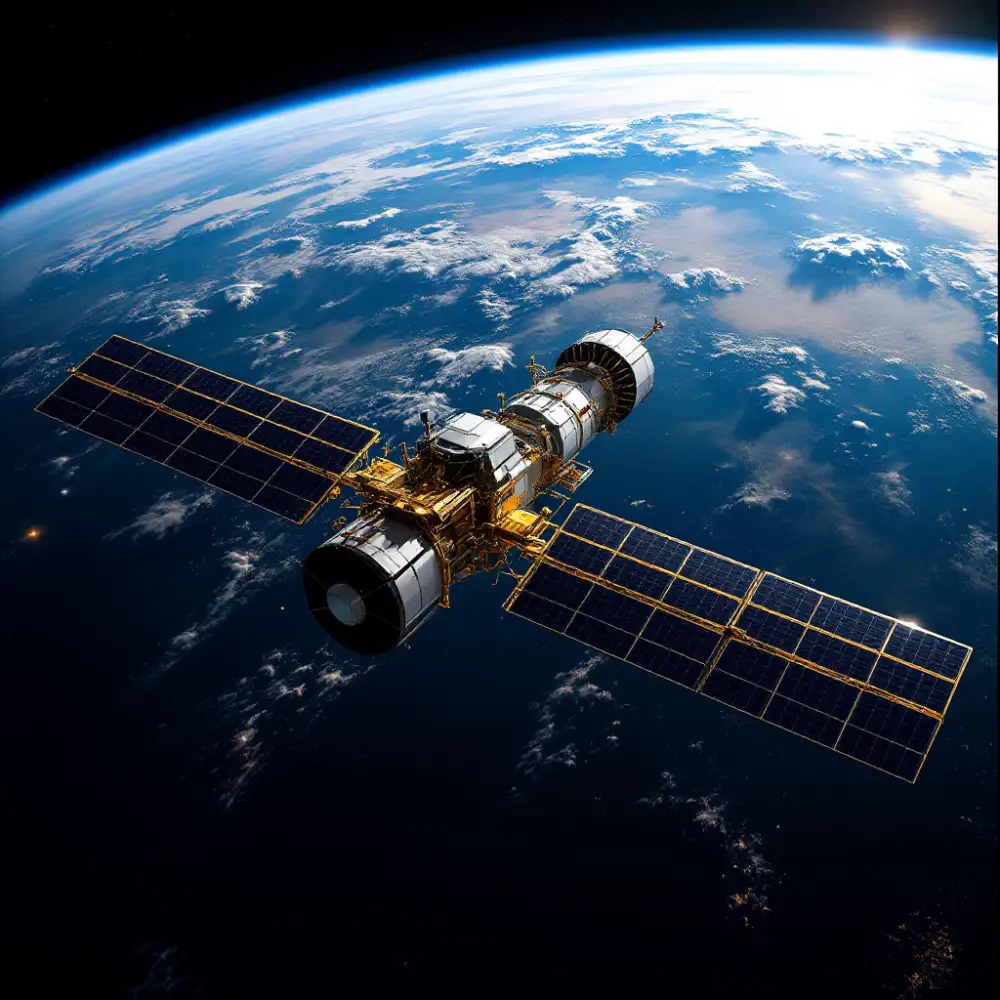
Intuitive Machines’ Maxar Acquisition Gains Momentum With $600 Million Satellite Order and Orbital Data Center Ambitions
Intuitive Machines’ decision to acquire the former Maxar satellite manufacturing business is beginning to look less like a bet on traditional spacecraft production and more like a strategy to build a vertically integrated space infrastructure company. The clearest evidence came in August 2026, when Intuitive Machines disclosed that it had secured a commercial contract worth…
-
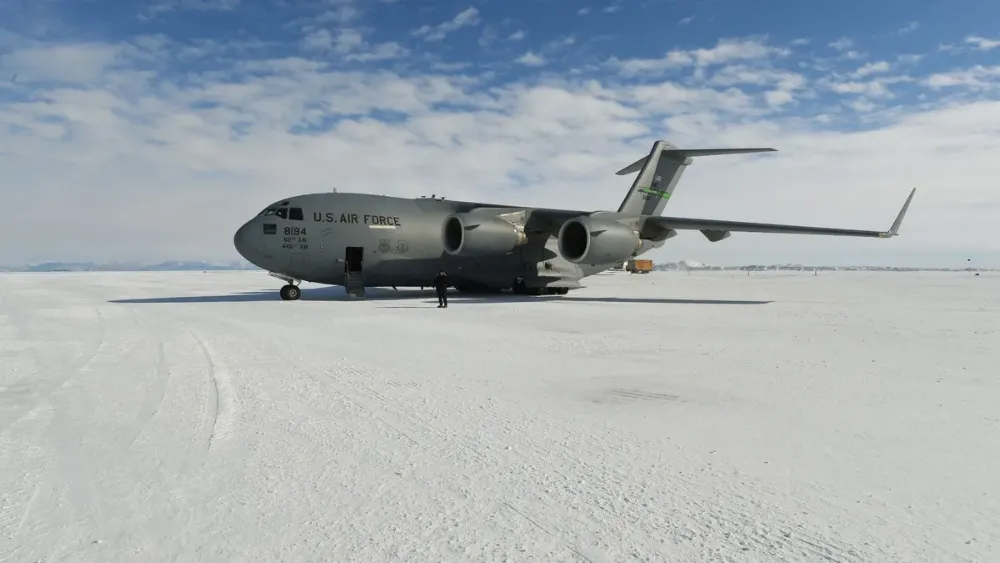
Russian Space Activity Forces U.S. Air Force C-17 to Turn Back From Antarctica
A U.S. Air Force C-17 Globemaster III bound for Antarctica turned around over the Southern Ocean on Aug. 18 after aviation authorities warned of potentially hazardous Russian space activity and possible debris. The incident highlights a growing operational problem for both military and commercial aviation: activity in space can increasingly create hazards hundreds of thousands…
-
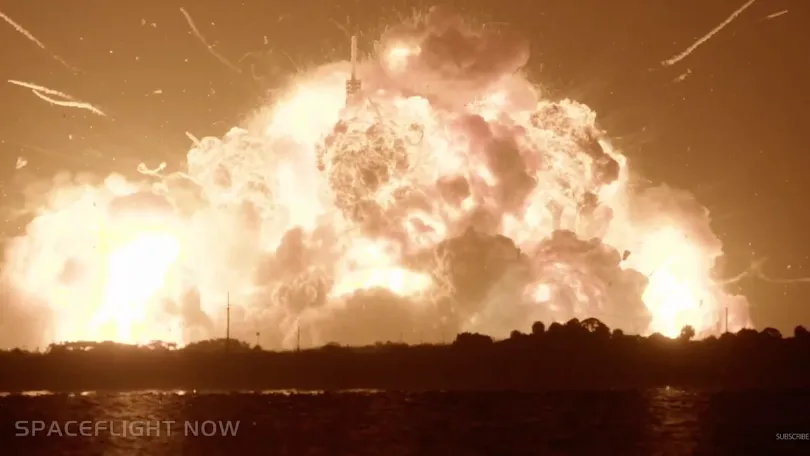
Blue Origin narrowing in on root cause of catastrophic rocket accident
Blue Origin provided its first substantive update this week on the cause of the catastrophic loss of the New Glenn rocket and most of its launch pad infrastructure at Cape Canaveral, Florida, in May. The space company’s chief executive, Dave Limp, said investigative work is continuing into the anomaly that happened during a hot-fire test…
-
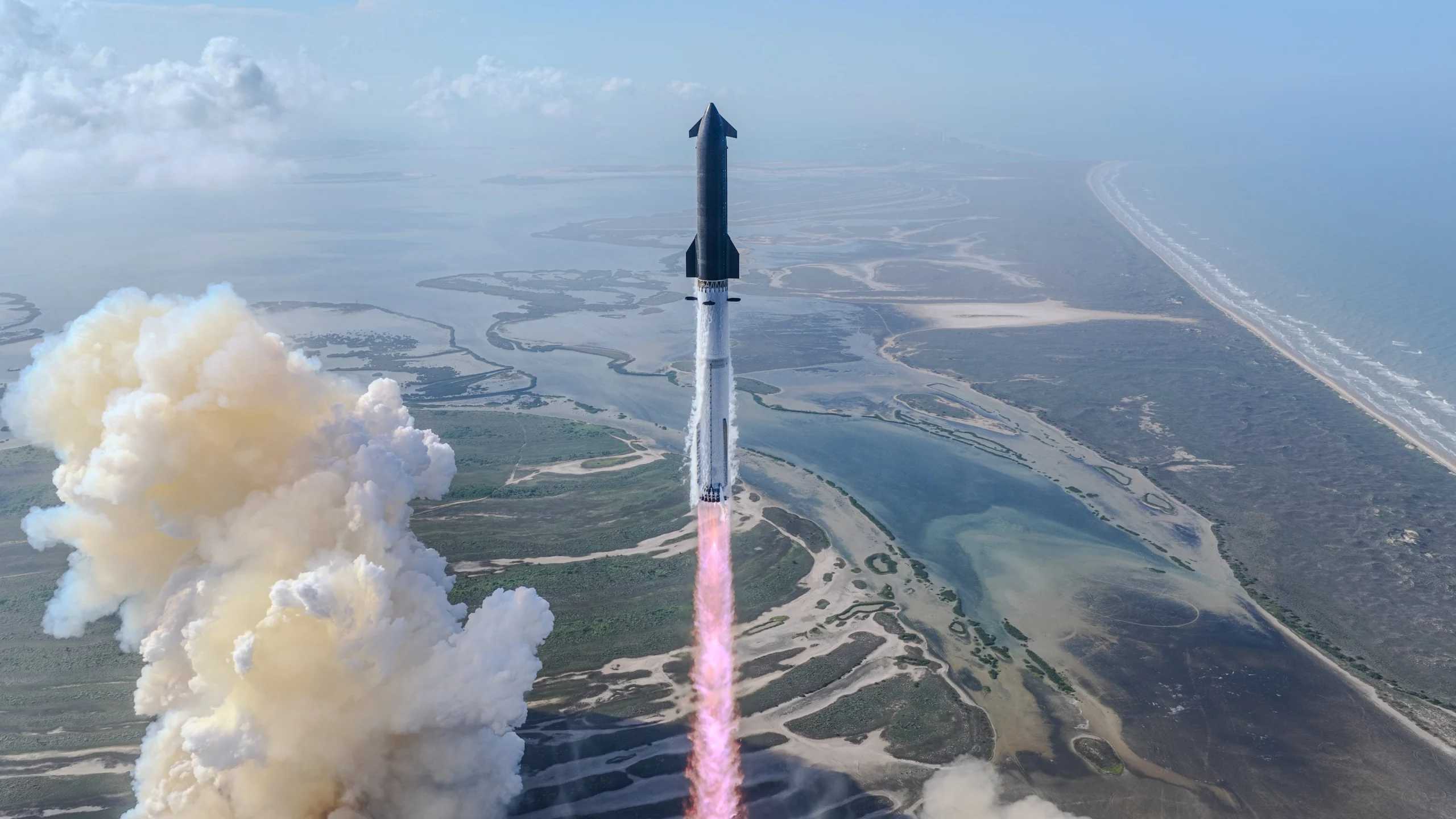
SpaceX is set to acquire 130,000 acres of marshland in southern Louisiana
SpaceX and the state of Louisiana are close to finalizing a deal for the launch company to acquire about 130,000 acres along the northern coast of the Gulf of Mexico. There have been persistent rumors about such an agreement for months, but now The Times-Picayune | The New Orleans Advocate reports that Louisiana Gov. Jeff…
-
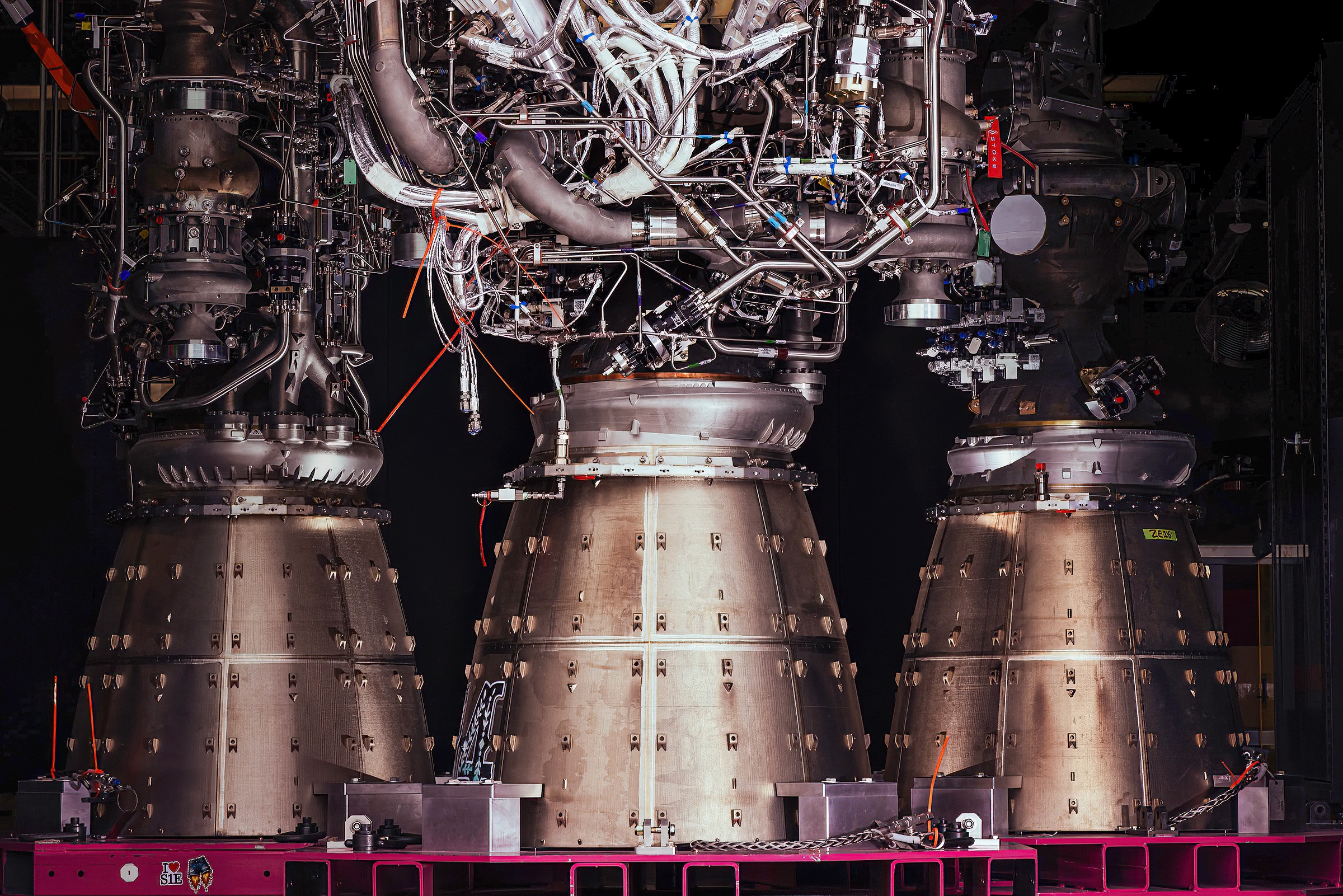
Rocket Report: New launch rule may limit environmental regulations, Falcon 9 to hit Moon
Welcome to Edition 9.05 of the Rocket Report! It was a big week for launch contracts, with both Rocket Lab and SpaceX scoring sizable deals from the US military for their respective Electron and Falcon 9 rockets. The vehicles have been the workhorses for small and medium lift for the United States over the past…
-
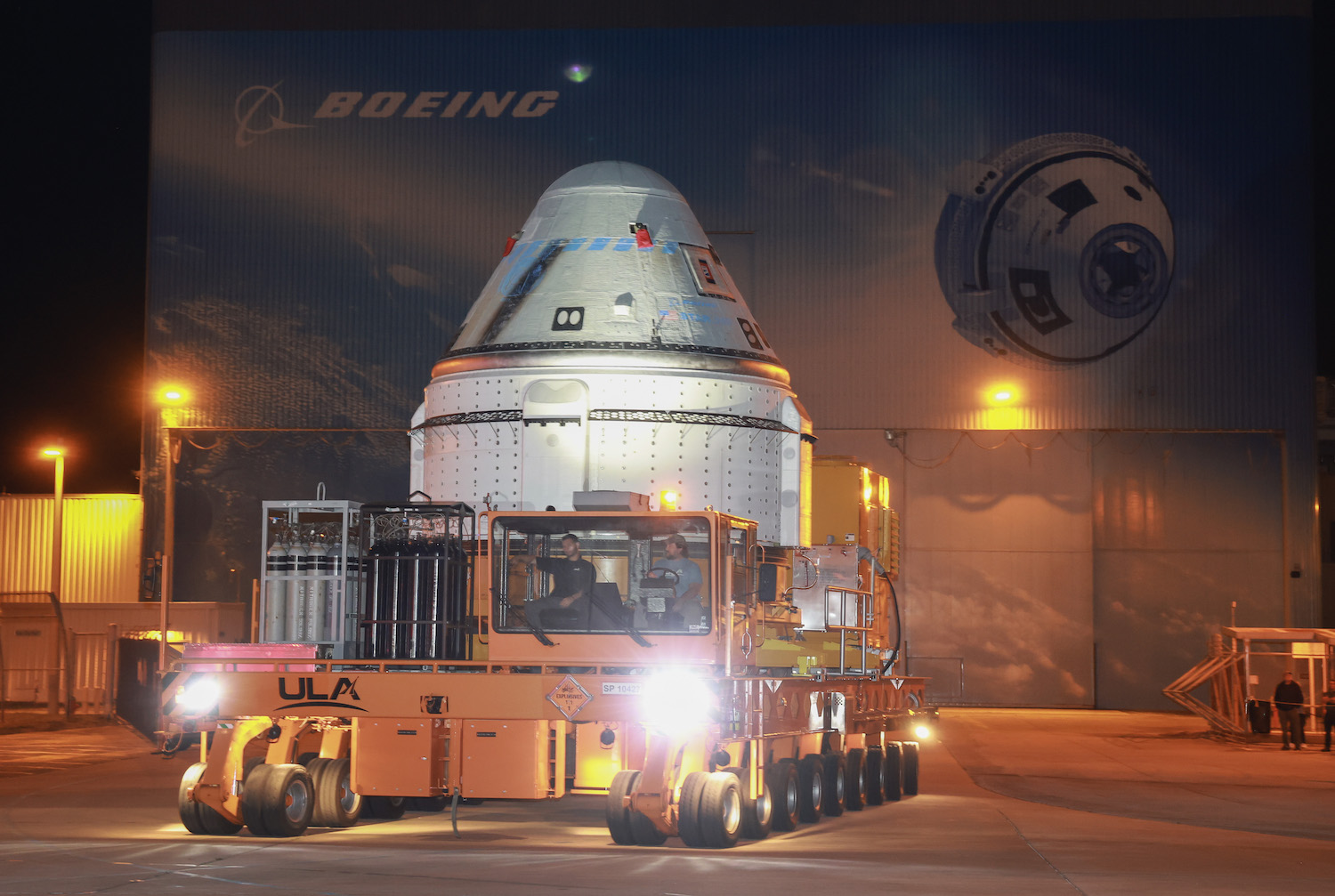
Actually, Starliner might fly into space this year
When we last checked in on Boeing’s Starliner spacecraft in February, NASA was announcing that it had formally classified the 2024 crewed flight of the Starliner spacecraft as a “Type A” mishap, an acknowledgement that the test flight was a serious failure. At the time, NASA Administrator Jared Isaacman said the space agency was working with…