
Tag: spacecraft
-

How Do Engineers Choose Satellite Cables? Power, Signal, RF and High-Voltage Lines Have Different Requirements
A satellite unit may work perfectly on a test bench, then develop problems after installation on the spacecraft: low supply voltage, fluctuating temperature readings, intermittent bus errors or higher-than-expected radio-frequency (RF) losses. The fault may lie in the cable connecting the unit. A cable is rarely a transparent path between two devices. It has resistance,…
-

What Is “Burn-In,” and Why Do Satellites Need It?
A piece of onboard electronic equipment has just come off the production line. It has passed visual inspection, its insulation and electrical characteristics are normal, and every functional test has been completed successfully. In theory, it should be ready for delivery. Before installing it on a satellite, however, engineers will often keep it powered on…
-
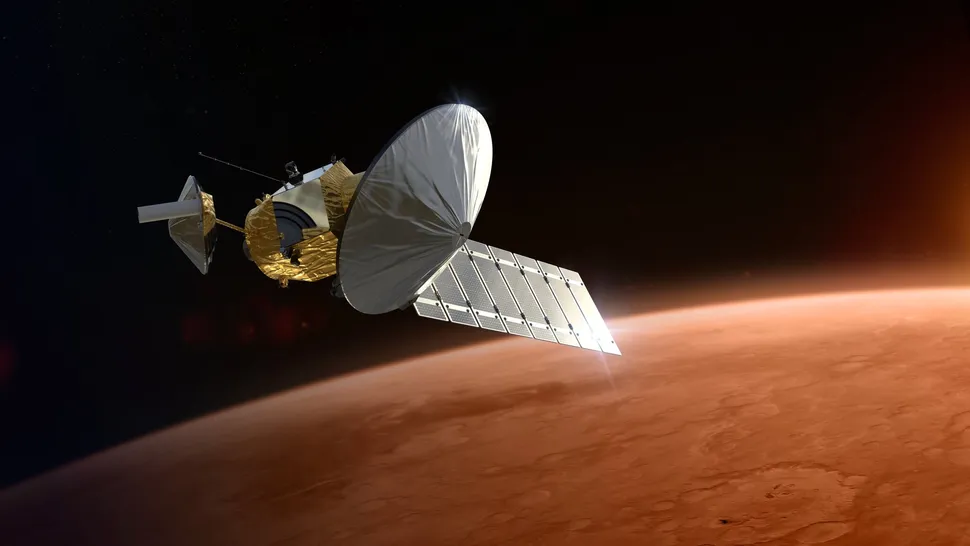
Rocket Lab Challenges NASA’s $700 Million Mars Orbiter Award to Blue Origin
Rocket Lab filed a formal protest with the U.S. Government Accountability Office on September 11, challenging NASA’s decision to award Blue Origin a $700 million contract to develop, launch and operate the Mars Telecommunications Network. NASA selected Blue Origin on September 1 for the communications orbiter, which must be delivered by December 31, 2028 and…
-
Antares Wins $161 Million Space Force Award to Advance Orbital Nuclear Reactor
Antares has received a $161 million Strategic Breakthrough award to conduct a ground demonstration of its R1-S nuclear reactor and integrate the system with a spacecraft for flight certification, the company announced September 11. The award, issued through the Office of the Assistant Secretary of the Air Force for Space Acquisition and Integration, moves Antares…
-

Why Are Satellites “Oxidized” in Near Vacuum? How Aggressive Is Atomic Oxygen and How Can It Be Prevented?
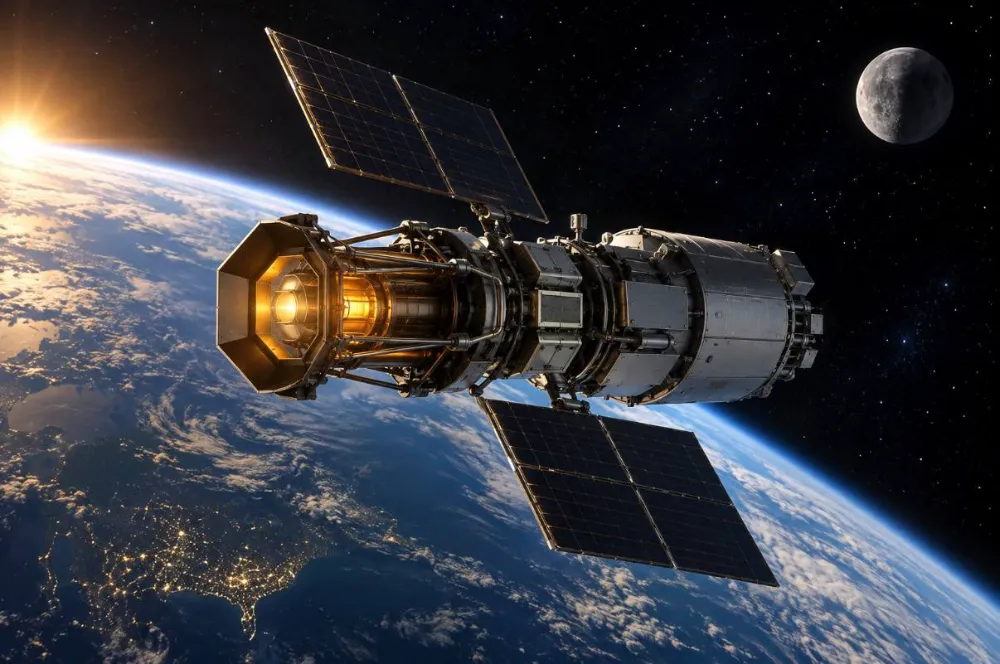
A satellite entering low Earth orbit (LEO) may lead people to assume that there is almost no atmosphere outside, so how could oxygen still exist? However, for spacecraft operating in LEO, oxygen is not only present but can become one of the most challenging environmental factors for materials. It can gradually thin polyimide films, create…
-
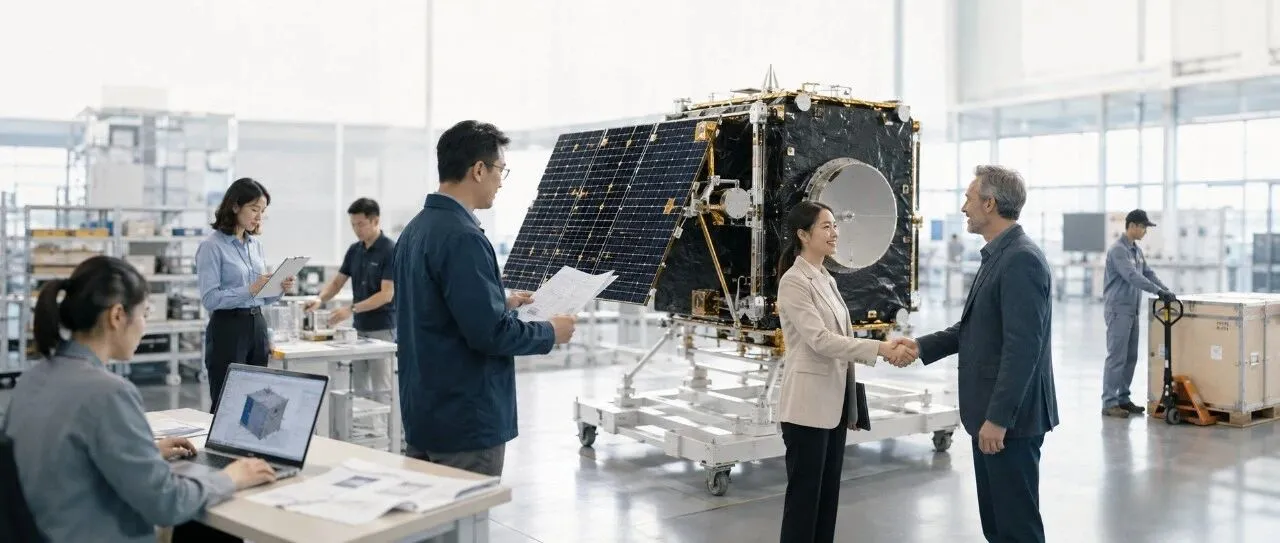
From Blueprint to Delivery: The Work Behind a Satellite That Never Appears in Product Photos
On the day of delivery, the people most likely to appear in photos are usually the product, the customer, and the technical leaders. Once testing is completed, the shipping container is sealed, and the handover documents are signed, a product finally moves from the development site to the customer. But outside the camera frame, many…
-
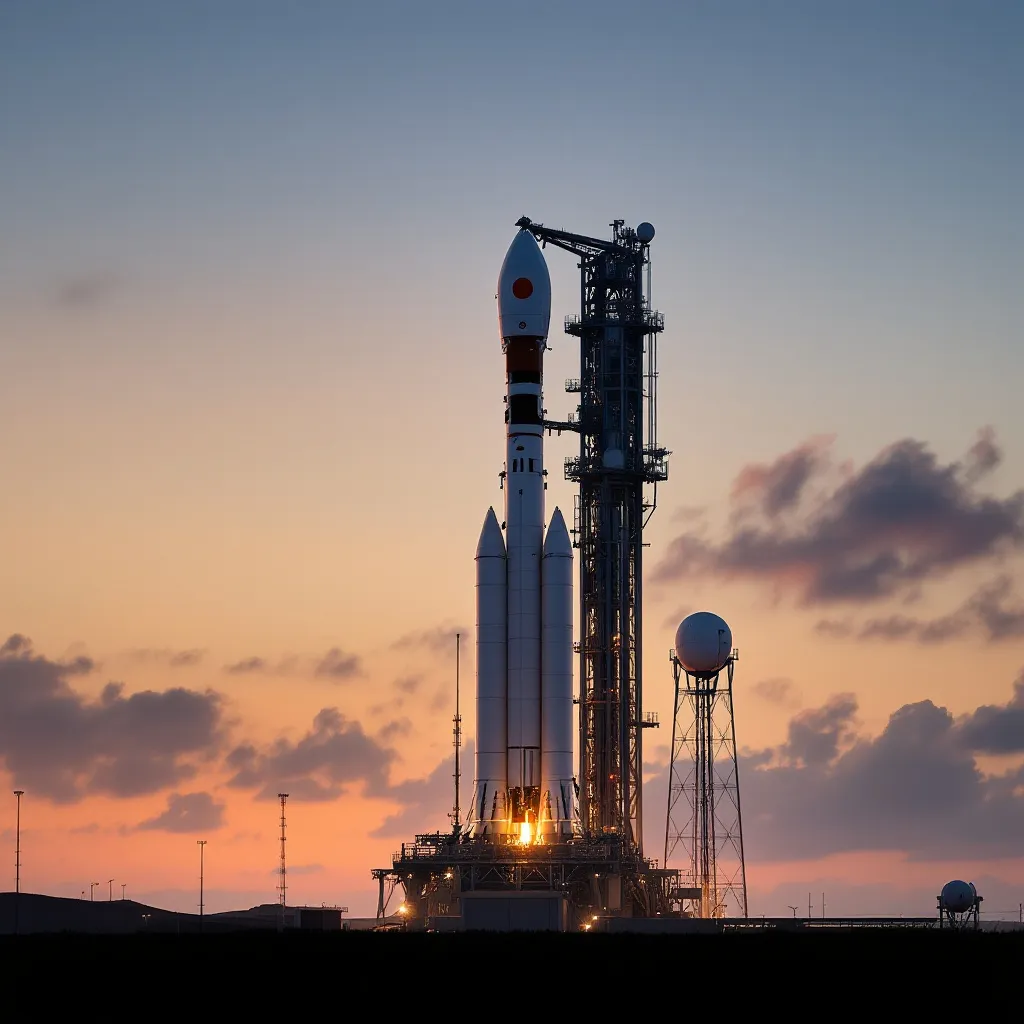
Japan Sets October 20 Launch for Ambitious Mars Moon Sample-Return Mission
Japan has confirmed October 20, 2026, as the launch date for its Martian Moons eXploration (MMX) spacecraft, setting the stage for one of the most ambitious robotic planetary missions yet attempted by the Japan Aerospace Exploration Agency (JAXA). The MMX spacecraft is scheduled to lift off aboard Japan’s H3 rocket at 4:41 a.m. Japan Standard…
-
Portal Space Systems Raises $50M for Maneuverable Spacecraft
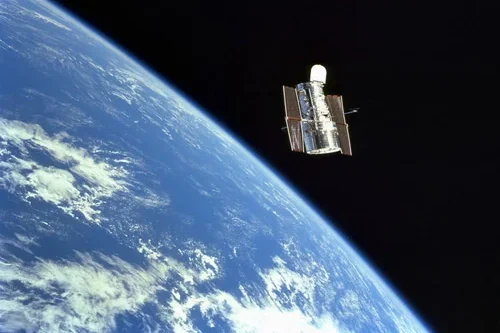
How will Portal Space Systems use its $50M funding to advance spacecraft maneuverability? Portal Space Systems closed a $50 million Series B funding round on April 9, 2026, positioning the space mobility company to accelerate development of its highly maneuverable spacecraft platforms. The Los Angeles-based startup plans to use the capital to scale manufacturing, expand…
-

OceanGate and NASA are teaming up to build better carbon-fiber pressure vessels
OceanGate’s Titan submersible takes advantage of carbon-fiber technology. (OceanGate Photo) Everett, Wash.-based OceanGate says it’s forged an agreement with NASA to support the development of carbon-fiber pressure vessels that could handle the crushing demands of deep-sea exploration — as well as the strains encountered in the vacuum of space. The agreement calls for NASA’s Marshall…